Barcelona’s waters are home to one of the most ecologically rich stretches of the northwestern Mediterranean, where over 700 marine species have been recorded within the city’s coastal zone alone. The types of fish found in Barcelona range from small pelagic schooling fish like anchovy and sardinella to powerful predators like bluefish and bonito, each tied to specific seasons, water temperatures, and habitats. That diversity is not just an ecological fact. It shapes every dish on a Catalan seafood menu, from the slow-simmered suquet de peix to the celebrated arroz del senyoret. Understanding which species appear when, and why, gives you a sharper lens for both marine exploration and dining in the city.
1. Top pelagic fish species found in Barcelona waters
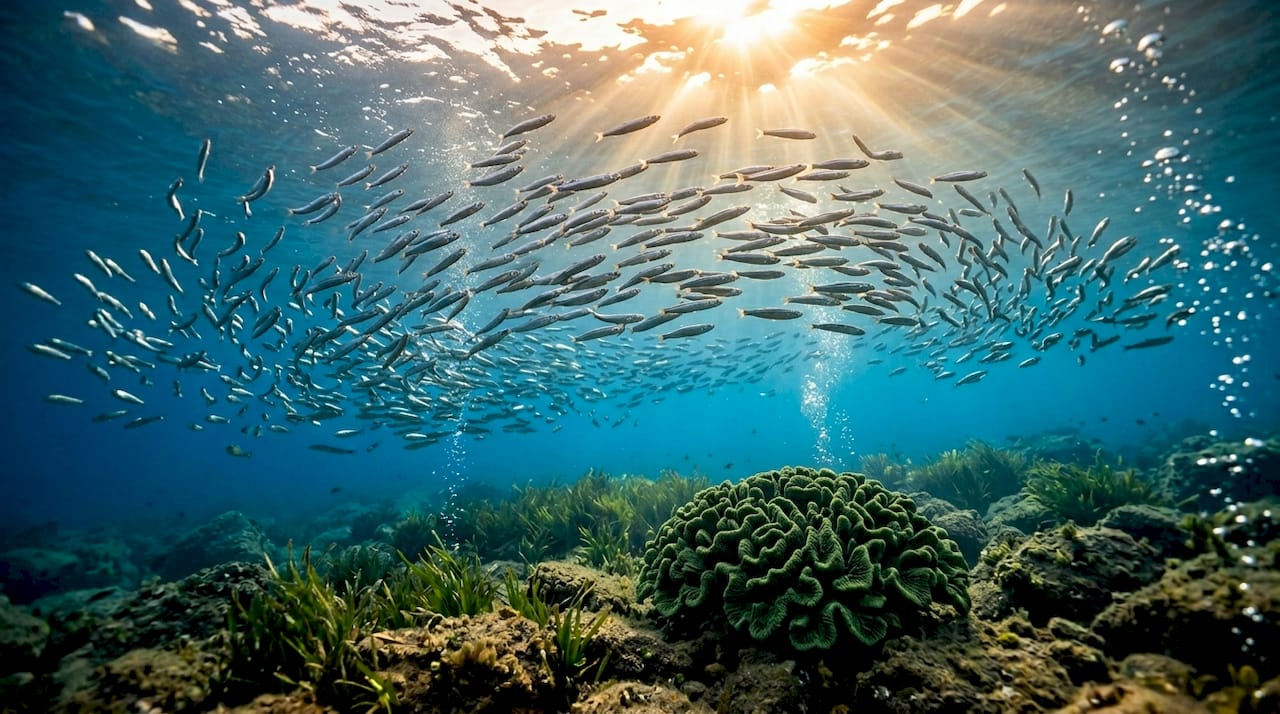
Pelagic fish live in the open water column rather than near the seabed, and Barcelona’s coast hosts several of the Mediterranean’s most commercially and ecologically significant species in this group. Species abundance is strongly season-dependent, meaning the fish you encounter in June differ markedly from those present in September.
The core pelagic species you will find in Barcelona include:
- European anchovy (Engraulis encrasicolus): The backbone of Catalan seafood culture. Anchovy peaks in spring and early summer, when schools move inshore to spawn.
- Sardinella (Sardinella aurita): A warm-water relative of the sardine, increasingly common in summer as sea temperatures rise.
- Atlantic bonito (Sarda sarda): A fast, torpedo-shaped predator that arrives in late spring and stays through early autumn, following smaller prey fish.
- Little tunny (Euthynnus alletteratus): Often mistaken for bonito, this species appears in summer and is prized for its firm, dark flesh.
- Bluefish (Pomatomus saltatrix): One of the most aggressive pelagic predators in the Mediterranean. Bluefish move through Barcelona’s coastal waters in autumn, chasing anchovy and sardinella schools.
Pro Tip: If you want to taste the freshest pelagic catch, visit Barcelona’s Mercat de la Boqueria or Mercat de Santa Caterina on weekday mornings in July or August. Vendors receive overnight catches, and sardinella and bonito are often priced well below their quality.
Temperature is the primary driver of pelagic fish distribution here. Warmer surface waters in summer attract thermophilic species like sardinella and little tunny, while cooler autumn conditions bring bluefish and bonito closer to shore. Larval fish monitoring in the NW Mediterranean confirms that species cluster patterns shift significantly between early and late summer, which means the marine life in Barcelona you observe in one month can look entirely different two months later.
2. Common coastal and demersal fish species near Barcelona
Demersal fish live near or on the seabed, and Barcelona’s rocky reefs, sandy bottoms, and artificial structures support a strong community of these species. They tend to be the fish most associated with local seafood in Barcelona restaurants, prized for their white, delicate flesh.
Key demersal and coastal species include:
- Gilthead seabream (Sparus aurata): The most recognized fish on any Catalan menu. Peak availability runs autumn through winter, when adults move inshore from deeper waters.
- European seabass (Dicentrarchus labrax): A predatory fish that hunts near rocky outcrops and river mouths. Seabass is available year-round but is most abundant from late autumn through spring.
- White seabream (Diplodus sargus) and other Diplodus species: These are among the most frequently spotted fish by divers and snorkelers along Barcelona’s breakwaters. They are hardy, adaptable, and present throughout the year.
- Amberjack (Seriola dumerili): A large, powerful fish that appears in warmer months around offshore structures and rocky drop-offs. Amberjack can exceed 50 kilograms and is a prized catch for sport fishermen.
Pro Tip: The Forum bathing area in Barcelona, developed as part of an urban coastal project, functions as an accidental fish nursery. The MAR-VIU project found that semi-enclosed coastal zones support juvenile aggregation and even cuttlefish reproduction. Snorkeling there gives you a genuine window into Barcelona’s underwater fish community.
Environmental factors shape which demersal species you encounter at any given time. Water clarity, substrate type, and proximity to freshwater inputs all influence where seabream and seabass concentrate. Rocky reefs near Barceloneta and the breakwaters of the Port Olímpic are reliable spots for Diplodus species year-round, while sandy stretches further north toward El Masnou attract flatfish and juvenile seabream.
3. Rare and warm-water species shaped by Mediterranean tropicalization
Tropicalization is the term marine biologists use to describe the process by which warming sea temperatures allow southern, warm-water fish species to establish themselves in historically cooler regions. Barcelona’s waters are a front-row seat to this process.
- False scad (Caranx rhonchus): Originally a West African species, this fish now appears regularly in Barcelona’s coastal waters during summer. It travels in schools and is increasingly caught by shore anglers.
- Yellowmouth barracuda (Sphyraena viridensis): A Mediterranean barracuda species that has expanded its range northward. Tropicalization studies confirm its growing presence along the Spanish Mediterranean coast, including Barcelona.
- Pufferfish (Lagocephalus sceleratus): The silver-cheeked toadfish, a toxic Lessepsian migrant, has been recorded in Catalan waters. It poses a genuine risk to fishermen who do not recognize it.
- Dusky grouper (Epinephelus marginatus): While not a new arrival, this protected species is recovering in numbers thanks to marine reserve protections. Divers occasionally spot juveniles near rocky reefs in Barcelona.
Warming waters introduce new fish species into Barcelona’s marine ecosystem, adding culinary potential but also ecological complexity. Some arrivals, like the yellowmouth barracuda, are edible and already appearing on adventurous restaurant menus. Others, like the toxic pufferfish, require fishermen and chefs to stay informed. The tropicalization of Spanish Mediterranean waters is not a future scenario. It is already reshaping what fish species in Barcelona you can catch, observe, and eat today.
4. Seasonal patterns and best times to find specific species
Knowing when each species peaks is the difference between a productive fishing trip and an empty bucket. The table below summarizes seasonal availability for the most sought-after fish in Barcelona’s waters, along with key regulatory notes.
| Species | Peak season | Minimum legal size | Notes |
|---|---|---|---|
| Gilthead seabream | Autumn to winter | 20 cm | Most abundant inshore October through January |
| European seabass | Late autumn to spring | 36 cm | Permit required for some fishing methods |
| Atlantic bonito | Late spring to early autumn | 50 cm | Migratory; follows anchovy schools |
| Anchovy | Spring to early summer | 9 cm | Spawning peak in May and June |
| Amberjack | Summer to early autumn | 70 cm | Offshore structures and rocky drop-offs |
| Bluefish | Autumn | 25 cm | Aggressive feeder; arrives with anchovy migrations |
Fishing regulations define minimum sizes and seasonal closures for these species to protect breeding populations. Bluefin tuna, for example, requires a specific permit and has strict quota controls. Ignoring these rules does not just carry legal risk. It undermines the fish populations that make Barcelona’s seafood culture possible.
Spring is the most productive season for observing marine life in Barcelona, as warming waters trigger spawning activity and juvenile fish begin appearing in shallow coastal zones. Summer brings the highest species diversity, with warm-water visitors joining resident populations. Autumn is the prime season for demersal fish like seabream and seabass, and it is also when bluefish make their dramatic coastal runs. Winter sees reduced diversity but offers some of the best-quality seabream and seabass, as fish are in peak condition before spring spawning. For anyone planning Barcelona fishing spots visits around specific species, autumn and late spring are the two most rewarding windows.
5. How local fishing traditions and cuisine reflect Barcelona’s fish diversity
Barcelona’s gastronomic identity is inseparable from its fish. Traditional dishes like suquet de peix and arroz del senyoret were built around whatever the daily catch provided, which means they are inherently seasonal recipes.
The connection between marine biodiversity and Catalan cuisine shows up in several concrete ways:
- Seasonal menus: Restaurants that source locally rotate their fish offerings monthly. Anchovy and sardinella dominate spring menus, while seabream and seabass anchor autumn and winter dishes.
- Whole-fish cooking: Catalan tradition favors cooking fish whole or in large pieces, which preserves moisture and flavor. This approach works best with firm-fleshed species like seabass and amberjack.
- Rice dishes as a vehicle: Arroz del senyoret and arroz a banda use fish stock as their base, meaning the quality of the catch directly determines the quality of the dish. A stock made from fresh bonito or seabream tastes nothing like one made from frozen fish.
- Sustainable sourcing: Forward-thinking Barcelona restaurants now work directly with local fishing cooperatives to source species that are in season and within legal size limits. This practice supports fish population recovery and guarantees peak flavor.
The types of seafood Barcelona restaurants serve are shifting as tropicalization introduces new species. Some chefs are already experimenting with yellowmouth barracuda and false scad, treating them as culinary opportunities rather than ecological problems. That adaptability is very much in the spirit of Catalan maritime cooking.
Key takeaways
Barcelona’s fish diversity is defined by seasonal migration, water temperature, and the ongoing effects of Mediterranean tropicalization, making local knowledge the single most valuable tool for fishermen, divers, and diners alike.
| Point | Details |
|---|---|
| Pelagic species are seasonal | Anchovy and sardinella peak in spring; bluefish and bonito arrive in autumn following prey migrations. |
| Demersal fish peak in cooler months | Gilthead seabream and European seabass are most abundant and best quality from autumn through winter. |
| Tropicalization adds new species | Warm-water arrivals like yellowmouth barracuda and false scad are now regular summer visitors in Barcelona. |
| Regulations protect key species | Minimum size limits and seasonal closures for seabream, seabass, and tuna are legally enforced in Catalan waters. |
| Cuisine follows the catch | Traditional dishes like suquet de peix and arroz del senyoret are built around seasonal, locally sourced fish. |
What I have learned watching Barcelona’s fish change over time
The conversation about Barcelona’s marine life tends to focus on what is abundant and what is delicious. Both are worth discussing. But the more interesting story is how quickly the species composition is shifting, and how few people outside the fishing community have noticed.
When you talk to the fishermen who work out of the Port de Barcelona or the smaller harbors up the coast toward Badalona, they will tell you that the fish they pull up today are not the same fish their fathers caught. Sardinella was rare twenty years ago. Now it fills nets in July. Bluefish runs that used to be predictable have become erratic. Amberjack, once an occasional surprise, now shows up reliably every summer around offshore structures.
The fish community composition in Barcelona is genuinely dynamic, and that dynamism is accelerating. I think the culinary world in Barcelona is actually better positioned to respond to this than the regulatory world. Chefs adapt menus in weeks. Fishing quotas take years to update. The restaurants that are already working with species like yellowmouth barracuda are ahead of the curve, not just gastronomically but ecologically. They are building demand for fish that are currently underutilized, which takes pressure off overexploited species like seabream and seabass.
The practical takeaway for anyone who loves Barcelona’s seafood is this: trust the seasonal menu. A restaurant that changes its fish offerings with the calendar is not being indecisive. It is being honest about what the sea is actually providing that month.
— YellowRock
Taste Barcelona’s seasonal catch at Els Pescadors
Els Pescadors, located in the historic Poblenou district at Plaça de Prim, builds its entire menu around the fish species that Barcelona’s waters produce each season. When gilthead seabream is at its autumn peak, it is on the menu. When spring brings anchovy and sardinella inshore, the kitchen responds accordingly.
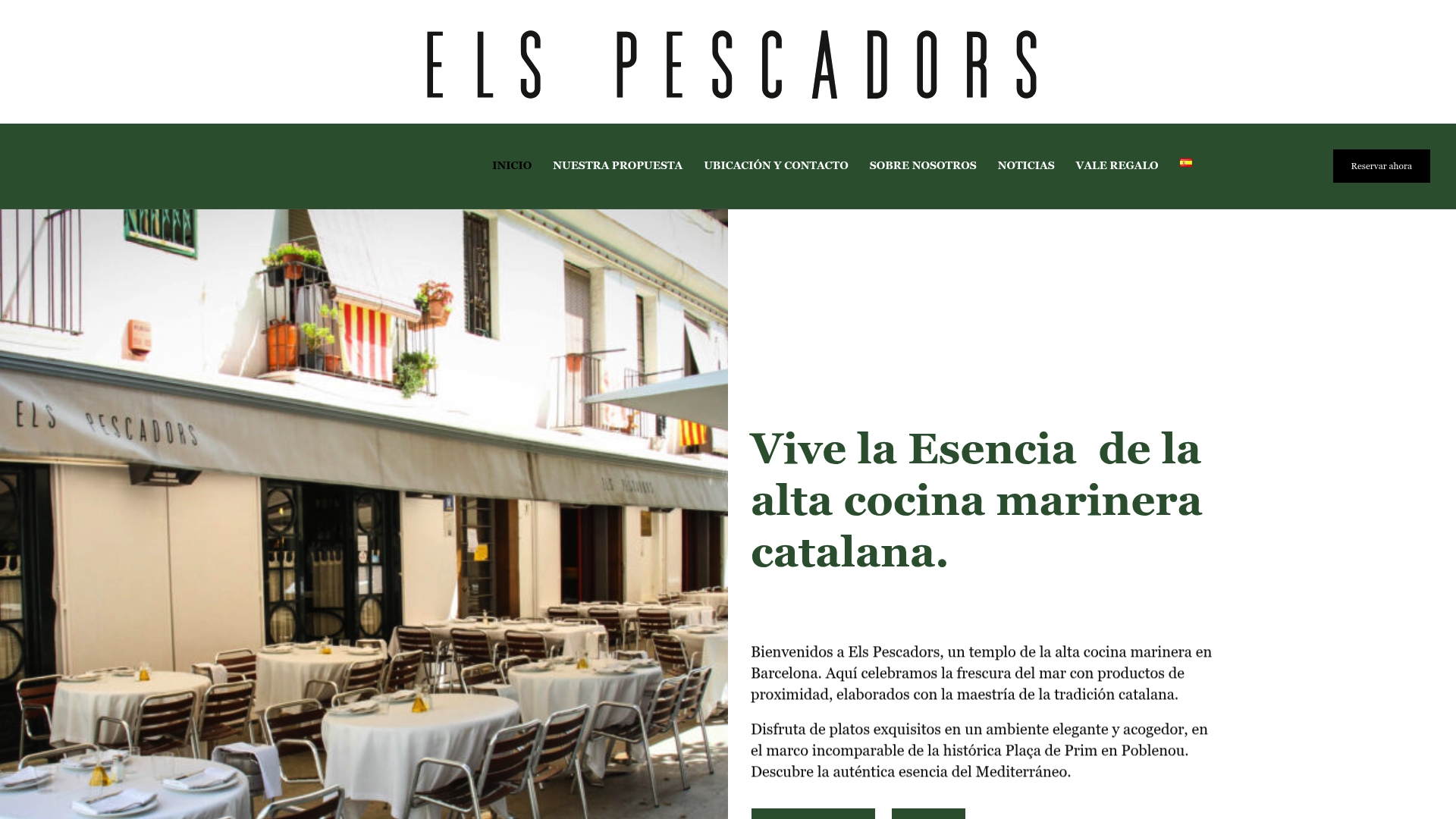
Every dish at Els Pescadors reflects a direct relationship with local fishing cooperatives and a commitment to serving only what is in season and within sustainable catch limits. If you want to experience Barcelona’s marine biodiversity through its finest expression, explore the restaurant’s proposal and discover a menu that moves with the sea. Reservations are available online, and the tasting menus offer the clearest picture of what Barcelona’s waters are producing right now.
FAQ
What fish are most common in Barcelona’s waters?
The most commonly occurring fish in Barcelona include anchovy (Engraulis encrasicolus), gilthead seabream (Sparus aurata), European seabass (Dicentrarchus labrax), and Diplodus species like white seabream. Pelagic predators such as bluefish and bonito are also regular seasonal visitors.
When is the best time to fish in Barcelona?
Autumn is the prime season for demersal species like seabream and seabass, while late spring and summer offer the best conditions for pelagic fish like anchovy, bonito, and amberjack. Seasonal fishing regulations define legal capture periods and minimum sizes for each species.
Are there tropical fish species in Barcelona now?
Yes. Warming Mediterranean waters have brought species like yellowmouth barracuda (Sphyraena viridensis) and false scad (Caranx rhonchus) into Barcelona’s coastal zone as regular summer visitors. This process, called tropicalization, is documented in recent studies of Spanish Mediterranean fish communities.
How many marine species live near Barcelona?
The MAR-VIU project recorded over 700 marine species in Barcelona’s coastal waters, with more than 500 identified in the Forum bathing area alone, including seahorses and reproducing cuttlefish.
Which Barcelona fish are used in traditional Catalan dishes?
Gilthead seabream, European seabass, anchovy, and bonito are the species most closely tied to Catalan culinary tradition. They appear in dishes like suquet de peix, arroz a banda, and arroz del senyoret, all of which depend on fresh, seasonal local catches for their authentic flavor.
Recommended
- Seasonal fish menus in Barcelona: What really makes them authentic
- How seasonal seafood transforms Barcelona’s top restaurants
- Where to eat fresh fish in Barcelona: a guide to quality restaurants – Els Pescadors
- Fresh Fish in Barcelona: How We Select Seasonal Seafood at Els Pescadors – Els Pescadors