Seafood and wine pairing is defined by one principle: match the wine’s acidity and body to the seafood’s richness and preparation. Get that balance right, and every bite tastes brighter, cleaner, and more complete. Get it wrong, and even the freshest fish tastes flat or metallic. The good news is that the rules are logical once you understand them. This guide covers the fundamentals, explains how cooking methods and sauces shift your choices, and tells you exactly when a chilled red wine is the right call.
How to pair seafood with wine: the fundamental rules
The single most reliable framework for seafood and wine pairing is weight matching. Light seafood calls for light wines, and richer, fattier seafood supports fuller-bodied whites or even light reds. Think of it as a volume dial: the wine should never shout louder than the food, and it should never whisper when the dish is bold.
Acidity is the engine behind almost every successful pairing. High-acid wines cut through seafood oils and richness, refresh the palate between bites, and brighten briny or sweet flavors. Wines like Muscadet, Chablis, Albariño, and dry Riesling all carry this quality naturally. That is why they appear on nearly every serious seafood menu.
Here are the classic pairings that hold up across almost every dining context:
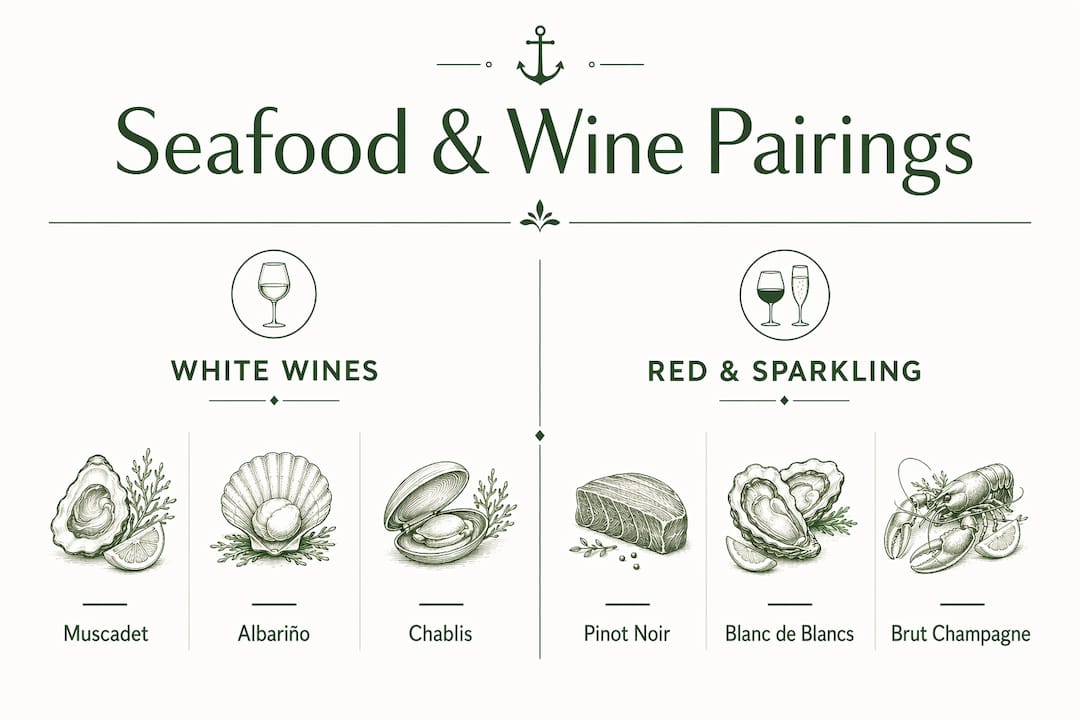
- Raw oysters: Muscadet or Chablis, both mineral and high-acid
- Lobster: unoaked or lightly oaked Chardonnay, which matches the richness without overwhelming it
- Salmon: Pinot Noir, served slightly chilled, or a full-bodied rosé
- Delicate white fish (sole, flounder, sea bass): Pinot Grigio or Albariño
- Shrimp cocktail: Muscadet or brut Champagne
Tannins are the main enemy of seafood pairing. Heavy tannins react with iodine and iron compounds in shellfish and fish, producing metallic, bitter notes that ruin both the wine and the dish. This is why big reds like Cabernet Sauvignon and Syrah almost never work with seafood, regardless of how the fish is prepared.
Pro Tip: When in doubt, reach for a high-acid white. Wines like Albariño or Grüner Veltliner are versatile enough to work across most seafood preparations without a second thought.
How do cooking methods and sauces change the pairing?
The species of fish matters less than how you cook it. Cooking method and sauce influence wine pairing more than the fish itself, which is the single most underused insight in seafood pairing. A delicate sole poached in butter and a sole fillet blackened with Cajun spices are completely different pairing problems.
Follow this sequence when choosing your wine:
- Identify the cooking method first. Poached or steamed seafood needs lighter, crisper wines like Muscadet or unoaked Chablis. Grilled or seared seafood develops char and smokiness that can handle a fuller-bodied white like an oaked Chardonnay or even a chilled Pinot Noir.
- Assess the sauce. Creamy sauces like beurre blanc or lobster bisque demand wines with higher acidity and some body to cut through the fat. A Burgundy-style Chardonnay or a Grüner Veltliner works well here. Tomato-based or spiced sauces shift the pairing toward aromatic whites, dry rosé, or light reds.
- Consider heat and spice. Spicy preparations, like blackened shrimp or Thai-style fish, pair better with off-dry whites such as Gewürztraminer or a demi-sec Vouvray. The residual sugar tempers the heat without clashing with the seafood.
- Factor in fat from frying. Fried seafood, whether it is calamari, fish and chips, or fried oysters, benefits from sparkling wine. The bubbles mechanically cleanse the palate and cut through the oil coating.
Pro Tip: Treat the sauce as the dominant flavor, not the fish. If the sauce is creamy, pair to the cream. If it is spicy, pair to the spice. The fish is the canvas; the sauce sets the pairing problem.
Understanding how fresh ingredients shape seafood flavor also helps here. Fresher, more delicate fish has subtler flavors that are easily overwhelmed by heavy wines, while robust preparations built on aged or cured seafood can support more structured choices.
What are the best wines for shellfish?
Shellfish occupies a specific category in seafood and wine pairing because of its mineral, saline, and sometimes metallic flavor profile. Shellfish pairs best with high-acid, low-tannin wines that carry their own mineral and saline qualities. The pairing works because the wine mirrors the ocean character of the shellfish rather than fighting it.
| Shellfish | Recommended Wine | Why It Works |
|---|---|---|
| Oysters | Muscadet, Chablis, Blanc de Blancs Champagne | Mineral, saline, and high-acid; echoes the ocean |
| Mussels | Muscadet sur lie, Albariño | Bright acidity, slight salinity, low tannin |
| Clams | Vermentino, Pinot Grigio | Crisp and neutral; does not compete with brine |
| Scallops | Burgundy Chardonnay, Viognier | Richness matches the scallop’s buttery texture |
| Shrimp | Muscadet, Champagne, dry rosé | Versatile; adapts to preparation style |
Muscadet sur lie is worth a specific mention. The sur lie aging process, where the wine rests on its spent yeast cells, adds a subtle creaminess and a yeasty, bread-like quality that complements shellfish flavors in a way that standard Muscadet does not. It is one of the most underrated shellfish wines available, and it costs far less than Chablis Premier Cru.
Sparkling wines deserve more credit as shellfish partners. The bubbles provide a mechanical palate cleanse between bites, and Blanc de Blancs Champagne carries citrus and mineral notes that pair beautifully with oysters. Cava Brut is a more affordable alternative that performs nearly as well with fried or steamed shellfish.
Can red wine actually work with seafood?
Yes, but with strict conditions. Low-tannin, light-bodied, chillable reds like Pinot Noir and Gamay are the only reds that reliably work with seafood. The key is serving temperature. Chill them to around 55°F, and the freshness increases while the tannin impact softens, making the wine far less likely to clash with the fish.
The seafood that handles red wine best shares a few traits:
- High fat content: Salmon, tuna, and swordfish all have enough richness to stand up to a light red without the wine tasting harsh.
- Grilled or seared preparation: The char and smokiness from the grill create flavor bridges to red wine’s earthy, fruit-forward profile.
- Tomato-based sauces: A cioppino or a fish stew in tomato sauce actively calls for a light red. The acidity in the tomato aligns with the wine’s structure, and the sauce softens any tannin edge.
What never works is a tannic red with delicate white fish or raw shellfish. Cabernet Sauvignon with sea bass is not a bold pairing choice. It is a mismatch that makes both the wine and the fish taste worse. Texture and preparation drive pairing success far more than the color of the wine in the glass.
How to build a versatile wine selection for seafood
You do not need a cellar full of options to cover most seafood dishes well. A focused selection of five to six bottles handles nearly every preparation you will encounter, whether you are cooking at home or ordering at a restaurant.
| Wine | Best Seafood Match | Key Quality |
|---|---|---|
| Muscadet sur lie | Oysters, mussels, shrimp cocktail | Mineral, saline, high-acid |
| Albariño | Grilled fish, shrimp scampi, clams | Citrus-driven, saline, versatile |
| Grüner Veltliner | Creamy sauces, white fish, scallops | Peppery, high-acid, food-friendly |
| Dry Riesling | Spiced or Asian-style seafood | High acid, slight sweetness, aromatic |
| Brut Cava or Champagne | Fried seafood, oysters, mixed platters | Bubbles cleanse; mineral and crisp |
| Pinot Noir (chilled) | Salmon, tuna, tomato-sauced dishes | Low tannin, earthy, fruit-forward |
Think of wine acidity as doing the same job as a squeeze of lemon on your fish. Acidity brightens and balances richness, stimulates salivation, and resets the palate so each bite tastes as good as the first. The richer or creamier the dish, the more acidity you need in the wine.
Albariño deserves special attention as a go-to bottle for diverse seafood preparations. It handles blackened shrimp, grilled branzino, and even a simple seafood platter with equal confidence. Its natural salinity, which comes from the Atlantic-influenced vineyards of Rías Baixas in Galicia, creates a direct flavor link to ocean-sourced ingredients. Exploring Catalan seafood varieties gives you a sense of how Mediterranean seafood flavors interact with these wine profiles in practice.
Pro Tip: Build your seafood wine selection around acidity first, body second. Start with Muscadet and Albariño as your anchors, add a brut sparkling for fried and shellfish dishes, and keep one chilled Pinot Noir for grilled or sauced preparations.
Key takeaways
Successful seafood and wine pairing depends on matching wine acidity and body to the seafood’s richness, texture, and preparation method, not simply choosing white over red.
| Point | Details |
|---|---|
| Match weight to weight | Light fish needs light wines; richer seafood supports fuller-bodied whites or chilled light reds. |
| Acidity is the priority | High-acid wines like Muscadet, Albariño, and Chablis cleanse the palate and brighten seafood flavors. |
| Sauce drives the pairing | Creamy sauces need more acid and body; tomato-based sauces open the door to light reds like Pinot Noir. |
| Tannins clash with shellfish | Heavy tannins react with iodine in shellfish to produce metallic flavors; always choose low-tannin wines. |
| Sparkling wine is underrated | Brut Champagne and Cava work across fried, raw, and steamed shellfish preparations with consistent results. |
Why I think the “white wine only” rule holds people back
Most people who struggle with seafood and wine pairing are following a rule that is too simple. “White wine with fish” is not wrong, but it is incomplete, and it leads to boring, safe choices that miss the real pleasure of a well-matched pairing.
The most interesting pairings I have encountered come from thinking about texture and sauce first. A grilled swordfish steak with a tomato and olive tapenade is not a white wine dish. It is a Pinot Noir dish, served at 55°F, with enough fruit and earthiness to meet the bold flavors on the plate. Treating it as a white wine problem produces a flat, forgettable meal.
Sparkling wine is the most underused tool in this space. A good Cava Brut or Blanc de Blancs Champagne works with almost everything from a seafood menu, from raw oysters to fried calamari to a rich bouillabaisse. The bubbles do real work at the table, and the mineral quality in these wines creates a flavor connection to ocean ingredients that still surprises me every time it works.
My honest advice is to learn the rules well enough to know when to break them. Start with Albariño as your default. Learn what Muscadet sur lie does for mussels. Then try a chilled Gamay with grilled tuna and see what happens. The pairing logic covered here gives you the framework. Your palate gives you the final answer.
— YellowRock
Experience expert seafood and wine pairings at Els Pescadors
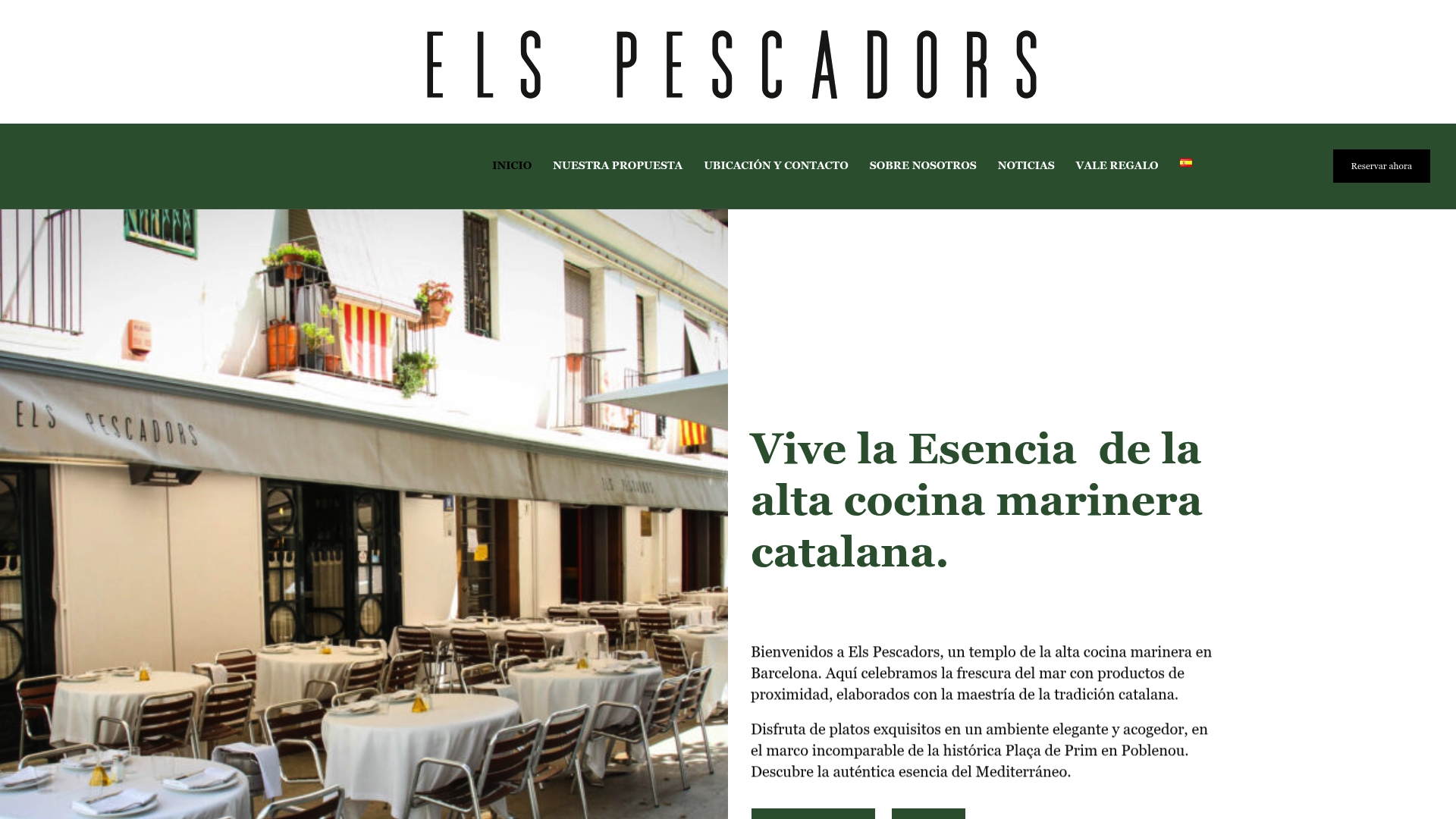
Els Pescadors, located in Barcelona’s historic Poblenou district at Plaça de Prim, brings these pairing principles to life through a menu built on daily fresh catch and seasonal Catalan ingredients. Every dish is designed with flavor balance in mind, from the preparation method to the final plate. The restaurant’s tasting menus and proposals are crafted to guide you through the best of Mediterranean seafood with wines that genuinely complement each course. If you want to experience what a well-executed seafood and wine pairing actually feels like, rather than just read about it, Els Pescadors is the place to do it. You can also explore why a dedicated seafood restaurant delivers a pairing experience that a general menu simply cannot match.
FAQ
What is the best wine for seafood overall?
Albariño and Muscadet are the most versatile choices for seafood and wine pairing because both carry high acidity and natural salinity that complement a wide range of fish and shellfish preparations.
What wine goes with shrimp?
Shrimp pairs well with Muscadet or brut Champagne for shrimp cocktail, Pinot Grigio for shrimp scampi, and dry rosé or Albariño for blackened or spiced preparations. The cooking method determines the best match.
Can you drink red wine with fish?
Yes, when you choose a low-tannin, chillable red like Pinot Noir or Gamay served at around 55°F. These work well with fatty fish like salmon or tuna, especially when grilled or served with tomato-based sauces.
Why do tannins clash with shellfish?
Heavy tannins react chemically with iodine and iron compounds in shellfish, producing a metallic, bitter aftertaste that ruins both the wine and the dish. Always choose low-tannin wines with shellfish.
Does sparkling wine really work with seafood?
Sparkling wines like Champagne and Cava are among the best seafood pairings available. The bubbles mechanically cleanse the palate between bites, and the mineral, citrus-driven profile of Blanc de Blancs Champagne mirrors the ocean character of oysters and mussels directly.