Rossejat (usually written rossejat de fideus) is a Catalan and Valencian coastal dish in which thin noodles are browned in oil and then cooked in fish broth until the pan is nearly dry. Festes.org describes it as a maritime preparation made with fine noodles or, less often, rice. The name comes from the verb rossejar, to brown. It tells you the whole secret of the dish: the toasting comes first, and it gives the noodles their color, their nutty edge and their bite.
If you have seen “rossejat noodles” on a menu in Barcelona and wondered what you were about to eat, this guide covers the name, the method, the ingredients, the regional versions and how rossejat differs from fideuà. It also covers what to look for when you order it.
TL;DR
- Rossejat is noodles toasted in oil, then cooked in fish broth until dry. It is a close relative of paella, with pasta in place of rice.
- The name comes from rossejar, to brown or toast in fat, so the browning step defines the dish.
- It is tied to the Catalan and Valencian coast, especially the Ebro Delta, and to fishermen who made stock from inexpensive fish.
- Fideuà and rossejat overlap on Catalan menus. Expect fine noodles, a concentrated broth and often a spoonful of allioli.
- In Barcelona, ask about the day’s catch and the rice and noodle dishes on the carta: the broth is what makes the dish.
Table of Contents
- What does rossejat mean?
- What are rossejat noodles?
- How rossejat is made
- Traditional ingredients
- Rossejat vs. fideuà
- Where rossejat comes from
- How to order and enjoy it in Barcelona
- Our perspective on rossejat
- Taste Catalan maritime cooking at Els Pescadors
- FAQ
- Sources
What does rossejat mean?
The Valencian normative dictionary (Diccionari normatiu valencià) defines rossejat as a stew of rice, meat or other ingredients browned in a casserole, and also as food cooked until rosy in an oven or on a spit. It lists two forms: rossejat d’arròs (rice) and rossejat de fideus (noodles).
The key word is rossejar, “to brown” or “to toast” in fat. The root is ros, the Catalan word for blond or reddish, which is the color the noodles take. So when a Catalan cook says fideus rossejats, they mean noodles that have been turned golden-brown before any liquid touches them.
In everyday use, “rossejat” almost always means the noodle version. The rice version exists, usually as arròs rossejat, and follows the same logic: brown first, add broth second.
What are rossejat noodles?
They are very fine dried noodles, cut short, like the ones sold for soup, that are toasted until they smell nutty and then simmered in fish stock. The recipe published by EL PAÍS calls for number 2 noodles, a thin gauge that browns quickly and absorbs broth without turning heavy.
The result looks closer to a dry rice dish than to a pasta. The noodles are separate and slightly firm, and the surface of the pan is concentrated and savory. They are not served in a soup.
How rossejat is made
The method is short, but every step matters. Here is the sequence the published recipes follow.
- Prepare a good fish broth. This is the foundation. It can be a clear fumet, or a heartier suquet-style broth with pieces of fish, potato and tomato. Festes.org notes that the composition varies by household and region.
- Toast the noodles in oil. The EL PAÍS recipe has you brown them in the cooking pan over medium-high heat, stirring constantly. The Tarragona Romesco account puts it at about five minutes of continuous stirring to reach an even toasted color.
- Add the broth hot and gradually. The pan is extremely hot at this point, so the liquid goes in carefully. Cold broth would drop the temperature and spoil the texture.
- Cook until dry. The EL PAÍS recipe cooks on the hob until the liquid is absorbed. It also offers a variation of four minutes on the hob followed by four minutes in a 190°C oven.
- Rest and serve. Allioli on the side is the classic companion.
Why the browning matters
The toasting is not decoration. The cooks who write about this dish say it helps the noodles take in the flavor of the broth and still stay separate instead of turning mushy, an explanation set out in Jaume Fàbrega’s essay on fideuà. The practical lesson from the Tarragona account is to control the heat and keep the noodles moving: they should brown evenly and never blacken.

Traditional ingredients
The base formula is short: noodles, oil, broth, salt and fumet, per the EL PAÍS recipe. From there, cooks add what the sea and the pantry offer:
- Garlic and picada, the ground paste of nuts, garlic and herbs that deepens a Catalan dish at the end.
- Squid, prawns and other seafood, folded in or served on top.
- Potatoes and tomato, mostly in the suquet-style broths.
- Allioli, served alongside so each diner can add as much as they like.
The quality of the broth depends on the fish behind it. Rockfish, the small, bony, flavorful fish of the coast, is the traditional choice for a Mediterranean fumet, and we explain how we buy it in our guide to rockfish for Mediterranean fumet. If you want to understand the sauces that accompany Catalan fish and rice, our overview of Catalan sauces for fish covers romesco, allioli and picada.
For home cooks, a seafood pasta in fish broth is a useful reference point for building flavor, and this seafood fettuccine recipe shows how a restaurant dish is turned into a home version.
Rossejat vs. fideuà
This is the question that causes the most confusion, and the honest answer is that the two overlap. Both use noodles, and in Catalan fideus simply means noodles. The classic distinction, described by the food writer Jaume Fàbrega in his essay on fideuà, runs like this:
| Rossejat de fideus | Traditional fideuà (Gandia style) | |
|---|---|---|
| Noodle | Very fine, toasted first | Thicker |
| Method | Browned in oil, then cooked in broth | Built like a seafood paella, with sofregit, paprika, seafood and stock |
| Result | Very dry, noodles can stand up | Closer to a paella |
| Typical origin | Catalan coast, Ebro Delta | Gandia, Valencia |
In practice, restaurants in Catalonia often call rossejat-style dishes fideuà, so the menu name does not always tell you which you will get. A useful rule when you order: if the description mentions toasted fine noodles and a dry, concentrated finish, you are in rossejat territory, whatever the dish is called.
Where rossejat comes from
Rossejat belongs to the coast. Festes.org places it along the Catalan and Valencian shoreline and links it to fishermen, who made stock from economical fish. EL PAÍS says it is especially associated with the Ebro Delta, and that it is also prepared in Castellón and the northern Valencian districts.
The names change as you move along the coast:
- Rossejat de fideus, fideus rossos, fideus rossejats or simply rossejat, according to Festes.org.
- Fideus rossos in Cambrils.
- Pistonat in Vilanova i la Geltrú, a version that uses other pasta shapes, according to Fàbrega.
The thread through all of them is humble ingredients treated with care. That is also the logic of Catalan maritime cooking in general, where the morning’s catch decides what is cooked. We write about that in why the morning catch shapes the menu.
How to order and enjoy it in Barcelona
A few practical pointers help you get the real thing.
Read the description, not just the name. Look for toasted noodles, fish fumet and allioli. Those are the markers of the style.
Ask what the broth is made from. A good rossejat is only as good as its stock. A kitchen that works with whole fish and rockfish each day will tell you so with pride.
Order it to share. Like a paella, it is made in a wide pan and suits the table. Pair it with a simple starter of raw or lightly cooked seafood.
Keep the allioli on the side. Add it by the spoonful so you can taste the noodles first.
If you like rice and noodle dishes cooked in broth, our guide to enjoying Mediterranean rice dishes in Barcelona explains how to pace the meal. Our notes on three signs of an authentic Catalan seafood rice apply equally well to noodle dishes: look for a broth with depth, a dry and not soupy finish and ingredients that follow the season.
Cooking it at home
If you want to try rossejat in your own kitchen, three habits matter most:
- Make the broth first and keep it hot.
- Stir the noodles constantly while they toast, and stop when they are an even golden-brown.
- Add the broth in stages and let the pan go dry.
If you prefer a looser, more brothy dish, our guide to arroz caldoso with a 4:1 fumet to rice ratio shows how fumet proportions work for rice. For a darker, more dramatic dish, our Catalan black rice steps follow the same principle of building flavor in layers.
Our perspective on rossejat
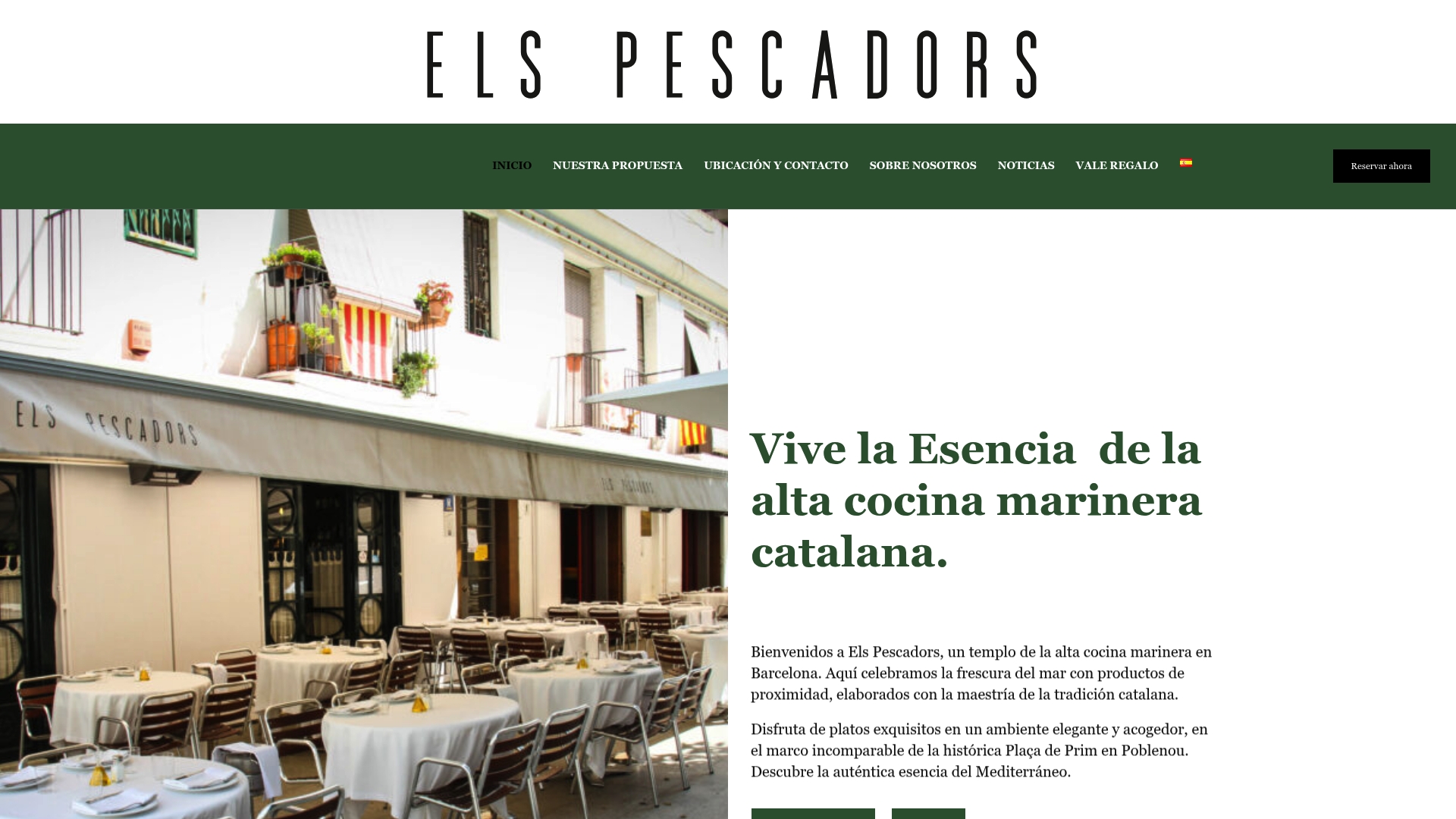
At Els Pescadors, we cook Catalan maritime cuisine in Plaça de Prim, in Poblenou, and rossejat is exactly the kind of dish we understand. It starts with the sea, is shaped by a technique and is finished with restraint.
We build our cooking around fresh fish, seafood and traditional rice dishes made with seasonal, local ingredients. For us, a dish like rossejat shows why the broth matters more than any garnish: a concentrated fumet, built from the day’s fish, is what gives toasted noodles or rice their character.
That is why we believe the best way to eat this style of food is at a table where the menu follows the catch. Our Carta del Día changes with what comes in, and our seasonal and tasting menus let you taste several preparations in one meal. We think that is the most honest way to understand Catalan coastal cooking: one dish at a time, each one with a reason.
YellowRock
Taste Catalan maritime cooking at Els Pescadors
If this dish has made you curious about the cooking of the Catalan coast, we would be glad to host you in Poblenou. Our Menú de Temporada is offered at 39 € per person and follows the season. For a longer meal, see our tasting menu, or browse La Carta for fish, seafood and rice dishes.
Coming with a group or planning a celebration? Our group menus are designed for shared tables. For the day’s changing offer, see the Carta del Día, and to explore what else the Catalan coast has to offer on a plate, read about unique fish preparations in Barcelona or traditional Spanish seafood dishes.
FAQ
What is rossejat in simple terms?
Rossejat is a Catalan and Valencian coastal dish of thin noodles browned in oil and then cooked in fish broth until dry. The name comes from rossejar, to brown, according to Festes.org. Think of it as a paella made with noodles in place of rice.
Are rossejat noodles the same as fideuà?
Not exactly, but the names overlap. The classic distinction is that rossejat uses very fine noodles toasted first and finishes dry, while Gandia-style fideuà uses thicker noodles and is made like a seafood paella. In Catalan restaurants, however, fideuà is often the name given to rossejat-style dishes, as Jaume Fàbrega explains.
What do you eat with rossejat?
Allioli is the classic accompaniment, as the EL PAÍS recipe notes. Variations add garlic, picada, squid or prawns. A simple seafood starter and a glass of white wine suit it well.
Where does rossejat come from?
It is a dish of the Catalan and Valencian coasts, especially associated with the Ebro Delta and with fishermen who cooked with inexpensive fish. It is also made in Castellón and northern Valencia, according to EL PAÍS.
How long does it take to toast the noodles?
The Tarragona Romesco account gives about five minutes of constant stirring to reach an even toasted color. The key is steady heat and constant movement so the noodles brown without burning.
Sources
- El rossejat, Festes.org
- Diccionari normatiu valencià, rossejat
- Rossejat de fideus, EL PAÍS
- Toasted noodles, Tarragona Romesco
- Què és, realment, la fideuà, Jaume Fàbrega
- Seafood fettuccine recipe