Iconic Catalan desserts are defined by centuries-old recipes, prized local ingredients, and a deep connection to regional celebrations. From the caramelized crust of Crema Catalana to the almond-scented Panellets eaten on All Saints’ Day, these sweets carry the cultural identity of an entire region. Catalonia’s dessert tradition is not a footnote to its cuisine. It is the punctuation mark at the end of every great meal. This guide covers the most celebrated traditional Catalan sweets, explains what makes each one worth seeking out, and gives you the pairing knowledge to enjoy them the way locals do.
1. What makes Crema Catalana Catalonia’s most famous dessert?
Crema Catalana is the most iconic Catalan dessert, built on a cinnamon and lemon zest-flavored custard topped with a caramelized sugar crust and served at room temperature. Its origins trace back to the 14th-century cookbook Llibre de Sent Soví, making it one of the oldest documented desserts in European culinary history. The burnt sugar topping was first formally documented in 1770, though the dessert itself predates that record by centuries.
Crema Catalana is older than French crème brûlée. It uses cornstarch rather than cream as a thickener, and lemon and cinnamon rather than vanilla, which produces a lighter, more citrus-forward custard. That difference in technique and flavor is not subtle. It is the reason locals bristle when the two are treated as interchangeable.
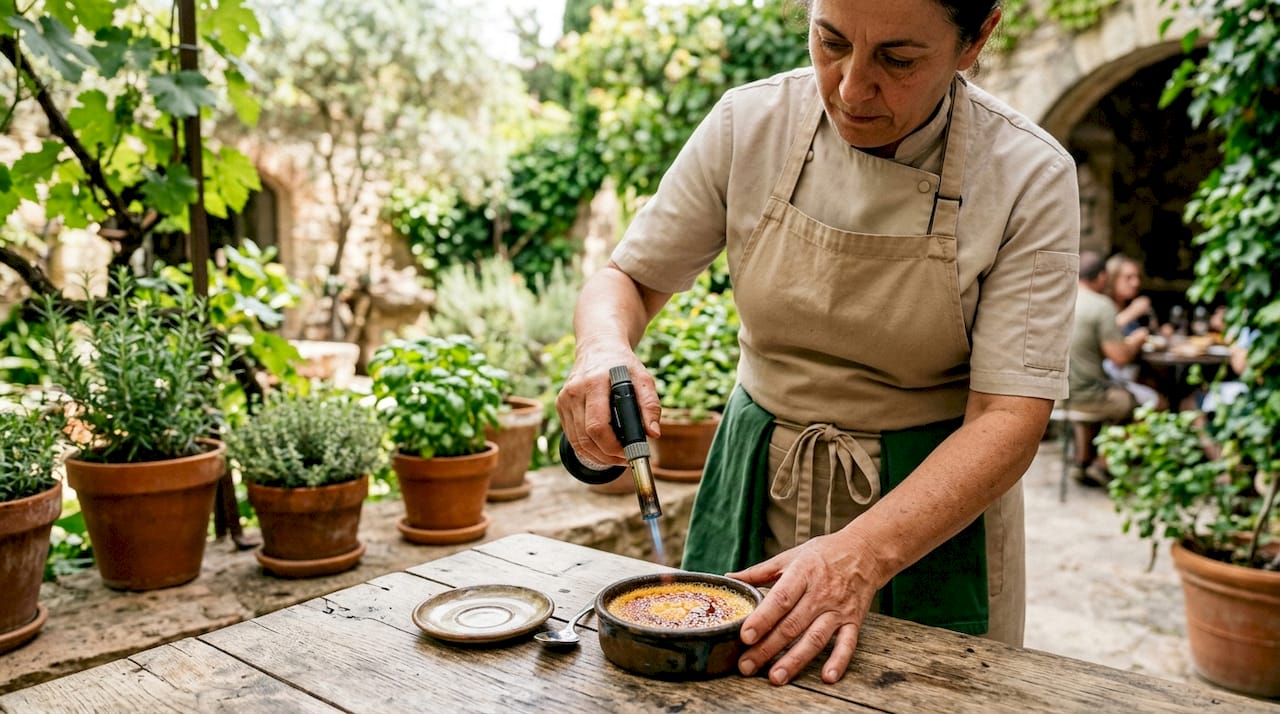
The sensory contrast between warm caramel and cool custard is the entire point of the dish. Poor execution collapses that contrast. A watery custard or a bitter, over-torched crust destroys what makes the dessert worth eating.
Key characteristics that define an authentic version:
- Custard base: Thickened with cornstarch, infused with cinnamon and lemon zest
- Crust: Caramelized sugar torched immediately before serving, never in advance
- Temperature: Cool custard beneath a warm, brittle crust
- Flavor profile: Citrus-forward with warm spice, lighter than French-style custard
Pro Tip: Torch the sugar no more than two minutes before the dessert reaches the table. Any longer and the crust softens, losing the textural contrast that defines the dish.
2. Panellets: Catalonia’s almond-based festival sweets
Panellets are traditional Catalan almond paste sweets coated in pine nuts and eaten during All Saints’ Day in early november. Each piece weighs around 35 grams. The combination of toasted pine nuts on the outside and moist almond paste on the inside is what separates a well-made Panellet from a dry, crumbling imitation.
The ingredient list is short: almond flour, sugar, and a cooked potato or sweet potato binder. That binder is the detail most home cooks overlook. Cooked potato holds the almond paste together while keeping the interior soft, creating the textural contrast that makes Panellets so satisfying. Without it, the paste dries out during baking.
Almonds carry symbolic weight in Catalan culinary history. They appear in medieval recipes and remain a cornerstone of the region’s pastry tradition. Eating Panellets on All Saints’ Day is not just a food habit. It is a ritual that connects families to generations of Catalan bakers.
A simplified preparation process:
- Cook and mash potato until completely smooth
- Combine with almond flour and sugar to form a firm paste
- Roll into small balls, roughly 35 grams each
- Press pine nuts firmly onto the surface, covering completely
- Brush with egg yolk for even browning
- Bake at high heat until pine nuts are golden and fragrant
Pro Tip: Press the pine nuts firmly into the paste before baking. Loosely attached nuts fall off in the oven and brown unevenly, leaving bare patches on the finished sweet.
3. Exploring other must-try traditional Catalan sweets
Catalonia’s dessert tradition extends well beyond Crema Catalana and Panellets. Several other sweets carry equal cultural weight and deserve a place on any serious food traveler’s list.
-
Mel i Mató: Fresh goat cheese drizzled with honey is one of the oldest and most honest desserts in the Catalan repertoire. Mató cheese resembles ricotta in texture but carries a slightly tangier flavor from goat’s milk. The dessert reflects a medieval culinary philosophy: let high-quality local ingredients speak without interference. No sugar, no spice, no technique beyond sourcing well.
-
Xuixo: A fried dough pastry filled with custard cream and rolled in sugar, Xuixo became popular in Girona in the 1920s and has since spread across Catalonia. The exterior is crisp and golden. The interior is soft and rich with pastry cream. It is the kind of pastry that rewards eating warm, ideally from a bakery that makes them fresh each morning.
-
Coca: This brioche-style pastry appears in many forms across Catalonia, but the version associated with St. John’s Eve in late june is the most celebrated. Topped with candied fruit, pine nuts, and sugar, Coca de Sant Joan is eaten at midnight to mark the summer solstice. It is less sweet than it looks and more aromatic than most travelers expect.
-
Mona de Pascua: An Easter pastry with deep decorative tradition, the Mona de Pascua was historically given by godparents to godchildren on Easter Sunday. Modern versions range from simple sponge cakes decorated with chocolate eggs to elaborate sculptural creations built by pastry chefs. The decoration is as important as the flavor. Barcelona’s pastry shops compete openly on the artistry of their Monas each spring.
Each of these sweets connects to a specific moment in the Catalan calendar. Eating them outside their season is possible, but eating them at the right time, in the right place, is a different experience entirely. Understanding Catalan culinary tradition gives these desserts their full meaning.
4. How to enjoy and pair iconic Catalan desserts
Pairing and serving conditions matter as much as the recipe itself. A Crema Catalana served too cold loses its aromatic complexity. A Panellet eaten without something to drink feels dense and dry. Getting these details right separates a good tasting experience from a great one.
For Crema Catalana, the two best beverage pairings are Cava Semi Seco and Vi Ranci. Cava’s fine bubbles and residual sweetness lift the custard’s richness without overpowering the lemon and cinnamon. Vi Ranci, an oxidized Catalan wine with nutty, toffee-like notes, mirrors the caramel crust and adds depth to the pairing. Both options are produced in Catalonia, which makes the pairing feel like a complete regional experience.
Locals distinguish Crema Catalana from flan, preferring the latter in hot summers for its colder, denser texture. Crema Catalana remains a year-round staple, but flan fills a specific seasonal role. Knowing this distinction helps travelers order with confidence rather than guessing.
Practical tips for finding authentic versions:
- Seek out established local pastry shops rather than tourist-facing cafés near major landmarks
- Ask whether Crema Catalana is made in-house. Pre-made versions lack the fresh citrus aroma
- For Panellets, buy from a traditional confectionery in late october or early november, when batches are freshest
- Avoid places that serve Crema Catalana cold throughout. The crust should still be warm when it arrives
Pro Tip: Pair Panellets with a strong black coffee or a glass of Moscatel. The bitterness of the coffee cuts through the almond sweetness and makes each piece taste cleaner.
5. Comparison of key iconic Catalan desserts
The table below compares the most celebrated traditional Catalan sweets across five dimensions. Use it as a quick reference before ordering or planning a tasting experience.
| Dessert | Key Ingredients | Occasion | Texture | Best Pairing |
|---|---|---|---|---|
| Crema Catalana | Custard, lemon zest, cinnamon, sugar | Year-round | Crisp crust, creamy interior | Cava Semi Seco, Vi Ranci |
| Panellets | Almond flour, sugar, potato, pine nuts | All Saints’ Day | Crunchy exterior, moist center | Black coffee, Moscatel |
| Mel i Mató | Fresh goat cheese, honey | Year-round | Soft, creamy | Light white wine, herbal tea |
| Xuixo | Fried dough, custard cream, sugar | Year-round | Crisp outside, soft inside | Coffee, hot chocolate |
| Coca de Sant Joan | Brioche dough, candied fruit, pine nuts | St. John’s Eve | Light, airy | Cava Brut, sparkling water |
| Mona de Pascua | Sponge cake, chocolate, decorative elements | Easter | Soft, layered | Dessert wine, coffee |
The local ingredient philosophy behind each of these desserts is consistent. Catalonia’s pastry tradition prioritizes seasonal, regional produce over imported flavors or industrial shortcuts. That commitment shows up in the flavor of every item on this list.
Key takeaways
Iconic Catalan desserts are defined by local ingredients, seasonal rituals, and preparation techniques that have remained largely unchanged for centuries.
| Point | Details |
|---|---|
| Crema Catalana predates crème brûlée | It uses cornstarch and citrus, not cream and vanilla, producing a lighter custard. |
| Panellets require a potato binder | Cooked potato keeps the almond paste moist and prevents crumbling during baking. |
| Pairing elevates the experience | Cava Semi Seco and Vi Ranci are the best matches for Crema Catalana’s flavor profile. |
| Seasonality defines authenticity | Most iconic sweets are tied to specific festivals and taste best eaten at the right time of year. |
| Local shops outperform tourist spots | Established Catalan confectioneries consistently deliver better texture and fresher ingredients. |
What eating Catalan desserts taught me about the region
The first time I ordered Crema Catalana at a neighborhood restaurant in Barcelona, I made the mistake of letting it sit too long before cracking the crust. By the time I got to it, the caramel had softened and the contrast was gone. The dessert was still good. But I had missed the point. That experience taught me something about Catalan food culture that no guidebook explained clearly: timing is not a preference here. It is part of the recipe.
What strikes me most about these sweets is how little they rely on novelty. Mel i Mató is fresh cheese and honey. Panellets are almond paste and pine nuts. The simplicity of Mel i Mató is not a limitation. It is a statement about what Catalan cooks have always believed: that a great ingredient needs almost nothing done to it.
Travelers who approach Catalan desserts as a checklist miss the deeper experience. The Mona de Pascua is not just an Easter cake. It is a godparent handing something handmade to a child. The Coca de Sant Joan is not just a pastry. It is a neighborhood eating together at midnight in june. Eating these sweets in context, at the right moment, in the right place, is what makes them genuinely memorable.
My honest recommendation: skip the tourist-facing spots near La Rambla and find a confectionery that has been operating for decades. The difference in quality is not marginal. It is the difference between understanding what the fuss is about and wondering why anyone bothered.
— YellowRock
A full Catalan meal deserves a proper finish at Elspescadors
Elspescadors, located in the historic Poblenou district of Barcelona, builds its menus around the same ingredient philosophy that defines the best Catalan desserts: seasonal, local, and prepared with respect for tradition. After a meal of fresh seafood and authentic Catalan dishes, the dessert course arrives as a natural conclusion rather than an afterthought.
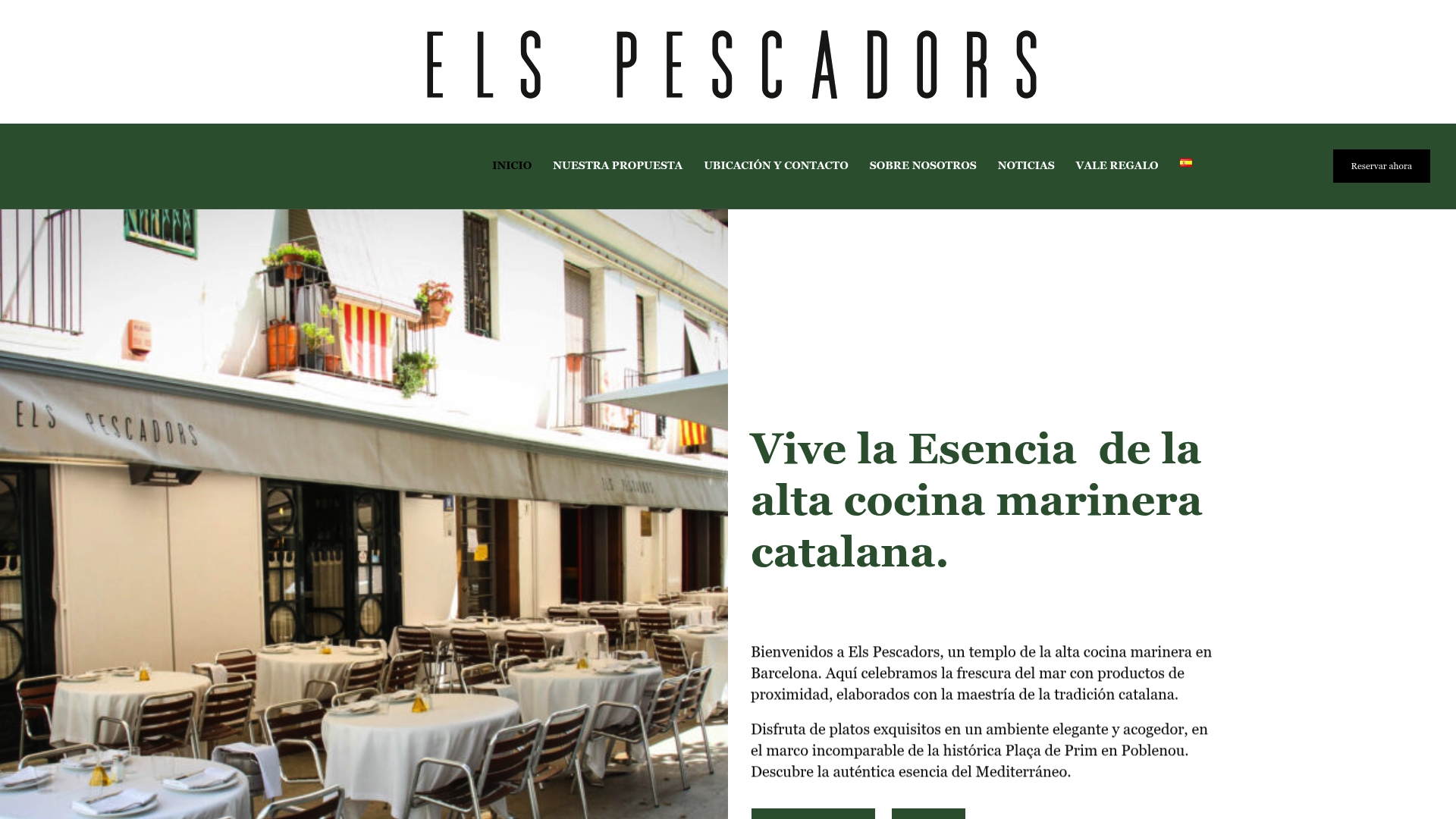
The restaurant’s dining proposal reflects the full arc of Catalan cuisine, from the first course to the final sweet. Whether you are visiting Barcelona for the first time or returning to deepen your knowledge of the region’s food culture, Elspescadors offers the kind of experience where every course, including dessert, earns its place on the table. Reservations are available directly through the website.
FAQ
What is the most famous Catalan dessert?
Crema Catalana is the most famous Catalan dessert, featuring a cinnamon and lemon zest custard topped with a caramelized sugar crust. Its origins date back to 14th-century Catalan cookbooks.
How is Crema Catalana different from crème brûlée?
Crema Catalana uses cornstarch as a thickener and is flavored with lemon and cinnamon, while crème brûlée uses cream and vanilla. Crema Catalana is also served at room temperature rather than chilled.
When are Panellets traditionally eaten in Catalonia?
Panellets are eaten during All Saints’ Day in early november. They are made from almond flour, sugar, and a cooked potato binder, then coated in pine nuts and baked until golden.
Are churros considered a traditional Catalan dessert?
Churros are not specifically Catalan. Locals regard them as a general Spanish snack rather than part of the traditional Catalan sweet repertoire, which centers on desserts like Crema Catalana and Mel i Mató.
What wine pairs best with Crema Catalana?
Cava Semi Seco and Vi Ranci are the best pairings for Crema Catalana. Cava’s bubbles and sweetness balance the custard’s richness, while Vi Ranci adds nutty, toffee-like notes that complement the caramel crust.