Standing in front of a Barcelona tapas bar menu covered in Catalan terms, with a server waiting and tables filling up fast, is not the moment to figure out your workflow for ordering authentic Catalan dishes. Most travelers guess wrong: they order everything at once, pick the wrong version of a dish, or miss entirely that pa amb tomàquet sitting on the counter was made an hour ago and should not be touched. This guide gives you the practical ordering system locals use, with specific attention to seafood and rice specialties like fideuà that require a different approach than your typical tapas order.
Table of Contents
- Key Takeaways
- Your workflow for ordering authentic Catalan dishes starts here
- Step-by-step ordering at tapas bars and casual eateries
- Ordering seafood and rice specialties with confidence
- Navigating set menus and reservations
- Common ordering mistakes and how to avoid them
- My honest take on ordering like a local
- Experience authentic Catalan seafood at Els Pescadors
- FAQ
Key Takeaways
| Point | Details |
|---|---|
| Order in small batches | Start with 2-3 dishes, then reorder based on appetite to maintain freshness and avoid waste. |
| Freshness defines authenticity | Pa amb tomàquet must be assembled moments before eating; pre-made versions are not the real thing. |
| Order fideuà early | This noodle dish takes time to prepare properly; placing the order first secures a fresh result. |
| Use menú del día at lunch | Weekday fixed-price lunch menus offer the most authentic and budget-friendly Catalan dining. |
| Reserve for seafood restaurants | Popular spots require advance booking; casual tapas bars are typically walk-in friendly. |
Your workflow for ordering authentic Catalan dishes starts here
Before you can order well, you need to know what you are actually ordering. Catalan cuisine is not Spanish cuisine in a regional accent. It has its own logic, its own flagship dishes, and its own dining culture that directly shapes how and when you order.
The dishes you need to recognize
Pa amb tomàquet is the starting point of almost every Catalan meal. Toasted bread rubbed with ripe tomato, drizzled with olive oil, and finished with salt. The key word is “rubbed.” A good version is assembled moments before serving, not spread from a bowl of pre-made paste. If the bread is soggy, it sat too long.
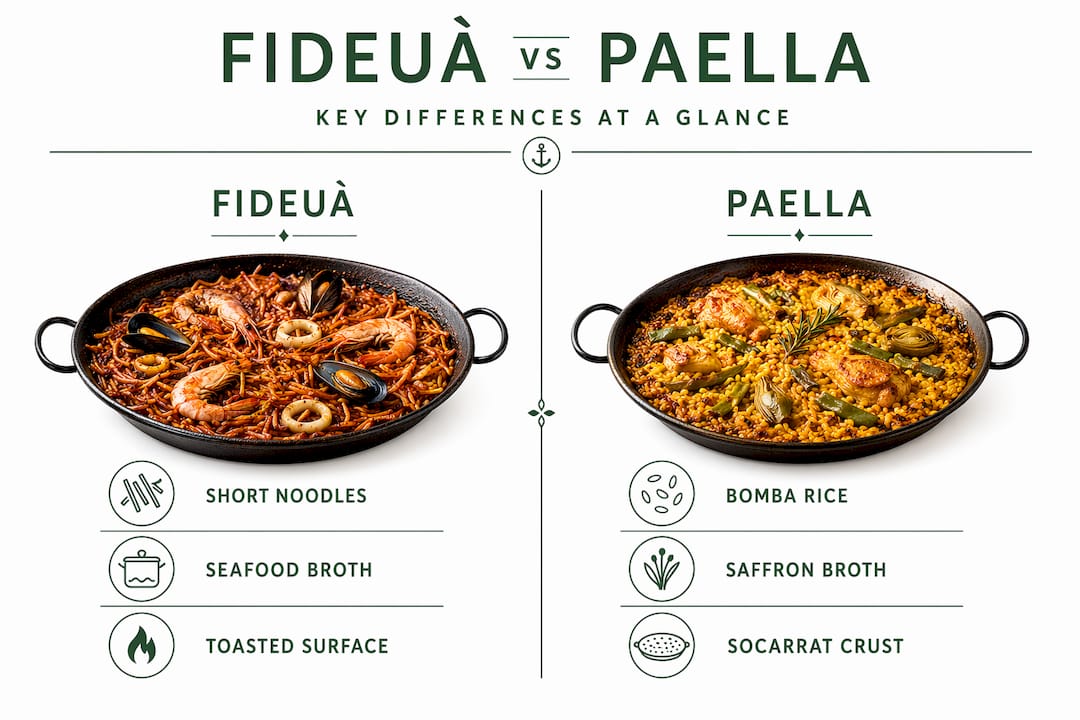
Fideuà looks like paella but uses short toasted noodles instead of rice, cooked in seafood broth with a crispy bottom layer called socarrat. It is traditionally served communally from the pan with aioli on the side. Many tourists never encounter it because they default to paella without asking. That is a mistake worth correcting.
Beyond these two, Catalan tapas culture involves:
- Croquetes (salt cod or jamón, not just cheese)
- Bombas (meat-filled potato balls unique to Barcelona’s Barceloneta beach)
- Gambes a la planxa (grilled prawns with olive oil and salt)
- Fresh razor clams, mussels, and sea urchin depending on season
How Catalan dining actually works
Food comes out as it is ready, not in coordinated courses. A plate of mussels may arrive before your bread. That is normal. You order in waves rather than all at once, and the kitchen moves at its own pace. Meal timing also matters: lunch is the main event in Catalonia, typically from 2 to 4 PM, and dinner runs late, rarely starting before 9 PM.
Step-by-step ordering at tapas bars and casual eateries
This is the practical part. The steps for authentic Catalan meals at a casual bar are straightforward once you know the local rhythm.
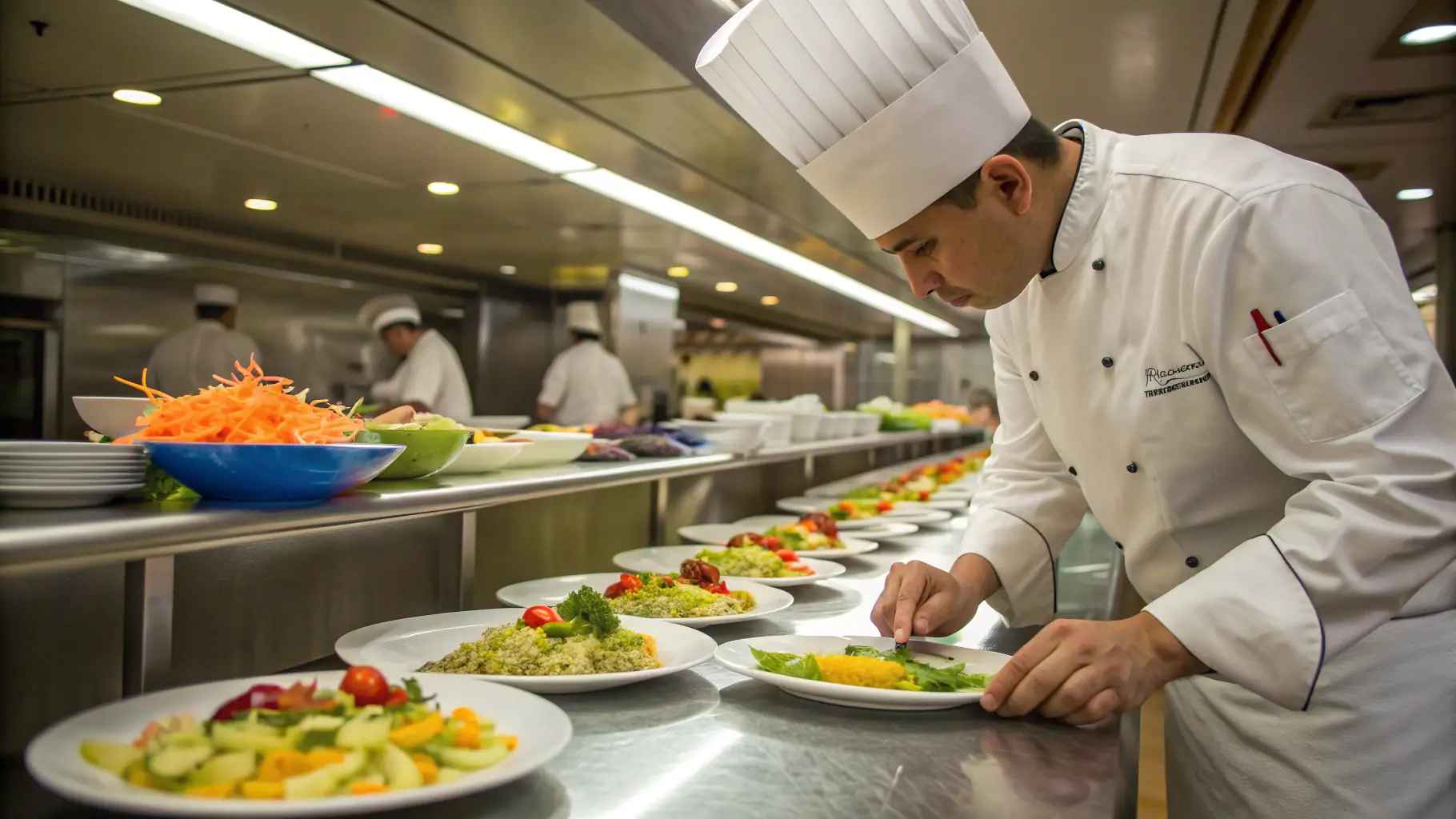
- Scan before you sit. Many bars display daily specials on chalkboards or inside glass cases. Walk past the counter before you order. This tells you what is fresh today and what the kitchen is proud of.
- Order 2-3 dishes to start. The local approach is to order small batches first, eat, assess your appetite, then order more. This keeps everything fresh and prevents the table from filling up with food that cools before you reach it.
- Ask about made-to-order dishes. For pa amb tomàquet, ask “és fresc?” (is it fresh?). For anything you suspect was pre-made, pointing at the counter and asking if it is from today is always acceptable. Locals do it too.
- Point when language fails. Most casual bars expect tourists. Pointing at a chalkboard item or a neighbor’s plate is not rude. It is practical and often results in better food than pronouncing a dish incorrectly.
- Reorder in rounds. After your first plates arrive, order the next round. The workflow locals use involves gradual reordering rather than front-loading the table. It also gives you room to adjust if one dish disappoints.
- Pay at the end, not per dish. In casual tapas bars, you settle the full bill at the end of the meal. Tipping is voluntary and small: rounding up or leaving €1-2 is standard. For mid-range spots, 5 to 10 percent is appropriate. You will not find mandatory service charges at most casual places.
Pro Tip: If the bar has a printed menu and a chalkboard, order from the chalkboard. That is today’s haul. The printed menu is what they always have. The chalkboard is what they are excited about.
Ordering seafood and rice specialties with confidence
This section covers the dishes that most reward patient, informed ordering. Seafood and noodle specialties are not items you grab as an afterthought.
Fideuà vs. paella: what to order and why
Both are cooked in a flat pan. Both involve seafood and broth. The difference is in the noodle. Fideuà uses short, thin noodles that are toasted before cooking to develop a nutty depth that rice cannot replicate. The broth goes in hot, all at once, and the dish is never stirred. That final high-heat finish creates the socarrat at the bottom, the slightly crispy, caramelized layer that separates a good fideuà from a mediocre one.
| Feature | Fideuà | Paella |
|---|---|---|
| Base ingredient | Short toasted noodles | Rice |
| Characteristic texture | Crispy socarrat bottom | Crispy socarrat bottom |
| Typical accompaniment | Aioli | Optional alioli |
| Preparation time | 30 to 40 minutes | 25 to 35 minutes |
| Ordering priority | Order first | Order first |
How to order these dishes the right way
Order fideuà the moment you sit down. It takes 30 to 40 minutes from start to finish when prepared properly, and ordering fideuà early guarantees you get a fresh version rather than one sitting on a warming tray. Confirm they make it to order: “Ho fan al moment?” means “Do you make it to order?”
When it arrives, ask for the aioli separately if it is not already on the table. Stir it in gradually. Some locals eat fideuà plain and use the aioli as a dipping sauce for the crustaceans on top rather than mixing it through the entire dish.
For fresh shellfish, look for seasonal seafood on the specials board. Clams, prawns, razor clams, and cuttlefish all shift with the season. A good seafood restaurant in Barcelona will always have something different in April than in October, and that variety is a sign of quality, not inconsistency.
Pro Tip: If a restaurant offers paella and fideuà at the same price with a 10-minute delivery time, the kitchen is not making either from scratch. Authentic versions take time. That wait is the quality signal.
Navigating set menus and reservations
Understanding the menú del día transforms how you eat in Barcelona, especially if you are spending more than a couple of days.
What menú del día actually includes
The menú del día is a fixed-price lunch offered Monday through Friday, typically priced between €12 and €18. For that price you get:
- A first course (soup, salad, or vegetable dish)
- A second course (fish, meat, or rice specialty)
- Dessert or coffee
- Bread and sometimes a drink
This is how most working locals eat on weekdays. Ordering it puts you directly in local dining culture and often unlocks dishes that are not on the regular à la carte menu. The menú del día beats à la carte on both price and authenticity.
When to reserve and when to walk in
Casual tapas bars and neighborhood spots rarely require reservations. Show up, find a spot at the bar, and order. Fine seafood restaurants, especially those that specialize in fideuà or tasting menus, are a different situation entirely. Reservations are required at top-tier spots, often days in advance on weekends. Platforms like TheFork work well in Barcelona and often offer discounts on listed restaurants.
For anyone serious about reserving at top seafood spots, booking by phone or through a restaurant’s website is more reliable than third-party apps for securing specific time slots or requesting particular dishes in advance.
Common ordering mistakes and how to avoid them
Even well-prepared travelers slip up. These are the most frequent problems and how to handle them.
- Ordering pa amb tomàquet without checking freshness. If the bread looks wet and deflated before it reaches you, it was made ahead. A fresh version has crunch. Ask, and if the answer is unclear, order it anyway and note the difference for next time.
- Treating tapas like courses. Tapas do not arrive in order. The kitchen sends them out as they are ready. Expecting a sequence causes unnecessary frustration.
- Confusing fideuà with generic paella. Many tourist-facing restaurants offer “seafood paella” that is rice with frozen shellfish. Fideuà, when authentic, requires actual noodle-toasting skill. Ask whether the kitchen makes fideuà, not whether they have paella.
- Over-tipping or under-tipping from confusion. In casual spots, rounding up your bill is standard. Leaving 20 percent marks you immediately as a tourist. Leaving nothing when service was attentive is considered dismissive.
- Ordering the entire menu at once. This is the most common tourist mistake at tapas bars. The kitchen fills your table immediately and nothing stays hot or fresh. Order gradually.
Pro Tip: When in doubt about a dish, ask the server what the kitchen is making fresh today. Phrase it as curiosity, not complaint. In Catalan food culture, that question is a compliment.
My honest take on ordering like a local
I’ve eaten fideuà in a dozen places across Barcelona and the surrounding coast, and the single biggest dividing line between a memorable meal and a forgettable one has never been the restaurant’s star rating. It has been pacing.
When I order the way locals do, starting with one or two dishes, sitting with them, then asking what else is coming out of the kitchen today, the meal transforms. It stops being a transaction and becomes a conversation with the food. I’ve found that the chalkboard specials at a modest Poblenou bar have beaten the printed menus at higher-end spots more times than I can count.
The thing most travelers miss about authentic Catalan dining is that the rituals around ordering are as meaningful as the food itself. Watching a server rub a raw tomato directly onto bread at the table is not theater. It is the point. Rushing past that moment to get to the main course misses what Catalan food is actually about.
My strongest advice: when you sit down at a good seafood restaurant, tell them you want to eat the way they eat. That sentence alone will get you better food than any menu navigation trick.
— YellowRock
Experience authentic Catalan seafood at Els Pescadors
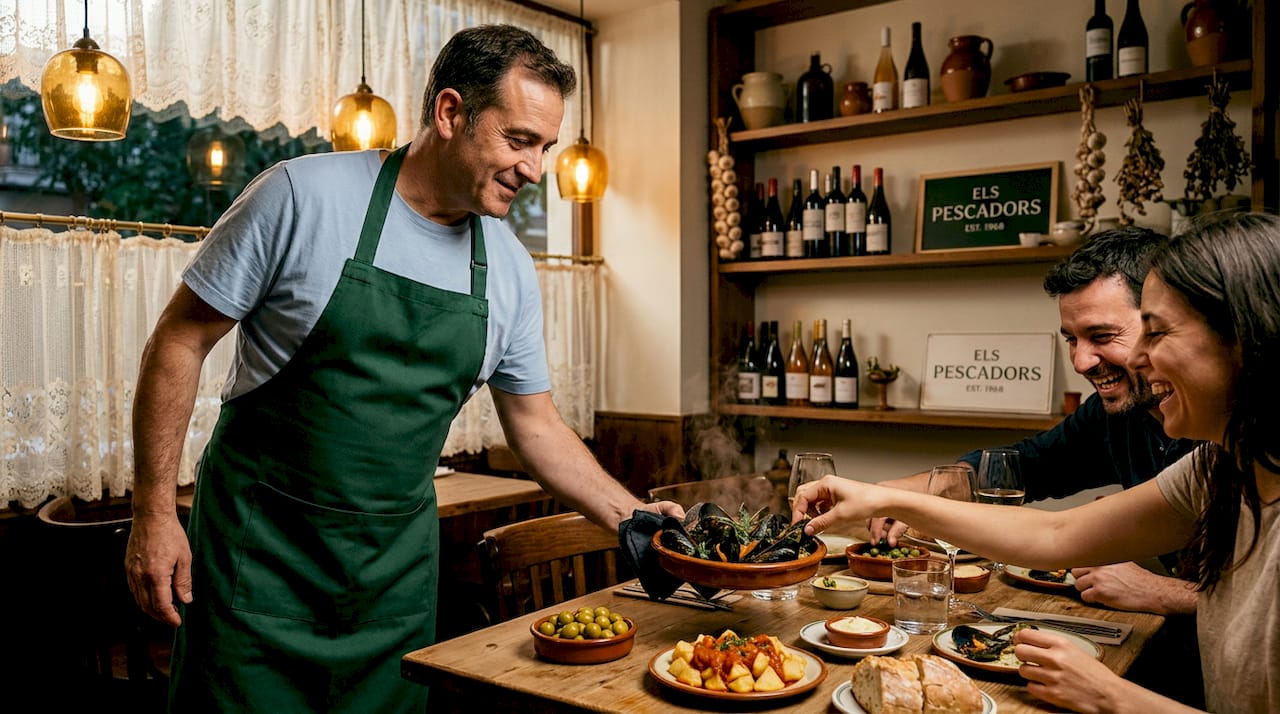
If you want to skip the guesswork entirely and experience the dishes described in this guide prepared the way they were meant to be made, Els Pescadors in Barcelona’s Poblenou district is where that happens. The restaurant focuses on authentic Catalan maritime cuisine, with a menu built around daily fresh catch, traditional rice dishes, and seasonal seafood sourced locally.
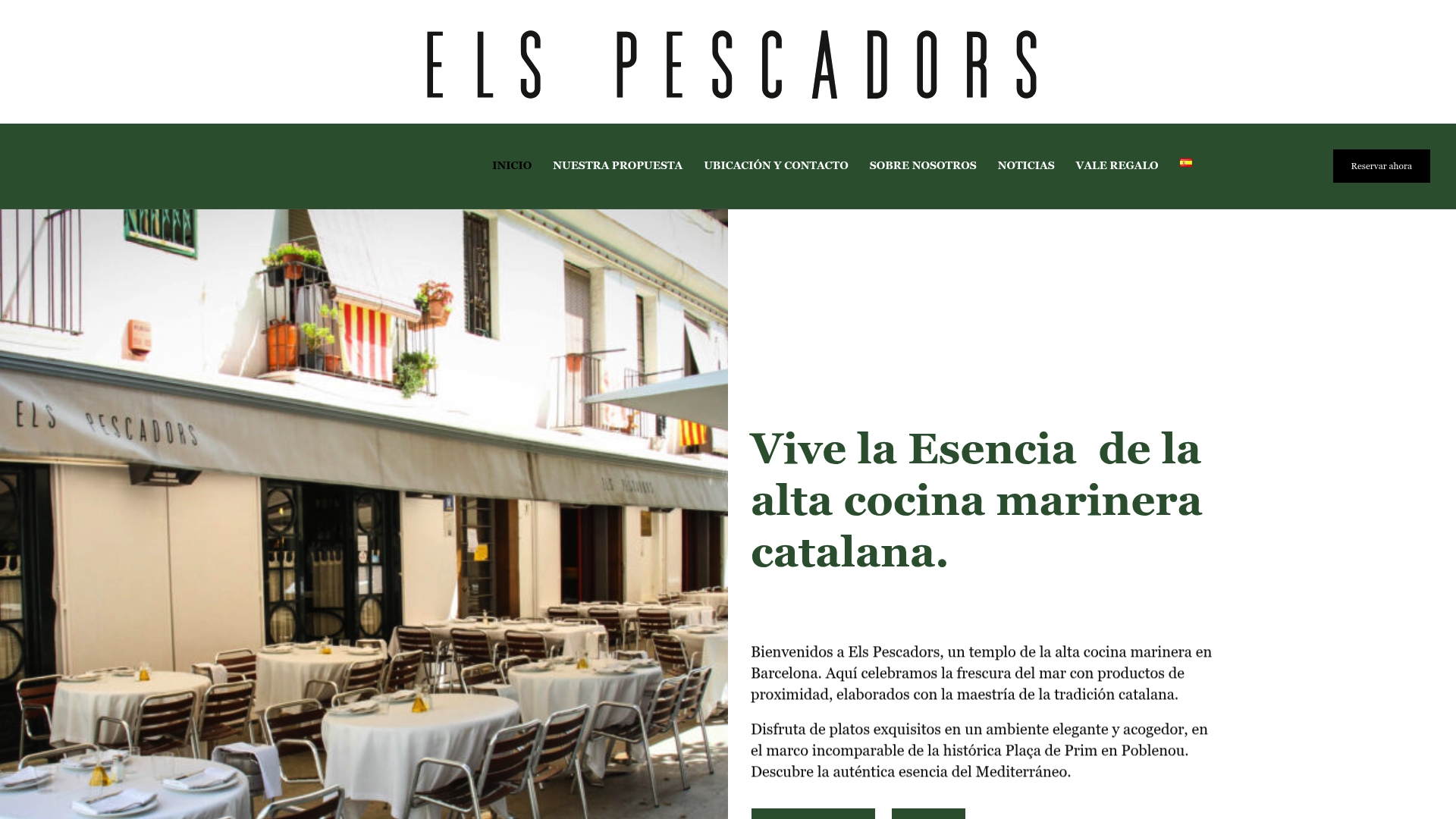
Els Pescadors offers tasting menus alongside à la carte options, making it one of the few places in Barcelona where you can experience the full range of Catalan seafood flavors in a single sitting. The setting at Plaça de Prim adds a layer of quiet authenticity you will not find in the tourist-heavy center of the city. Explore the types of Catalan seafood featured on their menu before you visit, and use their reservation guide to secure your table.
FAQ
What is the best way to start ordering at a Catalan tapas bar?
Order 2 to 3 small dishes first, eat them, then reassess and order more. This local approach keeps food fresh and lets you pace the meal naturally.
How do I know if pa amb tomàquet is authentic?
Authentic pa amb tomàquet is assembled to order, with tomato rubbed directly onto toasted bread moments before serving. Soggy or pre-spread versions are not the real thing.
What is fideuà and how is it different from paella?
Fideuà is a Catalan and Valencian seafood dish made with short toasted noodles instead of rice, cooked in seafood broth with a crispy socarrat layer, and served with aioli.
When should I make a reservation at a seafood restaurant in Barcelona?
Reserve in advance for fine seafood restaurants, especially on weekends. Most casual tapas bars are walk-in friendly and do not require bookings.
What does menú del día include and why should I order it?
The menú del día is a fixed-price weekday lunch offering 2 to 3 courses plus bread, typically priced between €12 and €18. It is the most authentic and cost-efficient way to eat Catalan food the way locals do.