Most visitors land in Barcelona and head straight to La Barceloneta for seafood, never realizing that one neighborhood over, a richer and more honest food story has been playing out for generations. Poblenou sits quietly east of the city center, and its culinary heritage grew not from tourist demand but from the hard hands of factory workers and fishermen who needed to eat well after long, exhausting days. What emerged is something rare: a food culture shaped equally by the sea and by industrial community life, producing dishes that are deeply personal, technically precise, and almost completely unknown outside the neighborhood itself.
Table of Contents
- Unpacking Poblenou’s culinary heritage
- Family-run icons: Living history on your plate
- From sea to table: Poblenou’s maritime soul
- What truly defines Poblenou’s culinary identity?
- Our take: Why Poblenou’s flavor is more than nostalgia
- Continue your Poblenou culinary journey
- Frequently asked questions
Key Takeaways
| Point | Details |
|---|---|
| Industrial-meets-maritime roots | Poblenou’s food scene fuses old industry, neighborhood life, and Mediterranean fishing culture. |
| Living traditions, not labels | Culinary heritage here is kept alive by family-run spots and generational recipes, not official definitions. |
| Seafood and rice as pillars | Signature rice and seafood dishes remain central to Poblenou’s vibrant dining culture. |
| Experience is local, not touristy | The most authentic flavors are found in neighborhood bars and eateries patronized mainly by locals. |
Unpacking Poblenou’s culinary heritage
There is no official certificate, no UNESCO plaque, and no city-issued label that marks Poblenou as a culinary heritage zone. The food traditions here are practiced, not prescribed. They live in the recipes that grandmothers pass to daughters, in the techniques that a cook refines over forty years behind the same stove, and in the unspoken agreement among regulars that a certain dish must taste exactly the way it always has.
The forces that built this food culture were physical and social. Poblenou was Barcelona’s industrial engine from the mid-19th century through much of the 20th, earning the nickname “the Manchester of Catalonia.” Factories processed food, textiles, and chemicals side by side. Workers needed affordable, filling meals close to their jobs. Meanwhile, fishing families working the Mediterranean coastline brought in daily catches that fed the neighborhood long before seafood became fashionable restaurant fare.
“Poblenou’s culinary heritage stems from its industrial past including food processing facilities and its maritime proximity fostering seafood and rice-based Catalan traditions.”
This combination created a distinctive pantry. The staple ingredients that define Poblenou cooking are not exotic or imported. They are:
- Short-grain rice, cooked in fish stock or shellfish broth to develop deep, savory flavor
- Fresh Mediterranean seafood, from red mullet and cuttlefish to prawns and clams
- Local vegetables, including tomatoes, onions, and peppers used in the sofregit (the slow-cooked tomato and onion base fundamental to Catalan cuisine)
- Legumes and cured meats, remnants of the working-class larder that made modest ingredients stretch into satisfying meals
Understanding Catalan cuisine traditions helps you read a Poblenou menu correctly. When you see arròs negre (black rice cooked in squid ink), you are looking at a dish that fishermen made from the parts of the catch that did not sell at market. The best wine pairing with Catalan dishes like this tends toward crisp whites or light Penedès reds that let the seafood flavors speak without competing.
| Ingredient | Origin in Poblenou | Typical preparation |
|---|---|---|
| Short-grain rice | Maritime and agricultural tradition | Cooked in seafood stock, dry or soupy |
| Cuttlefish | Local Mediterranean fishing | Grilled, braised, or used in rice and stews |
| Sofregit base | Catalan home cooking | Slow-cooked tomato, onion, garlic |
| Salt cod (bacallà) | Historical preservation method | Rehydrated and prepared multiple ways |
| Vermút herbs | Worker-bar culture | Served as an aperitif with olives and anchovies |
Now that we know Poblenou’s food scene emerged from unique local forces, let’s explore how these influences materialize at iconic venues.
Family-run icons: Living history on your plate
The venues that best represent Poblenou’s food identity are not the ones with the longest menus or the most polished interiors. They are the ones where the owner knows every regular by name, where the daily special depends on what arrived fresh that morning, and where the recipe for the house rice has not changed since the restaurant opened.
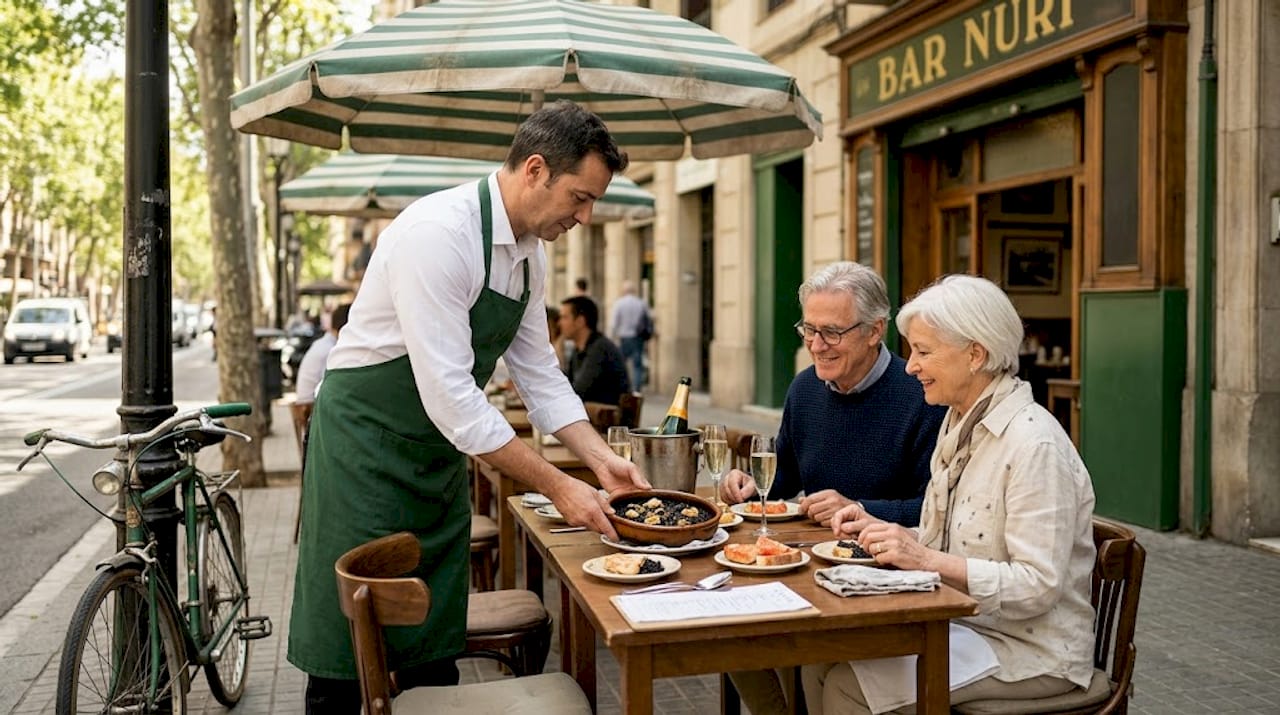
Bar Nuri, located on the Rambla del Poblenou, has been serving emblematic rice dishes and small plates honoring family culinary history since 1962. Sitting on its terrace on a Saturday afternoon with a plate of arròs a banda (rice cooked separately from its fish in a rich stock) is one of those experiences that reminds you why food culture matters. The dish has not been updated for modern palates. It has simply been made correctly, every time, for over sixty years.
La Pubilla del Taulat tells a different but equally important story. Its menu of croquetas (creamy béchamel-filled croquettes), gildas (a pintxo of olive, pepper, and anchovy), tortilla de patatas (Spanish potato omelette), and vermú (vermouth) maps directly onto the eating habits of the working-class families who built this neighborhood. Every item on that menu is a small historical document.
Here is a practical approach for finding the best of this category when you visit:
- Walk the Rambla del Poblenou from the seafront toward the Eixample end, stopping at any terrace that has a handwritten daily menu posted outside. This signals home cooking rather than packaged tourism fare.
- Ask what the rice of the day is. Most serious local spots in Poblenou offer one or two rice preparations that change based on available ingredients. If the server needs to check with the kitchen, that is a good sign.
- Order the house vermouth before lunch. This is a neighborhood ritual, not a tourist performance. It tells you a great deal about how the establishment treats its regulars.
- Avoid places with photographs of every dish on the menu. These menus almost always signal food made for people who have no intention of ever returning, which is the opposite of what Poblenou’s food culture is built on.
- Come back a second time. The best neighborhood bars in Poblenou are not fully understood on a first visit. The food often tastes better when you are recognized at the door.
Comparison: Family-run neighborhood spots vs. tourist-facing restaurants in Barcelona
| Feature | Poblenou neighborhood spots | Tourist-facing restaurants |
|---|---|---|
| Menu changes | Daily, based on market | Fixed, year-round |
| Rice dishes | Made to order, seasonal | Pre-cooked or standardized |
| Service style | Personal, local-pace | Fast, high-turnover |
| Price point | Modest to mid-range | Mid-range to high |
| Regulars | Mostly neighborhood residents | Mostly visitors |

Pro Tip: The most authentic bites in Poblenou come from places that look like they have not been redecorated since the 1980s. Peeling tiles and handwritten chalkboards are not signs of neglect. They are signs of a place that has never needed to impress anyone.
Understanding home-style Catalan cooking is key to appreciating why these venues serve dishes that might look simple but carry remarkable technical depth. A good tortilla de patatas, for example, requires precise temperature control and years of practice to achieve the correct creamy, barely-set interior.
From sea to table: Poblenou’s maritime soul
The seafood tradition in Poblenou has a precise geographic center. Plaça de Prim, a quiet square near the original coastline of the neighborhood, commemorates Poblenou’s fishing past through restaurants like Els Pescadores, which traces its origins to 1848. What began as a simple bar serving local fishermen after their early morning work at sea has evolved across generations into one of Barcelona’s most respected seafood destinations.
This evolution is a template for understanding the whole neighborhood. The fishermen are mostly gone, replaced by tech workers and creative professionals who have moved into Poblenou’s repurposed industrial buildings. But the food traditions those fishermen established have not disappeared. They have been absorbed, refined, and in some cases elevated into something genuinely remarkable.
The signature dishes that define Poblenou’s maritime identity are worth knowing in detail:
- Suquet de peix: A fisherman’s stew built on a base of sofregit, potatoes, and whatever firm white fish came in fresh. The version you find here tends to be more complex than the tourist-area imitations, with layers of flavor from saffron, picada (a Catalan paste of almonds, garlic, and fried bread), and fresh fish stock.
- Fideuà: Often described as a noodle paella, though local cooks would dispute that description. This dish uses thin pasta noodles instead of rice, cooked in seafood stock until the noodles absorb all the liquid and develop a slight crust at the bottom called socarrat. The rice traditions in Poblenou and the fideuà tradition are closely related in terms of technique.
- Arròs negre: Black rice cooked in squid ink, typically served with alioli (a Catalan garlic emulsion). This is the dish that most visibly marks the boundary between Poblenou’s cooking and the rest of Barcelona’s seafood scene. Done correctly, it should be intensely savory, slightly briny, and deeply colored throughout.
- Parrillada de mariscos: A mixed seafood grill that showcases whatever is freshest, cooked simply over high heat with good olive oil and sea salt.
If you want to enjoy Barcelona rice like a local, understanding the difference between wet rice (arròs caldós), semi-dry rice (arròs melós), and dry paella-style rice is essential before you order. Each requires a different production process and delivers a very different eating experience.
Statistic to keep in mind: Barcelona’s seafood restaurant sector serves tens of thousands of covers weekly, but only a small fraction of those restaurants still source fish directly from the Llotja (the local fish market) on a daily basis. In Poblenou, this practice remains significantly more common than in tourist-facing neighborhoods.
Pro Tip: Arrive at Poblenou’s seafood spots by 1:30 PM at the latest for weekend lunch service. By 2:00 PM, the best daily specials are frequently gone, and the kitchen is operating at full capacity with limited time for custom adjustments.
What truly defines Poblenou’s culinary identity?
When you strip away the history and the specific dishes, what actually makes Poblenou’s food culture distinct from anything else you can find in Barcelona? The answer involves something less tangible than any single recipe.
Poblenou’s food identity has no formal certification. It exists entirely through continuous practice: the families who kept their recipes alive, the small bars that did not close when the factories shuttered, and the newer establishments that chose to build on local tradition rather than replace it with something generic.
The key characteristics that set Poblenou apart from broader Barcelona food trends include:
- Informality as a core value. The best meals here are not accompanied by elaborate tableside theater. They arrive quickly, are served generously, and are expected to be eaten with full attention.
- Industrial and maritime influence combined. This specific pairing does not exist in the same way anywhere else in Barcelona. The Barceloneta waterfront is maritime but lacks the industrial working-class dimension. The Eixample has sophisticated Catalan cooking but no fishing roots.
- Continuity over novelty. While Poblenou has attracted considerable creative investment in food over the past decade, the neighborhood’s most respected culinary figures are not the new arrivals. They are the families who stayed and kept cooking through every wave of change.
- Seasonal and local by default. Not as a marketing statement, but because that is simply how these restaurants have always operated.
“What you taste in Poblenou is shaped not by a culinary marketing strategy but by local stories, ongoing family stewardship, and a profound sense of neighborhood identity that resists easy commodification.”
Exploring the Catalan gourmet advantages of eating in this neighborhood rather than in more promoted areas of Barcelona means accepting that the experience will not always be polished. It will, however, almost always be honest.
Our take: Why Poblenou’s flavor is more than nostalgia
Here is an uncomfortable truth about heritage food tourism: most people who seek it out are actually looking for a comfortable performance of the past, not the past itself. They want the feeling of authenticity without the friction that real local food culture tends to create, including menus that have not been translated into five languages, service rhythms that do not match tourist expectations, and dishes that are built for the neighborhood rather than for the visitor.
Poblenou’s best restaurants and bars will occasionally disappoint visitors looking for that comfortable performance. The vermouth might arrive without explanation. The rice might take longer than expected because it is being made correctly rather than quickly. The server might not speak much English.
But Poblenou’s culinary scene is something more interesting than a museum exhibit about food. It is a living laboratory where industrial heritage has been repurposed into modern eateries while persistent maritime traditions like rice and seafood remain genuinely central to the menu rather than decorative. This is the rare place where innovation and tradition are in productive tension rather than mutual opposition.
The cooks and families who maintain this food culture are not preservationists. They are experimenters who happen to have very deep roots. The path to visiting Poblenou for its food is not about stepping backward in time. It is about finding a neighborhood that has managed to move forward without abandoning what it was.
That is far more nourishing than nostalgia.
Continue your Poblenou culinary journey
Ready to sit down to a plate of black rice or a suquet de peix in the very square where Poblenou’s fishing story began? Els Pescadors, located in Plaça de Prim, brings together everything this article describes: generations of maritime tradition, seasonal sourcing, and the kind of precise Catalan cooking that comes only from decades of genuine commitment to quality.
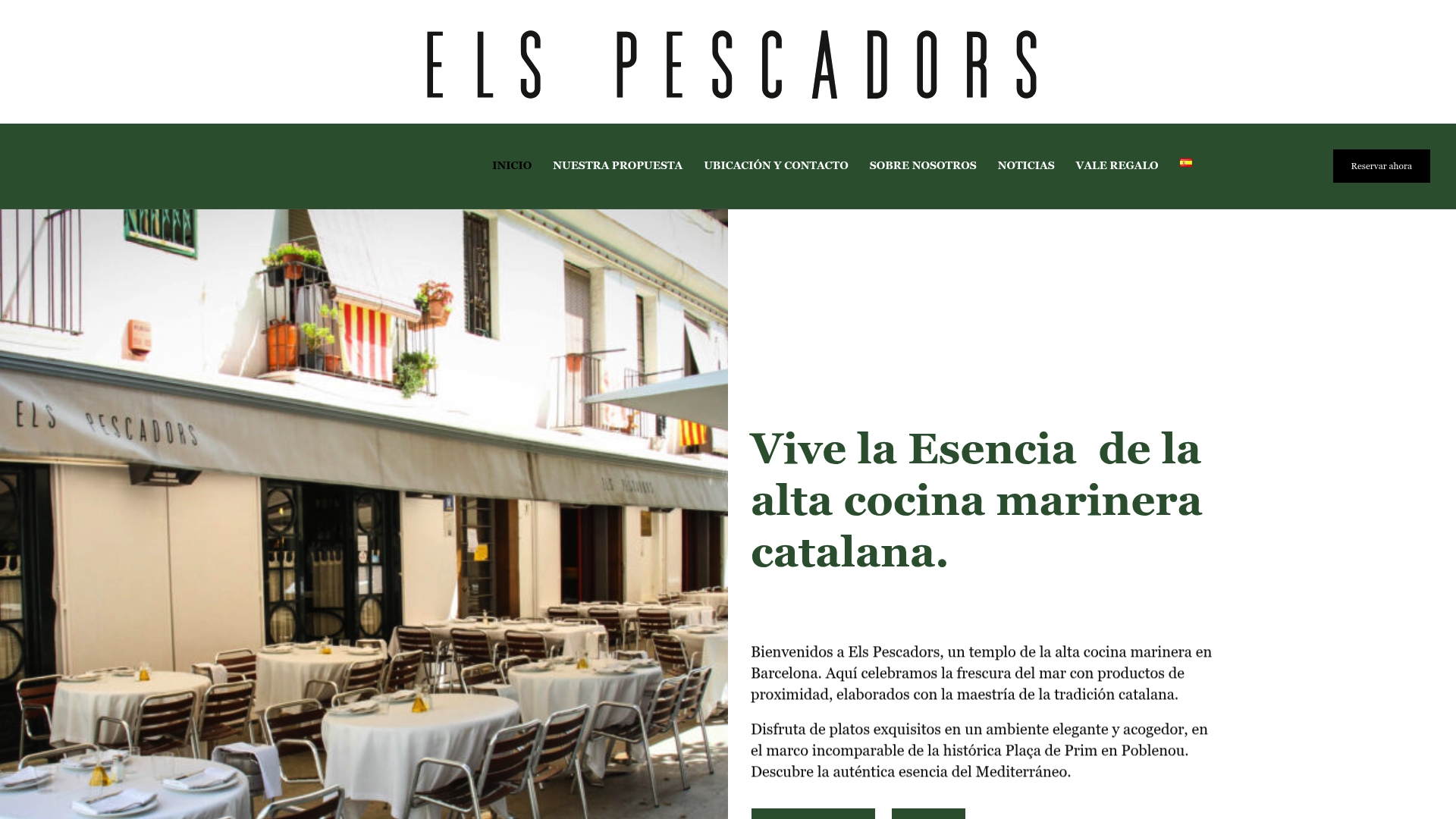
Explore the Els Pescadors culinary proposal to understand the full range of tasting menus and seasonal specialties on offer. For a deeper orientation to the ingredients you will encounter, the guide to essential Catalan seafood is an excellent starting point. And if you are comparing options for your Barcelona trip, the curated list of best seafood restaurants will help you plan with confidence.
Frequently asked questions
What are the signature dishes of Poblenou’s culinary heritage?
Signature dishes include seafood rice (arroz marinero), suquet de peix (fisherman’s stew), fideuà (seafood noodle paella), croquetas, and tortilla de patatas, many tied to historic Plaça de Prim venues dating back to 1848.
How is Poblenou’s food culture different from other districts in Barcelona?
Poblenou uniquely blends industrial working-class roots with genuine fishing traditions, maintaining family-run establishments and a barrio puro food culture that tourist-facing neighborhoods in Barcelona have largely lost.
Are there any designated Poblenou culinary heritage sites?
No official designation exists, but heritage is preserved through venues with long histories and family-passed recipes. The informal nature of this heritage is actually what keeps it authentic rather than performative.
Where can I experience traditional Poblenou dishes?
Visit historic spots like Els Pescadores in Plaça de Prim or Bar Nuri on the Rambla del Poblenou, where emblematic rice dishes and classic small plates have been served with genuine care for over six decades.