
Most people assume seafood restaurants are for special occasions only. Too expensive, too intimidating, too easy to get wrong. That assumption costs you some of the best dining experiences available. The real reasons why choose seafood restaurants go far deeper than occasion or price point. They connect to freshness you can actually taste, nutritional benefits that other dining options rarely match, and a level of culinary craft that follows the ocean’s own calendar. This article breaks down exactly what separates a great seafood restaurant from the rest, and how you can spot one before you even sit down.
Table of Contents
- Key takeaways
- Why choose seafood restaurants for freshness above all
- Health benefits that set seafood apart
- What great menus and staff actually look like
- Sustainability and why it changes your dining choice
- How to choose a seafood restaurant and read the menu
- My honest take on what actually matters
- Experience seafood dining the way it should be
- FAQ
Key takeaways
| Point | Details |
|---|---|
| Freshness is testable | Firm, springy flesh tells you more about quality than price or presentation ever will. |
| Seafood is genuinely healthy | Regular seafood meals deliver omega-3s, lean protein, and key vitamins that most land-based proteins cannot match. |
| Focused menus signal quality | Restaurants with smaller, rotating seafood menus turn over stock faster and serve fish at peak condition. |
| Sustainability matters beyond marketing | Ask specific questions about sourcing methods to separate real environmental responsibility from surface-level claims. |
| Staff knowledge reveals everything | A server who can explain wild vs. farmed or describe the daily catch is a reliable sign of a restaurant that takes quality seriously. |
Why choose seafood restaurants for freshness above all
Freshness is not a luxury feature in seafood dining. It is the entire foundation. When fish is truly fresh, it tastes clean and briny, not fishy. That “fishy” smell most people associate with seafood is actually the scent of spoilage, produced when fish proteins break down. Fresh fish smells like the ocean. That distinction matters more than any menu description.
High-quality seafood restaurants are defined not by their price range but by their transparency. They tell you whether the fish is wild-caught or farmed. They rotate their menus with the season, which means they are not storing slow-moving inventory in the back of a freezer. Seasonal menus avoid large inventories that degrade freshness, serving seafood at its natural peak instead.
Here are the sensory tests that actually tell you something useful:
- Smell: Clean, lightly oceanic. Any sour, ammonia-like, or heavily “fishy” odor is a red flag.
- Appearance: Bright, clear eyes on whole fish. Flesh should look moist and vibrant, not dull or dried at the edges.
- Texture: This is your most reliable indicator. Firm flesh that springs back when lightly pressed means the proteins are still intact. Mushy or slimy texture means spoilage has already begun, even when smell and appearance look acceptable.
Pro Tip: When you are at the table, gently press the fish with your fork before eating. If the flesh holds its structure and flakes cleanly, it was handled properly. If it collapses into a soft paste, the freshness was compromised somewhere between the water and your plate.
The texture test works because protein breakdown affects texture before it affects smell or appearance. Bacterial activity starts at the cellular level, softening the muscle fibers first. By the time you notice an off smell, the texture has already gone wrong for longer than you realize. Texture is your earliest warning system.
Health benefits that set seafood apart
Choosing fresh seafood at a restaurant is not just a culinary decision. It is a genuinely good nutritional one, and the gap between seafood and other protein sources is wider than most people think.
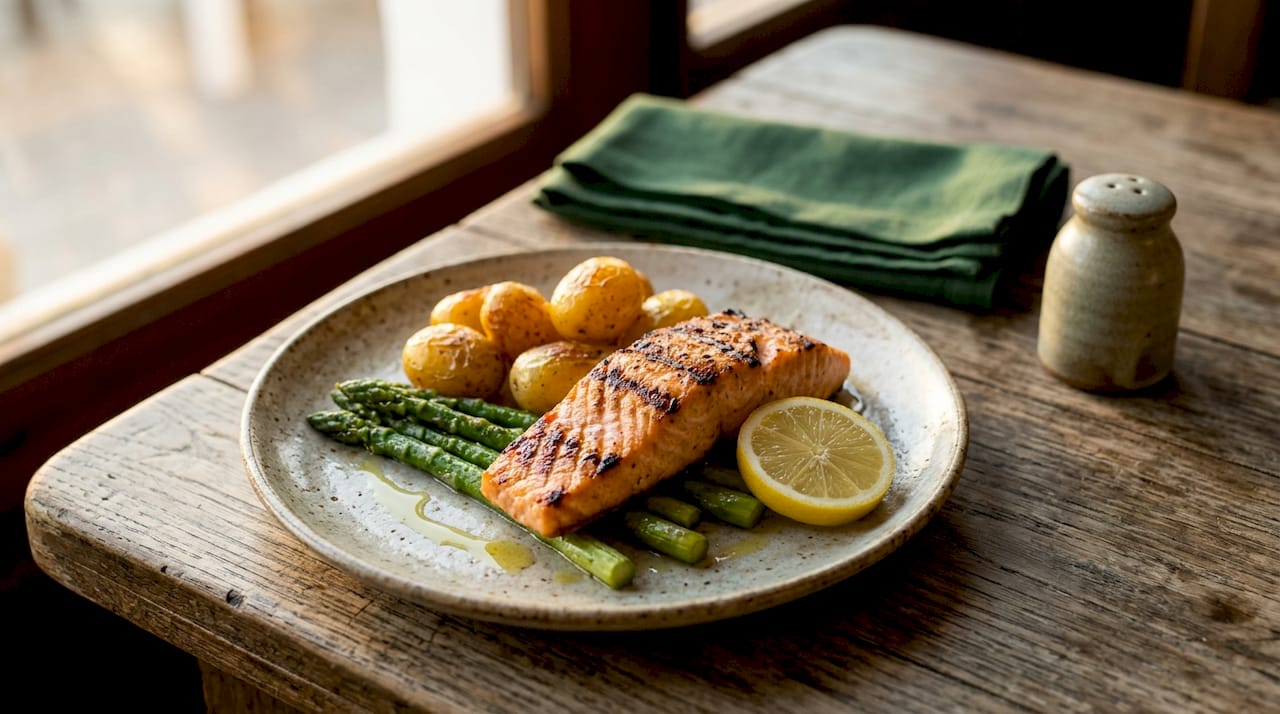
Seafood delivers omega-3 fatty acids that support cardiovascular and cognitive function in ways that chicken, beef, and plant proteins simply do not replicate in the same form. Specifically, marine-sourced EPA and DHA are the bioavailable forms your body can use directly. Plant-based ALA omega-3s require conversion, and that conversion rate in the human body is low.
Beyond omega-3s, seafood offers:
- Lean, complete protein: Fish and shellfish deliver all essential amino acids with far less saturated fat than red meat, making them ideal for muscle maintenance and recovery without the inflammatory load.
- Vitamin D: One of the most widespread nutritional deficiencies in modern populations, and oily fish like salmon and sardines are among the few natural dietary sources.
- Iodine and selenium: Critical for thyroid function and antioxidant defense, both found in meaningful concentrations in most seafood.
- Zinc and B12: Especially concentrated in shellfish like oysters and clams, these support immune function and neurological health.
Restaurant preparation also plays a key role in preserving these benefits. Why choose fresh seafood in a restaurant rather than cooking it at home? Because skilled chefs understand how to cook fish without destroying its nutritional profile. High heat and overcooking break down delicate omega-3 fats. Proper techniques, like poaching, steaming, or cooking fish just to the point where proteins set, preserve both nutrition and texture simultaneously.
What great menus and staff actually look like
The quality of a seafood restaurant’s menu and team are easier to read than most diners realize. You just need to know what to look for.
A smaller, focused menu is one of the clearest signals of operational integrity in seafood dining. When a restaurant offers twenty different fish preparations across multiple species, it cannot possibly maintain freshness across all of them. High turnover on a tight selection means every item on the plate was likely delivered that morning or the day before. A restaurant trying to offer everything usually ends up with nothing at its best.
Staff knowledge is the next test. Servers who can explain sourcing confidently, whether a scallop is wet or dry-packed, where the catch came from, or how a preparation method affects flavor, signal that the entire operation runs with pride and intention. You can ask directly: “Where does this fish come from?” A great restaurant will answer specifically. A mediocre one will deflect.
Atmosphere is not just decoration. Lighting, music, and pacing work together to shape how you experience flavors. Seafood dining tends to reward a slower pace, where each course has space to register. A restaurant that rushes tables or cranks volume undermines the experience it is trying to deliver.
“Consistency in service, menu pacing, and staff knowledge defines great seafood restaurants more than one standout dish ever could.”
Wine and beverage pairings round out the picture. Crisp whites, light sparkling wines, and well-chosen sherries amplify the clean marine flavors of fish without overwhelming them. Restaurants that invest in thoughtful pairing recommendations show they understand how the full dining experience fits together, not just what lands on the plate.
Sustainability and why it changes your dining choice
Modern diners are increasingly using sustainability as a deciding factor, and they are right to do so. But sustainability claims in seafood are one of the most abused terms in restaurant marketing. Knowing how to cut through the noise matters.
Here is what genuine sustainability actually involves:
- Fishing method transparency. Responsible restaurants can tell you whether fish was line-caught, trap-caught, or trawled. Bottom trawling destroys ocean floor habitats. Line-caught or trap methods are far less destructive.
- Bycatch awareness. Every fishing method catches unintended species. The best sourcing operations minimize bycatch and can describe how they do it.
- Third-party verification. Resources like Seafood Watch assign green, yellow, or red ratings to fisheries based on stock health, fishing method, and ecosystem impact. Consumers can verify sustainability through these ratings before ordering.
- Responsible farmed options. Not all farmed seafood is equal. Bivalves like oysters and clams actively improve the marine environments where they are raised. A single oyster filters up to 30 gallons of water per day, restoring water quality without any feed inputs.
- Ecosystem thinking. True sustainability goes beyond whether a fish stock is abundant. It considers fishing method, bycatch rates, and broader ecosystem effects.
Why does this matter to you as a diner? Because restaurants that operate with this level of accountability also tend to have better supply chains, fresher product, and more consistent quality. The care applied to sourcing shows up in the glass and on the plate.
How to choose a seafood restaurant and read the menu
Once you understand what separates good from exceptional, the process of how to choose a seafood restaurant becomes much more straightforward.
When you are evaluating a restaurant before or during your visit, ask yourself:
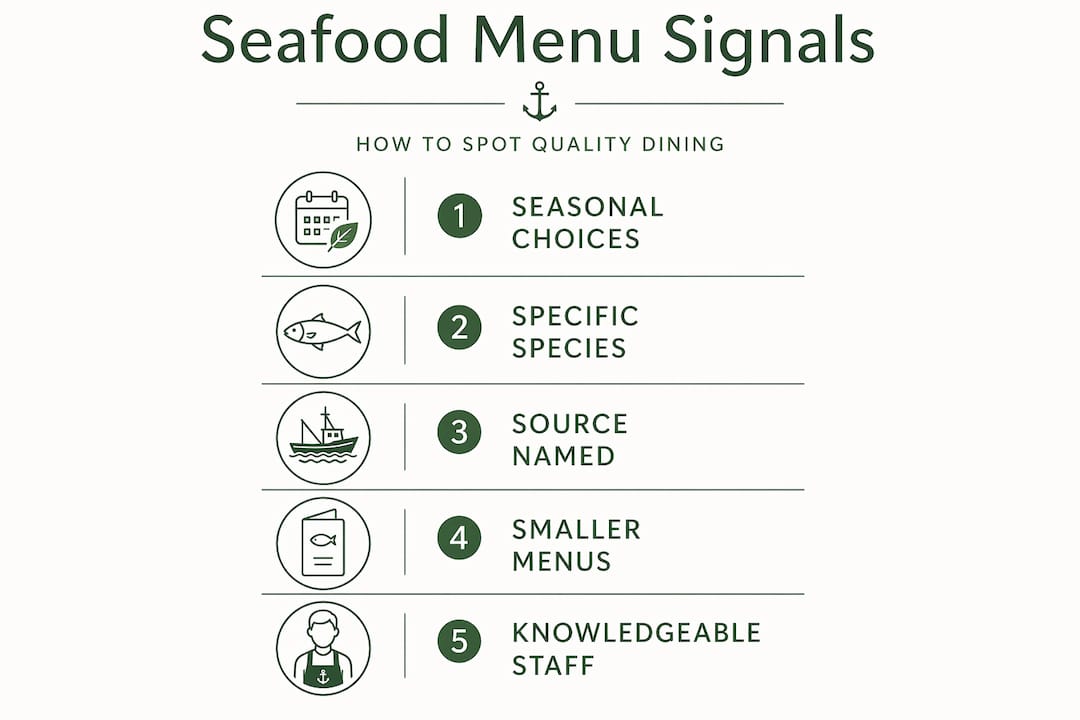
- Does the menu change seasonally or rotate daily specials based on catch? If so, that is a strong indicator of quality sourcing practices.
- Are preparations specific? “Grilled sea bass from the Bay of Biscay” tells you far more than “grilled white fish.”
- Does the menu distinguish between wild-caught and farm-raised? Restaurants that label both are being transparent rather than hiding behind vague language.
- Can your server answer direct questions about today’s catch, its origin, and how it was handled?
On the menu itself, watch for overly generic descriptions, large species variety with no seasonal logic, and terms like “fresh seafood” without any sourcing detail. Those are marketing phrases, not quality guarantees.
Pro Tip: Ask your server what arrived today, specifically. Any restaurant serious about freshness will have staff trained to answer that question confidently. If the answer is vague or deflective, the menu is likely built around frozen or stored product regardless of what the descriptions say.
Learning how to choose a seafood menu comes down to specificity. The more specific the description, the more the restaurant has invested in knowing what it serves. Vague menus protect restaurants from accountability. Specific menus invite it.
My honest take on what actually matters
I have spent years eating at seafood restaurants across different countries and price points, and the pattern that I keep returning to is this: the restaurants that stay with me are never the flashiest ones. They are the ones where the fish tasted exactly like what it was, handled by people who understood it.
Freshness and consistency beat theatrical presentations every time. I have had forgettable meals at expensive seafood restaurants that leaned on their reputation instead of their sourcing. And I have had genuinely extraordinary meals at modest spots where the cook knew the fisherman by name. That relationship with supply chain is what you are actually paying for at a great seafood restaurant.
The sustainability conversation has also shifted noticeably. It is no longer a niche concern for a small group of environmentally minded diners. More people are asking the questions now. And the restaurants responding with real answers rather than surface-level sustainability claims are building the kind of trust that brings diners back repeatedly.
My strongest advice? Trust your senses, ask direct questions, and pay attention to the menu’s specificity. A restaurant willing to stand behind the details of its sourcing is almost always worth your time and your appetite.
— YellowRock
Experience seafood dining the way it should be
Els Pescadors in Barcelona’s Poblenou district is exactly the kind of restaurant this article describes. Their menus rotate with the season, their staff speaks openly about sourcing, and their focus on Catalan maritime tradition means every dish connects to a specific place and moment in the fishing calendar.
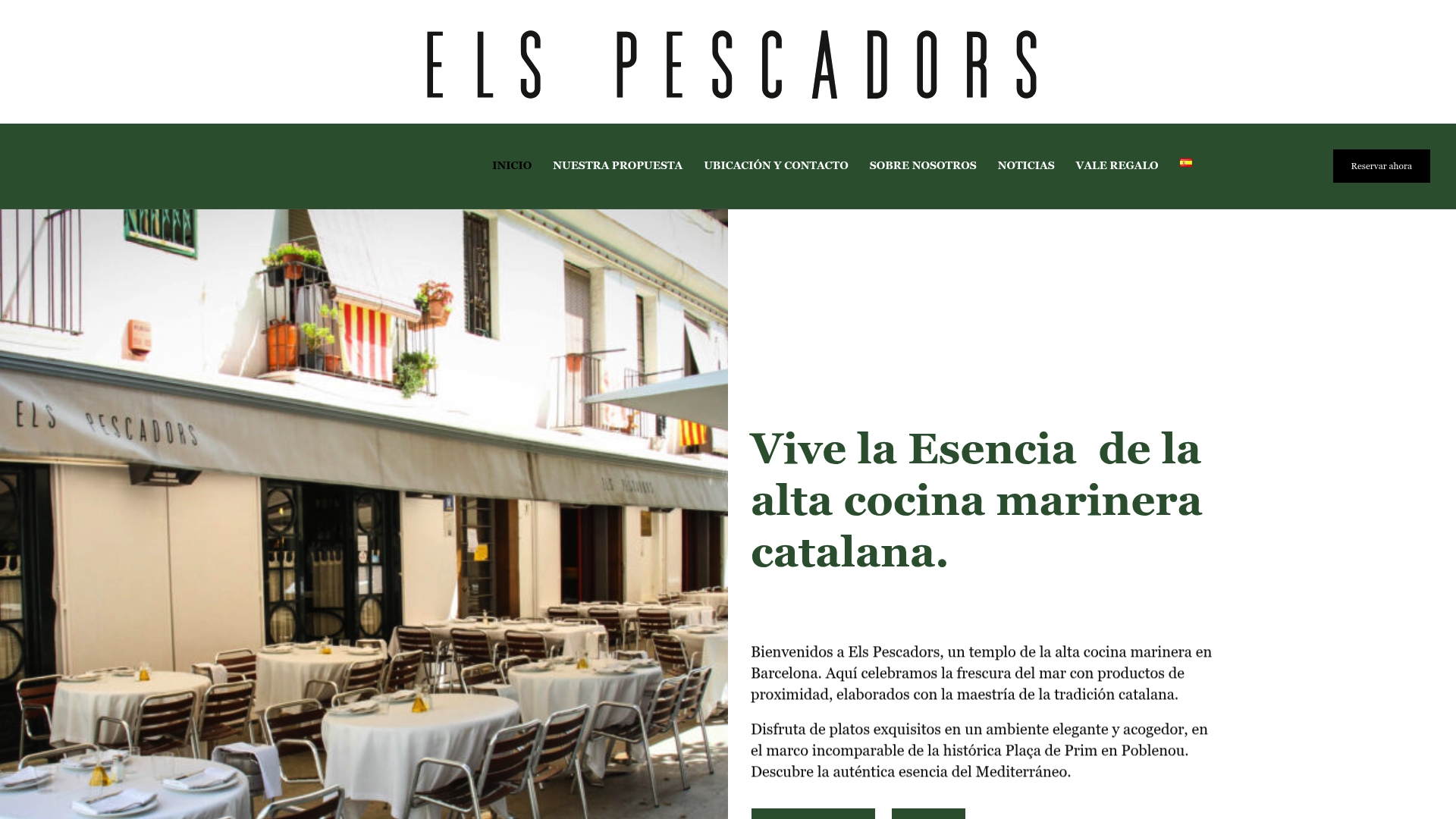
Their restaurant philosophy and offerings reflect a commitment to seasonal, sustainable seafood that goes well beyond marketing language. You can explore what makes a fine seafood restaurant through the lens of how Els Pescadors operates, from daily fresh catch to traditional rice dishes built around whatever the coast is offering. For anyone who wants to understand how seasonal menus transform the dining experience in practice, Els Pescadors is a working example worth visiting.
FAQ
Why choose seafood restaurants over other dining options?
Seafood restaurants offer nutritional advantages, including omega-3 fatty acids and lean protein, alongside freshness-focused sourcing and culinary expertise that most other dining categories do not prioritize as structurally.
How do you know if a seafood restaurant is actually fresh?
Look for seasonal menus, specific sourcing descriptions on the menu, and staff who can answer direct questions about the daily catch. The texture of cooked fish is your most reliable quality indicator at the table.
What should I look for on a seafood menu?
Prioritize menus that distinguish between wild-caught and farmed, name specific species and origins, and rotate based on season. Generic descriptions and large, year-round species variety are signs that freshness may be compromised.
How can I tell if a seafood restaurant is truly sustainable?
Ask about fishing methods, bycatch practices, and whether the restaurant uses third-party verified sources. Detailed sourcing answers separate restaurants with real supply chain accountability from those using sustainability as a marketing phrase.
Does a smaller menu really mean better quality seafood?
Yes. Focused menus signal faster turnover and tighter sourcing relationships, which means the seafood on your plate is more likely to be at peak freshness than at a restaurant trying to maintain a large, year-round selection.