Most people assume freshness in seafood cooking is simply about taste. It’s not. The role of fresh ingredients in seafood is far more consequential. It shapes the nutritional density of what ends up on your plate, determines food safety margins, and directly connects your meal to the health of marine ecosystems. Whether you cook at home or eat out regularly, understanding what freshness actually means, and what happens when it’s compromised, changes how you buy, cook, and appreciate seafood entirely.
Table of Contents
- Key takeaways
- The role of fresh ingredients in seafood starts with how freshness is measured
- How freshness shapes flavor, texture, and nutrition
- Freshness and food safety: what home cooks must know
- Sustainability and the culinary case for local seafood
- My honest take on what freshness actually means in the kitchen
- Experience fresh seafood the way it was meant to be cooked
- FAQ
Key takeaways
| Point | Details |
|---|---|
| Freshness is measurable | Biochemical markers like K-value and sensory cues tell you more than smell alone can. |
| Nutrition degrades with time | Fresh seafood holds higher omega-3, vitamin, and antioxidant levels than older or frozen alternatives. |
| Cold chain is non-negotiable | Even 90 minutes above 40°F can trigger dangerous bacterial growth in shrimp and other seafood. |
| Local sourcing improves quality | Locally caught seafood travels fewer miles, arrives fresher, and supports sustainable fisheries. |
| Simple prep reveals true quality | The freshest seafood needs the least done to it. Simplicity is the mark of a skilled seafood cook. |
The role of fresh ingredients in seafood starts with how freshness is measured
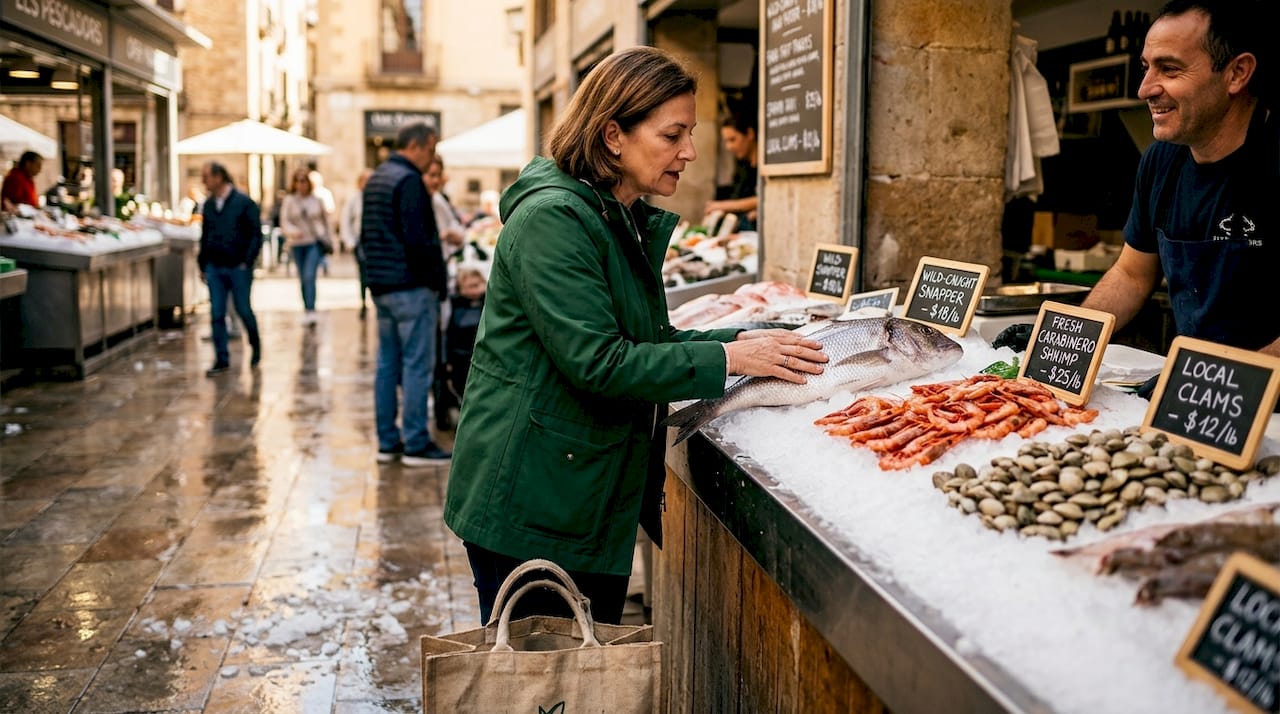
Most home cooks rely on smell to judge seafood freshness, which is a reasonable starting point but only part of the picture. Freshness is actually a measurable property with both sensory and biochemical dimensions, and knowing both makes you a far more confident buyer.
On the biochemical side, food scientists use something called the K-value to quantify how fresh seafood really is. K-value under 40% is the accepted benchmark for fresh, edible quality in most seafood types. As seafood ages, compounds called inosine and hypoxanthine accumulate from ATP breakdown, driving the K-value upward and flavor quality downward. Interestingly, slurry ice storage slows this degradation significantly, keeping soft-shell mud crabs within acceptable K-value ranges for up to seven days.
On the sensory side, you have five reliable markers to check before buying or cooking any seafood:
- Smell: Fresh seafood smells clean and oceanic. Off-odors like ammonia or sour, sulfurous notes indicate spoilage compounds building up.
- Texture: Flesh should spring back when pressed. Mushy, soft, or crumbling texture signals cell structure breakdown.
- Eyes (for whole fish): Bright, clear, and slightly protruding. Sunken or cloudy eyes mean time has passed.
- Gills: Deep red or pink, never gray or brown.
- Surface: Shiny and moist, with tightly adhered scales. Dull or sticky skin is a red flag.
Storage temperature thresholds matter as much as these visual cues. For shrimp specifically, industry standards require an internal temperature of 34°F or below, with harvest dates under 24 hours for true peak freshness.
Pro Tip: At a fish counter, ask when the delivery came in rather than when it was put on display. Fish displayed on Monday may have been delivered Thursday.
The gap between scientific measurement and what you can see and smell at a market is where most purchasing mistakes happen. Trusting sensory indicators alongside temperature records and harvest dates gives you the most accurate read on quality.
How freshness shapes flavor, texture, and nutrition
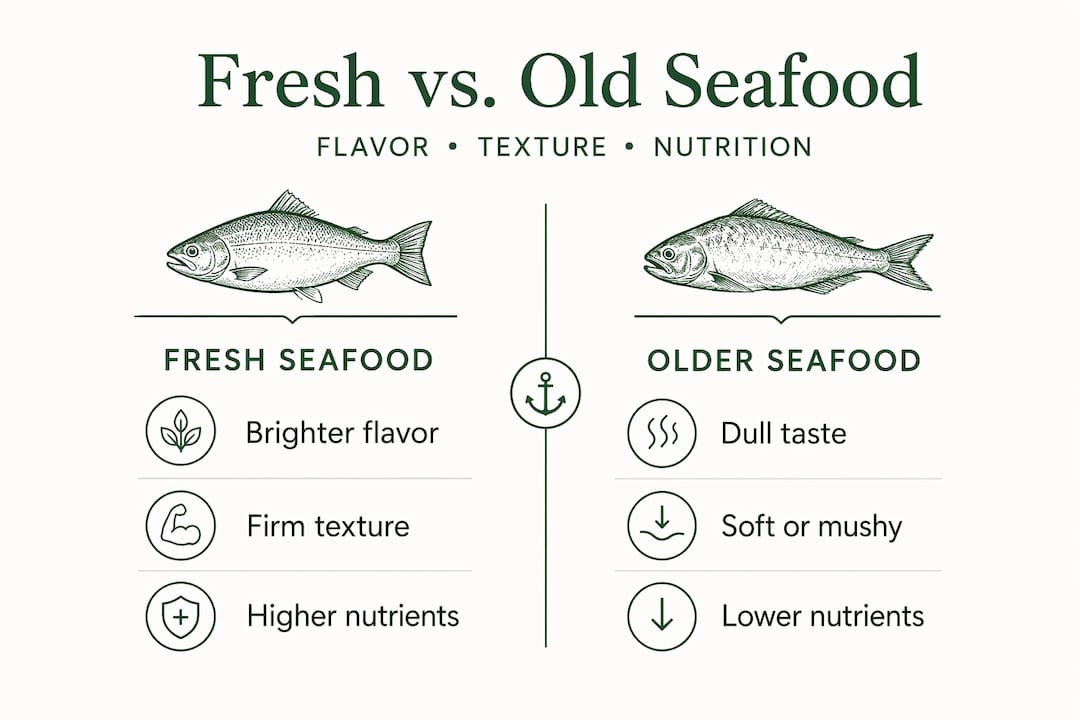
This is where the role of fresh ingredients becomes undeniable. Fresh seafood is not just “better tasting.” It is chemically and structurally different from aged or frozen product, and that difference plays out across every dimension of the eating experience.
Flavor comes first. Fresh fish and shellfish carry natural oceanic aromatic compounds that are volatile. They dissipate quickly after harvest. What replaces them are the ammonia-based off-notes of protein breakdown. This is why a perfectly fresh piece of fish barely needs seasoning, while a less-than-fresh piece needs to be masked with acid, spice, or heavy sauces.
Texture follows a similar trajectory. The cellular structure of fish muscle begins breaking down almost immediately after death, a process called autolysis. Fresh fish has firm, distinct flakes that hold together during cooking. As freshness declines, moisture migrates out of the cells, and the flesh becomes soft, watery, or stringy regardless of how skillfully it is cooked.
| Attribute | Fresh seafood | Frozen or older seafood |
|---|---|---|
| Flavor compounds | Intact, clean oceanic notes | Reduced; off-notes possible |
| Texture | Firm, moist, holds structure | Softer; potential waterlogging |
| Omega-3 content | Higher, nutrients fully retained | Moderate loss during freezing/thawing |
| Antioxidant levels | Peak concentration | Reduced through oxidation |
| Preparation needed | Minimal | More seasoning often required |
Nutritionally, fresh seafood retains higher concentrations of omega-3 fatty acids, fat-soluble vitamins, and antioxidants compared to frozen or processed alternatives. Lipid oxidation, which degrades omega-3s, accelerates with time and temperature exposure. Mechanical processing makes this worse. Research shows that peeling shrimp before storage accelerates both moisture loss and lipid oxidation compared to keeping them shell-on. A small structural choice with real nutritional consequences.
Pro Tip: Buy shell-on shrimp when possible and peel just before cooking. You’ll notice a measurable difference in flavor and moisture in the finished dish.
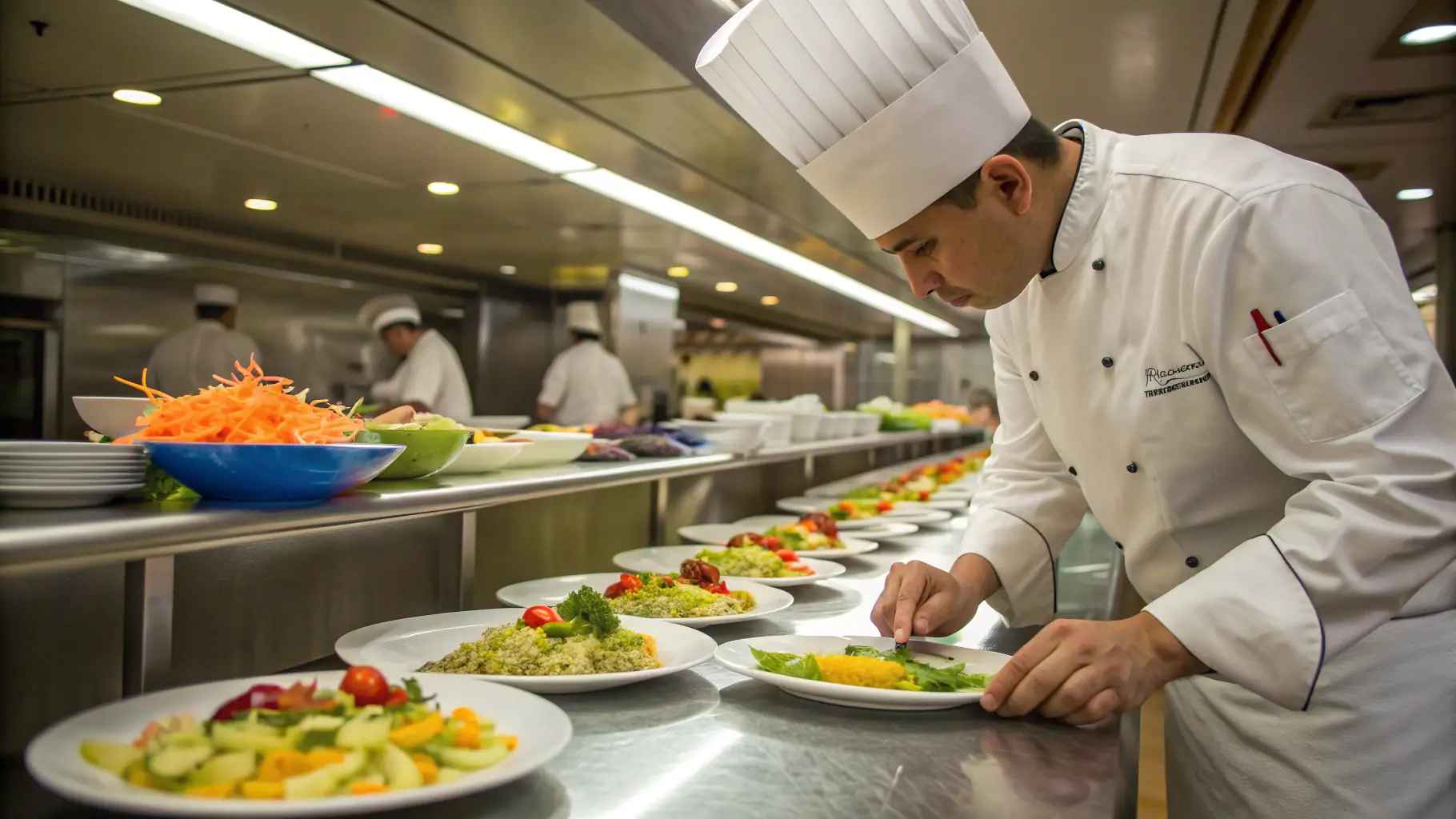
Chefs at the highest level use freshness as a design principle in their cooking. The simplest preparations, steamed clams with garlic, grilled branzino with olive oil and lemon, raw oysters on ice, are only possible when the ingredient quality is absolute. The less you do to fresh seafood, the more it rewards you.
Freshness and food safety: what home cooks must know
Food safety in seafood is not a separate topic from freshness. They are the same topic. Freshness is essentially a measure of how close seafood is to its safest, most nutritious state, and deterioration in one dimension means deterioration in the other.
The most important variable to control is temperature. Temperature abuse for even 90 minutes above 40°F increases pathogenic Vibrio bacteria in shrimp by 300%. That is not a gradual risk. That is a cliff edge. The cold chain, from harvest through transport through your refrigerator, cannot be broken.
Here’s a practical safety checklist for buying and handling seafood at home:
- Buy last: Always purchase seafood as the final stop on any shopping trip to minimize time out of refrigeration.
- Store immediately: Refrigerate at 32°F to 34°F, ideally over ice, and use within one to two days of purchase.
- Thaw correctly: Move frozen seafood from freezer to refrigerator overnight. Never thaw at room temperature.
- Avoid cross-contamination: Store raw seafood on the lowest shelf, in a sealed container, separate from ready-to-eat foods.
- Cook to safe temperatures: The FDA recommends 145°F as the safety baseline for seafood. However, experienced cooks often target 125°F to 135°F for premium fatty fish like salmon to preserve moisture and texture. This decision depends on confidence in your sourcing.
The last point is where freshness and safety directly intersect. If you are sourcing from a trusted supplier with documented cold chain handling, the flexibility to cook salmon to medium is reasonable. If provenance is unclear, cook to full temperature. Temperature and handling documentation are more reliable freshness indicators than marketing language on packaging.
Pro Tip: Ask your fishmonger or restaurant about their suppliers by name, not just “local” or “fresh.” Vendors who can answer specifically are the ones you want to buy from.
One underappreciated safety factor is cooking temperature variance by species. Optimal internal temperatures differ between lean white fish, fatty fish, and shellfish. Shrimp and lobster are done at 145°F and become rubbery past that point. Thin fillets like flounder cook faster than thick cuts and need attention to avoid both undercooking and drying out.
Sustainability and the culinary case for local seafood
Freshness and sustainability are not separate values. They reinforce each other in ways that directly affect what ends up in your bowl.
Locally caught seafood travels fewer miles from water to kitchen. Shorter transport times mean less time in transit storage, which means genuinely fresher product. It also means lower carbon output per meal, less reliance on industrial freezing infrastructure, and direct economic support for fishing communities. Locally sourced seafood actively reduces environmental impact while enhancing flavor authenticity in the dishes built around it.
Beyond logistics, sustainable fishing practices tend to produce higher-quality fish. Small-scale, low-impact methods like hook-and-line fishing minimize physical damage to the catch compared to trawling, where fish endure significant mechanical stress before landing. That stress affects muscle chemistry and, ultimately, texture on the plate.
Here’s how to source seafood more responsibly without becoming a full-time researcher:
- Ask about seasonality. Seafood has seasons just like produce. Eating what is currently running means peak flavor and reduced pressure on off-season stocks.
- Check the origin. Mediterranean and Atlantic catch from traceable local fisheries beats ambiguously labeled “wild caught” with no regional detail.
- Look for certifications. MSC (Marine Stewardship Council) certification is the most widely recognized marker of sustainable wild-catch sourcing.
- Visit fish-forward restaurants. Restaurants specializing in fresh seafood often have the most current knowledge of what is in season and where it is from. That knowledge transfers to you.
The culinary payoff of choosing local fish is real and immediate. A locally caught Mediterranean sea bass prepared the same day it is landed tastes fundamentally different from a farmed or long-traveled equivalent. Not slightly better. Categorically different. That difference is why traditional coastal cuisines, Catalan, Basque, Sicilian, and others, are built around whatever the boats bring in each morning.
My honest take on what freshness actually means in the kitchen
I’ve spent years eating at, learning from, and writing about restaurants that take seafood seriously. My experience has taught me something that most freshness conversations skip entirely: freshness is not a marketing term. It is a chain of decisions made by fishermen, distributors, chefs, and home cooks, and every weak link in that chain costs something.
The conventional wisdom says freshness is about flavor. That’s true but incomplete. What I’ve learned is that the most significant thing freshness gives you is permission. Permission to cook simply. Permission to skip the heavy sauce. Permission to let the ingredient speak without interference. The cooks I respect most are often doing the least. That restraint is only possible when they trust their sourcing completely.
What surprises people is how much temperature control matters before the seafood ever reaches a pan. I’ve seen kitchens with extraordinary produce that still produced disappointing fish dishes simply because someone left a delivery sitting at room temperature for an hour too long. The cold chain is where quality either holds or collapses.
My advice for home cooks is this: stop asking if your seafood smells fine and start asking where it came from and when. Build relationships with one good fishmonger. Learn what is seasonal in your region right now. Visit restaurants like Elspescadors that make sourcing transparent and let the quality of local, seasonal catch speak for itself. When you eat a dish built entirely around fish landed that morning, you understand immediately why freshness is not a preference. It is the foundation.
— Elspescadors
Experience fresh seafood the way it was meant to be cooked
Elspescadors in Barcelona’s Poblenou district has built its entire culinary identity around what arrives at the dock each morning. The kitchen does not work backward from a fixed menu. It works forward from the catch, building dishes around whatever seasonal seafood is at its absolute peak that day.
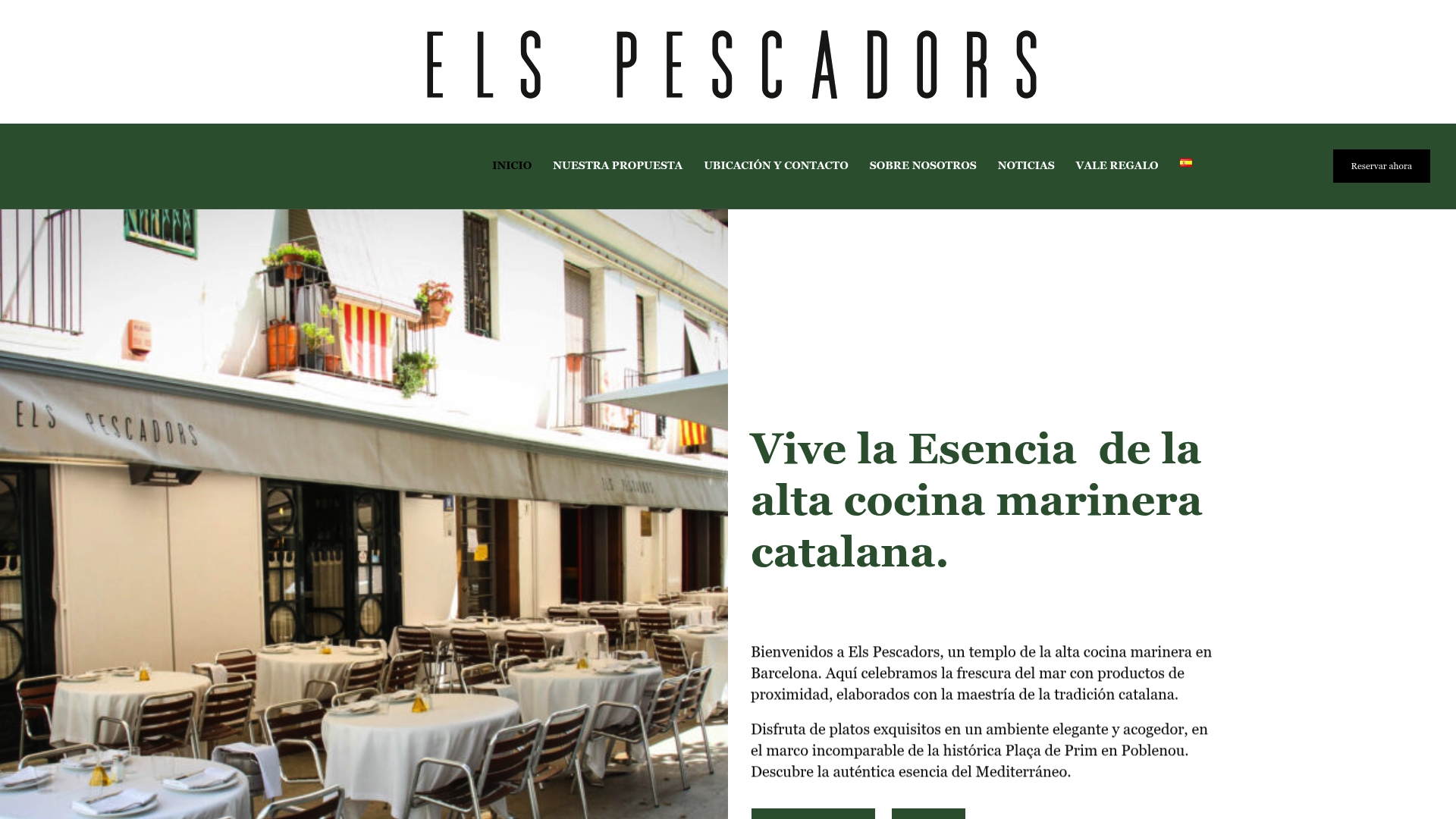
The restaurant’s commitment to fresh, local sourcing means every plate reflects the Mediterranean as it actually is, not as it was last week. Traditional Catalan rice dishes, whole-roasted fish, and shellfish preparations all depend on the freshness standards described throughout this article. For those who want to experience what seasonal fishing in Catalan cuisine genuinely tastes like, Elspescadors offers tasting menus and à la carte options designed to make that freshness the centerpiece. Reserve a table at Plaça de Prim and taste the difference that sourcing decisions make on the plate.
FAQ
What does the K-value measure in seafood?
The K-value measures biochemical freshness by tracking the breakdown of ATP compounds in seafood muscle. A K-value below 40% indicates acceptable freshness in most species.
Is fresh seafood always better than frozen?
Fresh seafood is generally superior in flavor and nutrition, but only when the cold chain has been properly maintained from harvest to your kitchen. Poorly handled fresh seafood can be less safe than well-frozen alternatives.
How do I tell if seafood is truly fresh at the market?
Look for clear eyes, red gills, firm flesh that springs back when pressed, and a clean oceanic scent. Avoid any seafood with ammonia odors, cloudy eyes, or soft, watery texture.
Why does local seafood taste better?
Local seafood spends less time in transit, which means fewer hours for flavor compounds to degrade and less temperature exposure risk. Shorter supply chains also tend to involve lower-impact harvesting methods that preserve the physical quality of the catch.
What temperature should I cook seafood to?
The FDA recommends 145°F as the safety standard for all seafood. For premium fatty fish from trusted sources, experienced cooks often aim for 125°F to 135°F to preserve moisture and texture without sacrificing safety.