Catalan cuisine is one of the most misunderstood food traditions in Europe. Many travelers arrive in Barcelona expecting generic Spanish tapas and leave having barely scratched the surface of what Catalonia actually puts on the table. So what is Catalan cuisine, really? It is a distinct culinary identity rooted in the Mediterranean coast, shaped by centuries of trade, agriculture, and a fierce regional pride. It blends mountain ingredients with coastal seafood in ways that feel both ancient and strikingly original. This guide breaks down everything you need to know before your first authentic bite.
Table of Contents
- Key takeaways
- What is Catalan cuisine and where does it come from?
- Core ingredients and techniques that define the food
- Iconic dishes you need to know
- How to experience Catalan cuisine authentically
- My perspective on what Catalan cuisine is becoming
- Experience authentic Catalan cuisine at Els Pescadors
- FAQ
Key takeaways
| Point | Details |
|---|---|
| Catalan cuisine is distinct | It differs from other Spanish food traditions through its unique mar i muntanya combinations and local ingredient focus. |
| Picada is the defining technique | This sauce of nuts, bread, garlic, and spices thickens and deepens flavors in stews and braises. |
| Seafood plays a central role | From fideuà to fresh daily catch, the Mediterranean coast drives much of the menu. |
| Markets and workshops bring it to life | Visiting La Boqueria or attending a cooking class gives you direct access to Catalan culinary culture. |
| Seasonality shapes every dish | Catalan chefs prioritize local, seasonal sourcing over complexity, letting quality ingredients speak. |
What is Catalan cuisine and where does it come from?
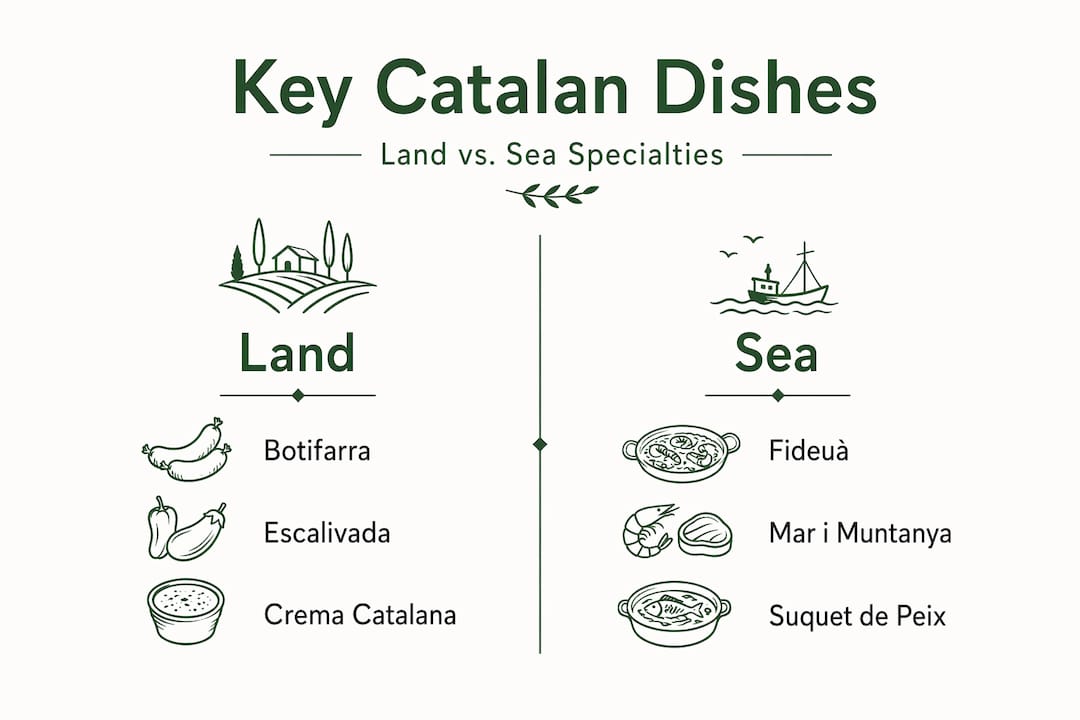
Catalonia sits at a geographic crossroads that has shaped its food like nowhere else in Spain. To the north, the Pyrenees deliver wild mushrooms, cured meats, and hearty mountain produce. To the east and south, the Mediterranean offers an endless supply of fresh fish, shellfish, and rice. This tension between land and sea is not incidental. It is the defining characteristic of the entire culinary tradition.
Historically, Catalonia was a major Mediterranean trading power. Merchants brought almonds, saffron, dried fruits, and spices from across the sea, and these ingredients embedded themselves permanently into local cooking. The result is a cuisine that feels layered and complex without being heavy. You taste history in a bowl of rice cooked with squid ink. You feel the mountains in a slow-braised dish of wild boar with pine nuts.
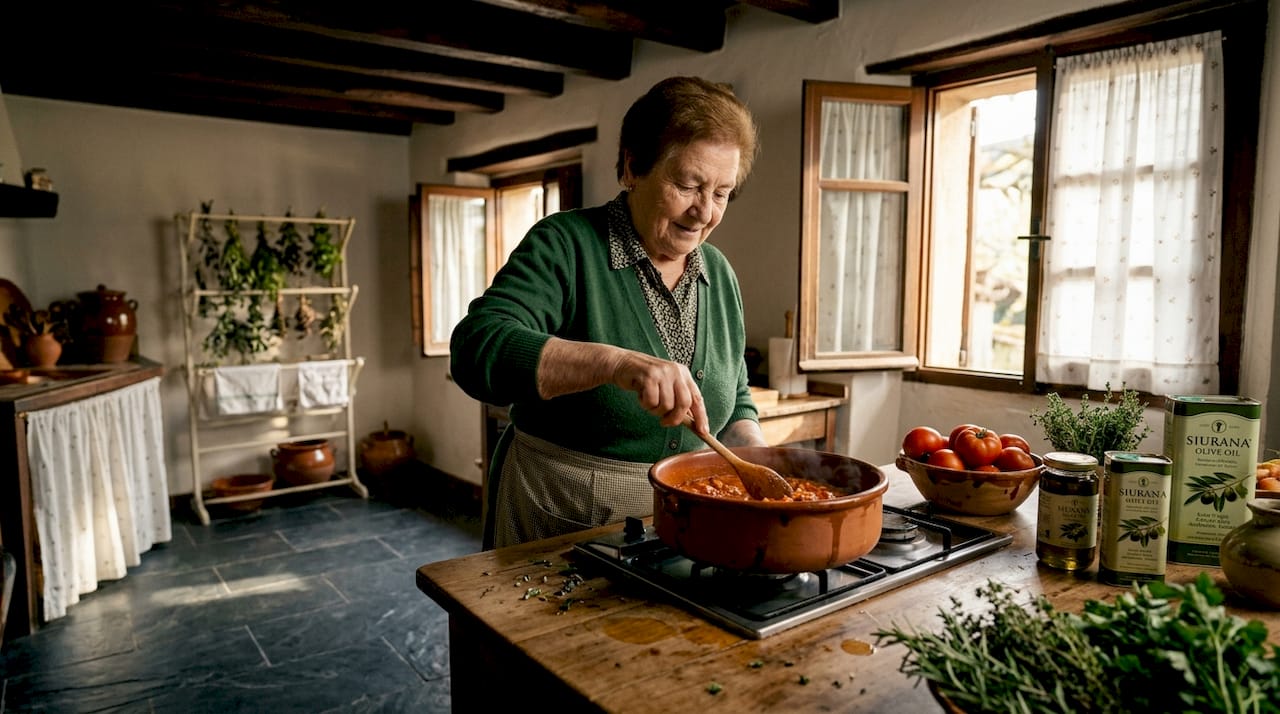
The Mediterranean Diet is a cultural heritage in Catalonia, developed over centuries around local, seasonal foods and sustainable practices. Catalans did not need a wellness trend to tell them to eat well. They built a food system around balance, freshness, and connection to the land long before it became fashionable globally.
Pro Tip: When researching Catalan restaurants, look for menus that change with the season. A static menu often signals a kitchen that has drifted away from tradition.
Key historical forces that shaped Catalan food culture include:
- Centuries of Mediterranean trade bringing nuts, spices, and dried fruits into everyday cooking
- Roman-era olive cultivation that made olive oil the cornerstone fat in every kitchen
- Arab agricultural influences introducing eggplant, almonds, and aromatic spice combinations
- Catalan identity politics that made food a form of cultural resistance and expression
Catalonia was also named the 2025 World Region of Gastronomy, recognizing a food culture that has been building this reputation for generations rather than chasing a trend.
Core ingredients and techniques that define the food
Understanding Catalan cuisine means understanding its pantry first. The building blocks are deceptively simple. But what Catalans do with them is anything but ordinary.
The most important ingredients in Catalan cooking are:
- Olive oil: Used for everything from bread rubbing to slow frying fish
- Tomato and garlic: The base of pa amb tomàquet and dozens of sauces
- Seafood: Fresh catch from the Mediterranean, from anchovies to spider crab
- Botifarra sausage: A cornerstone of Catalan charcuterie, available in savory botifarra crua and the surprising sweet botifarra dolça, which was reportedly a favorite of Salvador Dalí
- Nuts: Almonds, hazelnuts, and pine nuts used in sauces and stuffings
- Pulses and rice: Mongetes (white beans) and short-grain rice underpin countless traditional plates
Pro Tip: The quality of the olive oil tells you a lot about a Catalan kitchen. Look for bottles from the Siurana or Les Garrigues appellations. These are among the most prized in the Mediterranean.
The technique that truly separates Catalan cooking from everything around it is the picada. Made from toasted nuts, stale bread or biscuits, garlic, and often a pinch of saffron or dark chocolate, picada is stirred into stews and braises at the end of cooking. It thickens the sauce, deepens the flavor, and creates a texture that no amount of cream or flour can replicate. It is ancient kitchen wisdom that happens to be extraordinarily effective.
| Technique | What it does | Common use |
|---|---|---|
| Picada | Thickens and enriches sauces with nut and bread paste | Stews, braises, fish dishes |
| Xup-xup | Slow simmering that melds flavors over time | Legume dishes, meat braises |
| Sofregit | A slow-cooked base of onion and tomato | Foundation for rice and seafood |
| A la brasa | Wood-fire grilling that adds smoke without masking flavor | Fish, vegetables, calçots |
The emphasis on simplicity is not laziness. It is a deliberate philosophy. Catalan cooks trust their ingredients to carry the dish. The role of the cook is to coax out the best of what is already there, not to add complexity for its own sake. You can read more about this philosophy through Elspescadors’ deep look at local Catalan ingredients and why sourcing determines everything on the plate.
Iconic dishes you need to know
No guide to Catalan dining would be complete without understanding the dishes themselves. These are not museum pieces. They are living, evolving recipes that still anchor lunch tables across the region every day.
- Pa amb tomàquet: Bread rubbed with ripe tomato and drizzled with olive oil. This is the cornerstone of every Catalan meal and the clearest expression of the cuisine’s philosophy. Four ingredients. Extraordinary result.
- Fideuà: A noodle-based cousin to paella, cooked in a wide pan with shellfish and finished in the oven. Originated in the coastal town of Gandia but perfected in Catalonia’s port restaurants.
- Botifarra amb mongetes: Grilled botifarra sausage with white beans and alioli. Simple, satisfying, and a perfect example of how Catalan food honors its peasant roots without apology.
- Escalivada: Slow-roasted red peppers and eggplant, served at room temperature with olive oil. Proof that vegetables deserve center stage.
- Crema catalana: A custard with a burned sugar crust that predates the French crème brûlée by at least two centuries. Catalans are rightly proud of this fact.
Then there are the mar i muntanya dishes, which combine seafood and land ingredients in ways that shock first-time diners and convert them permanently. Chicken with lobster sounds unusual. Once you taste the briny sweetness of lobster against the richness of braised chicken, you understand why this combination has survived for centuries. Meatballs cooked with cuttlefish in a dark, nutty sauce is another revelation. These dishes are not fusion gimmicks. They reflect the genuine geography of a place where the mountains and the sea are never far apart.
| Dish | Key ingredients | Flavor profile |
|---|---|---|
| Fideuà | Short noodles, shellfish, sofregit | Umami, briny, slightly smoky |
| Mar i muntanya | Meat and seafood combined | Rich, complex, land meets sea |
| Pa amb tomàquet | Bread, tomato, olive oil | Bright, fresh, deeply savory |
| Crema catalana | Custard, caramelized sugar | Creamy, bittersweet |
How to experience Catalan cuisine authentically
Knowing what Catalan cuisine is gets you halfway there. Actually experiencing it requires more than ordering off a tourist menu.
The best entry point is a traditional Catalan market. La Boqueria on La Rambla is famous but often crowded. Locals tend to prefer the Mercat de Santa Caterina in the Born neighborhood or the Mercat de l’Abaceria in Gràcia. Spend time at the fish counters. Watch what the chefs buy. That is the real curriculum.
For a more structured introduction, hands-on cooking workshops in Barcelona last around 3 hours and typically include a market visit followed by preparing a multi-course Catalan meal. You learn to make sofregit from scratch, understand why picada changes everything, and leave with recipes you can actually reproduce at home.
When it comes to selecting a restaurant, a guide to Catalan seafood dining should include a few non-negotiable markers:
- The menu changes with the season, ideally weekly
- The fish comes from named local sources or is purchased daily at the Llotja fish market
- Rice dishes are made to order and require a minimum 20-minute wait
- The kitchen offers at least one mar i muntanya option, signaling genuine culinary ambition
If you want to go deeper, a guided culinary tour of Barcelona can connect you with neighborhoods, markets, and producers that a solo visit might miss entirely. The Poblenou district in particular has emerged as one of the top areas for authentic Catalan dining away from the tourist centers.
Catalan food combines sustainability with cultural expression, and you feel this most clearly when you eat at a table where the chef knows the fisherman by name. That relationship is the real secret ingredient.
My perspective on what Catalan cuisine is becoming
I’ve spent years paying attention to how Catalan cuisine gets talked about internationally versus how it actually lives on the ground in Barcelona and the surrounding region. And I’ll be direct: most coverage gets it wrong in one specific way.
People focus on the innovation. Ferran Adrià, molecular gastronomy, the ghost of El Bulli. All of that is real and genuinely remarkable. But it gave outsiders the impression that Catalan cuisine is defined by its avant-garde edge. In my experience, the far more interesting story is what never changed. The picada that every grandmother still makes. The ritual of pa amb tomàquet before every meal. The absolute insistence on fresh fish over frozen convenience.
What I find genuinely exciting right now is how the mar i muntanya tradition is being reinterpreted by a younger generation of chefs who grew up eating it at family tables. They are not reinventing it. They are honoring it with better sourcing and more precise technique. That combination, old knowledge plus disciplined execution, is what makes Catalan cuisine increasingly worth traveling for in 2026.
The underrated gem that most visitors never try? Ask for a proper Catalan gastronomy experience that focuses on rice dishes. A well-made arròs a banda, cooked in fish stock and served with alioli on the side, will tell you more about Catalan culinary identity than a dozen tasting menus.
— Elspescadors
Experience authentic Catalan cuisine at Els Pescadors
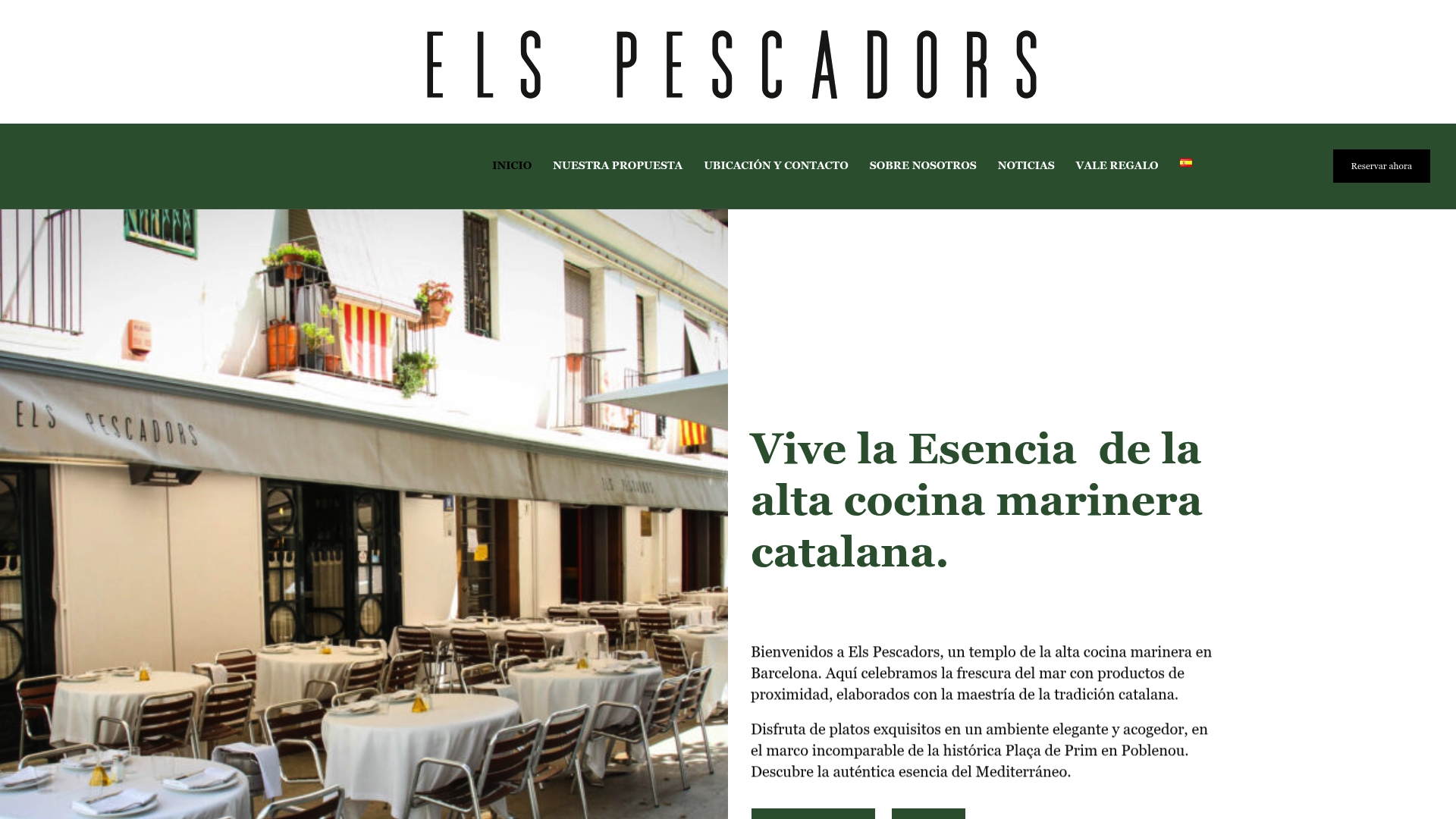
Els Pescadors sits in the historic Plaça de Prim in Barcelona’s Poblenou district, one of the city’s most authentic neighborhoods and a world away from tourist-facing dining. The restaurant specializes in Catalan maritime cuisine, which means daily fresh catch, traditional rice dishes cooked to order, and a menu that reflects what the Mediterranean is actually offering that week.
Every dish at Els Pescadors is grounded in the principles covered in this guide: seasonal sourcing, respect for local producers, and technique that enhances rather than obscures. Whether you are looking for top Catalan fine dining spots for couples or simply want to understand what a proper Catalan seafood meal looks and tastes like, this is the place to start. Explore the full culinary proposal at Els Pescadors, including tasting menus and gastronomic experiences designed around the best of what Catalonia produces. Reservations are available directly through the website.
FAQ
What makes Catalan cuisine different from Spanish cuisine?
Catalan cuisine is a regional tradition within Spain but operates with its own distinct identity, using unique techniques like picada and featuring combinations of land and sea ingredients that are not common in other Spanish regions.
What is mar i muntanya in Catalan cooking?
Mar i muntanya means “sea and mountain” and refers to dishes that combine seafood and meat, such as chicken with lobster or meatballs with cuttlefish. These combinations reflect Catalonia’s geographic diversity.
What are the most iconic Catalan dishes to try?
The most representative dishes include pa amb tomàquet, fideuà, crema catalana, botifarra amb mongetes, and escalivada. Each one captures a different dimension of Catalan culinary tradition.
How do I find authentic Catalan restaurants in Barcelona?
Look for restaurants with seasonal menus, rice dishes made to order, and seafood sourced from local markets. The qualities of a fine seafood restaurant in Barcelona go well beyond price or decor.
Can I learn to cook Catalan food as a visitor?
Yes. Cooking workshops in Barcelona typically run about 3 hours and include a market visit and hands-on preparation of traditional Catalan dishes, making them one of the most practical ways to understand the cuisine from the inside.