Seafood is defined as the primary animal protein source within the Mediterranean diet, delivering omega-3 fatty acids, lean protein, and critical micronutrients that no other food group replicates at the same density. The Mediterranean diet requires a minimum of 2 to 3 servings of seafood per week, with a clear emphasis on fatty fish such as salmon, sardines, herring, trout, and anchovies. This framework is not casual guidance. It reflects decades of research connecting regular fish consumption to lower rates of cardiovascular disease, cognitive decline, and systemic inflammation. Understanding the role of seafood in the Mediterranean diet means understanding why these specific species, prepared in specific ways, produce outcomes that supplements and red meat simply cannot match.
What types of seafood are in the Mediterranean diet?
The Mediterranean diet organizes seafood into three functional categories, each with a distinct nutritional profile and culinary purpose.
Fatty fish are the nutritional backbone. Sardines, anchovies, mackerel, herring, and salmon supply EPA and DHA, the two omega-3 fatty acids most directly linked to heart and brain health. These species are also the most affordable and widely available across Mediterranean coastal regions, which explains their dominance in traditional recipes from Catalonia to Greece.
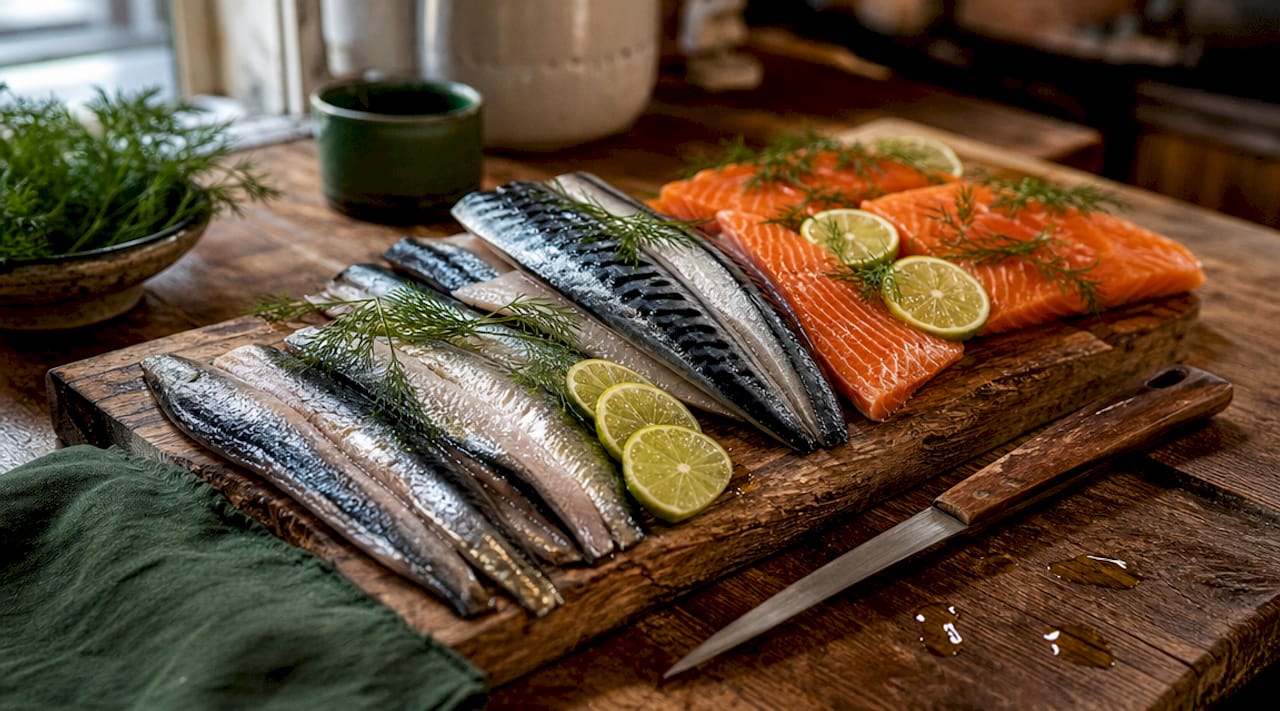
White fish such as sea bass, sea bream, hake, and cod deliver high-quality protein with very low fat content. They are not omega-3 powerhouses, but they contribute vitamin B12, selenium, zinc, and iron in meaningful quantities. For anyone managing caloric intake while maintaining protein targets, white fish is a precise tool.
Shellfish and bivalves round out the category. Mussels, clams, and oysters are rich in zinc and iron, supporting immune function and blood health. They are low in fat, high in protein, and among the most micronutrient-dense foods available at any price point. A bowl of steamed mussels with garlic and white wine is not just a classic Mediterranean dish. It is a genuinely efficient nutritional delivery system.
| Seafood type | Key nutrients | Primary health benefit |
|---|---|---|
| Fatty fish (sardines, anchovies, salmon) | EPA, DHA, vitamin D | Cardiovascular and brain health |
| White fish (sea bass, hake, cod) | Protein, B12, selenium | Lean protein, thyroid support |
| Shellfish (mussels, clams, oysters) | Zinc, iron, B12 | Immune function, blood health |
| Small whole fish (sardines, anchovies) | Calcium, vitamin D | Bone health via edible bones |
Pro Tip: When choosing between seafood types for weekly meal planning, prioritize fatty fish at least twice per week and use white fish or shellfish to fill the third serving. This rotation covers the widest nutritional range without redundancy.
The seafood nutritional value across these categories is why Mediterranean eating habits consistently outperform other dietary patterns in long-term health studies. Variety is not just culinary preference. It is nutritional strategy.
How does seafood support the health benefits of the Mediterranean diet?
The cardioprotective reputation of the Mediterranean diet is built substantially on its seafood component. Omega-3 fatty acids from fatty fish reduce systemic inflammation, support healthy heart rhythm, and lower triglyceride levels. These are not marginal effects. They are the mechanisms behind the diet’s documented association with reduced cardiovascular mortality.
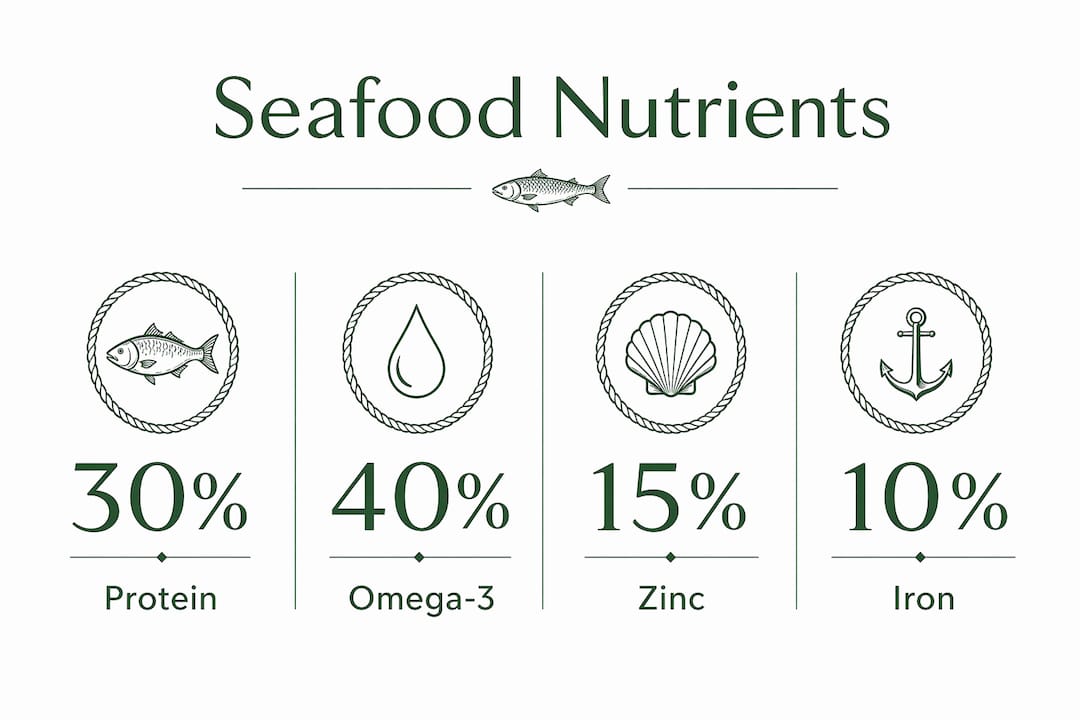
Whole fish consumption surpasses fish oil supplements for delivering these benefits. Supplements isolate one compound. Whole fish delivers omega-3s alongside protein, selenium, vitamin D, and B12 in a matrix the body absorbs more efficiently. The Mayo Clinic notes that regular fish consumption is preferred over omega-3 supplements except in specific clinical contexts. This distinction matters for anyone tempted to replace a grilled sardine with a capsule.
Eating small fish whole adds another layer of benefit that most people overlook. The tiny bones in sardines and anchovies provide natural calcium and vitamin D, nutrients typically lost when fish is filleted. This is a traditional Mediterranean practice with a measurable nutritional payoff.
“The health benefits of seafood, including cardiovascular and neurodevelopmental advantages, consistently outweigh the risks when consumers prioritize low-trophic species such as sardines and anchovies.” — Journal of Consumer Health Research
The brain health dimension is equally significant. DHA, the omega-3 concentrated in fatty fish, is a structural component of brain tissue. Regular consumption supports cognitive function across all age groups, with particular relevance for aging populations. The importance of fish in diet extends well beyond the heart.
Sustainability and safety when choosing Mediterranean seafood
Choosing the right seafood species is both a health decision and an environmental one. Small, wild-caught fish like sardines, anchovies, and mackerel sit low on the food chain. They accumulate far less methylmercury and other contaminants than large predatory species like tuna or swordfish. Eating lower on the food chain aligns health goals with ecological responsibility without requiring any sacrifice in flavor or nutrition.
Here is a practical framework for selecting Mediterranean seafood sustainably:
- Prioritize small, wild-caught species. Sardines, anchovies, and mackerel are the most sustainable choices in the Mediterranean basin. They reproduce quickly, are harvested in large volumes without significant stock depletion, and carry minimal contaminant risk.
- Follow seasonal availability. Seasonal fishing practices in Mediterranean coastal communities are not nostalgic tradition. Swordfish peaks in summer, sea bass in autumn. Eating in season means eating fish at its most flavorful and nutritionally optimal point.
- Read labels carefully. Look for certifications from the Marine Stewardship Council (MSC) or equivalent regional bodies. Wild-caught and line-caught designations indicate lower bycatch and more responsible harvesting.
- Source locally when possible. Fish sold within 24 to 48 hours of catch retains superior texture and nutrient integrity. Local fish markets and restaurants with direct supplier relationships are the most reliable source.
Pro Tip: Ask your fishmonger or restaurant which species arrived that morning. Freshness is the single most reliable indicator of both flavor and nutritional quality in seafood.
The sustainable seafood conversation has moved from niche concern to mainstream dining expectation. Restaurants and home cooks who align their sourcing with Mediterranean tradition are already practicing sustainability, often without labeling it as such.
Traditional cooking methods and their role in Mediterranean seafood cuisine
The role of fresh fish in Mediterranean cuisine is inseparable from how it is prepared. Traditional cooking methods, grilling over wood or charcoal, poaching in olive oil, baking with herbs and lemon, and slow curing, all share one defining characteristic. They preserve the nutritional integrity of the fish while building flavor through restraint rather than addition.
Grilling is the most direct method. High heat over short time seals the exterior, retains moisture, and requires nothing more than olive oil, sea salt, and perhaps a sprig of thyme. Sea bass grilled whole over charcoal is a standard preparation across Catalonia, Greece, and southern Italy precisely because it needs no improvement.
Poaching in olive oil, known in Catalan cuisine as confitat, cooks fish at low temperature in fat that carries flavor without overwhelming the protein. The result is a texture and depth that no other method produces. Mediterranean cooking techniques like this one demonstrate that traditional methods are technically sophisticated, not simply old-fashioned.
Curing is perhaps the most culturally specific practice. Collioure anchovies, aged for six or more months in salt, develop a concentrated umami flavor that defines entire regional cuisines. The curing process transforms a small, perishable fish into a pantry staple with a flavor profile no fresh product can replicate. This preservation tradition also reflects the Mediterranean coastal heritage of making the most of every catch.
Eating small fish whole, bones included, is another practice worth reviving. Beyond the calcium and vitamin D benefit, it connects the diner to a tradition of zero-waste cooking that predates modern sustainability movements by centuries.
Key takeaways
Seafood is the nutritional and culinary anchor of the Mediterranean diet, and choosing the right species, prepared with traditional methods, delivers health outcomes no supplement can replicate.
| Point | Details |
|---|---|
| Minimum seafood frequency | Eat 2 to 3 servings per week, prioritizing fatty fish for omega-3 EPA and DHA. |
| Small fish advantage | Sardines and anchovies minimize contaminant exposure and provide calcium via edible bones. |
| Whole fish beats supplements | Regular fish consumption delivers a broader nutrient matrix than isolated omega-3 capsules. |
| Seasonal sourcing matters | Buying fish in season maximizes flavor, nutrition, and ecological sustainability. |
| Traditional methods preserve nutrients | Grilling, poaching, and curing retain nutritional value better than high-heat frying. |
Why small fish deserve more respect on your plate
Most people building a Mediterranean-style diet focus on salmon. It is the most marketed, the most familiar, and the easiest to find in any supermarket. But the honest nutritional case points toward sardines, anchovies, and mackerel as the more complete choices.
Small fatty fish deliver comparable omega-3 levels at a fraction of the cost, with lower contaminant risk and a far smaller environmental footprint. They also provide calcium and vitamin D through their edible bones, a benefit salmon fillets simply do not offer. The Mediterranean fishing communities that developed this diet over centuries were not eating salmon. They were eating what the sea provided locally, and that was almost always something small.
The supplement industry has done a convincing job of separating omega-3s from the fish they come from. But whole fish consumption consistently outperforms capsules in clinical outcomes. The food matrix matters. Protein, minerals, and fat-soluble vitamins work together in ways that isolated compounds do not.
My recommendation is to treat sardines and anchovies as pantry staples rather than occasional additions. A tin of quality anchovies in olive oil, a jar of salt-packed sardines, or a fresh catch from a trusted local source covers more nutritional ground than most people realize. The seasonal fishing calendar used by Mediterranean coastal communities is a practical guide worth following, not just a romantic tradition.
— YellowRock
Experience authentic Mediterranean seafood at Elspescadors
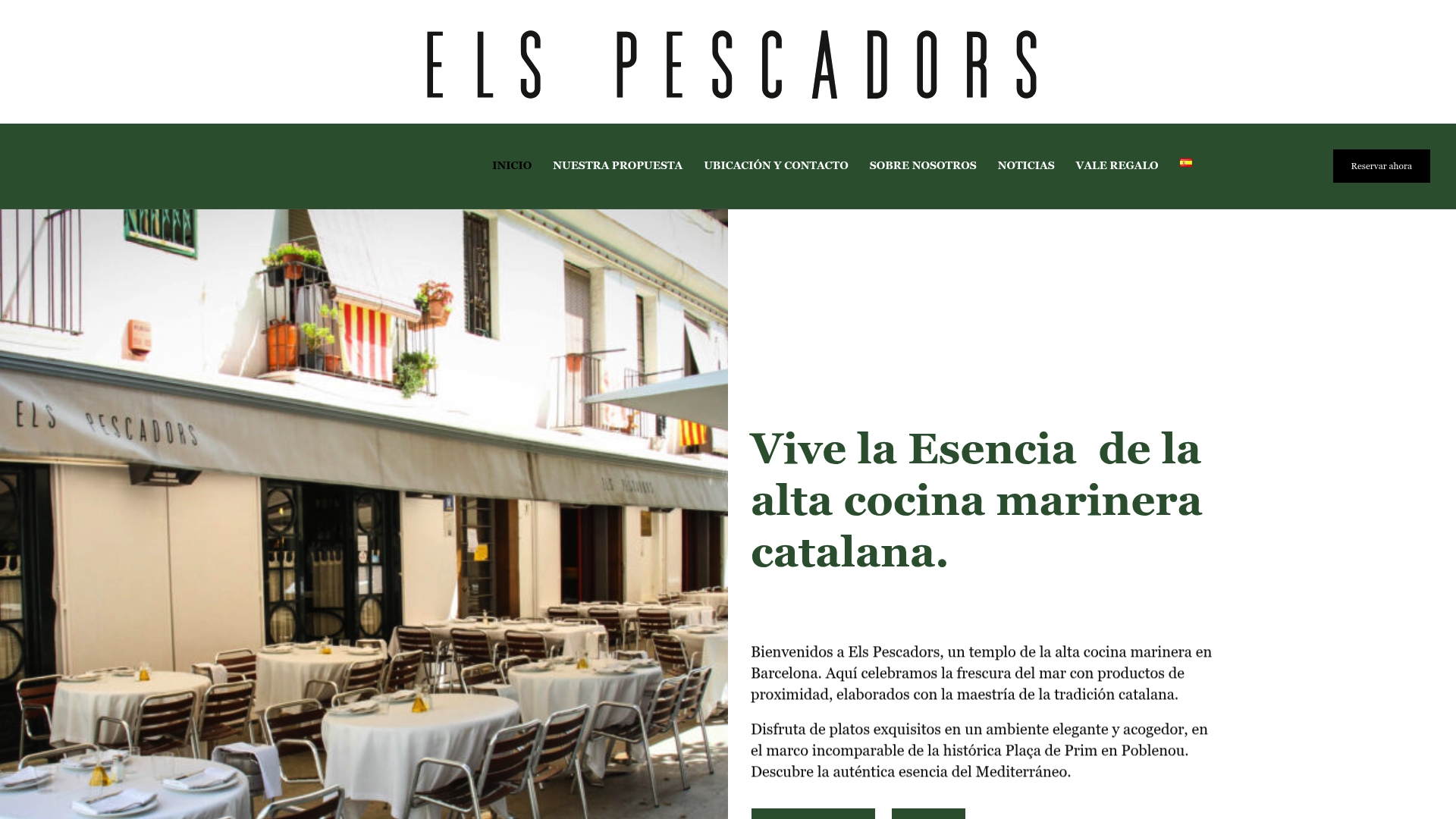
Elspescadors brings the full depth of Mediterranean seafood tradition to Barcelona’s historic Poblenou district. The kitchen at Plaça de Prim works with seasonal, locally sourced fish and shellfish, applying the same grilling, poaching, and curing techniques that define authentic Catalan maritime cuisine. Every dish on the menu reflects a direct relationship with the sea and with the suppliers who know it best.
If you want to understand what the Mediterranean diet looks like at its finest, explore the dining proposal at Elspescadors. From daily fresh catch to traditional rice dishes and curated tasting menus, the experience is designed for anyone who takes both food and health seriously. Reserve your table and taste the difference that sourcing, technique, and tradition make.
FAQ
How much seafood does the Mediterranean diet recommend?
The Mediterranean diet recommends 2 to 3 servings of seafood per week, with priority given to fatty fish rich in omega-3 fatty acids such as sardines, salmon, and anchovies.
What are the best seafood sources for omega-3s?
Fatty fish including sardines, mackerel, herring, anchovies, and salmon provide the highest concentrations of EPA and DHA, the omega-3s most directly linked to heart and brain health.
Is eating whole fish better than taking fish oil supplements?
Yes. Whole fish consumption delivers omega-3s alongside protein, selenium, and vitamin D in a nutrient matrix the body absorbs more effectively than isolated supplements.
Why are small fish recommended over large species?
Small species like sardines and anchovies accumulate less methylmercury than large predatory fish, and eating lower on the food chain reduces contaminant exposure while supporting ecological sustainability.
What cooking methods best preserve seafood nutrients?
Grilling, poaching in olive oil, and baking with herbs preserve the nutritional value of fish better than deep frying, while also aligning with the flavor principles of traditional Mediterranean cuisine.