Els Pescadors, in Barcelona’s Poblenou district, is a solid pick for a seafood-focused menú degustación that Barcelona diners actually rave about, built around whatever the boats bring in that week. Expect to pay somewhere between roughly €50 and €95 for a well-built tasting menu in the city, though the most elaborate marisquerías push past €150. The best of these menus change with the season, not the calendar, because the fish market decides what’s worth cooking.
TL;DR:
- Most seafood tasting menus in Barcelona cost between €50 and €95, with premium options exceeding €150 due to rare ingredients and wine pairings.
- Menus typically consist of six to twenty small courses, following a raw-to-cooked, light-to-rich sequence that emphasizes seasonality and freshness.
- Restaurants that change their menu seasonally and source ingredients locally tend to offer higher quality and better flavor, especially when dishes reflect current catch.
- Booking well in advance is advisable, especially for chef’s table seating or during peak seasons, and notifying the restaurant of dietary restrictions improves the experience.
- A well-curated wine pairing enhances seafood menus, but choosing one that focuses on regional wineries usually offers better value than rare international labels.
Table of Contents
- What Does a Seafood Tasting Menu in Barcelona Actually Include?
- What Do Affordable Tasting Menus in Barcelona Cost?
- How Do You Choose the Right Seafood Tasting Menu?
- When Should You Book a Seafood Tasting Menu?
- Els Pescadors: A Local Example of a Seasonal Seafood Tasting Menu
- What Small Choices Actually Improve the Experience
- Book a Table at Els Pescadors
- Sources
- FAQ
What Does a Seafood Tasting Menu in Barcelona Actually Include?
A proper menú degustación is a sequence of small plates, usually 6 to 20 individual moments, built to walk you through a chef’s full range rather than just filling you up. For a seafood-driven menu in Barcelona, that sequence almost always follows a logic tied to the sea itself: raw or lightly cured items first, then something warm and broth-based, then grilled or roasted fish, and finally a rice or noodle dish before dessert closes things out.
The Catalan and broader Mediterranean playbook shows up again and again across these menus:
- Fumet-based dishes, where a concentrated fish stock carries the whole plate, often in a suquet (a Catalan seafood stew) or a light broth spooned over shellfish.
- Brasa (grilled) preparations, where whole fish or large cuts get minimal seasoning so the char and the fish’s own flavor do the work.
- Minimal-intervention plates, like a simple tartare or a lightly torched piece of tuna, meant to show off ingredient quality rather than technique.
- Rice or fideuà courses, usually placed two-thirds through the menu, that act as a savory anchor before dessert.
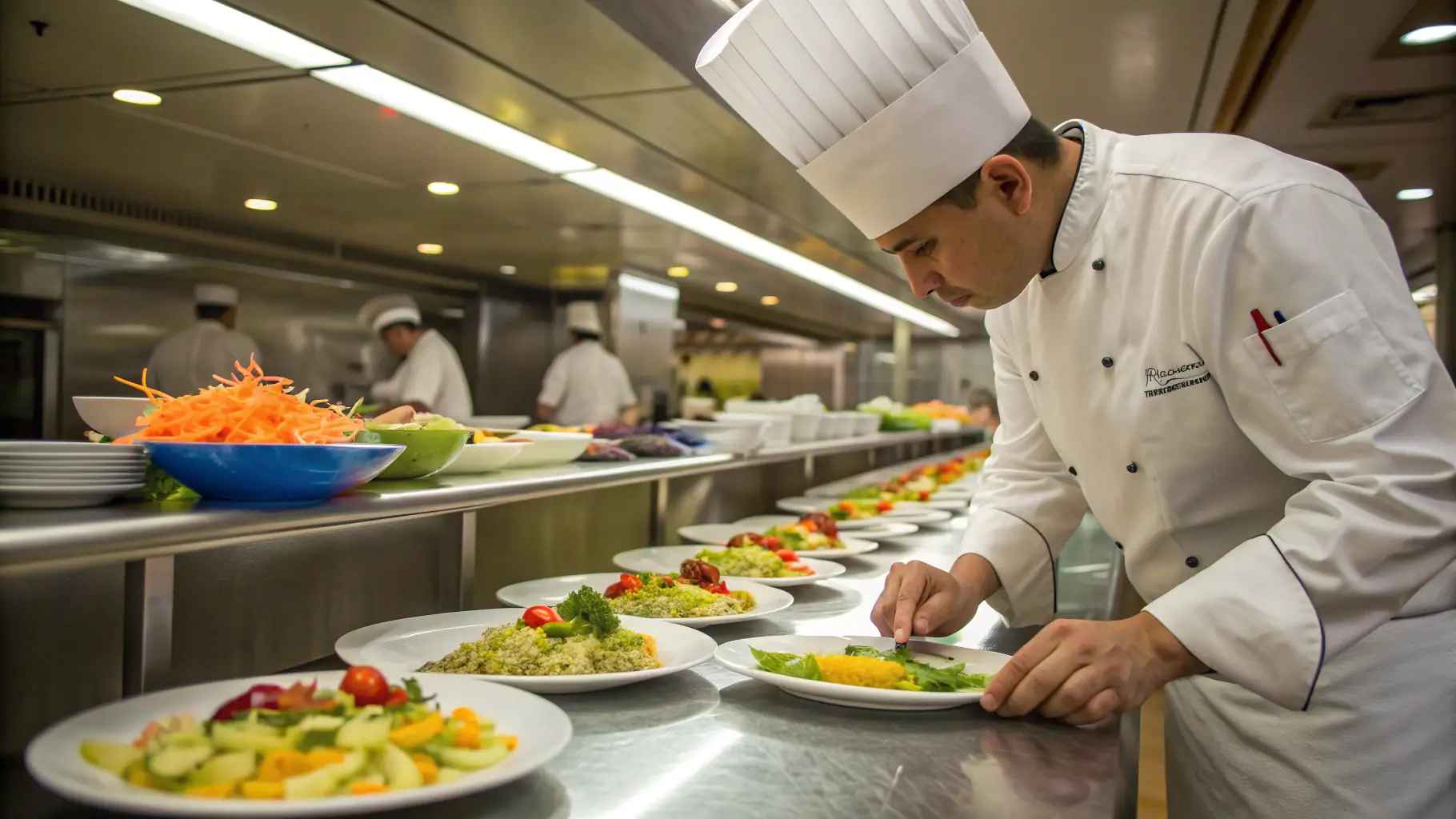
Portion size drops as the course count rises. A 12-course menu isn’t twelve full plates. It’s twelve carefully calibrated bites, each one small enough that you’re still hungry for the next but never stuffed halfway through. Temperature matters just as much as flavor here: a good kitchen alternates cold and hot courses deliberately, using that contrast to keep your palate from going flat. That’s the real skill in building one of these menus. Anyone can plate twelve dishes. Making twelve dishes feel like they’re building toward something is harder.
What Do Affordable Tasting Menus in Barcelona Cost?
Price bands in Barcelona for seafood tasting menus break down fairly cleanly once you know what you’re comparing.
- Under €50: Shorter menus, usually 5 to 7 courses, often leaning on smaller and less expensive species like mussels, squid, or anchovies prepared with real creativity.
- €50 to €100: The sweet spot for most quality marisquerías, where you’ll find menus like the ones documented at €72 for a shorter tasting and €95 for the longer version at one of the city’s standout seafood houses.
- €100 and above: Premium territory, where ingredients like Cantabrian prawns or Galician razor clams and wine pairings push the cost up. Enoteca Paco Pérez at Hotel Arts, for one, lists tasting menus at €150, €200, and €230 per person depending on scope.
Quick math: a menu at €72 versus one at €230 isn’t just “more expensive.” The gap usually comes down to rarer shellfish, a deeper wine cellar, and often a longer course count, not just a markup on the same food.
Roundups of budget-friendly options frequently list tasting menus under €50 to €60 across the city, but not all of them are seafood-first. Some blend in meat courses or lean heavily on vegetables to hit that lower price point. If seafood is the point of your evening, check the actual course list before booking on price alone. Holiday periods and peak tourist season also tend to nudge prices up 10 to 20 percent at the better-known marisquerías, so a menu that’s €65 in March might run closer to €80 in late December.
How Do You Choose the Right Seafood Tasting Menu?
Not every menú degustación labeled “seafood” delivers on that promise. Here’s a short checklist worth running through before you book:
- Does the restaurant state it changes the menu seasonally? A place that openly says its dishes shift with the catch, rather than running the same fixed menu year-round, is usually the safer bet for freshness.
- How many courses, and how long is the meal? Six courses at a relaxed pace reads differently than sixteen courses packed into two hours. Ask how long the full tasting typically runs.
- Can they name where the seafood comes from? A kitchen confident in its sourcing will tell you if the prawns are from the Costa Brava or the razor clams are Galician. Vague answers are a signal to look elsewhere.
- What wine pairing options exist, and who curates them? A sommelier-selected pairing built around Catalan and Mediterranean wineries usually offers better value than one leaning on rare international labels.
- How do they handle allergies or dietary restrictions? A kitchen that can adapt a shellfish-heavy tasting menu without gutting the experience is worth more than one that just removes a course and calls it done.
Pro Tip: Ask directly: “Do you change the menu based on catch, or is this fixed?” A confident, specific answer (naming a fish or shellfish currently in season) tells you more about quality than any online review.
Red flags worth noting: a menu that hasn’t changed in over a year despite claiming seasonal focus, vague sourcing answers, or a kitchen unwilling to adjust for a shellfish allergy on a seafood-centric menu. Any of those suggest the “market fresh” language is marketing rather than practice.
When Should You Book a Seafood Tasting Menu?
Timing affects both the food and the experience. Early in the week, particularly Tuesday and Wednesday, tends to bring the freshest catch since fewer boats go out over the weekend and restaurants restock early in the week.
- Book chef’s table or counter seating at least a week ahead. These formats put you closer to the kitchen and often come with extra explanation of each course, but seats are limited and fill fast at the better-known marisquerías.
- Flag dietary restrictions when you reserve, not when you sit down. Shellfish allergies especially need advance notice since so many courses build on crustaceans or mollusks.
- For groups of six or more, confirm whether the full tasting menu is available for the whole table or only a set menu variant, since some kitchens simplify service above a certain party size.
Els Pescadors: A Local Example of a Seasonal Seafood Tasting Menu
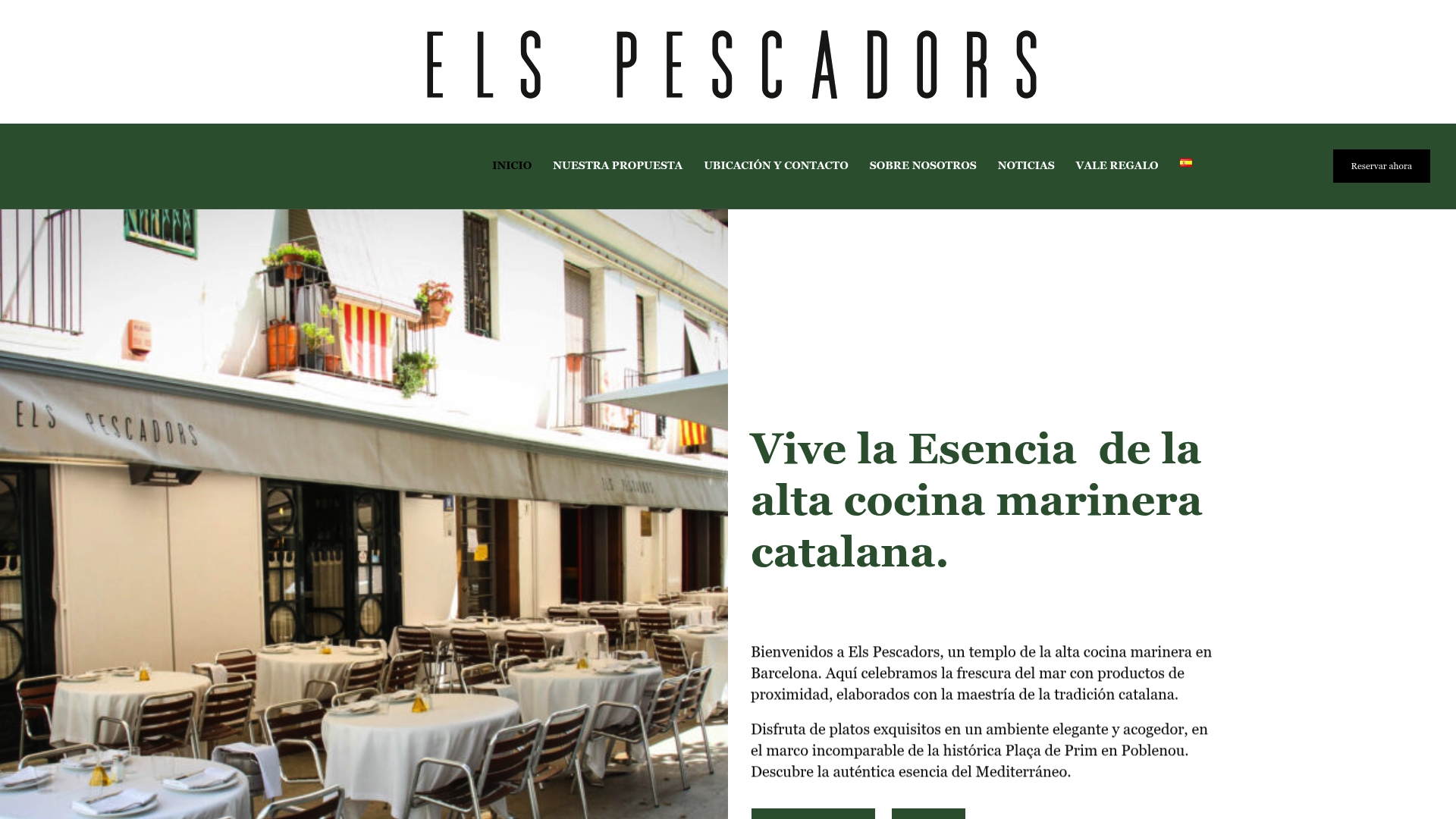
Els Pescadors, tucked into Plaça de Prim in Barcelona’s Poblenou neighborhood, runs its tasting menu on the same principle that separates the good marisquerías from the average ones: seasonality drives quality more than any fixed signature dish ever could. The kitchen builds its Catalan maritime menu around what the market actually delivers that week, rather than locking in a set list of dishes for the whole year.
That approach maps directly onto the checklist above:
- Menu changes with the catch. Rather than a static tasting menu, dishes shift to reflect what’s freshest, following the same logic that defines authentic seafood menus across the city’s better marisquerías.
- Structured course progression. The tasting menu follows the raw-to-cooked, light-to-rich sequence that defines the format, built around traditional Catalan rice dishes and fresh fish preparations.
- Pairing options built around the meal. Wine selections are chosen to complement the seafood-forward menu rather than compete with it.
Worth knowing: a restaurant that’s willing to swap star ingredients month to month is usually the one taking seasonality seriously rather than using the word as a marketing line.
For anyone comparing options across the city, Els Pescadors’ tasting menu page lays out current offerings and reservation details, and the seafood tasting menu roundup gives useful context for how it stacks up against other seasonal options in Barcelona.
What Small Choices Actually Improve the Experience
Wine pairing is worth the extra cost when the sommelier is building around regional Catalan and Mediterranean wineries. A well-curated pairing usually runs six to twelve references, and that range tends to track the seafood course by course rather than forcing one bottle through the whole meal. If the pairing leans on rare international labels instead, you’re often better off ordering a single strong bottle from the cellar and skipping the upcharge.
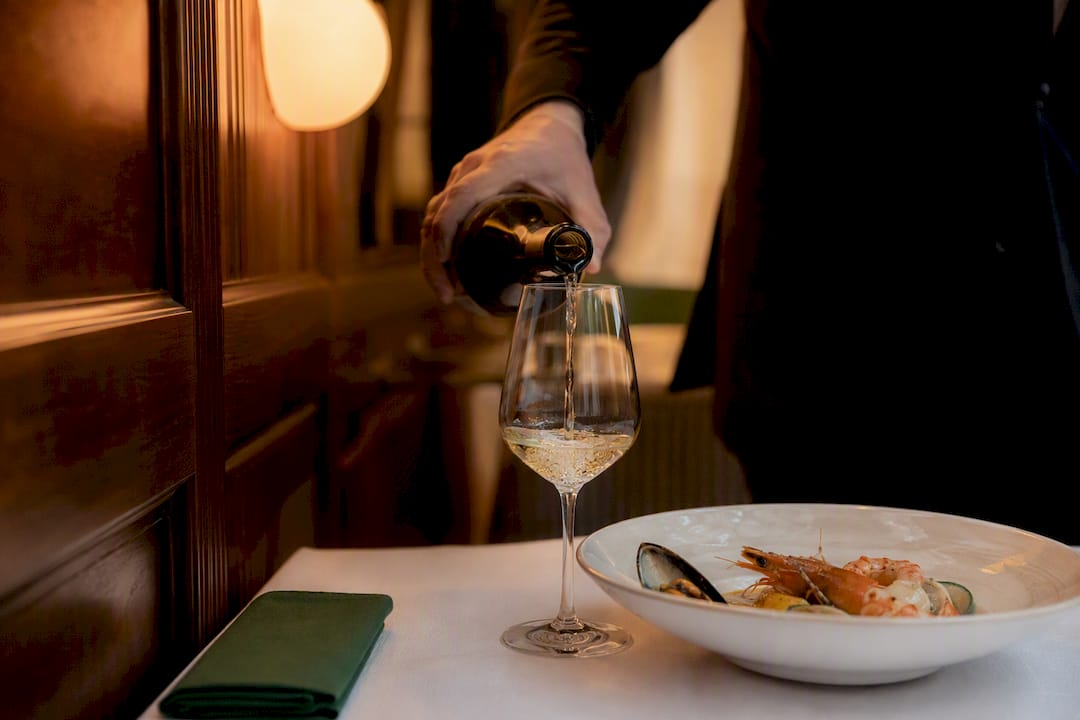
Pace matters more than people admit. Rushing through a 12-course menu defeats the purpose. Slow down on the two or three courses built around a single standout ingredient, a Cantabrian prawn or a whole grilled fish, and treat the smaller connecting courses as exactly that: connective tissue, not the main event.
A seasonal, catch-driven menu will almost always beat a fixed “signature” tasting menu for seafood lovers specifically, because the whole point of eating fish well is eating it close to when it left the water. A seasonal approach to produce and ingredients generally delivers better flavor than anything locked into a year-round formula, and seafood is even less forgiving of that mismatch than produce is.
— YellowRock
Book a Table at Els Pescadors
The restaurant offers a tasting menu that shifts with the market catch, located in the Poblenou area of Barcelona.
You’ll find current menu structure, course counts, and pricing on the tasting menu landing page, along with details on how the kitchen adjusts dishes as the season turns. Traveling with a larger party? The group dining proposal covers private menus and event dining, and the team can accommodate shellfish allergies or other dietary notes with enough advance notice. If you’re weighing chef’s-table seating against a standard table, ask when you reserve since counter seats are limited and go fast on weekends. Check current availability and book directly through the tasting menu page to lock in your date.
Sources
- La marisquería de Barcelona con el mejor menú degustación a medio camino entre el Atlántico y el Mediterráneo
- La esencia salvaje de la Mar d’Amunt, frente al mar de Barcelona
- ¿Qué es un menú degustación?
FAQ
What Is a Must-Eat Dish in Barcelona?
Fresh grilled or roasted fish and Catalan rice dishes like arròs negre or fideuà are among the city’s defining seafood dishes, and they show up frequently in tasting menus built around market catch.
Which Restaurant in Barcelona Has the Best Tasting Menu?
There’s no single answer, since it depends on budget and how seafood-focused you want the menu to be, but Els Pescadors stands out for building its tasting menu around seasonal, market-fresh catch rather than a fixed year-round list.
What Should I Expect to Pay for a Seafood Tasting Menu in Barcelona?
Most quality seafood tasting menus fall between €50 and €95, while premium marisquerías with rare shellfish and wine pairings can run €150 to €230.
How Many Courses Does a Menú Degustación Typically Have?
A menú degustación usually runs 6 to 20 courses, built to walk you through a chef’s full range rather than just filling you up.
Is It Worth Booking the Chef’s Table for a Tasting Menu?
Yes, if you want more interaction with the kitchen and detailed explanations of each course, but seats are limited and typically require booking a week or more in advance.