Most restaurant menus that claim to be “seasonal” are telling you something true but incomplete. The word gets used so loosely that it has lost some of its power, applied to everything from imported frozen fillets to genuinely wild, locally landed fish pulled from the Mediterranean that morning. If you care about flavor, integrity, and what you are actually eating, the difference matters enormously. This guide breaks down what a truly seasonal fish menu looks like in Barcelona, what drives the choices behind it, what you will find on your plate in spring and early summer, and how to tell a real one from a convincing imitation.
Table of Contents
- What is a seasonal fish menu?
- How seasonal choices are made: biology, fishing rules, and flavor
- Spotlight: Typical seasonal fish you’ll find in Barcelona (spring to early summer)
- Why seasonal fish menus matter: flavor, sustainability, and the true Catalan experience
- Why “seasonal” isn’t enough: The truth behind premium Barcelona fish menus
- Experience the best of seasonal fish in Barcelona
- Frequently asked questions
Key Takeaways
| Point | Details |
|---|---|
| Seasonal menus defined | A true seasonal fish menu highlights locally and wild-caught species at their biological and culinary peak. |
| Driven by nature and law | Menu choices are shaped by biology, sustainable fishing rules, and daily market realities in Barcelona. |
| Know what to look for | Authentic restaurants disclose catch sources, rotate dishes, and prioritize flavor, sustainability, and tradition. |
| Springtime specialties | In May, expect sardines, anchovies, mackerel, bonito, and octopus at their best on Barcelona’s top menus. |
| Seek authenticity | Food lovers should ask questions and look for market-driven menus to experience Catalan cuisine at its finest. |
What is a seasonal fish menu?
A seasonal fish menu is not simply a menu that changes every few months. According to Essència Barceloneta, a seasonal fish menu is one that changes according to what wild fish and seafood are naturally available in a specific period, shaped by biological cycles, water temperature, migration patterns, and active fishing regulations. That definition is worth sitting with, because it sets a high bar most menus do not clear.
The key distinction is that a truly seasonal menu concept responds to nature, not to purchasing convenience. A chef building one of these menus is working in close collaboration with the morning market, the fishing auction, and the unpredictability of the sea. The menu exists in service of the catch, not the other way around.
Here is how that compares to other common menu types:
| Menu type | Changes based on | Fish sourcing | Level of authenticity |
|---|---|---|---|
| Seasonal (authentic) | Biological cycles, fishing rules, catch availability | Wild, local, auction-sourced | High |
| “Seasonal” (in name only) | Quarterly chef decisions | Mixed, may include imports | Variable |
| Fixed menu | Chef preference or consistency | Often imported or farmed | Low to medium |
| Daily catch menu | What arrived that morning | Can be very local | High, if sourcing is transparent |
Barcelona has a genuine structural advantage here. The city’s proximity to the Mediterranean, combined with its active fishing ports and daily fish auctions, means that truly seasonal ingredients are always within reach. Chefs who use that system consistently produce menus that are alive in a way a fixed offering simply cannot be.
“A seasonal fish menu reflects what is legally fishable and at its culinary peak, not just what is available from a supplier catalog.”
Not every restaurant leverages that access, though. The word “seasonal” on a menu is not a guarantee of anything unless the sourcing behind it is visible and verifiable.
How seasonal choices are made: biology, fishing rules, and flavor
Understanding why a particular fish appears in May and disappears in August requires looking at several intersecting factors. These are not arbitrary chef decisions. They are driven by science, law, and the practical realities of a working fishing industry.
The main drivers behind seasonal menu choices in Barcelona include:
- Species reproduction cycles. Many fish are legally protected during spawning periods. Fishing them at this time would damage future populations, so regulations enforce closures. Chefs who respect the calendar honor these windows.
- Water temperature. Mediterranean water temperatures shift significantly across the year, affecting where fish migrate, how they feed, and ultimately their fat content and flavor profile.
- Migratory patterns. Some species move through the waters near Barcelona only at specific times of year. When they arrive, they are abundant, affordable, and at peak quality. Outside those windows, they are simply not here.
- Government fishing bans and quota systems. Spanish and EU regulations set hard limits on what can be caught and when. These rules directly shape what chefs can legally purchase from local auctions.
- The culinary peak window. Even when a fish is technically available and legal to catch, it may not be at its best. The authentic seasonal approach waits for the moment when seasonal seafood benefits align: the fish is wild, recently landed, and at its fattest, most flavorful, and best textured state.
This overlap between regulation and culinary excellence is what separates a truly rigorous seasonal menu from a loosely seasonal one. As InsideHook notes, “seasonal” can be understood in two overlapping ways: first, whether fishing is biologically and legally permitted, and second, whether the fish is at its actual culinary peak in terms of fat content, texture, and flavor. The best menus honor both simultaneously.
One traditional guideline that still has real relevance is the old “R Rule,” the folk wisdom that says you should only eat certain shellfish in months containing the letter R. September, October, November, December, January, February, March, April. Skip May, June, July, August. For oysters and mussels, there is actual biological logic here: warmer months coincide with reproduction periods when shellfish may carry toxins or lose their characteristic richness. A chef who knows this calendar works with it rather than against it.
Pro Tip: When reviewing a restaurant menu, look for specific catch details rather than vague seasonal language. A menu that says “sardines from the Barceloneta auction, landed this morning” is telling you something meaningful. A menu that says “seasonal fish” with no further detail is telling you almost nothing.
The sourcing chain matters too. Authentic seasonal fish in Barcelona is typically purchased at the lonja, the local fish auction where boats unload their catch and buyers compete for the day’s haul. Fish moving from boat to auction to kitchen in under 24 hours has a freshness and flavor that imported or farm-raised alternatives simply cannot match.
Spotlight: Typical seasonal fish you’ll find in Barcelona (spring to early summer)
May and early June represent one of the most exciting periods on the Barcelona seasonal fish calendar. The Mediterranean is warming up, certain species are returning from their winter depths, and the variety available at local markets is genuinely impressive. Understanding what is in season helps you make sharper, more satisfying choices when you sit down at a quality restaurant.
According to Peix a Casa, the following species are considered de temporada (in season) during May:
- Caballa (mackerel): Rich, oily, and deeply flavorful in spring. Its high fat content makes it ideal for grilling or curing.
- Boquerón (anchovy): Fresh anchovies in May are a Barcelona obsession. Eaten raw with lemon and olive oil, or lightly fried, they are almost impossibly good when truly fresh.
- Sardina (sardine): Sardines hit their peak fatness and flavor right before summer. A properly grilled sardine in May is a completely different experience from a canned or out-of-season version.
- Bonito del norte (white tuna): This species begins its Mediterranean run in late spring, arriving plump and firm with a clean, mild flavor that adapts beautifully to seared or braised preparations.
- Pulpo (octopus): Spring octopus from Mediterranean waters tends to be tender and sweet, excellent in slow-cooked rice dishes or prepared à la gallega (Galician style with paprika and olive oil).
Here is a quick reference table for spring and early summer seafood timing:
| Species | Peak months | Flavor profile | Best preparation |
|---|---|---|---|
| Mackerel | April to June | Rich, fatty, mineral | Grilled, marinated, en escabeche |
| Anchovy | March to June | Bright, clean, slightly briny | Raw, fried, cured |
| Sardine | May to July | Oily, intense, savory | Grilled whole, over open flame |
| Bonito del norte | May to September | Mild, firm, clean | Seared, braised, in rice dishes |
| Octopus | Year-round, peak in spring | Sweet, tender, earthy | Braised, grilled, with rice |
The practical implication of all this is that a menu at a serious restaurant in Barcelona changes almost daily between May and July. A chef working with seasonal seafood in Barcelona will adjust dishes based on what arrived at the lonja that morning. This also means that return visits to the same restaurant in the same month can yield meaningfully different experiences, which is part of what makes seasonal dining in this city so compelling.
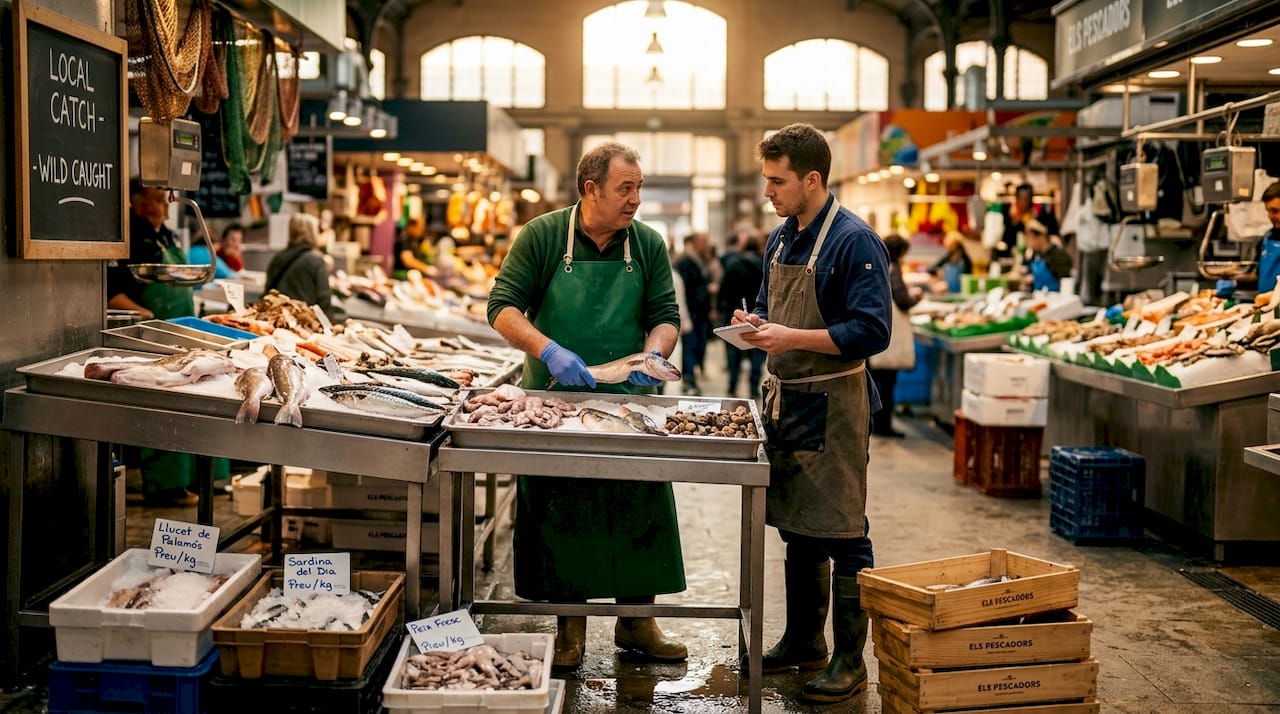
Pro Tip: Ask your server which fish arrived from the local auction that day. In a restaurant committed to true seasonality, they will know the answer and likely be proud to share it. If the answer is vague or the staff seems uncertain, that tells you something about how the kitchen sources.
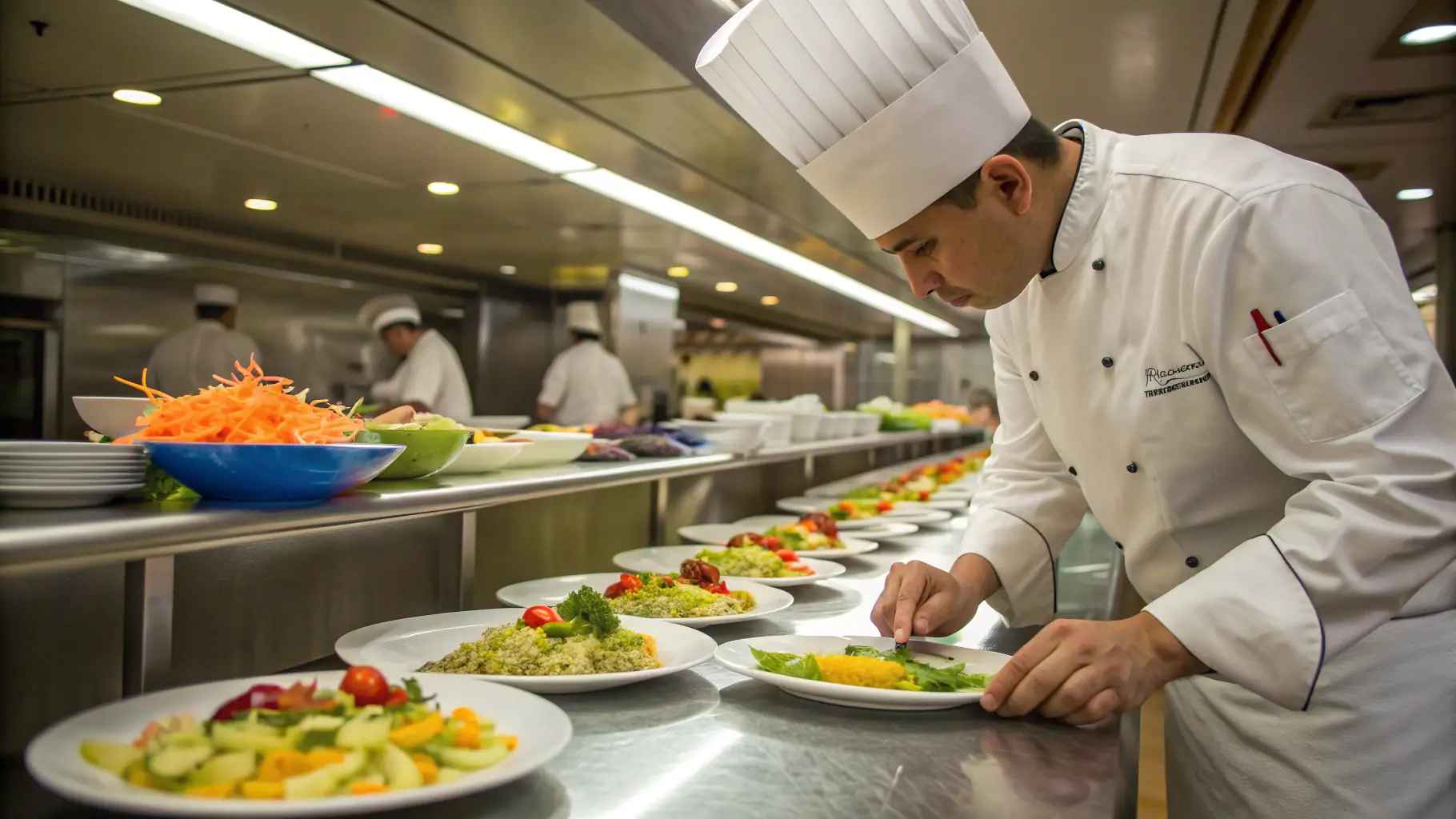
The way fish is selected seasonally by top Catalan kitchens involves daily communication with trusted market vendors, flexibility in menu planning, and the ability to build compelling dishes from whatever is best that morning rather than around a pre-determined menu structure. This requires genuine skill and commitment. It is harder than buying from a fixed supplier. And the results are obviously superior.
For anyone building their knowledge of local seafood in Barcelona, focusing on these spring species is a reliable starting point.
Why seasonal fish menus matter: flavor, sustainability, and the true Catalan experience
The case for choosing a restaurant with a genuine seasonal fish menu goes well beyond personal taste. There are real environmental, cultural, and culinary arguments that make it the right choice for a thoughtful diner.
Flavor is the most immediate reason. Fish caught locally, landed within hours, and cooked the same day has a texture and freshness that no supply chain optimization can replicate. The muscles are firm. The flesh is moist. The flavors are clean, vivid, and layered. A sardine eaten two days after landing tastes like a completely different fish from one eaten the day after it was caught.
- Wild fish feed on natural diets, producing richer flavor and superior nutritional profiles compared to farmed alternatives.
- Fish at biological peak (typically just before or during spawning preparation) carry higher fat reserves, which means more flavor and better cooking performance.
- Local sourcing eliminates the need for preservative treatments, chemical washes, or extended cold storage that alter texture and taste.
Sustainability is the second pillar. Respecting Catalan seasonal fishing means giving protected species time to reproduce, avoiding fishing during critical biological windows, and supporting the long-term health of Mediterranean fish populations. This is not abstract environmentalism. It is the practical foundation of keeping premium seafood available for future generations of diners and fishers.
“Locally caught seasonal fish is available shortly after unloading at the auctions, reflecting genuine biological and regulatory cycles,” according to Essència Barceloneta.
Cultural authenticity is the third reason, and often the most underappreciated. Catalan maritime cuisine evolved over centuries in direct relationship with the rhythms of the Mediterranean. The recipes, the techniques, and the flavor traditions of this cuisine are inseparable from the seasonal availability of specific fish. When you eat a genuine seasonal menu in Barcelona, you are eating the way this coast has always eaten. That continuity has real flavor and real meaning.
Pro Tip: A restaurant that sources seasonally is also, almost by definition, supporting local fishing families and small-boat operations. Choosing to eat there is a genuine form of economic support for the people and traditions that define this coastline.
Why “seasonal” isn’t enough: The truth behind premium Barcelona fish menus
Here is what most guides will not say directly: the word “seasonal” has been diluted almost to meaninglessness by restaurants that use it as marketing rather than as a genuine sourcing commitment.
We have seen menus at otherwise respectable establishments describe imported Atlantic fish as “seasonal Mediterranean catch.” We have seen frozen product dressed with fresh herbs and presented as though it arrived from the lonja that morning. These are not edge cases. They are common practice, and they matter because they mislead diners who are paying a premium for authenticity they are not actually receiving.
As Essència Barceloneta notes, some restaurants market a “seasonal” menu while using frozen, imported, or farmed fish. For a rigorous interpretation of seasonal, you need explicit disclosure of wild, locally landed, and seasonally available species.
The tell-tale signs of genuine seasonal sourcing are actually quite simple. Daily-changing menus are a strong indicator, because no kitchen can rotate daily unless it is genuinely buying from the morning market. “Market price” notations next to certain dishes signal that the price responds to supply, which is a feature of real auction-sourced purchasing. Staff who can tell you the specific port or auction where a fish was landed are demonstrating real operational transparency.
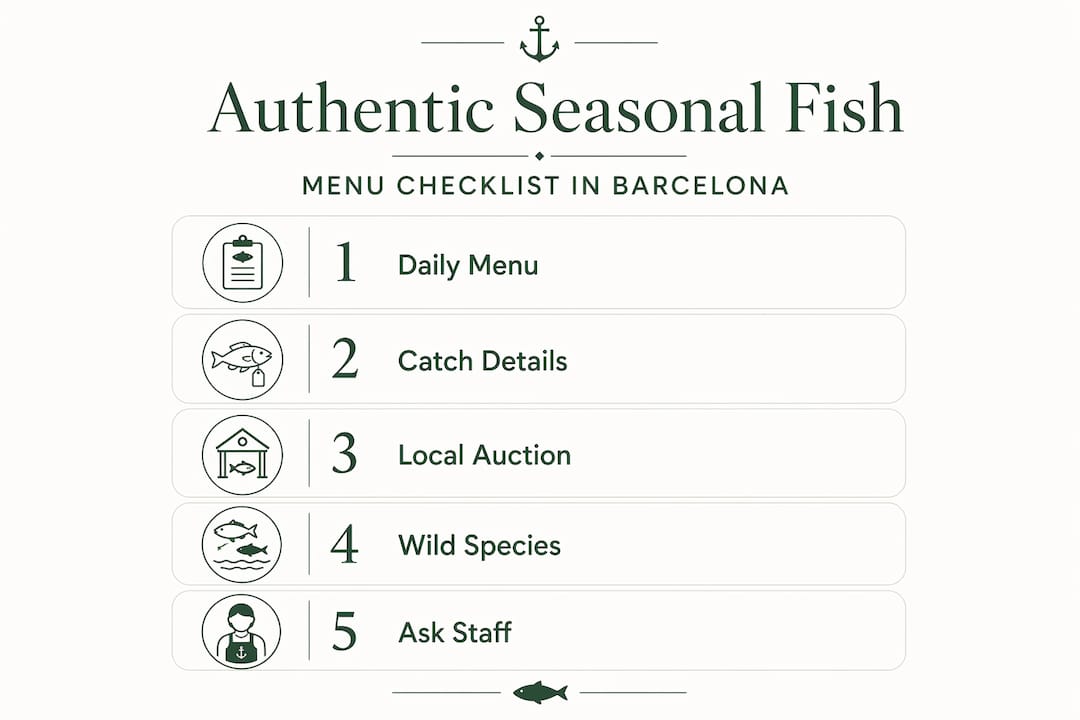
Conversely, a menu with every dish fixed and available year-round, with no reference to sourcing or catch origin, should prompt skepticism. Ask questions. In restaurants where the sourcing is genuine, chefs and servers are typically eager to talk about it. In restaurants where it is not, the conversation gets vague quickly.
The seasonal menu authenticity question ultimately comes down to this: is the menu serving the fish, or is the fish serving the menu? In a truly seasonal restaurant, the kitchen bends to what the sea provides. That requires discipline, creativity, and a genuine relationship with local suppliers. When you find a restaurant operating that way, the experience it delivers is simply not replicable anywhere else.
Experience the best of seasonal fish in Barcelona
At Els Pescadors, the commitment to seasonal fish is not a marketing position. It is the operational reality of how the kitchen runs every day.
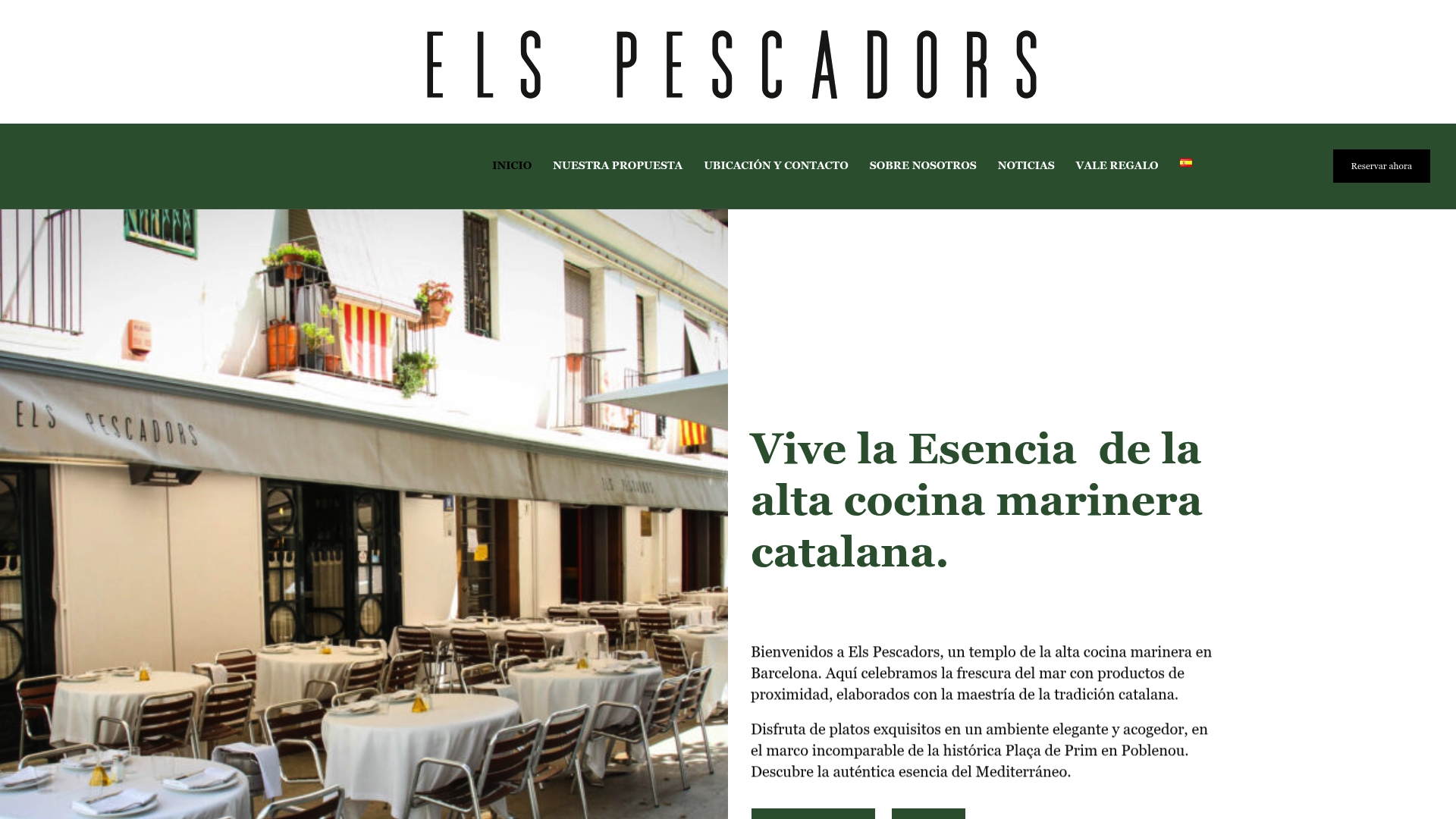
Located in the historic Poblenou district on Plaça de Prim, Els Pescadors sources from local Barcelona markets and auctions, building its menu around what is freshest, wildest, and most flavorful at any given moment. Our seafood philosophy reflects everything described in this guide: rigorous sourcing, respect for biological cycles, and an unapologetic commitment to Catalan maritime tradition. If you want to understand what a genuinely seasonal fish menu tastes like in practice, the best approach is to come and experience it. Explore top seafood tasting menus in Barcelona and see where Els Pescadors fits into your next culinary visit to the city.
Frequently asked questions
How can I tell if a restaurant’s seasonal fish is truly fresh and local?
Look for menus that change daily based on market availability, ask staff specifically about the catch source and which auction the fish came from, and favor restaurants that explicitly identify wild, locally landed species rather than using vague seasonal language.
Why do some species disappear from the menu during certain months?
Species are often removed due to legally enforced fishing bans during reproduction periods or because their biological cycles mean they are not naturally present in local waters at certain times of year, protecting both the fish population and the quality of what is served.
Is frozen or farmed fish ever considered seasonal?
Authentic seasonal menus prioritize wild, recently landed local fish; as Essència Barceloneta clarifies, using frozen or farmed alternatives is a less rigorous interpretation that does not align with the genuine seasonal philosophy.
What are the most recommended seasonal fish dishes to try in Barcelona during May?
Top choices include grilled sardines, fresh anchovies with lemon and olive oil, mackerel en escabeche, seared bonito, and octopus prepared Galician style, as mackerel, anchovy, sardine, bonito, and octopus are all at their natural peak during May in Barcelona.