The single most important difference between bogavante and langosta is physical: bogavante (Homarus gammarus or Homarus americanus) has two large, powerful front claws, while langosta (Palinurus elephas and related palinurids) has none and instead carries a pair of very long, spiny antennae. That one detail settles most identification questions before you even get to flavor.
- Bogavante = Homarus gammarus (European) or Homarus americanus (Atlantic/North American); family Nephropidae. Recognizable by its large claws.
- Langosta = Palinurus elephas (common spiny lobster) and other palinurids; family Palinuridae. No front claws; identified by long, spiny antennae.
Buyer tip: At a fishmonger or market stall, look at the front appendages first. Big claws? Bogavante. Long spiny antennae and a smooth-ish front? Langosta.
Key Takeaways
Bogavante and langosta are distinct species with different bodies, habitats, flavors, and culinary roles, and knowing which is which changes how you buy, cook, and order them.
| Point | Details |
|---|---|
| Physical identification | Bogavante has large front claws; langosta has long spiny antennae and no claws. |
| Culinary fit | Use bogavante for rice dishes and broths; use langosta for grilled or plated tasting-menu courses. |
| Price and yield | Langosta typically costs more per kilogram; bogavante offers better overall meat yield from claws and tail combined. |
| Sustainability | Look for MSC (wild-caught) or ASC (farmed) labels and ask about catch method and season. |
| Elspescadors | The Barcelona restaurant uses both species seasonally, bogavante in rice dishes and langosta in tasting menus. |
Table of Contents
- What species are bogavante and langosta, exactly?
- How to tell bogavante and langosta apart at a glance
- Where each species lives and what that means for Central European markets
- How bogavante and langosta taste and how chefs use them
- Price, availability, and what you actually get for your money
- Sustainability and seasonality: what labels to look for
- How to buy and cook bogavante and langosta at home
- A chef’s perspective on choosing between the two
- Taste both at Elspescadors in Barcelona
- Sources
- FAQ
What species are bogavante and langosta, exactly?
The naming confusion runs deep, and English makes it worse. In English, both animals get called “lobster” or “spiny lobster,” which has driven translation errors across cookbooks and restaurant menus for decades. In Spanish, the distinction is precise and worth keeping.
Homarus gammarus, the European bogavante, belongs to family Nephropidae. It is a decapod crustacean with an elongated carapace, muscular tail, and two large front claws that can crack shellfish and hold prey. Its North American cousin, Homarus americanus, shares the same body plan. Both are what most people picture when they hear “lobster” in an English-speaking context.
Palinurus elephas, the common langosta of the Atlantic and Mediterranean, belongs to family Palinuridae. It has no front claws at all. Instead, it relies on long, heavily spined antennae for defense and navigation. Other palinurids from warmer Atlantic and Indo-Pacific waters share this body plan, which is why the category is sometimes called “spiny lobster” in English, a term that covers dozens of species.
How to tell bogavante and langosta apart at a glance
Both species turn red when cooked, which creates real marketplace confusion. Identification must rely on appendages and shell texture before cooking, not after.
| Feature | Bogavante (Homarus) | Langosta (Palinurus) |
|---|---|---|
| Front appendages | Two large, heavy claws | No claws; very long spiny antennae |
| Carapace texture | Relatively smooth | Spiny, rougher surface |
| Tail/abdomen | Wide, muscular | Longer, slightly more slender |
| Live color | Dark blue-green to black | Reddish-brown to orange |
| Typical weight | Medium-sized specimens commonly available | Medium-sized specimens commonly available |
| Cooked color | Bright red | Bright red |
The diagnostic is simple: check claws and antennae before cooking. A bogavante’s claws are unmistakable. A langosta’s antennae can be as long as its body.
- Bogavante carapace: smoother, with a pronounced rostrum (the spike between the eyes)
- Langosta carapace: covered in small spines, no large claws, antennae often longer than the body
- Both species: wide, fan-shaped tail fin used for swimming backward
Where each species lives and what that means for Central European markets
Geography shapes supply, price, and freshness in Central Europe more than most buyers realize.
- Bogavante (Homarus gammarus): Cold-temperate Atlantic waters, from Norway south to the Azores, including the Cantabrian Sea and the coasts of Brittany and Ireland. Prefers rocky seabeds at depths of 0–150 meters. Peak season runs roughly Spring through early Autumn.
- Langosta (Palinurus elephas): Warmer Mediterranean and eastern Atlantic waters, from the Canary Islands north to the British Isles, with strong populations around the Balearic Islands, Corsica, and the Adriatic. Prefers rocky and coral-rich seabeds at 20–200 meters.
For Central European buyers, bogavante arrives most reliably from nearby Atlantic fisheries, where temperature-controlled logistics are well established. Langosta supply depends more on season and origin: Mediterranean-caught specimens arrive fresh in summer and early Autumn, while off-season supply often means frozen imports from further afield.
Origin labels matter. A bogavante labeled “Cantábrico” or “Bretaña” is likely fresher than one with a vague “Atlantic” tag. For langosta, “Mediterráneo” or a specific island origin (Menorca, Cerdeña) signals a premium, locally caught product. Check the fresh catch criteria before buying.
How bogavante and langosta taste and how chefs use them
The flavor difference is real and it matters for cooking decisions.
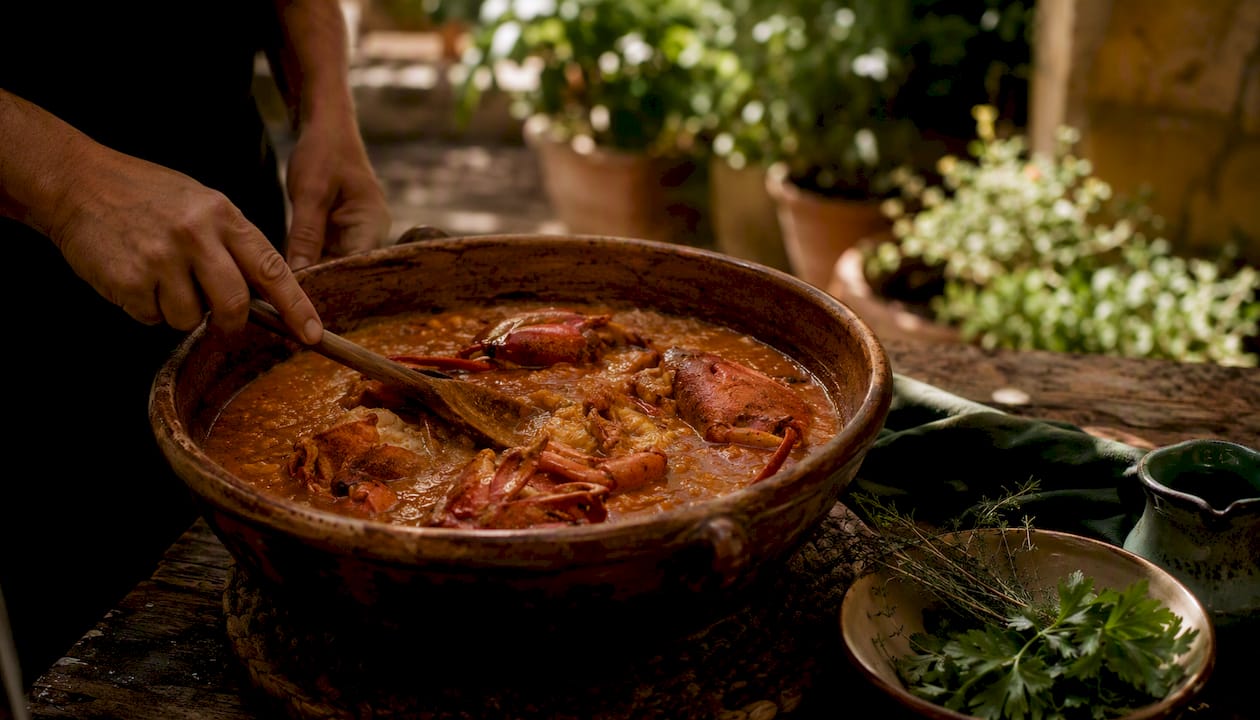
Bogavante meat is more robust and juicy, with substantial edible portions in both the claws and the tail. The claw meat is buttery and tender; the tail is firm but succulent. That richness makes bogavante the natural choice for dishes where the crustacean’s juices do heavy lifting: arroz caldoso, caldereta, and long-simmered bisques. The shells produce a deeply flavored stock.
Langosta tail meat is firmer, more delicate, and cleaner in flavor. There is no claw meat to work with, so the tail is the entire culinary focus. Chefs favor langosta for quick, high-heat presentations: split tail on the plancha with olive oil and sea salt, or a refined thermidor-style preparation. The delicacy of the meat rewards simplicity.
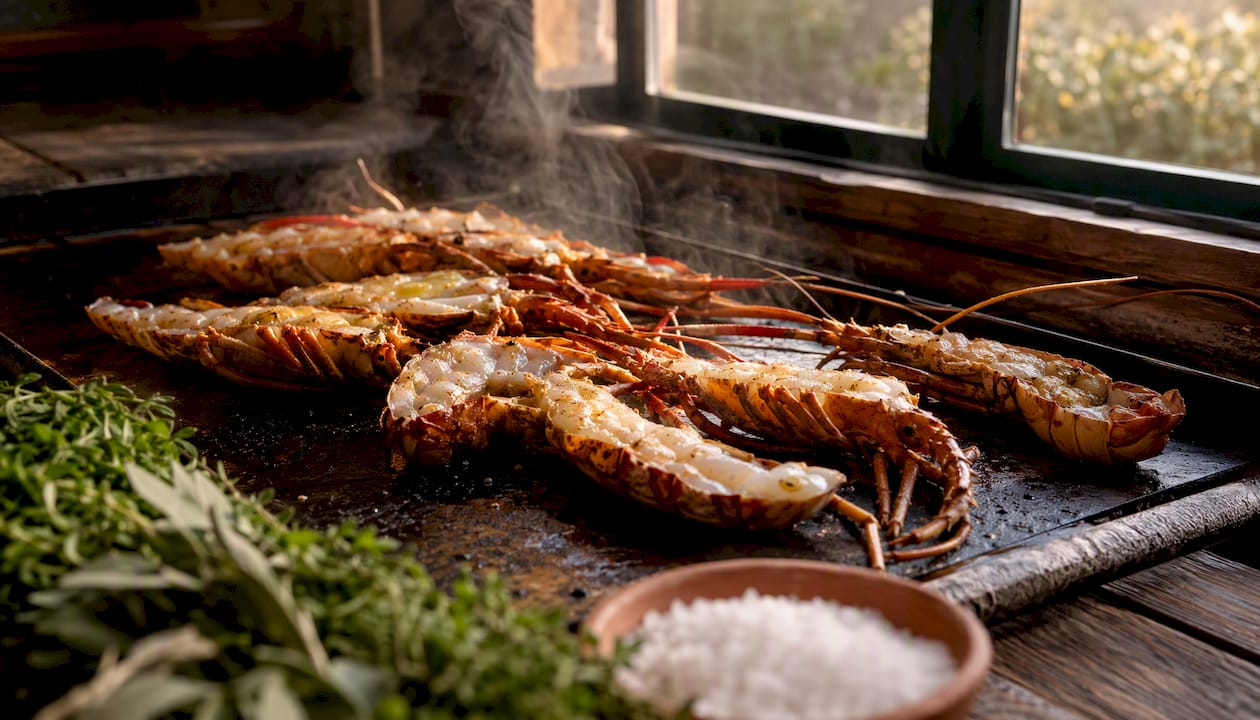
Bogavante suits stocks and rice dishes; langosta suits grilled or plated tasting-menu courses. Pairing either with a crisp Albariño or a structured white Burgundy works well, and food and wine pairing guides can help you match the right bottle to the intensity of each preparation.
Pro Tip: Never overcook either species. Bogavante claws need 8–10 minutes in a gentle simmer; langosta tail on a hot plancha takes 4–5 minutes per side. Overcooked crustacean meat turns rubbery and loses the flavor distinction you paid for.
Price, availability, and what you actually get for your money
Langosta tends to command a higher price per kilogram in Central European markets, driven by its relative scarcity, the difficulty of harvesting from rocky Mediterranean seabeds, and strong demand from fine-dining kitchens. Bogavante is more consistently available and often slightly more affordable, though premium Cantabrian specimens during peak season can rival langosta prices.
Yield matters when comparing value:
- Bogavante: Edible meat in claws plus tail; claws alone can represent a significant portion of total meat weight. Better overall yield per kilogram of whole animal.
- Langosta: Edible meat concentrated almost entirely in the tail. Impressive tail size, but no claw contribution.
Practical buying checklist for Central European fishmongers and markets:
- Live movement: A fresh bogavante or langosta should move its legs and tail when handled. Sluggish movement signals stress or age.
- Smell: Clean, ocean-fresh. Any ammonia note means it has been out of water too long.
- Firmness: Shell should feel hard and intact, not soft or damaged.
- Origin label: Prefer named sea or region over generic “imported.”
- Size vs. price: Mid-sized specimens (600g–1.2kg for bogavante; 500g–900g for langosta) typically offer better meat-to-shell ratios than very large ones.
- Live vs. frozen: Live is always preferable for flavor; frozen can be excellent if blast-frozen at sea, but avoid specimens with freezer burn or ice crystals inside the packaging.
Sustainability and seasonality: what labels to look for
Both species face fishing pressure across European waters, and responsible sourcing is worth the extra attention. The MSC (Marine Stewardship Council) blue label on wild-caught crustaceans signals that the fishery has been independently assessed for sustainability. For farmed or cultured products, the ASC (Aquaculture Stewardship Council) certification applies.
Seasonal closures exist across European fishing zones to protect breeding populations. Langosta in the Mediterranean is typically subject to closed seasons in late Spring and early Summer, which is precisely when demand peaks. Buying during the closed season usually means frozen product. Bogavante from the North Atlantic and Cantabrian coast has its own regulated seasons, which vary by country and fishing zone.
Pro Tip: Ask your fishmonger directly: “Is this from this season’s catch, and what gear was used?” Pot-caught or creel-caught bogavante and langosta cause far less seabed damage than trawled specimens. A supplier who can answer that question is one worth trusting.
How to buy and cook bogavante and langosta at home
Follow this numbered checklist at the market, then use the short recipe outlines below.
- Check for live movement and a clean ocean smell.
- Confirm the origin label names a specific sea or region.
- Look for an MSC label or ask about catch method.
- Choose mid-sized specimens for the best meat-to-shell ratio.
- Transport in a cool, damp cloth, not submerged in fresh water.
Quick plancha langosta tail (serves 2):
- Split the tail lengthwise with a sharp knife. Brush with olive oil and a pinch of sea salt.
- Place cut-side down on a very hot plancha or cast-iron pan for 4–5 minutes until the flesh turns opaque and lightly charred.
- Flip, cook 2 minutes more, finish with a squeeze of lemon. Rest 1 minute before serving.
Short-simmered bogavante broth (serves 2–3):
- Halve the live bogavante and sear cut-side down in olive oil for 3 minutes until the shell colors.
- Add sofrito (onion, tomato, garlic), a splash of brandy, and enough fish stock to cover halfway. Simmer 12–15 minutes.
- Remove the bogavante, reduce the broth by a third, and serve over short-grain rice or with crusty bread.
Pro Tip: Save every shell. Roast the empty shells briefly in a hot oven, then simmer in water with a bay leaf and a splash of white wine for 20 minutes. Bogavante shells produce a deeper, richer stock than langosta; both are far better than any store-bought fumet. Use it as the base for your next rice dish or bisque.
A chef’s perspective on choosing between the two
At Elspescadors, the choice between bogavante and langosta is never arbitrary. For a arroz caldoso or a suquet, bogavante is the answer every time. The claws release their juices into the broth as the rice cooks, and the result is a depth of flavor that langosta simply cannot replicate in that context. The shells go straight into the stock pot after service.
For a refined tasting menu course, the calculus reverses. A langosta tail, split and finished on the plancha, plated with a light romesco or a citrus-herb oil, is a study in restraint. The delicate meat holds its own as the centerpiece of a plate. Put bogavante in that same role and the richness can overwhelm the other elements.
The practical lesson for Central European diners: if you are ordering a rice dish or a seafood stew, bogavante is the better choice. If the menu offers a grilled crustacean as a standalone course, langosta is worth the premium. Both species appear on the Catalan seafood menu at different times of year, and the kitchen’s decision always follows the season and the dish.
Taste both at Elspescadors in Barcelona
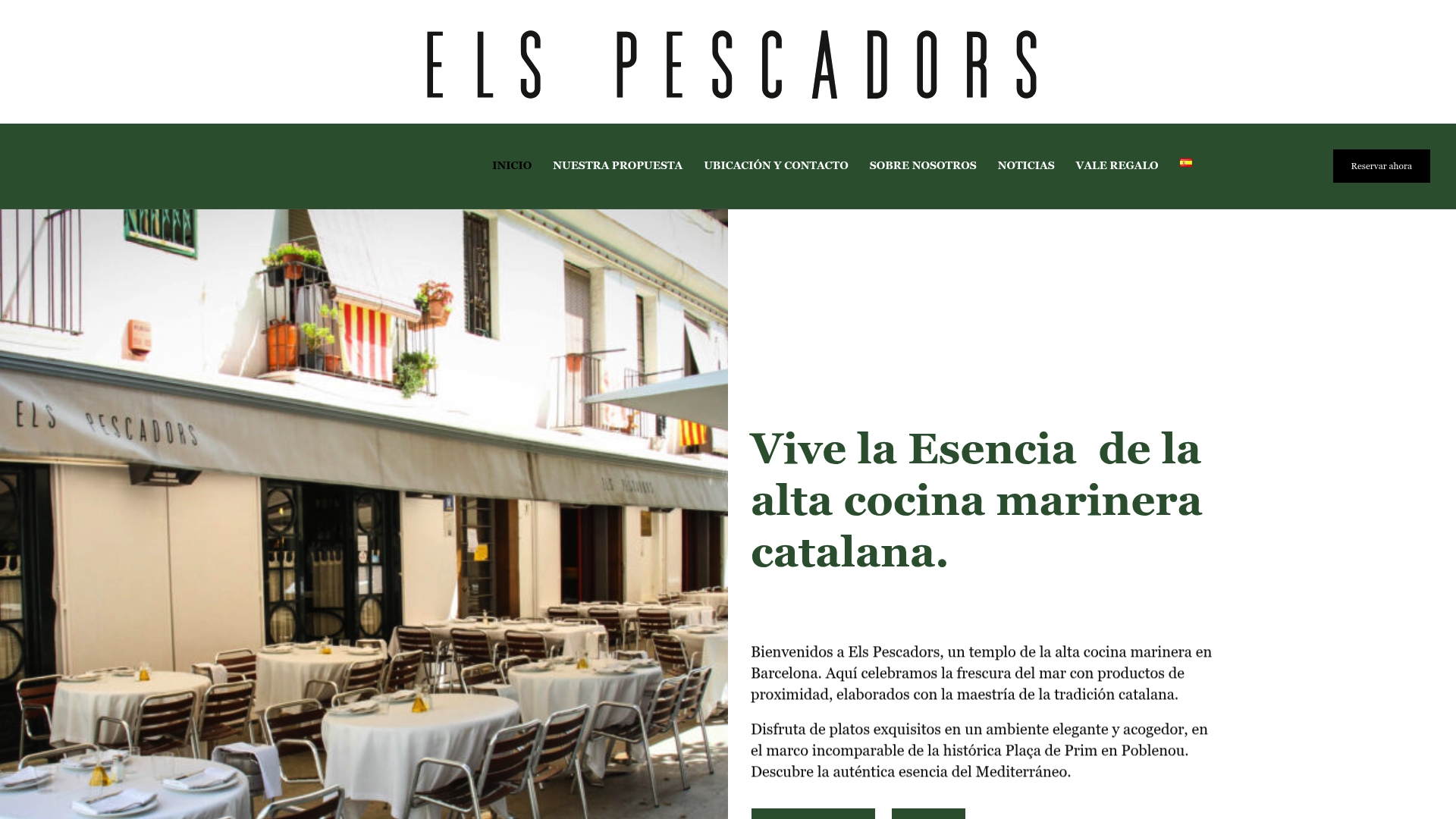
Elspescadors, in Barcelona’s historic Poblenou district, is where the distinction between bogavante and langosta moves from theory to plate. The kitchen works with seasonal, locally sourced crustaceans, choosing bogavante for its signature rice dishes and langosta for refined tasting menu courses, depending on what the season and the catch allow. You get the real thing, cooked the right way, with no guesswork about origin or freshness.
If you want to experience both species in their best culinary context, the tasting menu at Elspescadors is the most direct route. Group bookings and private dining are also available for those who want to share the experience. Check current availability and reserve your table directly on the site.
Sources
The following references were used to verify species taxonomy, culinary distinctions, and sustainability standards throughout this article:
- Diferencias entre bogavante y langosta – Compesca
- Bogavante – Centro Interactivo del Pescado
- Langosta vs bogavante: diferencias y usos – Mariscos Anamar
- Homarus gammarus – Wikipedia, la enciclopedia libre
- What is sustainable fishing? – MSC (Spanish)
FAQ
What is the main difference between bogavante and langosta?
Bogavante (Homarus gammarus) has two large front claws; langosta (Palinurus elephas) has none and is identified by very long, spiny antennae. Both turn red when cooked, so check the appendages before cooking.
Which is more expensive, bogavante or langosta?
Langosta generally costs more in Central European markets due to its relative scarcity and harvesting difficulty, though some premium bogavante can be similarly priced during peak season.
What kind of animal is a bogavante?
Bogavante is a decapod crustacean in family Nephropidae, specifically Homarus gammarus (European) or Homarus americanus (North American), with an elongated carapace, muscular tail, and two large front claws.
Which has more meat, langosta or bogavante?
Bogavante typically offers better overall meat yield because edible meat comes from both the claws and the tail. Langosta meat is concentrated almost entirely in the tail, with no claw contribution.