Group seafood dining ideas are curated shared-meal experiences built around flavorful, interactive seafood dishes that turn any gathering into a celebration. The best formats, from Cajun seafood boils to chilled charcuterie boards, do more than feed a crowd. They create the kind of table energy that keeps people talking for hours. Whether you are planning a birthday dinner, a summer backyard party, or a family reunion, the right seafood setup transforms a meal into an event. This guide covers the most effective formats, practical portioning, and the specific techniques that separate a forgettable dinner from a feast people request again.
1. the classic seafood boil: best group dining seafood recipe
A seafood boil is the gold standard of communal seafood dining. It scales easily, costs less per head than plated alternatives, and creates a shared ritual that no other format matches. The social engagement of a Cajun boil is unmatched: guests wear gloves, which keeps phones off the table and attention on each other.
Pot size and portioning
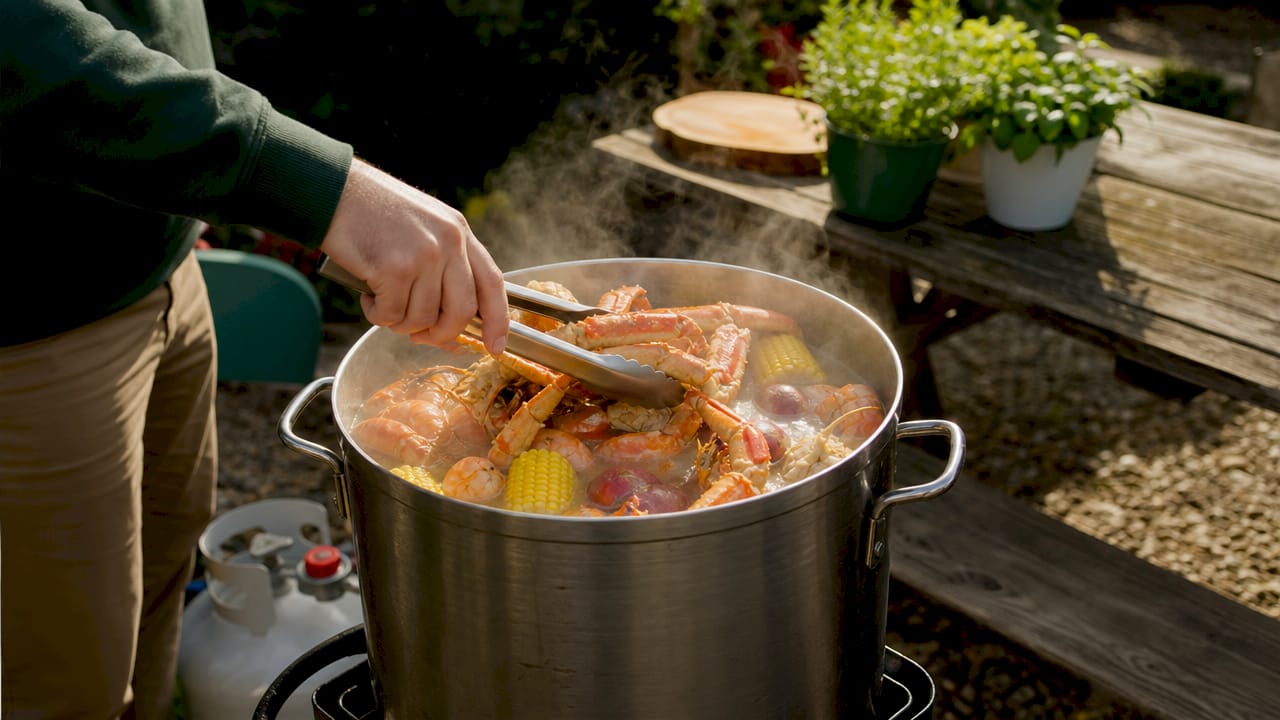
Getting the pot size right is the single most important logistics decision. A 100-quart pot serves 25–35 people using 25–30 lbs of seafood, 15–20 lbs of potatoes, and 30–40 ears of corn. That scale tells you exactly what to buy and prevents the most common hosting mistake: running out of food mid-table. For smaller groups of 6–12 people, one large or two medium pots give you better seasoning control and more consistent cooking quality.
Staged cooking: the technique that matters most
Staged cooking means adding ingredients based on how long each one needs. Hard vegetables like potatoes go in first, corn follows, and delicate seafood like shrimp and crab go in last. This prevents the rubbery, overcooked texture that happens when everything hits the pot at once. Expert hosts stagger cooking times and use proper tools rather than guessing. Shrimp are done when they curl into a C shape. An O shape means they are overcooked and should come out immediately.
Pro Tip: After turning off the burner, dump 10 lbs of ice directly into the pot. This ice shock technique stops cooking instantly and locks in tenderness across every piece of seafood in the batch.
Table setup for a boil
- Line the table with thick, food-safe parchment liners rather than standard paper. Juicy sauces soak through thin paper fast.
- Pre-set seafood mallets, crab crackers, and wet wipes at every seat before guests arrive.
- Use Old Bay seasoning as your base and offer Cajun spice blends on the side for guests who want more heat.
- Dump the boil directly onto the lined table for the full communal effect.
2. seafood charcuterie board: effortless summer entertaining
A seafood charcuterie board is the low-stress alternative to a hot boil. It serves chilled seafood on a large board or platter, letting guests graze at their own pace. Chilled seafood boards remove timing pressure entirely, which means you spend more time with your guests and less time managing a stove. That shift in dynamic changes the whole feel of the gathering.
What to include
- Cooked shrimp with cocktail sauce and lemon wedges
- Crab legs, pre-cracked for easy self-service
- Smoked salmon with cream cheese and capers
- Oysters on the half shell with mignonette sauce
- Accompaniments: crackers, sliced cucumbers, pickled vegetables, and fresh herbs
Pro Tip: Buy pre-cooked shrimp and crab legs from a trusted fishmonger the morning of your event. Preparing most items ahead means you only need to arrange and chill the board, not cook anything.
Scaling a seafood board is straightforward. Plan roughly 4–6 oz of seafood per person as a starter, or 8–10 oz per person if the board is the main event. A board for 12 people needs two large serving platters arranged side by side. The visual impact of a well-loaded board also does social work: it signals abundance and invites people to gather around it naturally.
3. paella and seafood stews for interactive group meals
Paella is one of the best seafood dishes for groups because it is both a cooking performance and a meal. A traditional Valencian or Catalan seafood paella cooks in a wide, shallow pan over an open flame, and the process draws a crowd before the food is even ready. You can follow a step-by-step paella preparation to get the rice-to-liquid ratio right, which is the part most home cooks get wrong.
Cioppino, the San Francisco seafood stew, is another strong option for groups. It uses a tomato and wine broth loaded with clams, mussels, shrimp, and fish. It serves well from a large pot at the center of the table with crusty bread for dipping. Both paella and Cioppino reward seasonal, fresh ingredients, which directly affects the depth of flavor in the final dish.
4. grilled seafood platters for outdoor gatherings
A grilled seafood platter works especially well for backyard parties and outdoor events. The grill itself becomes a social hub. Guests gather around it, watch the cooking, and the smell alone sets the mood. A well-built platter includes variety: whole fish like branzino or sea bass, shell-on shrimp, scallops, and lobster tails.
The key to a great grilled platter is timing each protein correctly and serving everything at once. Scallops take 2–3 minutes per side. Lobster tails take 5–7 minutes. Whole fish take 8–10 minutes depending on size. Arrange everything on one large board and bring it to the table together. Offer three sauces: a garlic butter, a chimichurri, and a simple lemon aioli. Variety in sauces lets every guest customize their plate without requiring separate dishes.
5. seafood pizza and appetizers for casual group settings
Not every group seafood meal needs to be a production. Seafood pizza and shared appetizers work perfectly for casual Friday nights, sports watch parties, or low-key family dinners. Shrimp scampi pizza, clam white pizza, and smoked salmon flatbread are all crowd-friendly and easy to scale.
For appetizers, think fried calamari, crab-stuffed mushrooms, and shrimp skewers with dipping sauces. These formats let guests eat at their own pace and move around freely. They also work well as a starter before a larger seafood feast, giving the host time to finish the main course without guests sitting idle.
6. family-style vs. plated: choosing your serving format
The serving format shapes the social energy of the entire meal. Family-style service, where dishes arrive at the center of the table for everyone to share, creates more conversation and a relaxed pace. Plated service feels more formal and works better for smaller, seated dinners where presentation matters.
For most group seafood dining setups, family-style wins. It reduces kitchen pressure, encourages guests to try more dishes, and keeps the table active. Shell cracking and sharing tools break social barriers in a way that individually plated meals simply do not. The physical act of working through a crab leg or cracking a lobster claw creates a shared experience that conversation alone cannot replicate.
7. comparison of popular seafood dining setups for groups
Choosing the right format depends on your group size, occasion, and how much prep time you have. This table gives you a direct comparison across the four most popular setups.
| Setup | Prep Complexity | Interactivity | Messiness | Best Group Size |
|---|---|---|---|---|
| Seafood Boil | Medium | Very High | High | 10–35 people |
| Charcuterie Board | Low | Medium | Low | 6–20 people |
| Grilled Platter | Medium | Medium | Low | 6–15 people |
| Paella or Stew | High | High | Medium | 8–20 people |
A seafood boil is the right call for large, casual gatherings where the mess is part of the fun. A charcuterie board suits summer parties where you want guests to mingle freely. Grilled platters work best for outdoor settings with a confident grill cook. Paella and stews reward groups that enjoy watching the cooking process as part of the experience. For inspiration on upscale group menus, professional restaurant formats offer a useful reference point.
Key takeaways
The most effective group seafood dining format combines interactive serving, proper portioning, and staged cooking to keep every guest engaged and every dish at its best.
| Point | Details |
|---|---|
| Match format to group size | Use a 100-quart pot for 25–35 guests; scale down to one or two medium pots for 6–12. |
| Stage your cooking | Add hard vegetables first, delicate seafood last to prevent overcooking and uneven texture. |
| Use the ice shock method | Dump 10 lbs of ice after turning off the burner to stop cooking and lock in tenderness. |
| Choose charcuterie for low stress | Pre-cooked, chilled seafood boards remove timing pressure and let you enjoy the event. |
| Family-style beats plated | Shared serving formats create more conversation and a more relaxed, social atmosphere. |
What i have learned hosting seafood feasts
After hosting more seafood dinners than I can count, the single biggest lesson is this: the mess is the point. The first time I set up a full seafood boil on a paper-lined table, I worried guests would find it chaotic. Instead, the chaos was what made it memorable. People who had never met were cracking crab legs together within ten minutes.
The second lesson is that prep done the night before saves the evening. Charcuterie boards assembled and chilled overnight taste better and look better than ones thrown together an hour before guests arrive. The same applies to boil seasoning blends: mix your spices the day before and let the flavors develop.
The third lesson is harder to teach: do not try to impress with complexity. A perfectly executed shrimp boil with good seasoning, the right pot size, and a well-set table beats an overcomplicated multi-course seafood dinner every time. Guests remember how relaxed and fun the meal felt, not how technically ambitious it was. Start with one format, master it, and then experiment from there.
— YellowRock
Experience group seafood dining at Elspescadors
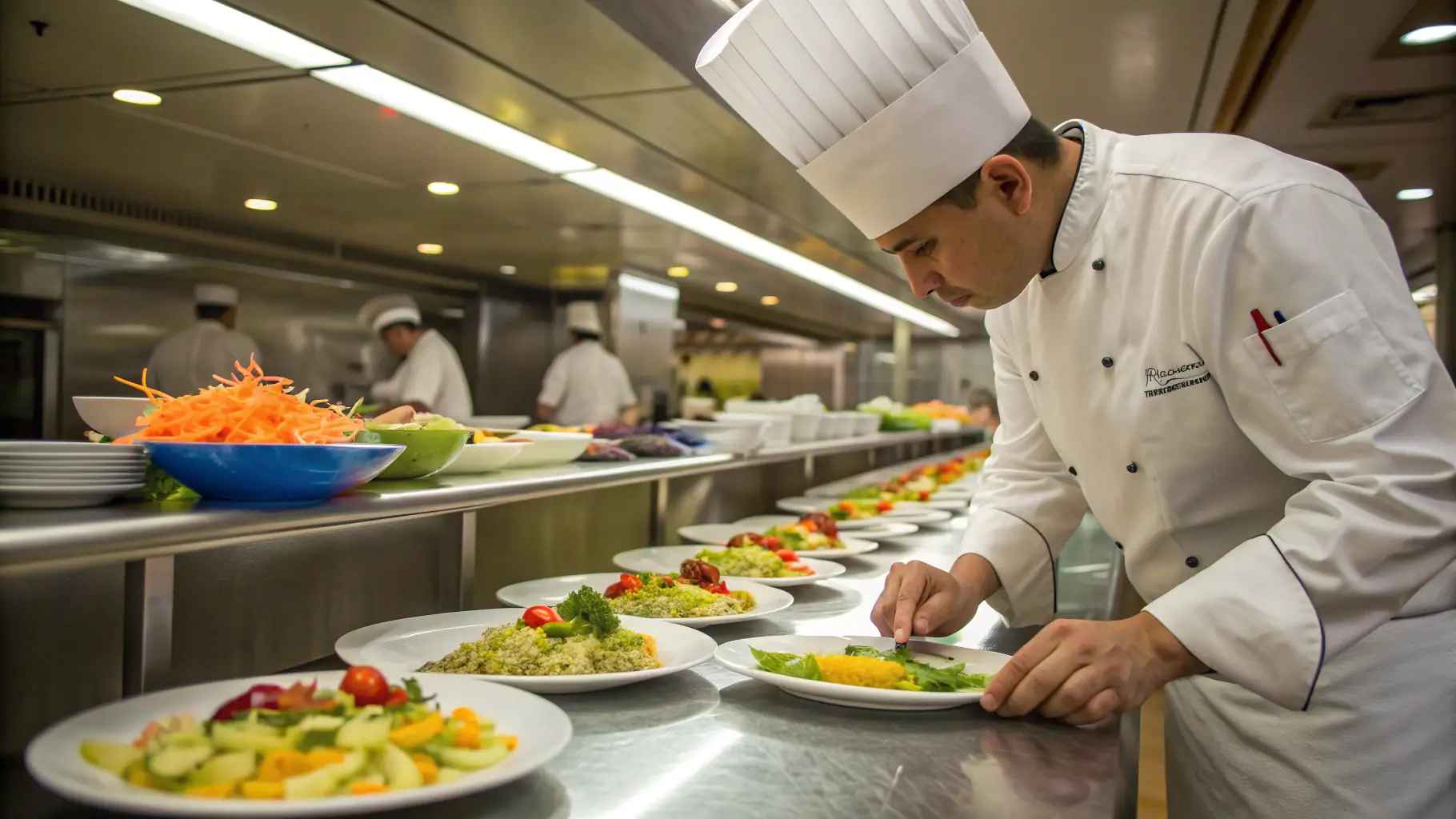
Elspescadors brings the same principles of communal seafood dining to a refined setting in Barcelona’s historic Poblenou district. The restaurant’s group dining experience is built around fresh Catalan maritime cuisine, seasonal ingredients, and menus designed specifically for shared tables. Whether you are planning a celebration dinner, a corporate event, or a family gathering, Elspescadors offers tailored group menus that take the planning off your plate entirely.
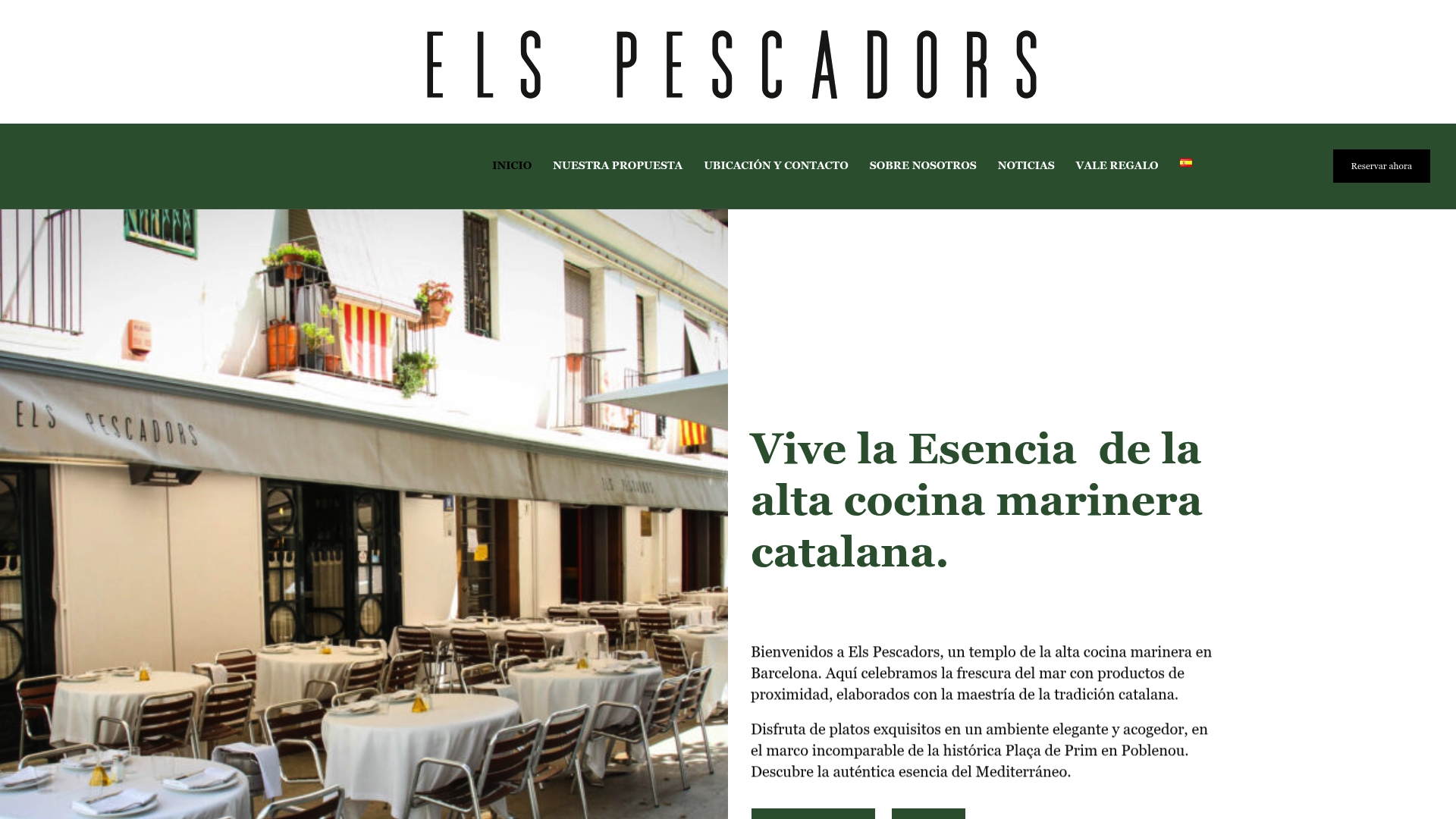
The team at Elspescadors handles everything from menu selection to table setup, so your group arrives and eats without the logistics stress. Reservations are straightforward, and the Plaça de Prim setting adds a sense of occasion that no home kitchen can replicate. Use the reservation guide to plan your next group seafood meal in Barcelona.
FAQ
What is the best seafood dish for a large group?
A seafood boil is the most practical and interactive option for large groups. A 100-quart pot serves 25–35 people with a combination of shrimp, crab, corn, and potatoes.
How much seafood do i need per person?
Plan 1–1.5 lbs of shell-on seafood per person for a boil, or 8–10 oz of cleaned seafood per person for a platter or charcuterie board.
How do i prevent overcooked shrimp in a group boil?
Watch for the C-shape curl as a doneness signal, then use the ice shock method: add 10 lbs of ice after turning off the burner to stop cooking immediately.
What is the easiest seafood setup for a party?
A seafood charcuterie board is the simplest option. Most items can be bought pre-cooked and arranged the night before, removing all timing pressure on the day of the event.
Is family-style or plated service better for group seafood dinners?
Family-style service works better for most group seafood meals. Shared dishes encourage conversation, reduce kitchen pressure, and create a more relaxed social atmosphere than individually plated courses.