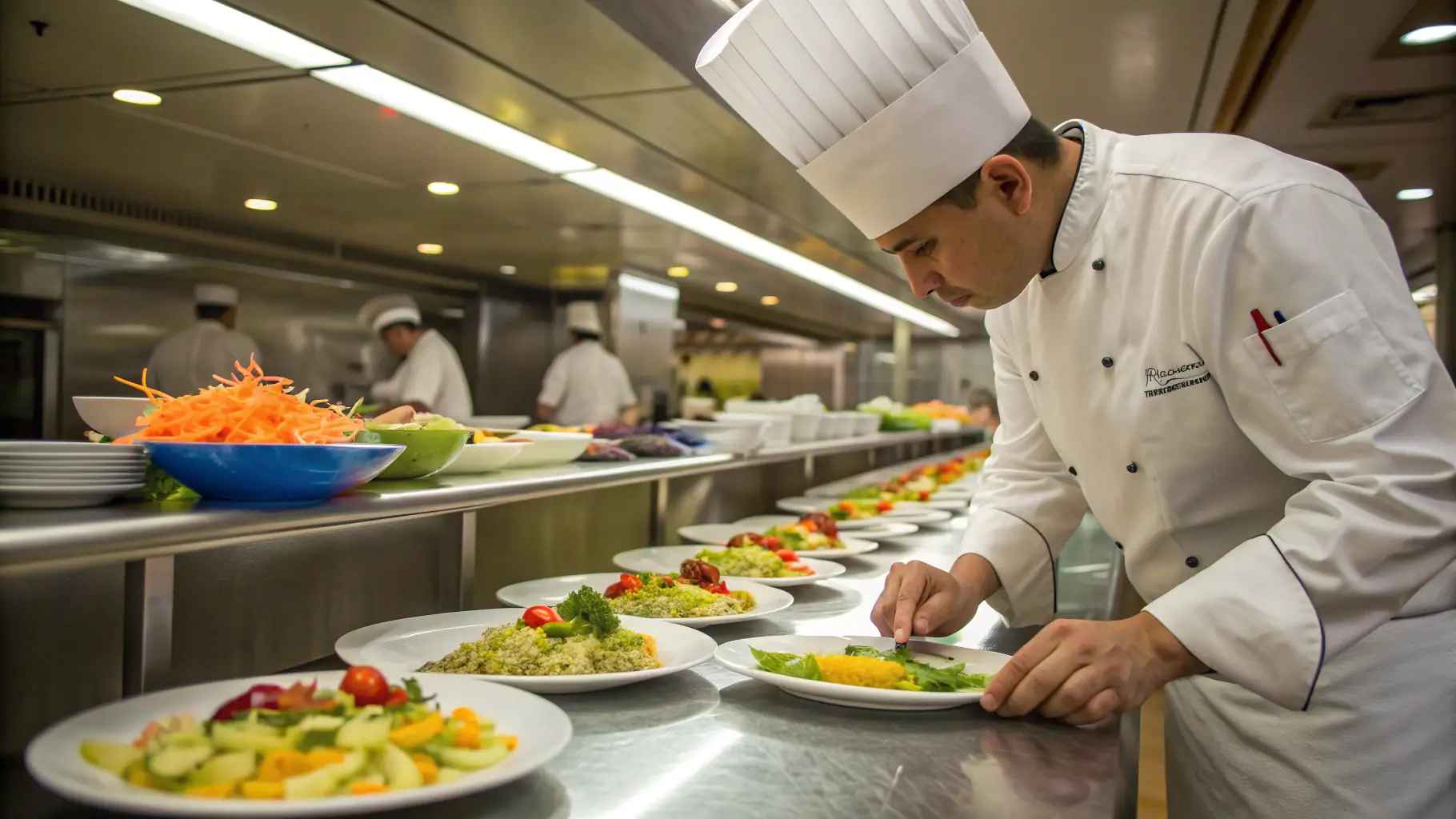
A premium dining experience is defined as the deliberate integration of culinary excellence, disciplined service, and sensory environment design to create an immersive, memorable occasion. The industry term for this category is fine dining, and understanding what separates it from upscale casual requires looking at all three pillars together. This article breaks down each element with the specificity you need, whether you are planning a special event or simply want to recognize quality when you sit down to eat.
What makes a premium dining experience in the kitchen
Culinary quality in fine dining is not just about expensive ingredients. It is about how those ingredients are sourced, sequenced, and presented across a structured meal.
The foundation is seasonal, often locally sourced produce and protein. Premium kitchens build menus around what is at peak quality right now, not what is cheapest or most available year-round. At Elspescadors in Barcelona’s Poblenou district, for example, the menu centers on daily fresh catch and seasonal Catalan seafood, which means the menu changes to reflect what the Mediterranean actually offers each week.
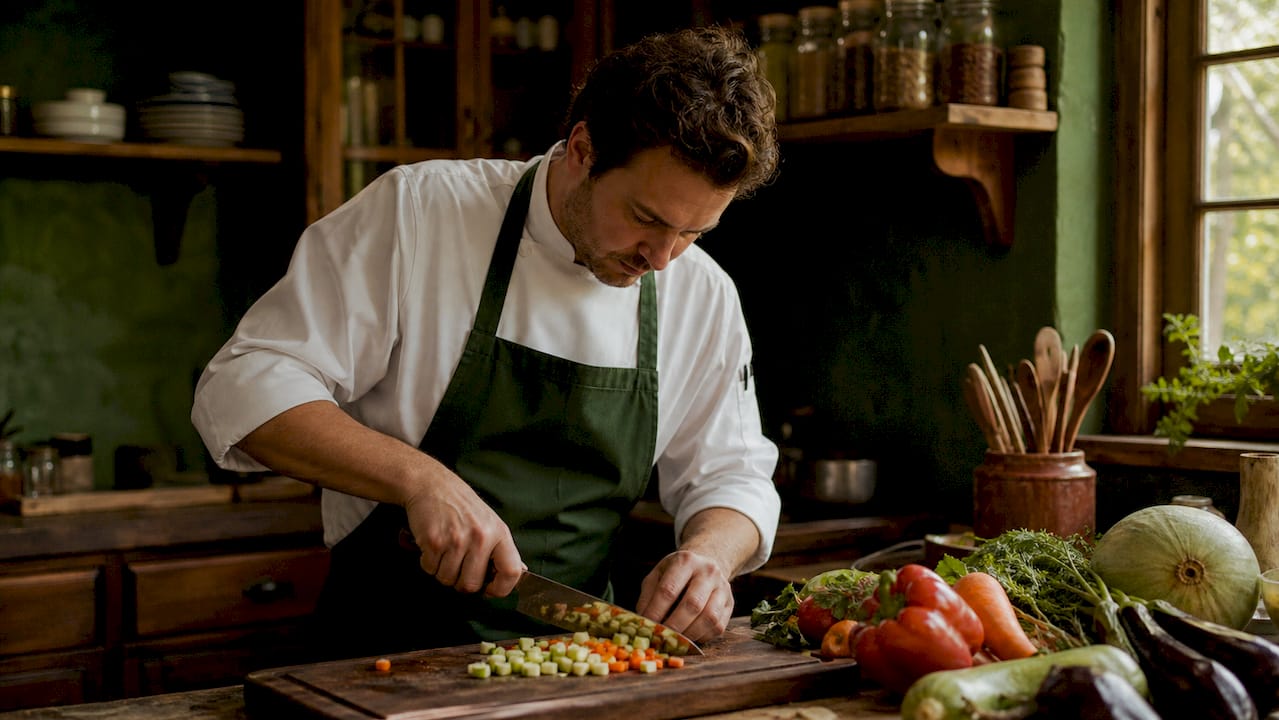
Menu structure matters as much as ingredient quality. A full tasting menu typically runs 8–15 courses over 2.5–4 hours, progressing deliberately from lighter flavors to richer ones. That progression is not arbitrary. It trains your palate to appreciate each course without flavor fatigue.
Key culinary markers of a premium experience include:
- Structured tasting menus that pace flavor intensity from amuse-bouche to dessert
- Artful plating with portion control focused on balance, not volume
- Beverage programs led by sommeliers who match wine or cocktail pairings to each course
- Chef’s table options offering direct interaction with the kitchen team
- Clear menu formats: prix-fixe, à la carte, and chef’s table each signal different levels of customization
The difference between à la carte and tasting menus is worth understanding before you book. À la carte gives you control. A tasting menu gives the kitchen control, and that surrender is often where the most memorable meals happen.
Pro Tip: If you want to fully appreciate menu pacing, avoid eating a large meal the day of your reservation. Arriving with a calibrated appetite lets you experience the full arc of flavors the chef designed.
How does exceptional service define fine dining?
Service is the element most diners underestimate until they experience it done correctly. Premium service standards require taking the initial drink order within five minutes of seating. That single metric tells you everything about a kitchen’s operational discipline.
The service team in a fine dining room operates as a coordinated unit. Each role is specific:
- Maître d’: Manages the floor, anticipates guest needs, and coordinates timing between kitchen and table
- Captain: Leads tableside interaction, explains dishes, and guides the guest through the menu
- Sommeliers: Handle all beverage recommendations and pairings with authority
- Food runners: Deliver dishes in synchronized choreography so every guest at the table receives their course simultaneously
- Bussers: Clear plates and reset the table without interrupting conversation
Multiple coordinated staff touches per table without hovering is the insider marker of genuine premium service. You should feel attended to without ever feeling watched. That balance requires silent communication between team members, often through eye contact and pre-agreed signals.
Personalization separates good service from exceptional service. A premium restaurant notes dietary restrictions, celebrates occasions without being asked twice, and remembers returning guests. These details are tracked, briefed before service, and executed without making the guest feel processed.
Pro Tip: The best maître d’ you will ever encounter is the one you barely notice. If the floor runs without visible effort, that invisibility is the result of hours of pre-service preparation and team rehearsal.
What ambiance elements create a luxury dining atmosphere?
Ambiance is the environment your body registers before your brain processes it. Layered lighting using ambient, accent, and task sources creates intimacy and comfort that uniform ceiling grids cannot replicate. A restaurant that relies on a single overhead lighting grid feels institutional regardless of what is on the plate.
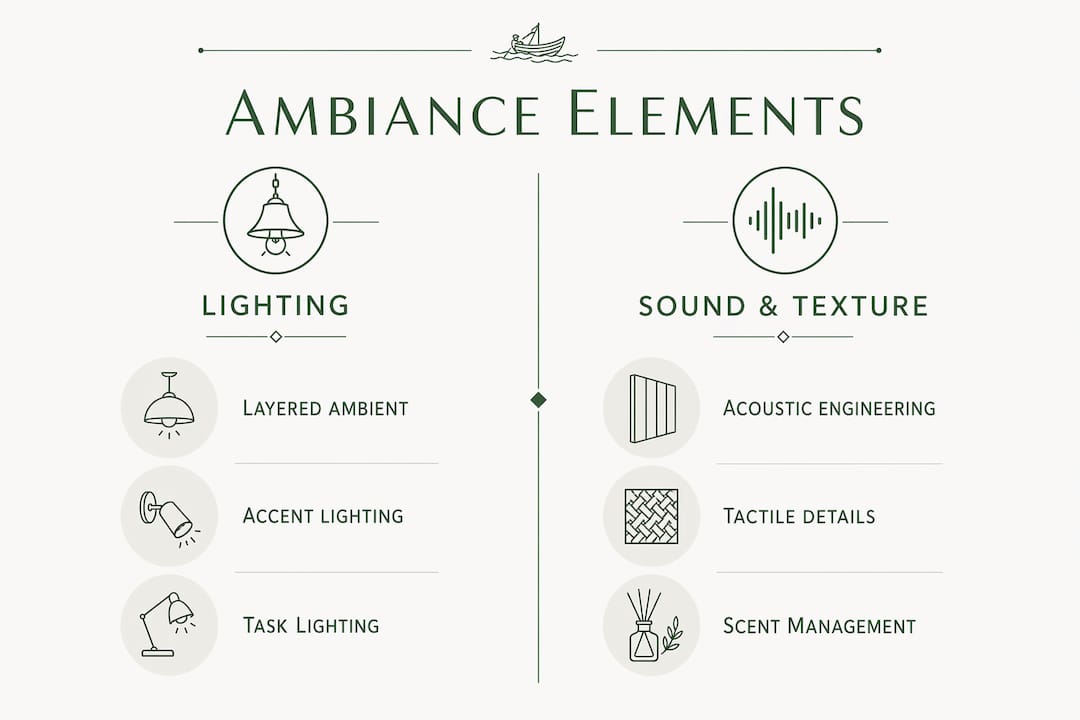
Acoustic engineering is the most overlooked element in premium dining design. Heavy carpets, thick tablecloths, and deliberate table spacing absorb sound and prevent the noise buildup that makes conversation exhausting. You should be able to speak at a normal volume and hear your companion clearly.
Tactile details signal quality before the first course arrives. Heavy linen napkins, weighted wine glasses, and physical printed menus are deliberate choices over digital alternatives. That rejection of QR codes and tablet menus is not nostalgia. It preserves sensory immersion and signals that the restaurant prioritizes your experience over operational convenience.
| Ambiance Element | Premium Dining | Casual Dining |
|---|---|---|
| Lighting | Layered ambient, accent, and task lighting | Uniform ceiling or fluorescent lighting |
| Acoustics | Sound-absorbing materials, wide table spacing | Hard surfaces, close table proximity |
| Table setting | Heavy linen, weighted glassware, physical menus | Paper napkins, standard glassware, QR menus |
| Scent | Neutral air, subtle floral or wood notes | Open kitchen aromas, no scent management |
| Table spacing | Generous gaps for privacy and quiet conversation | Maximized covers, minimal personal space |
Scent is the final, rarely discussed layer. Premium dining rooms manage air carefully so food aromas from the kitchen do not dominate the space before dishes arrive. A subtle, neutral scent profile keeps the room feeling refined rather than like a cafeteria.
Pro Tip: When evaluating a restaurant’s ambiance before booking, check photos for table spacing and lighting fixtures. Closely packed tables under bright overhead lights are a reliable signal that the experience prioritizes volume over quality.
How do personalization and storytelling redefine premium dining?
Modern fine dining has moved beyond technical execution into emotional territory. 72% of high-end restaurants now incorporate experiential elements like chef-diner interaction and thematic storytelling to deepen emotional connection. That number reflects a fundamental shift in what affluent diners expect.
Experiential dining treats the meal as a multi-sensory production. Sight, sound, touch, taste, and smell are all considered design variables. A dish might arrive with a story about the fisherman who caught the main ingredient, or a course might be plated to evoke a specific landscape or memory. These moments create emotional anchors that make the meal memorable long after the flavors fade.
Key experiential elements now found in premium restaurants include:
- Thematic storytelling woven through plating, decor, and service language
- Chef-diner interaction at chef’s table formats or open kitchen designs
- Bespoke menu customization built around guest preferences, allergies, and occasions
- Curated music programs that shift in tempo and volume as the meal progresses
- Augmented reality and digital tools used selectively to enhance presentation without breaking the physical ambiance
48% of affluent diners are willing to pay more for tailored culinary experiences. That willingness reflects a market that has moved past ingredient prestige and toward personal resonance. The best premium restaurants understand that a meal built around your story costs the same to produce as a generic tasting menu but delivers far greater perceived value.
Elspescadors applies this principle through its seafood tasting menu in Barcelona, where the narrative of Catalan maritime tradition runs through every course. The Poblenou location, the historic Plaça de Prim setting, and the seasonal catch all contribute to a coherent story that no generic fine dining room can replicate.
Key takeaways
A premium dining experience succeeds when culinary quality, service discipline, and sensory environment design work as a single coordinated system rather than three separate features.
| Point | Details |
|---|---|
| Culinary structure matters | Tasting menus of 8–15 courses paced over 2.5–4 hours deliver the full arc of a premium meal. |
| Service rhythm signals quality | Taking the drink order within five minutes and coordinating staff silently are the real markers of fine dining discipline. |
| Ambiance is engineered | Layered lighting, acoustic management, and tactile details like heavy linen create luxury before the first course arrives. |
| Personalization drives value | 48% of affluent diners pay more for tailored experiences, making storytelling and customization core premium features. |
| Coherence defines the experience | Collective discipline across kitchen and service teams, not price alone, separates fine dining from everything else. |
What i have learned about premium dining after years of observation
Most people assume premium dining is about price or rare ingredients. That assumption leads to disappointment more often than satisfaction.
The restaurants that consistently deliver a genuinely premium experience share one quality: coherence. The lighting matches the service language. The service language matches the menu narrative. The menu narrative matches the physical space. When those elements align, the experience feels inevitable rather than assembled. When they do not, no amount of truffle or imported glassware saves it.
Service rhythm is the single fastest way to read a room. Walk into any restaurant and time how long it takes for someone to acknowledge you and take a drink order. If it exceeds five minutes without explanation, the floor is already behind. Everything that follows will feel slightly off, even if the food is technically excellent.
The detail I find most telling is the napkin. A heavy linen napkin placed on your lap by a staff member before you reach for it signals that the team has been briefed, rehearsed, and is operating at full attention. A paper napkin in a dispenser tells you the opposite. Neither is wrong for its context, but you should know which one you are walking into before you spend three hours at the table.
For event planning specifically, I recommend visiting a restaurant for a regular dinner before booking it for a group occasion. The way a team handles a table of two on a busy Friday night tells you exactly how they will handle a table of twelve on your most important evening.
— YellowRock
Experience premium seafood dining at Elspescadors
Elspescadors brings every element discussed in this article together in one setting. The historic Plaça de Prim location in Poblenou provides the kind of atmosphere that cannot be manufactured, and the kitchen’s commitment to seasonal Catalan seafood means the menu reflects genuine culinary discipline rather than a static offering.
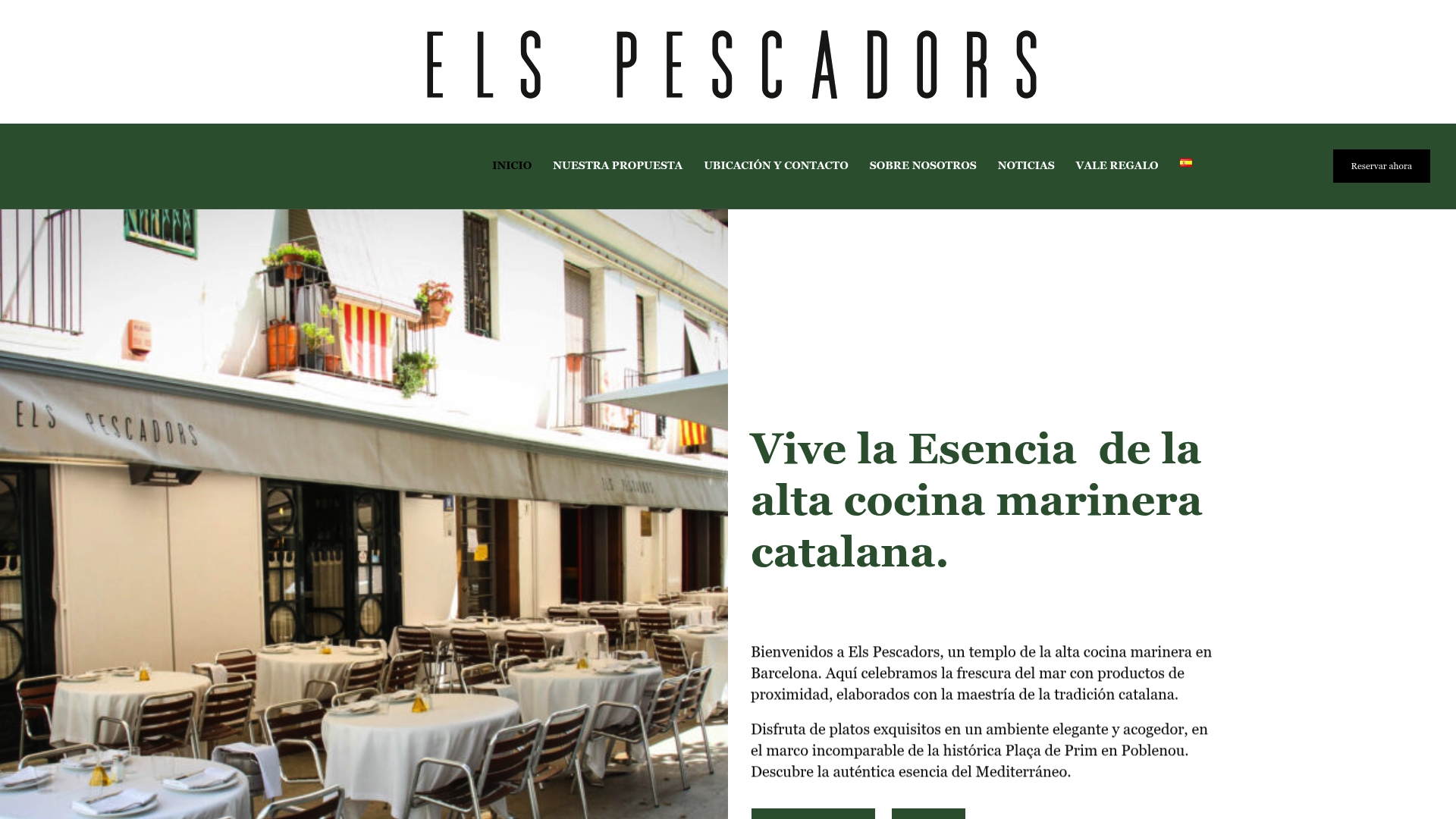
For groups and special occasions, Elspescadors offers tailored dining programs that combine the service rhythm, ambiance, and culinary storytelling this article describes. Whether you are planning a corporate dinner, a celebration, or a private event, the team builds the experience around your occasion. Explore group seafood dining ideas to see how Elspescadors structures premium dining for memorable group feasts in Barcelona.
FAQ
What is a premium dining experience?
A premium dining experience is the coordinated delivery of high-quality cuisine, disciplined service, and a carefully designed sensory environment. The industry term is fine dining, and it is defined by collective operational discipline across kitchen and front-of-house teams rather than price alone.
How many courses does a fine dining tasting menu include?
A full fine dining tasting menu typically includes 8–15 courses served over 2.5–4 hours. Courses progress from lighter flavors to richer ones to maintain palate engagement throughout the meal.
What is the difference between prix-fixe and à la carte in fine dining?
Prix-fixe offers a set sequence of courses at a fixed price, giving the kitchen control over the meal’s narrative. À la carte lets guests select individual dishes independently, offering more personal control but less of the curated progression that defines a tasting menu.
Why does service rhythm matter in premium restaurants?
Service rhythm, including taking the drink order within five minutes and coordinating multiple staff members without hovering, is the operational signal that a restaurant is running at fine dining standards. Poor timing in service undermines even technically excellent food.
How do i identify genuine ambiance quality before visiting a restaurant?
Check photos for table spacing, lighting fixtures, and table settings. Wide spacing, layered lighting, and physical menus with linen napkins are reliable visual indicators of a premium dining environment before you ever sit down.