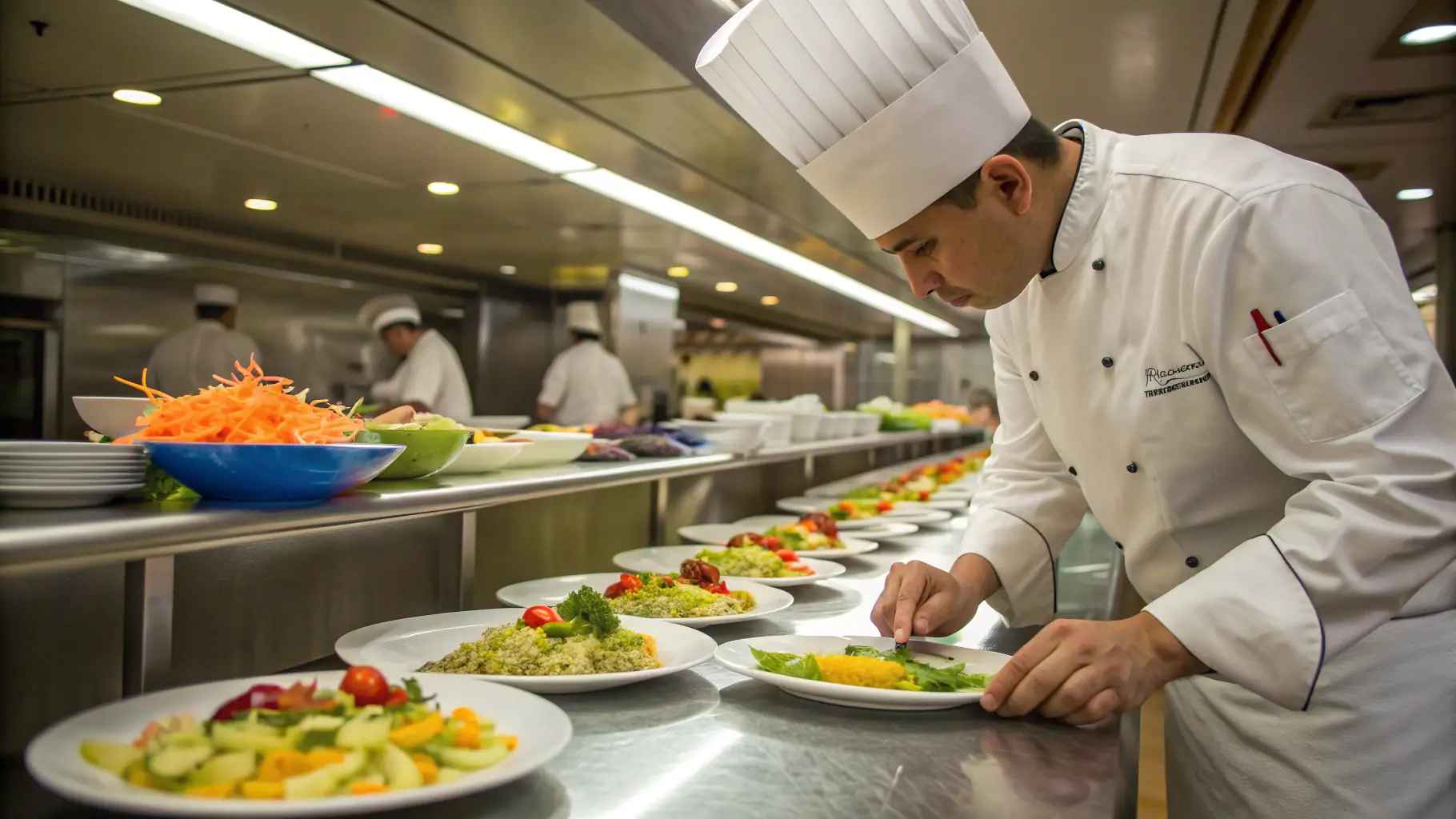
A Mediterranean dining workflow is the structured process of preparing, assembling, and serving Mediterranean meals to capture authentic flavors while keeping kitchen time manageable. The PREDIMED trial, tracking 7,447 participants over nearly 5 years, found that Mediterranean dietary patterns reduce major cardiovascular events by 30%. That finding points to something beyond health trends. It confirms that the ingredients at the core of this cuisine, including olive oil, legumes, whole grains, fresh vegetables, and seafood, are worth building a real system around. This guide gives you that system, from ingredient prep to table service.
What are the essential ingredients and tools for Mediterranean meal preparation?
Mediterranean meal preparation runs on a short list of high-quality staples. Get these right, and every meal you assemble during the week benefits from the same strong foundation.
Core ingredient categories
The five categories below cover the full range of flavors and textures in Mediterranean cuisine:
- Fats and flavor bases: Extra-virgin olive oil is the single most important ingredient. Quality matters here. Learning how to pair olive oil with specific dishes changes the character of a meal entirely.
- Proteins: Fresh fish, shellfish, canned tuna, chicken thighs, and eggs all work. Seafood is the most authentic choice and the most flexible for modular meals.
- Legumes and grains: Chickpeas, lentils, farro, bulgur, and brown rice form the bulk of most bowls and salads. Cook large batches on the weekend.
- Vegetables and herbs: Tomatoes, cucumbers, zucchini, eggplant, bell peppers, and leafy greens. Fresh parsley, mint, oregano, and basil are non-negotiable for flavor.
- Pantry staples: Kalamata olives, capers, sun-dried tomatoes, tahini, and good-quality canned tomatoes fill gaps quickly.
Kitchen tools that actually matter
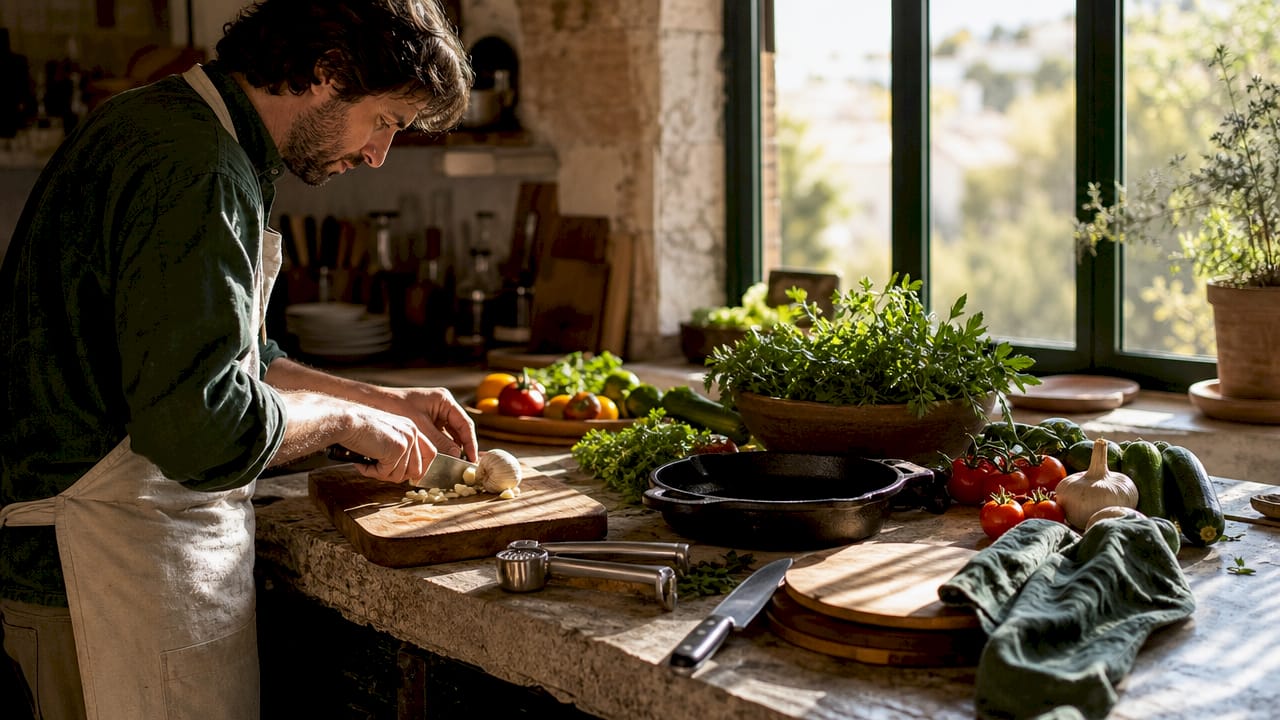
You do not need specialized equipment. You need the right basics.
| Tool | Purpose |
|---|---|
| Sheet pans (half-size) | Roasting vegetables and proteins in parallel |
| Heavy-bottomed pot | Cooking grains and legumes evenly |
| Glass storage containers | Keeping prepped components fresh and separate |
| Mixing bowls (set of 3) | Tossing salads and mixing dressings |
| Sharp chef’s knife | Fast, clean vegetable prep |
Pro Tip: Buy ingredients at a farmers market or fishmonger on Saturday morning. Freshness on prep day determines the quality of every meal you eat that week.
Sourcing matters as much as technique. Local, seasonal ingredients are the real driver of authentic Mediterranean flavor. A tomato bought in season tastes nothing like one bought in january. Plan your ingredient list around what is actually fresh, not around a fixed recipe.
How to organize your Mediterranean meal prep workflow for the week?
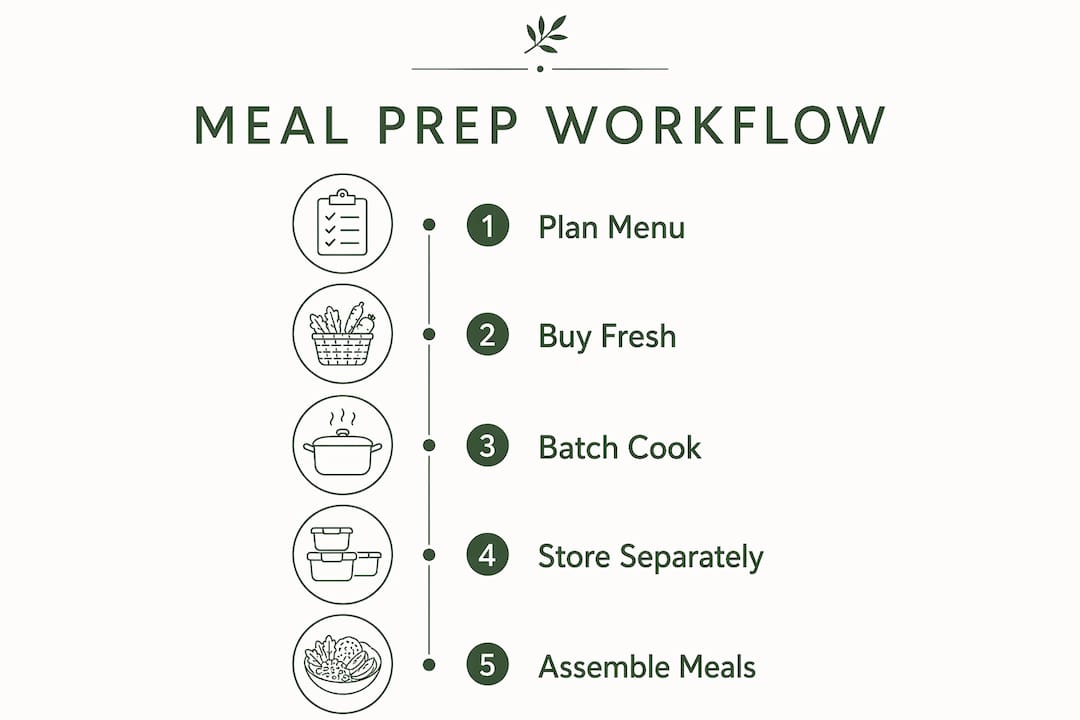
The core principle here is “assemble, don’t cook daily.” Batch preparation on the weekend creates a set of modular components. Each day, you combine them in different ways. No daily cooking required.
The weekend batch prep sequence
A 60–90 minute Sunday session covers the full week. Work through these steps in order to use your oven and stovetop at the same time:
- Preheat the oven to 400°F (200°C). Spread chickpeas and your chosen protein on separate sheet pans. Roast for 18–22 minutes until golden and crisp.
- Start grains on the stovetop. Farro or bulgur takes 20–25 minutes. Brown rice takes 40–45 minutes. Begin with whichever takes longest.
- Roast vegetables on a second sheet pan. Zucchini, bell peppers, and cherry tomatoes roast well together at the same temperature as the proteins.
- Prep cold components while the oven runs. Chop cucumbers, slice olives, tear herbs, and cube feta. These go directly into storage containers.
- Make two or three dressings. A lemon-herb vinaigrette, a tahini sauce, and a simple garlic-olive oil cover most combinations. Store each in a small jar.
- Cool everything before sealing. Hot food in sealed containers creates condensation, which softens textures and shortens shelf life.
How to store components for maximum freshness
Keeping components separate is the key to a week of good meals. Mixing dressings into salads before serving makes vegetables soggy within hours. Store every element in its own container and combine only at the moment of eating.
- Grains and legumes: refrigerate up to 5 days
- Roasted vegetables and proteins: refrigerate up to 4 days
- Fresh chopped vegetables: refrigerate up to 3 days
- Dressings and sauces: refrigerate up to 7 days
Pro Tip: Label each container with the prep date using masking tape and a marker. You will stop guessing what is still good and start eating with confidence.
| Day | Assembly example |
|---|---|
| Monday | Farro bowl with roasted vegetables, chickpeas, and tahini |
| Tuesday | Grain salad with fresh cucumber, olives, feta, and lemon vinaigrette |
| Wednesday | Protein plate with roasted peppers, herbs, and garlic oil |
| Thursday | Warm grain bowl with leftover protein and a fresh herb garnish |
| Friday | Mixed mezze plate using remaining components |
What are the best practices for plating and serving Mediterranean dishes at home?
Authentic Mediterranean dining is built on a philosophy called philoxenia, a Greek concept meaning the art of hospitality. It shapes how meals are served: unhurried, generous, and focused on shared experience rather than individual portions.
Chef Alexandros Makropoulos, whose work at Rizes Gastro Taverna in Santorini has drawn wide attention, describes the goal as clarity of flavor over complexity. That principle translates directly to how you plate at home. Fewer elements on the plate, each one tasting exactly like itself, beats a crowded dish every time.
Family-style vs. individual plating
Family-style service is the more authentic choice for Mediterranean dining at home. It mirrors how meals are actually eaten across Greece, Spain, and the broader Mediterranean region.
- Place shared dishes at the center of the table: a bowl of grains, a platter of roasted vegetables, a plate of protein.
- Add small dishes of dips, olives, and fresh bread around the center.
- Let guests build their own plates from the shared components.
- Serve in rounds rather than all at once. Start with cold mezze, then bring warm dishes to the table.
“The best Mediterranean meals feel like the landscape itself: open, uncluttered, and full of things that taste exactly like what they are.” — Chef Tom Meyer, La Chèvre d’Or
Individual plating works better for formal dinners or when you want to highlight a specific dish, such as a whole roasted fish or a composed rice plate. For everyday dining, family-style seafood service creates a more relaxed and satisfying experience.
Family-style Mediterranean dining requires kitchen-to-table synchronization rather than sequential individual plating. That means having all warm components ready at the same time, not staggered. Prep your timing accordingly.
How to troubleshoot common challenges in your dining workflow?
Every home cook hits the same friction points with Mediterranean meal prep. The fixes are straightforward once you know what causes each problem.
- Soggy salads: Always store dressings separately and add them at the table. This single habit preserves texture across the full week.
- Bland grains: Season cooking water with salt and a bay leaf. Finish with a drizzle of olive oil and lemon juice right before serving.
- Dry roasted proteins: Pull fish and chicken from the oven at the lower end of the time range. Residual heat finishes the cooking.
- Flavor fatigue by Thursday: Rotate your dressings. A tahini sauce on monday feels completely different from a fresh herb vinaigrette on thursday, even with identical base components.
- Scaling for guests: Double the grain and legume quantities first. These are the cheapest and most filling components. Keep protein portions per person consistent.
Pro Tip: Keep a small jar of preserved lemons in the refrigerator. One teaspoon added to any grain or vegetable dish immediately adds depth without extra cooking.
Ingredient freshness is the most common quality issue in home Mediterranean cooking. Seasonal seafood and produce bought close to prep day outperform anything stored for more than two days before cooking. Build your shopping trip into the workflow, not as an afterthought.
Batch prep vs. daily cooking: which approach fits your life?
Both methods produce good Mediterranean meals. The right choice depends on your schedule, your household size, and how much you value variety versus convenience.
| Factor | Batch prep | Daily cooking |
|---|---|---|
| Time investment | 60–90 minutes once per week | 20–30 minutes per meal |
| Flavor freshness | Very good with proper storage | Best possible |
| Flexibility | Moderate (fixed components) | High (cook to preference) |
| Best for | Busy weekdays, meal planning | Weekends, entertaining guests |
| Nutritional quality | Preserved well for 4–5 days | Peak at time of cooking |
| Skill required | Organization and storage | Daily cooking confidence |
Batch prep wins on weekdays. Daily cooking wins when you have time and want the best possible result, such as a fresh fish dish for guests. Many experienced home cooks use both: batch prep for lunches and weeknight dinners, daily cooking for weekend meals and entertaining.
Key Takeaways
A structured Mediterranean dining workflow built on batch preparation, modular components, and family-style service produces authentic, flavorful meals with minimal daily effort.
| Point | Details |
|---|---|
| Batch prep saves time | A 60–90 minute Sunday session covers five days of modular Mediterranean meals. |
| Store components separately | Keep dressings, grains, and proteins in separate containers to preserve texture and freshness. |
| Roast at 400°F for best results | Proteins and chickpeas reach golden, crisp texture in 18–22 minutes at this temperature. |
| Serve family-style for authenticity | Shared dishes at the center of the table reflect the philoxenia tradition of Mediterranean hospitality. |
| Prioritize ingredient freshness | Buy seasonal produce and seafood close to prep day for the strongest flavor foundation. |
What I’ve learned from years of Mediterranean meal prep
The first time I tried batch prepping a full week of Mediterranean meals, I made every classic mistake. I mixed the dressing into the salad on Sunday. By tuesday, the cucumbers had turned to mush and the whole container smelled like regret. I overcooked the chickpeas because I did not trust the timer. And I made one dressing for the entire week, which meant every meal tasted identical by wednesday.
What changed everything was treating the prep session like a professional mise en place, not a home cooking shortcut. Each component gets its own container, its own label, and its own purpose. The dressings stay separate until the moment of eating. The grains get seasoned properly before storage, not as an afterthought at the table.
The serving philosophy matters just as much as the prep. The first time I put everything in the center of the table and let people build their own plates, the meal lasted twice as long. Not because there was more food, but because the format invited conversation. That is what philoxenia actually means in practice. It is not a concept. It is a decision about how you set the table.
My honest advice: start with three components, not five. One grain, one roasted vegetable, one protein. Master the storage and the timing before adding complexity. The Mediterranean approach to food is not about abundance. It is about quality and clarity. Get those two things right, and the workflow takes care of itself.
— YellowRock
Authentic Mediterranean seafood dining at Elspescadors
Home prep builds real appreciation for Mediterranean ingredients. Seeing how a professional kitchen handles the same principles takes that understanding further.
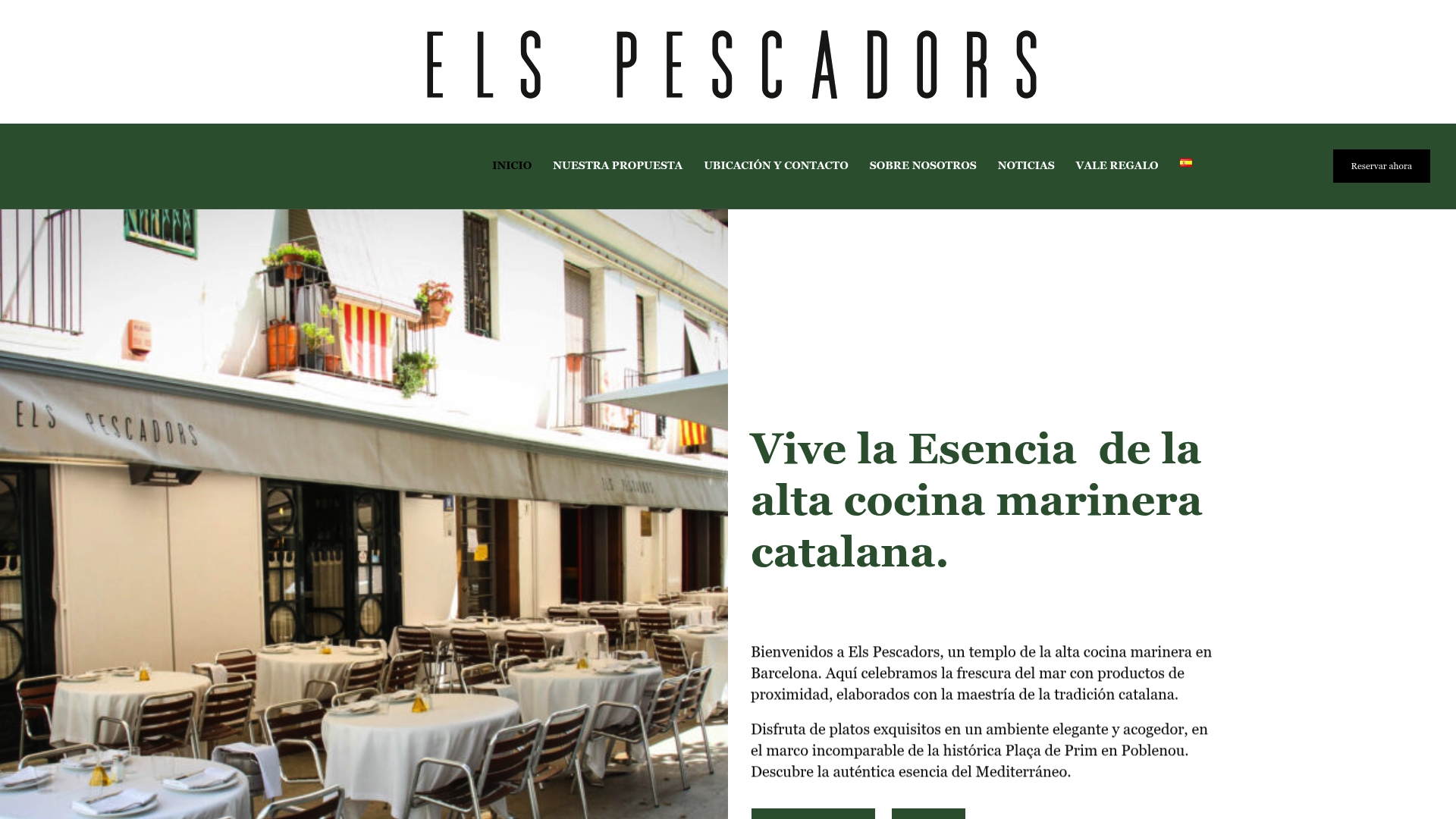
Elspescadors, located in Barcelona’s historic Poblenou district at Plaça de Prim, specializes in authentic Catalan maritime cuisine built on daily fresh catch and seasonal sourcing. The menu reflects the same workflow principles covered here: ingredient clarity, seasonal produce, and shared seafood dining that brings people together around the table. Whether you are planning a group meal or want to experience how a professional kitchen executes Mediterranean dining at its best, Elspescadors offers tasting menus and group formats designed for exactly that. Reservations are available directly through the website.
FAQ
What is a Mediterranean dining workflow?
A Mediterranean dining workflow is a structured system for preparing, storing, and serving Mediterranean meals efficiently. It separates the cooking phase (batch prep) from the serving phase (daily assembly) to preserve flavor and reduce daily kitchen time.
How long does Mediterranean meal prep take each week?
A full week of Mediterranean meals requires a 60–90 minute prep session on the weekend. Daily assembly takes under 10 minutes per meal.
What is philoxenia and why does it matter for serving?
Philoxenia is the Mediterranean concept of hospitality that prioritizes unhurried, generous, shared dining. It shapes serving workflows by favoring family-style shared dishes over individual plating, which creates a more authentic and relaxed dining experience.
How do I keep prepped Mediterranean meals fresh all week?
Store every component separately in sealed glass containers. Keep dressings in small jars and add them only at serving time. Roasted proteins and vegetables stay fresh for up to 4 days; grains and legumes last up to 5 days.
What is the best temperature for roasting Mediterranean proteins?
Roast proteins and chickpeas at 400°F (200°C) for 18–22 minutes to achieve a golden, crisp texture. Pull fish from the oven at the lower end of the range and let residual heat finish the cooking.