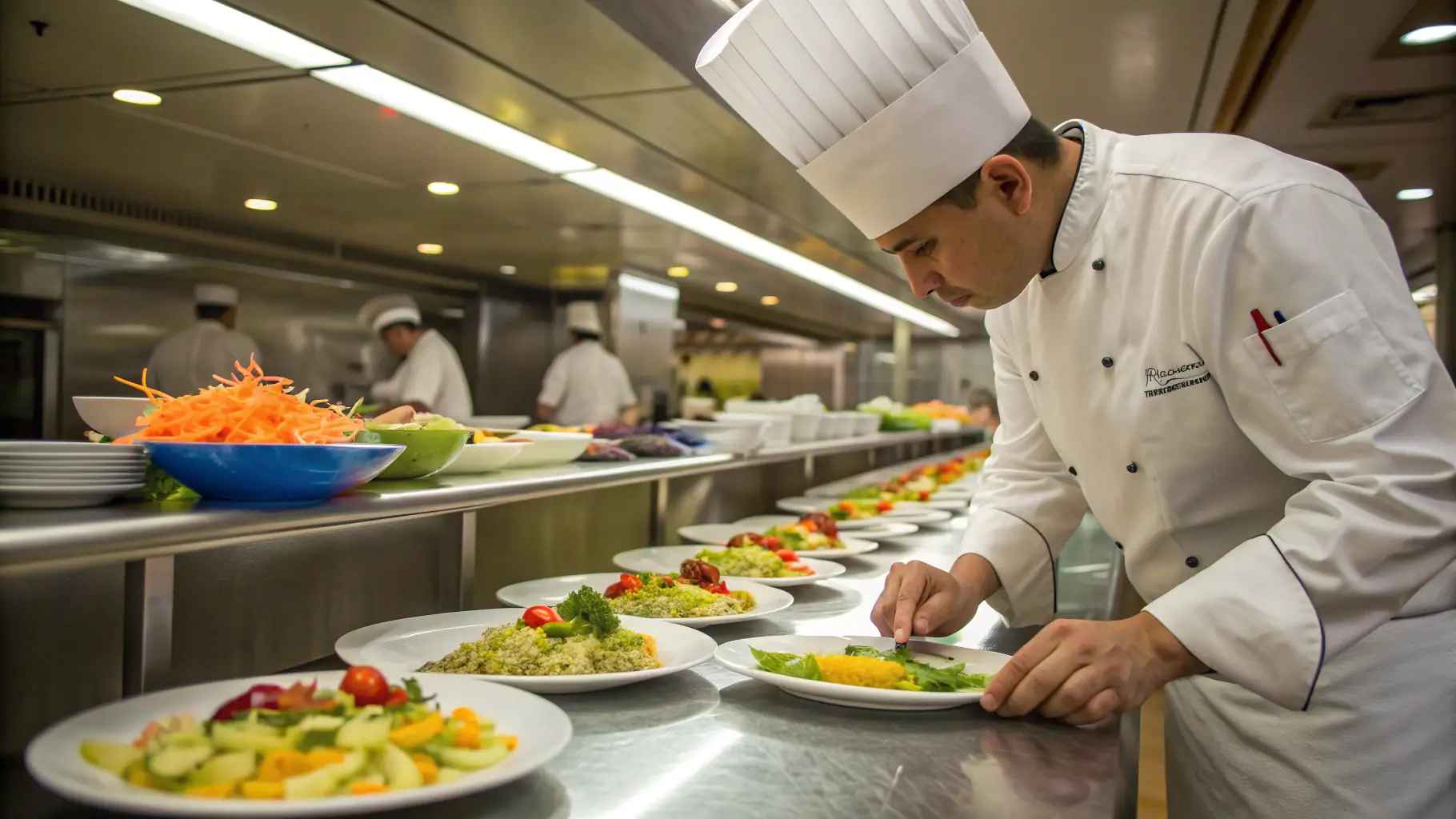
Pescado de lonja Barcelona means fish that came off a boat that morning and landed on a restaurant plate that night. It shows up as a chalkboard special, a line on the daily menu, or a suggestion from the waiter rather than a fixed dish. Look for the Peix de Llotja seal and a kitchen that names its catch, like Els Pescadors does, as signs the practice is real rather than decorative.
TL;DR:
- Restaurants sourcing from the lonja rely on daily fish availability, with prices ranging between €12 and €28 depending on the species and preparation.
- The Peix de Llotja seal confirms establishments that buy directly from regional fishing guilds, ensuring fresh, local catch.
- Booking a pescado de lonja meal requires advance reservation and mentioning your interest in daily catch or tasting menus to allow proper planning.
- Expect significant variability in the fish offered day to day, with menus built around what the boats bring in, not fixed inventory.
- Engaging with staff about the origin and preparation of the catch enhances the experience, as kitchens pride themselves on sourcing transparency.
Table of Contents
- What a pescado de lonja dining experience looks like in Barcelona
- How sourcing works: the lonja, fishing guilds, and the Peix de Llotja seal
- How to book, confirm availability, and pay for a pescado de lonja experience
- What to order, pairings, and dining etiquette for the best experience
- YellowRock’s take on daily sourcing in Barcelona
- Els Pescadors: booking a seasonal pescado de lonja menu
- Where to verify these facts yourself
- Sources
- FAQ
What a pescado de lonja dining experience looks like in Barcelona
A meal built around pescado de lonja rarely looks like a standard printed menu. Instead, you get a rotating set of options tied to what the boats brought in, presented in one of a few formats depending on the restaurant and the night.
- Carta del Día: a short list of that day’s catch, often handwritten or announced verbally, changing daily or every few days.
- Menú Degustación: a multi-course tasting sequence built around several species from the same catch, letting the kitchen show range.
- La Carta: the standing menu, which may still feature a pescado del día section alongside fixed dishes.
Budgets vary with format. At Els Pescadors, pescado del día dishes typically run between €12 and €28 depending on the species and preparation, while a full tasting menu covers more ground at a set price. Staff usually walk you through the day’s options rather than expecting you to pick blind, since names like llobarro or rap mean little without context.
Pro Tip: Ask what came in that morning before you order. A kitchen proud of its sourcing will tell you exactly which boat or port the fish arrived from.

How sourcing works: the lonja, fishing guilds, and the Peix de Llotja seal
The lonja is where the day’s catch gets sold each morning, and restaurants that buy there build their menus around whatever cleared the auction. That dependency on the sea’s daily output, rather than a warehouse order, is what separates pescado de lonja from farmed or frozen alternatives sitting on a standard menu.
Fishing guilds and regional cooperatives feed that chain, and a newer layer of verification has made it easier for diners to check who is actually sourcing this way.
- Peix de Llotja is a quality seal identifying restaurants in Barcelona and Catalonia that source fresh, local fish directly from regional fishing guilds.
- The City of Barcelona presented the seal at the Fira del Comerç Local to strengthen the link between local fishing and the restaurant trade, with plans for a map of accredited restaurants.
- Els Pescadors documents how it selects seasonal seafood and the role the lonja plays in that process.
More than 150 restaurants have adhered to the Peix de Llotja seal, giving diners a practical way to spot places genuinely working with local guilds rather than just claiming to.
Daily variability, meaning some nights a fish appears and other nights it does not, is normal under this model. It is a sign the kitchen is buying what exists that day instead of ordering a fixed supply, which is exactly the point of eating this way.
How to book, confirm availability, and pay for a pescado de lonja experience
Booking a meal centered on daily catch takes a little more coordination than a standard reservation, mostly because availability depends on what the lonja delivered that morning.
- Book ahead for groups or tasting menus. Multi-course formats and private group menus often need more lead time than a standard table for two.
- Mention your interest in the daily catch when you reserve. Saying you want the pescado del día or a tasting sequence helps the restaurant plan portions and timing.
- Ask about allergens and price range at booking. Daily fish pricing shifts with the catch, so confirming a range upfront avoids surprises on the check.
- Confirm tasting-menu duration if you have evening plans. A full seafood tasting sequence can run long, so ask how much time to set aside.
- Expect a deposit for group or special-event menus. Spanish restaurants commonly request a deposit for larger private bookings, with the balance settled by card or cash at the end of the meal.
Pro Tip: If you are booking a group menu, confirm seating and course count in the same message as your deposit, so nothing gets renegotiated at the table.
What to order, pairings, and dining etiquette for the best experience
The best approach to a pescado de lonja menu is to sample rather than commit to one dish. Since the catch changes daily, ordering two or three smaller plates across different species gives a better sense of what the sea actually delivered that day than a single main course would.
- Ask the kitchen which fish arrived that morning and let that guide your order instead of picking from memory of a past visit.
- Share plates when dining with others so the table can try more than one species without over-ordering.
- Pair whites from Penedès or Empordà with lighter fish, and save fuller-bodied whites or a light cava for richer preparations like grilled monkfish.
- Ask about preparation, not just the fish name, since the same species can be served grilled, in a stew, or over rice depending on the night.
Staff at restaurants built around daily catch are usually well-versed in origin and ideal preparation, and engaging with that knowledge tends to produce a better meal than sticking rigidly to a fixed idea of what to order. Treat the exchange with your waiter as part of the experience rather than a formality, since a market-to-table meal is as much a conversation as it is a dish.
YellowRock’s take on daily sourcing in Barcelona
Having looked closely at how Barcelona kitchens source their daily fish, what stands out is how much the presentation depends on trust rather than fixed inventory. A kitchen that truly buys from the lonja cannot promise you a specific fish three weeks in advance, and that unpredictability is a feature rather than a flaw.

Els Pescadors publishes its own sourcing practices, which is a useful reference point for understanding how a Barcelona seafood kitchen actually selects its catch day to day. The €12 to €28 range for daily fish reflects that variability directly, since a smaller or rarer species costs more to bring to the table than a more common one.
If you are unsure what a menu term means or want to know what came in that day, ask when you book rather than waiting until you sit down. Restaurants that work this way expect the question and generally welcome it.
— YellowRock
Els Pescadors: booking a seasonal pescado de lonja menu
Els Pescadors sources its daily catch directly through the model described above, and its menus are built to show that variability rather than hide it. If you want a verified pescado de lonja experience in Barcelona rather than a printed menu that never changes, a few pages are worth checking before you book.
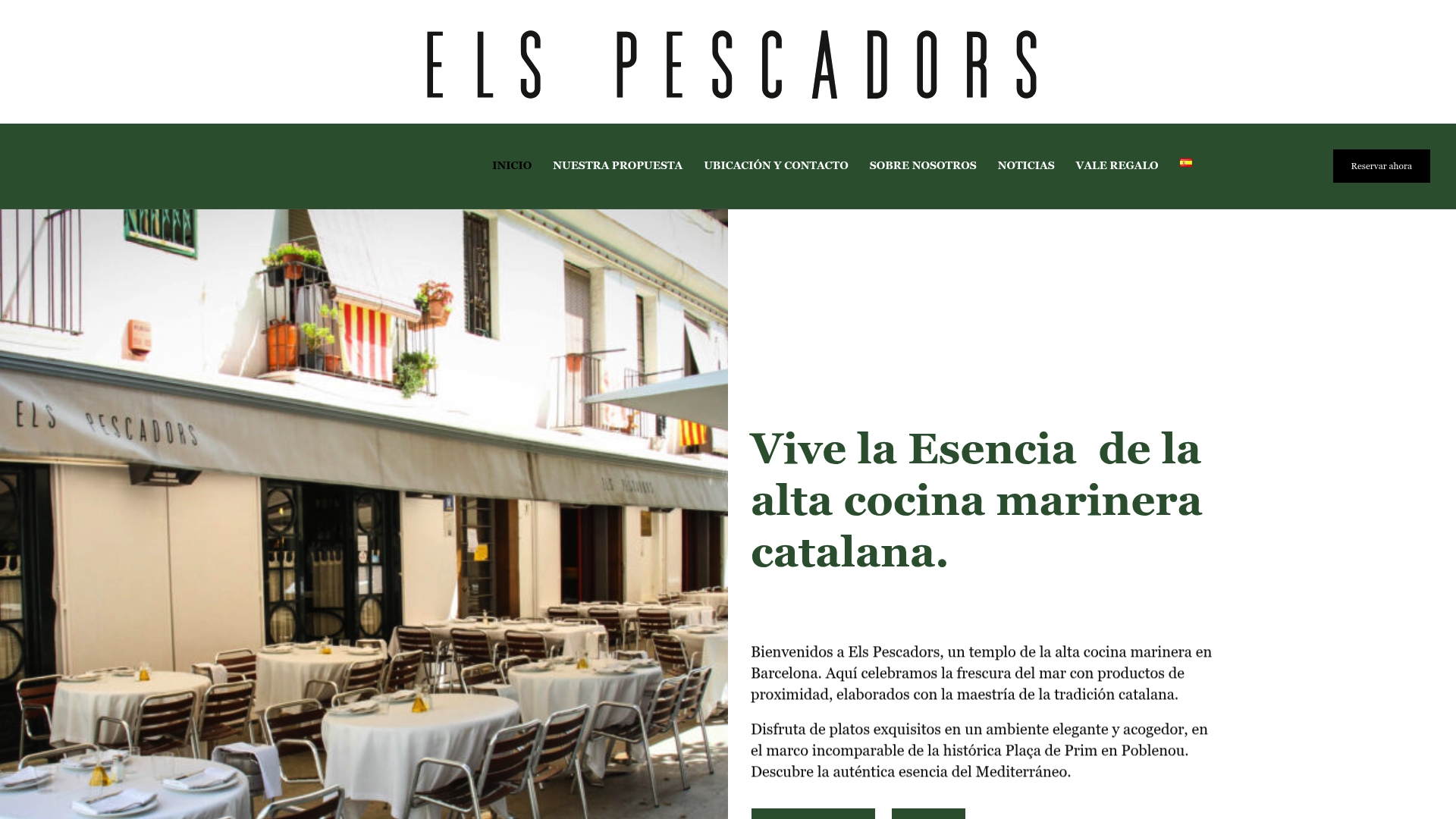
- Carta del Día lists the current daily proposal and highlights pescado del día options.
- Menú Degustación offers a multi-course tasting sequence built around the day’s catch.
- Menú de Temporada is priced per person and follows seasonal availability rather than a fixed rotation.
- Menú para Grupos covers private and group bookings, with pricing available on request.
When you reserve, mention you are interested in the daily catch or tasting format so the kitchen can plan for you. Check the current seasonal offerings and reserve a table through Els Pescadors.
Where to verify these facts yourself
- Peix de Llotja: the quality seal and its list of adhered restaurants.
- Barcelona city announcement on the Peix de Llotja launch.
- EU coastal fisheries traceability project for broader context on transparency models.
Sources
Look for the Peix de Llotja seal, which identifies restaurants that source directly from regional fishing guilds. Asking staff which boat or port the day’s catch came from is another simple way to check.
- Peix de llotja
- El nou segell “Peix de llotja” es presenta a Barcelona a la Fira del Comerç Local | Alimentació Sostenible | Ajuntament de Barcelona
- Building sustainable markets for small-scale coastal fishers – Oceans and fisheries
FAQ
What does “pescado de lonja” mean on a Barcelona menu?
It means the fish was bought fresh from the day’s catch at the lonja rather than from frozen or farmed stock. Expect it to appear as a daily special or tasting course rather than a fixed printed dish.
How much does a pescado de lonja dish typically cost in Barcelona?
At Els Pescadors, daily fish dishes generally range from €12 to €28 depending on the species and preparation. Tasting menus built around the same catch are priced separately as a set course sequence.
Do I need to book ahead for a tasting menu built on daily catch?
Yes, especially for group bookings or multi-course tasting formats, since the kitchen needs to plan portions around a variable catch. Mention your interest in the pescado del día or tasting menu when you reserve so the restaurant can prepare accordingly.
Is the fish selection different every day?
Yes, since the menu depends on what the lonja delivered that morning rather than a fixed supply order. That daily change is part of what makes a pescado de lonja meal different from a standard seafood menu.