
Pescado de roca refers to small, bony fish that live along Mediterranean rocky bottoms, prized less for their fillets than for the deep, briny flavor they release into stock. Species like salmonete, sargo, cabracho, and mero fall under this category, and their firm, crustacean-fed flesh is what gives a proper fumet its backbone. If you take one thing from this guide, take this: buy them for the pot, not the plate, and use them fast.
TL;DR:
- Small, bony fish from rocky Mediterranean habitats, like salmonete and sargo, develop unique briny flavors from their crustacean diet, making them ideal for stock.
- Buying them fresh on the same day and handling the fish properly is crucial, as freshness significantly impacts the clarity and flavor of the resulting fumet.
- Their high bone-to-flesh ratio and collagen content make rockfish the preferred choice for building rich, gelatinous stock used in regional dishes such as bullit de peix and caldereta.
- Seasonality plays a role, with quality and availability peaking from late spring to early autumn, although fish caught outside this period can still be suitable if fresh and properly handled.
- Processing and incorporating these small, local fish into recipes emphasizes a shift in Mediterranean cuisine toward respecting ingredients often overlooked, favoring short simmering times for maximum flavor.
Table of Contents
- What Counts as Pescado de Roca? Species and How to Spot Them
- Where Rockfish Live and When They Taste Best
- Why Pescado de Roca Defines Mediterranean Cooking
- How to Make a Restaurant-Quality Fumet from Rockfish
- How to Buy Fresh Rockfish and Choose It Sustainably
- An Insider’s Take on Why Small Fish Deserve the Spotlight
- Taste Els Pescadors’ Fumet-Driven Menu in Barcelona
- Sources
- FAQ
What Counts as Pescado de Roca? Species and How to Spot Them
Pescado de roca is not a taxonomic family. It is a market category built around habitat: any fish that spends its life foraging on rocky seabeds, reefs, and crevices earns the label, regardless of how distantly related the species are to one another. That habitat is exactly what makes them so useful in the kitchen, since a diet of crabs, shrimp, and small mollusks builds flavor compounds that plain open-water fish never develop.
At a Mediterranean fish counter, you will typically run into these four:
- Salmonete de roca (Mullus surmuletus): Red mullet with a pinkish orange body and telltale barbels under the chin, prized for a delicate, faintly sweet flesh that chefs often pan-fry whole. Its distribution and identifying traits are well documented across Mediterranean and Atlantic waters.
- Sargo (Diplodus spp.): A silvery, vertically striped bream with firmer white meat, common on grills and in stews alike.
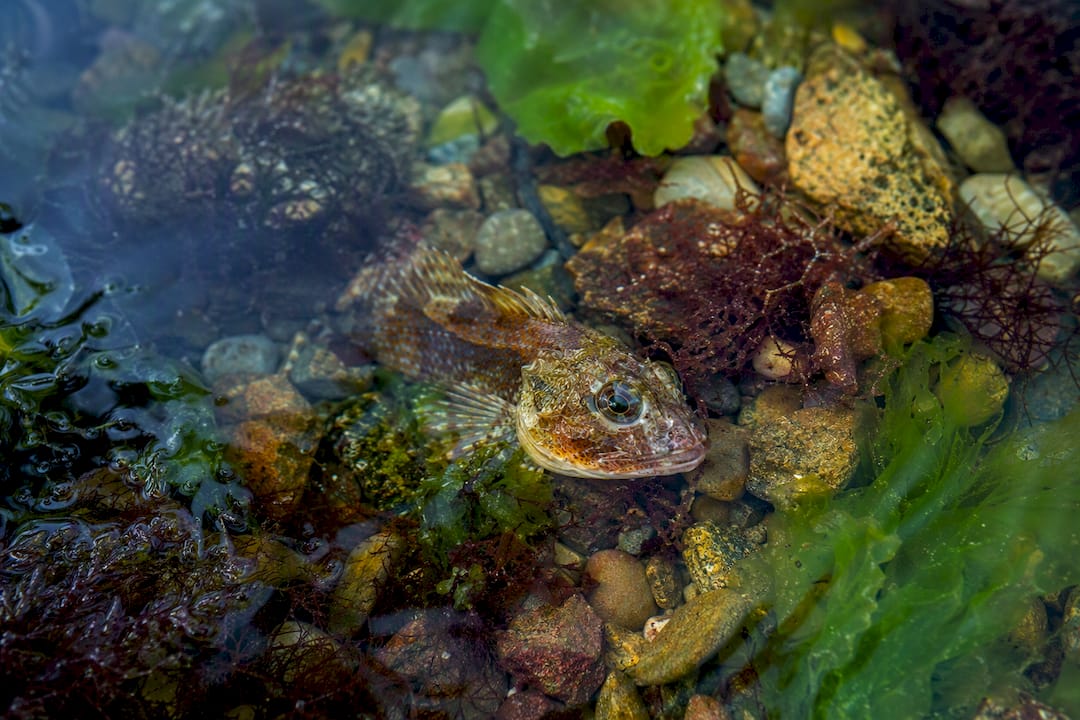
- Cabracho (Scorpaena scrofa): The scorpionfish, spiny and ugly on the outside, but its head and frame produce some of the richest stock you will find.
- Mero (Epinephelus spp.): Grouper, larger and meatier than the rest, valued whole or in thick cuts for braises.
Markets also sell “morralla,” a mixed bag of tiny, undersized rockfish too small to fillet but ideal for stock.
Where Rockfish Live and When They Taste Best
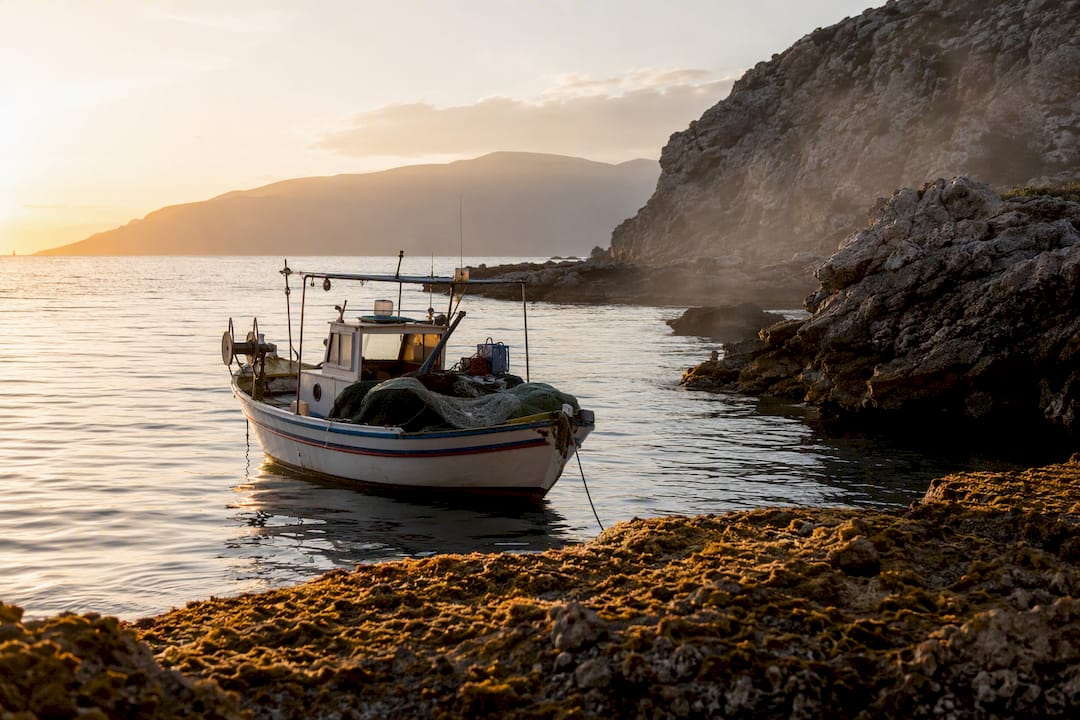
Rocky bottoms, reefs, and coastal cliffs, known locally as cantiles, are the preferred terrain for every species in this category. That rugged habitat forces fish to hunt crustaceans and other benthic prey among the crevices, and that diet is what carries the crustacean-like sweetness into the meat once it hits a pot.
Seasonality follows spawning cycles, which vary by species but generally push quality and availability higher in late spring through early autumn, when warmer water concentrates activity near the coast. Buying outside that window is not a mistake. It just means paying closer attention to what is actually on ice that day rather than assuming peak condition. Fat content also shifts with season and species, and understanding whether a fish runs white, semigraso, or azul tells you immediately whether it belongs in a stockpot or on a grill.
Why Pescado de Roca Defines Mediterranean Cooking
Small, bony rockfish outperform large, meaty fish in one specific job: building stock. Their higher bone-to-flesh ratio and collagen-rich frames release more gelatin and flavor per pound than a fillet of hake or sea bass ever could, which is exactly why they anchor the region’s signature dishes.
You will find them at the center of several classics:
- Bullit de peix: A poached fish course served with its own broth, often followed by a rice dish made from the same stock.
- Guisat de peix: A slow Catalan stew layered with potato, tomato, and saffron.
- Caldereta: A rustic fisherman’s stew, thick with rockfish, garlic, and sometimes a splash of brandy.
- Suquet: A Catalan fish and potato stew built on a picada base of almonds, garlic, and bread.
- Fried whole: Smaller specimens like salmonete are simply floured and fried, bones and all, for a crisp, snackable dish.
Regional gastronomy leans hard into this tradition. Ibiza’s own culinary press has called rockfish the indispensable guest in a good bullit or guisat de peix, and festivals across the coast build entire menus around it. Nutritionally, these fish carry solid omega-3 content and, because bones and small frames go into the pot, they deliver more calcium and collagen per meal than a boneless fillet, all while typically costing less than premium whole fish.
How to Make a Restaurant-Quality Fumet from Rockfish
A great fumet comes down to ratio, timing, and restraint, not a long ingredient list.
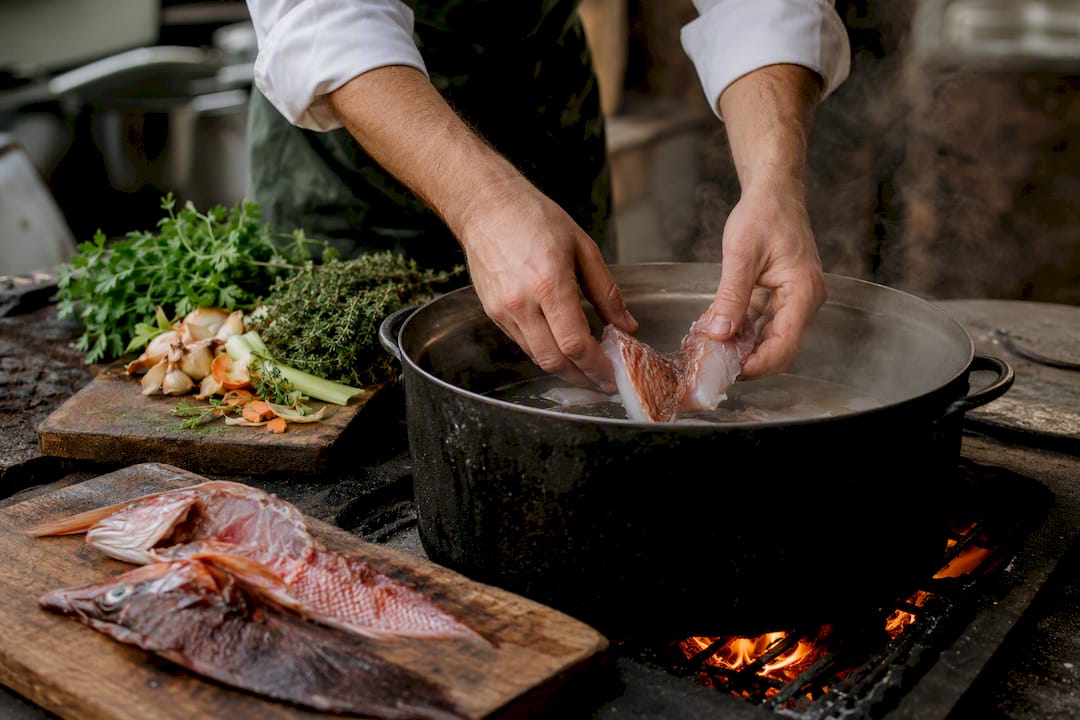
- Choose the right fish. Pick white rockfish, morralla, or heads and frames from cabracho or sargo. Skip oily blue fish like sardines or mackerel entirely; their fat clouds the stock and turns the flavor fishy rather than clean, a point professional chefs stress consistently.
- Set your ratio. Use roughly 1 to 2 liters of water per kilogram of fish and bones, adjusted for how concentrated you want the final stock.
- Build the base. Sweat a mirepoix of onion, leek, and a little fennel or celery in olive oil before adding the fish, then cover with cold water.
- Simmer gently, briefly. Bring to a bare simmer and hold it there for 20 to 30 minutes. Longer cooking pulls bitterness from the bones and clouds the liquid, since short extraction preserves clarity far better than a long, aggressive boil.
- Skim and strain. Remove foam as it rises, then pass the stock through a fine sieve or cheesecloth.
- Reduce if needed. Simmer the strained liquid further to concentrate it, then thin with water at service time.
For a quick caldereta, brown garlic and onion, add tomato and pimentón, pour in your fumet, then simmer chunks of sargo or mero with potato until just cooked through. For pan-fried salmonete, pat the whole fish dry, dust lightly with flour, sear in hot olive oil skin-side down until crisp, then finish with a squeeze of lemon and a drizzle of the same oil.
Pro Tip: Chefs who work with rockfish daily insist on processing the fish the same day it lands rather than freezing it. A same-day fumet comes out noticeably cleaner and clearer than one made from thawed fish, because ice crystals rupture cell walls and let cloudy proteins leach out early.
How to Buy Fresh Rockfish and Choose It Sustainably
Freshness on small fish disappears fast, so shop with intent rather than browsing.
- Look for clear, slightly bulging eyes, never sunken or cloudy ones.
- Check that gills are bright red or pink, not brown or gray.
- Press the flesh gently; it should spring back rather than leave a dent.
- Buy the smallest, boniest specimens specifically for stock, and use them the same day whenever possible.
- Ask your fishmonger where the catch came from, since traceable, local sourcing tends to mean shorter time from boat to counter.
Small rockfish keep for a day or two refrigerated on ice, but freezing works reasonably well if you gut and clean them first. That said, nothing beats fresh fish for a fumet meant to impress. On sustainability, coastal campaigns like the Peix Nostrum initiative in Ibiza and Catalonia’s own gastronomic festivals push buyers toward smaller, once-overlooked species instead of over-fished large fish, a shift that also happens to reward the exact fish that make the best stock. Buying seasonally and locally keeps that cycle working.
An Insider’s Take on Why Small Fish Deserve the Spotlight
Most home cooks default to buying the biggest, cleanest-looking fillet at the counter and treating the bony, small stuff as an afterthought. That instinct gets the value backwards. The fish with the most bone and the least meat is usually the one doing the real flavor work in a kitchen that knows what it’s doing.
Kitchens that build dishes around pescado de roca source what arrived that morning, process it immediately, and let a short, disciplined simmer do the work rather than reaching for extra ingredients to compensate for a rushed or over-boiled stock. That approach lines up with a broader shift happening across Mediterranean gastronomy, where ingredients once dismissed as scraps are now treated as the foundation of a menu. A fumet built on same-day cabracho frames and morralla, reduced with restraint rather than boiled into bitterness, will outclass one made from a bag of frozen fillets every time.
The lesson for home cooks is straightforward: stop treating rockfish as the cheap option and start treating it as the correct one.
— YellowRock
Taste Els Pescadors’ Fumet-Driven Menu in Barcelona
If you would rather let someone else handle the skimming, straining, and 20-minute timing window, Els Pescadors builds its bullit, suquet, and caldereta dishes around the same day-boat rockfish this guide describes, sourced and processed the way chefs recommend rather than compromised for convenience.
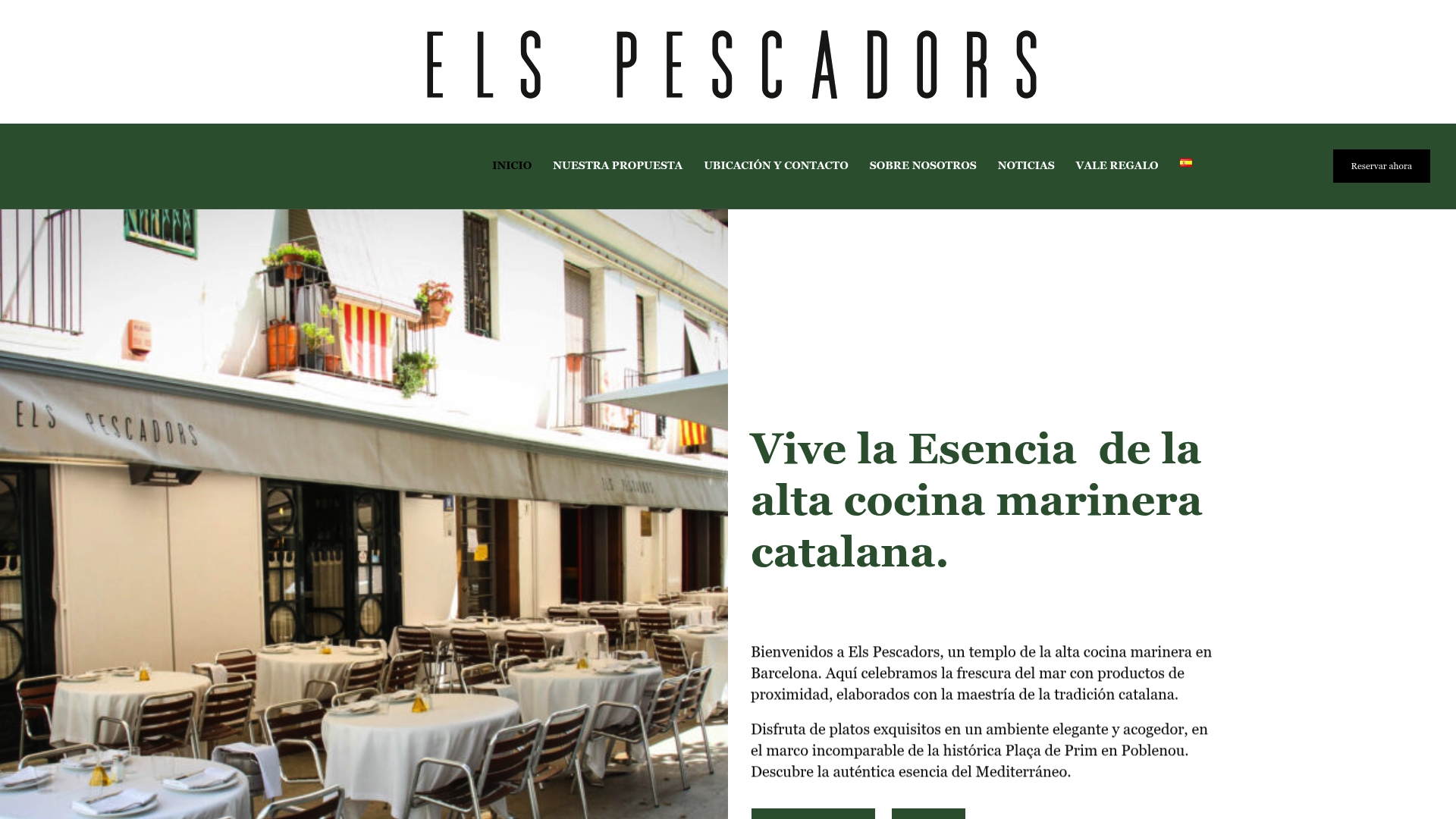
Our kitchen in Poblenou turns cabracho, sargo, and salmonete into fumet-based dishes daily, plated the way generations of Catalan cooks intended. Groups celebrating a birthday, closing a work deal, or just craving a proper Mediterranean feast can explore our group dining menus or check our full proposal for private events and tasting formats. Reserve a table and taste what a same-day fumet actually delivers.
Sources
- Los trucos para hacer el mejor fumet, según el cocinero valenciano que borda el caldo de pescado
- Pescado de roca, el invitado indispensable en un buen bullit o guisat de peix – Peix Nostrum Ibiza
- Pescado de roca, azul, blanco o semigraso: diferencias y cómo descubrir su punto de frescura | El País
FAQ
What Is Pescado de Roca?
Pescado de roca is a commercial and culinary category covering fish that live on rocky Mediterranean seabeds, including salmonete, sargo, cabracho, and mero, grouped by habitat rather than biological family.
What Are the Main Types of Pescado de Roca?
The most common species sold under this label are salmonete de roca (red mullet), sargo (bream), cabracho (scorpionfish), and mero (grouper), along with mixed small fish sold as morralla.
What Is a “Pescado de Rocas”?
It is the same category as pescado de roca. Both terms describe fish caught along rocky bottoms and reefs, used mainly for fumet, stews, and whole-fried preparations.
How Much Does Pescado de Roca Cost?
Prices vary by species, season, and market, with small morralla typically running cheaper per kilo than named fish like sargo or mero, since it is sold for stock rather than fillets. Exact prices depend on your local fishmonger and the day’s catch.
Can Pescado de Roca Be Frozen?
Yes, once gutted and cleaned, but chefs favor same-day fresh fish for fumet because freezing softens the flesh and slightly clouds the finished stock.