You step off the plane in Barcelona, salt air already on your mind, visions of perfectly grilled prawns and golden rice swimming with clams. Then reality hits: the waterfront is a parade of laminated menus with stock photos, and every other sign reads “paella for tourists.” Finding genuinely authentic seafood in Barcelona is absolutely possible, but it requires knowing exactly where to look, what to order, and how to behave at the table. This guide walks you through all of it, from navigating bustling local markets to decoding a Catalan seafood menu like someone who grew up a block from the sea.
Table of Contents
- Know where to look: Sourcing seafood like a local
- Choose wisely: Identifying authentic local seafood restaurants
- Order like a connoisseur: Navigating Catalan seafood menus
- Savor the experience: Dining etiquette and getting the most out of your meal
- What most guides miss: The soul of Barcelona’s seafood tradition
- Ready for your best seafood experience?
- Frequently asked questions
Key Takeaways
| Point | Details |
|---|---|
| Prioritize freshness | Choose restaurants sourcing daily from local markets for the best seafood flavor and sustainability. |
| Seek seasonal variety | Ordering fish and shellfish in peak season improves taste, nutrition, and often price. |
| Dine like a local | Embrace leisurely meals, share dishes, and follow social dining customs for the full experience. |
| Spot authentic venues | Favor establishments with daily changing menus, local customers, and clear market or sea-to-table sourcing. |
| Savor unique Catalan dishes | Sample specialties like suquet de peix and grilled cuttlefish to delve into Barcelona’s rich culinary tradition. |
Know where to look: Sourcing seafood like a local
The first thing seasoned Barcelona food lovers understand is that great seafood starts long before you sit down at a restaurant. It begins at the market, in the early morning, when vendors are still arranging ice and the catch is as close to the boat as it will ever get.
La Boqueria on La Rambla is the most famous market, but knowing how to use it matters. Skip the prepared tapas at the front stalls aimed at passing tourists. Head straight to the fish and seafood counters at the back. There, you will find local fishmongers selling exactly what arrived that morning. To enjoy authentic local seafood in Barcelona, prioritize restaurants using daily fresh catches from local markets like La Boqueria, focusing on seasonal availability for optimal flavor and sustainability.
Barceloneta Market (Mercat de la Barceloneta) is actually a better choice for serious shoppers because it has fewer tourists and more space. Arrive before 9 a.m. on a weekday and you will have your pick of whole fish, live crustaceans, and shellfish that most visitors never see. For smart guidance on choosing top-quality seafood, pay attention to eye clarity on whole fish, shell tightness on bivalves, and a clean ocean smell rather than a strong fishy odor.
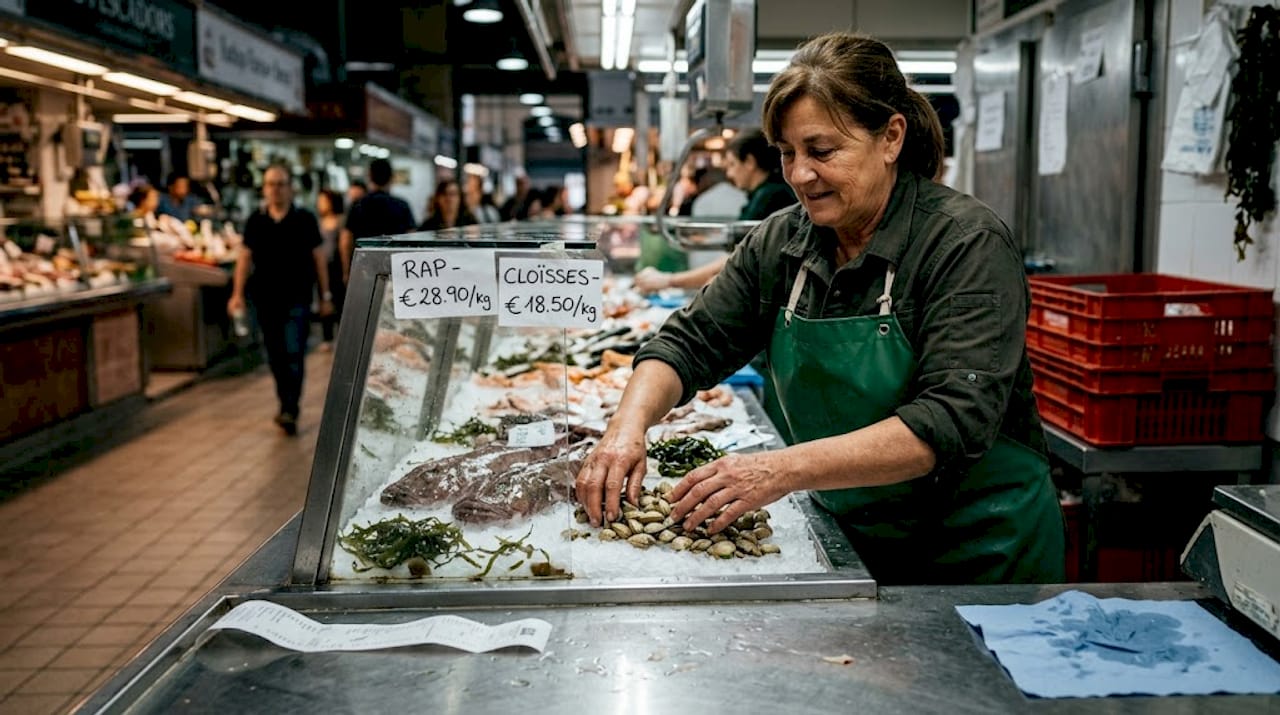
Understanding why choosing local fish matters goes beyond freshness. Local Mediterranean species like lluc (hake), roger (red mullet), and rap (monkfish) are caught using traditional small-scale methods that reduce environmental impact. When you buy local, you support those fishermen and the entire coastal food culture that defines Catalonia.
Key signs that a market stall or supplier is the real deal:
- Prices are written by hand or on a small chalkboard, not printed on glossy cards
- Staff can tell you where the fish came from and when it was caught
- The selection changes daily based on what came in
- Locals are the primary customers, not guided tour groups
| Market | Best for | Ideal arrival time |
|---|---|---|
| La Boqueria | Variety, atmosphere, cooking ideas | 8:00 to 9:00 a.m. |
| Mercat de la Barceloneta | Everyday fresh local catch | 7:30 to 9:00 a.m. |
| Mercat de Santa Caterina | Less crowded, authentic neighborhood feel | 8:00 to 10:00 a.m. |
| Mercat de l’Abaceria | Mixed market, great for whole fish | 9:00 to 11:00 a.m. |
Pro Tip: Learn a handful of Catalan and Spanish market terms before you go. “De temporada” means seasonal. “De llotja” refers to fish sold directly from the fish auction, meaning it arrived that same morning. Saying “és fresc avui?” (is it fresh today?) in Catalan will earn you immediate respect from any fishmonger.
Choose wisely: Identifying authentic local seafood restaurants
Once you know the best places to source seafood, picking the right restaurant ensures an exceptional meal. Barcelona has hundreds of seafood restaurants, but the gap between a genuinely great one and a mediocre tourist trap is enormous, and it is not always obvious from the outside.
The clearest sign of a serious seafood restaurant is a menu that changes. Not seasonally changed as a marketing claim, but actually, visibly different week to week. Restaurants committed to seasonal fishing importance in Catalan cuisine will feature whatever the Llotja de Barcelona fish auction has available. If a restaurant serves the same ten dishes all year, it is buying frozen or imported product.
Recommended establishments worth knowing include Els Pescadors, which has focused on sustainable Catalan cuisine since 1980 with seasonal tasting menus from around €39, Botafumeiro as a celebrated Galician-Mediterranean classic, and Batea as a modern bistro built around seasonal marine flavors. Each represents a different approach, but all share a commitment to sourcing quality ingredients.
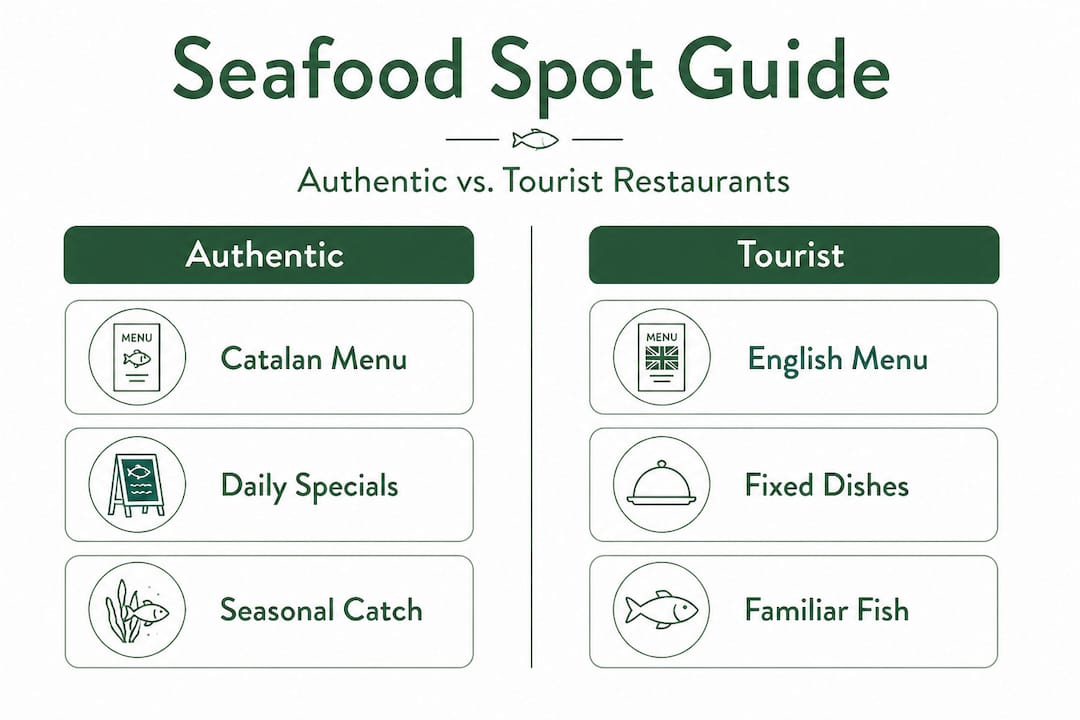
Here is how to spot the real thing versus a tourist trap:
- Check the language of the menu. Authentic Catalan seafood restaurants will list dishes in Catalan first, then Spanish or English. If the menu is only in English with photographs, walk away.
- Look at who is eating there. Locals fill the dining rooms of genuinely good restaurants, particularly at lunchtime. Empty at 1:30 p.m. on a weekday? That says everything.
- Ask one simple question: “What came in fresh today?” Any good restaurant should answer without hesitation.
- Check the rice. Traditional Catalan rice dishes require skill and fresh local seafood. If the paella on the menu looks suspiciously uniform or arrives in under fifteen minutes, it was not made to order.
- Notice the bread. Serious Catalan restaurants serve pa amb tomàquet (bread rubbed with tomato and olive oil) as a starter. It is a small but telling cultural signal.
For tips on fully enjoying fine dining in Barcelona, consider booking a lunch sitting rather than dinner when possible. Many restaurants offer a guide to quality seafood restaurants style menú del día (set lunch menu) that delivers the same kitchen quality at a fraction of the dinner price. The best practice is to opt for lunch for value, arrive at markets early for the freshest selection, book ahead especially in summer, and embrace slow social dining.
Pro Tip: Always call or book ahead, especially from June through September. The best seafood restaurants in Barcelona fill quickly, and reserving your table in advance also signals to the kitchen that you are a committed diner, which sometimes opens the door to off-menu items.
| Feature | Authentic local restaurant | Tourist-oriented spot |
|---|---|---|
| Menu language | Catalan first, changes often | English-first, static year-round |
| Clientele | Mix of locals and informed visitors | Primarily tourists |
| Fish sourcing | Daily local catch, named provenance | Generic “fresh fish” with no detail |
| Rice dishes | Made to order, 20 to 25 minutes | Fast, uniform, pre-prepared |
| Price range at lunch | €20 to €45 set menu | Often overpriced for quality |
Order like a connoisseur: Navigating Catalan seafood menus
With your table chosen, the next step is mastering the menu like a true local. Catalan seafood menus are not intimidating once you understand the organizing logic: the kitchen respects the ingredient, so the preparation is almost always simple and direct.
The most important Catalan seafood dishes every serious food lover should try include:
- Suquet de peix: A fisherman’s stew with fresh catch, potatoes, saffron, and a picada (a paste of almonds, garlic, and fried bread). This is the soul dish of Catalan maritime cooking.
- Arròs a banda: Rice cooked in concentrated fish stock, served separately from the seafood that made the broth. Rich, golden, and unlike any paella you have had before.
- Rossejat de fideus: A noodle dish that mirrors the logic of arròs a banda but uses fine pasta instead of rice. Often served with alioli on the side.
- Gambes a la planxa: Whole prawns grilled simply on a hot iron plate. The quality of the ingredients carries the entire dish.
- Rap amb all cremat: Monkfish with burnt garlic sauce, a classic preparation that balances smokiness with the firm, meaty texture of the fish.
“Seasonal fish are superior in flavor, texture, and nutrition, offering higher omega-3 content, and sustainability benefits through shorter supply chains, along with lower prices when in abundance.”
Key menu terms to know:
- A la planxa: Grilled on a flat iron plate, minimal oil
- Al forn: Oven-roasted, typically whole fish with vegetables
- En escabetx: Marinated in vinegar and spices, often served cold
- Bullit: Boiled, as in certain traditional stews
- Amb all i oli: Served with traditional Catalan garlic mayonnaise
For a fuller understanding of essential seafood types in Catalan gastronomy, it helps to know the Mediterranean species names so you recognize them on a menu. For beverage pairings, look for local Penedès whites or cava to accompany shellfish, and a lighter Priorat or Montsant red if you are ordering oily fish like sardines or mackerel. The types of seafood cuisine available in Barcelona range from raw bar preparations to slow-cooked broths, so let the season guide your order more than any fixed expectation.
Savor the experience: Dining etiquette and getting the most out of your meal
Now, maximize the enjoyment of every bite and moment at your chosen table with these local etiquette tips. The Catalan approach to a seafood meal is fundamentally social. Rushing through the experience is the single biggest mistake visitors make.
Here is how to eat like a local:
- Arrive at the right time. Lunch starts at 2:00 p.m. and dinner rarely before 9:00 p.m. Showing up at 7:00 p.m. for dinner marks you as a tourist immediately, and the kitchen may not be fully warmed up.
- Share dishes. Ordering multiple plates for the table and sharing is deeply embedded in Catalan dining culture. It allows you to taste more and creates the convivial atmosphere the cuisine was built for.
- Do not rush the rice. Traditional Catalan rice dishes are made to order and take 20 to 25 minutes. Accept this. It is part of the ritual, not a failure of service.
- Bread is always there. Use it. Soak up broths, spread with alioli, or simply eat it rubbed with tomato as pa amb tomàquet while waiting for a course.
- Linger after the meal. A tallat (small espresso with a drop of milk) or a glass of local herbal liqueur like ratafia after the meal signals that you respect the full experience.
The best approach to a seafood dining experience also means knowing what to avoid. If your server seems annoyed that you want to take your time, or if dishes arrive all at once rather than in a considered sequence, those are signals that the restaurant is managing volume, not hospitality. The local custom is to embrace slow social dining, and the best restaurants actively support that rhythm.
Pro Tip: If you are ordering a tasting menu, always mention dietary preferences or allergies when you book, not when you sit down. It gives the kitchen time to adapt without disrupting the sequence of dishes they have planned.
What most guides miss: The soul of Barcelona’s seafood tradition
Most travel guides hand you a list of restaurants and call it done. But the most meaningful seafood experiences in Barcelona happen when you notice the things no list can capture.
Take the sequence of a meal. In a genuinely traditional Catalan seafood restaurant, cold preparations come first, then lightly cooked shellfish, then fish, then rice, and finally a sweet or cheese. This is not arbitrary. It mirrors the logic of the sea: light before rich, delicate before bold. When a restaurant follows this sequence without you asking, it is communicating something about its values.
The contrast between traditional and modern approaches in Barcelona is worth paying attention to. Classics like Els Pescadors focus on purity and restraint, letting a perfectly sourced piece of fish speak entirely for itself. Newer spots blend Galician and Catalan traditions with minimalist innovation. Neither approach is better. They represent a living, evolving conversation about what Mediterranean seafood cooking means in 2026.
What often gets overlooked is ambiance as a form of integrity. A restaurant that takes its food seriously also takes the room seriously. Notice the light, the music level, the spacing of tables. These details reflect a philosophy of hospitality that either supports or undermines what is on the plate. A place that crams tables together and plays loud commercial music is telling you something about its priorities.
The pursuit of traditional Catalan flavors is not nostalgia. It is a living practice, and the best seafood restaurants in Barcelona carry it forward not by freezing tradition in place but by understanding why it worked in the first place and building thoughtfully on that foundation.
Ready for your best seafood experience?
You now have the tools to eat seafood in Barcelona the way it deserves to be eaten: with intention, curiosity, and a real appreciation for what makes Catalan maritime cuisine special.
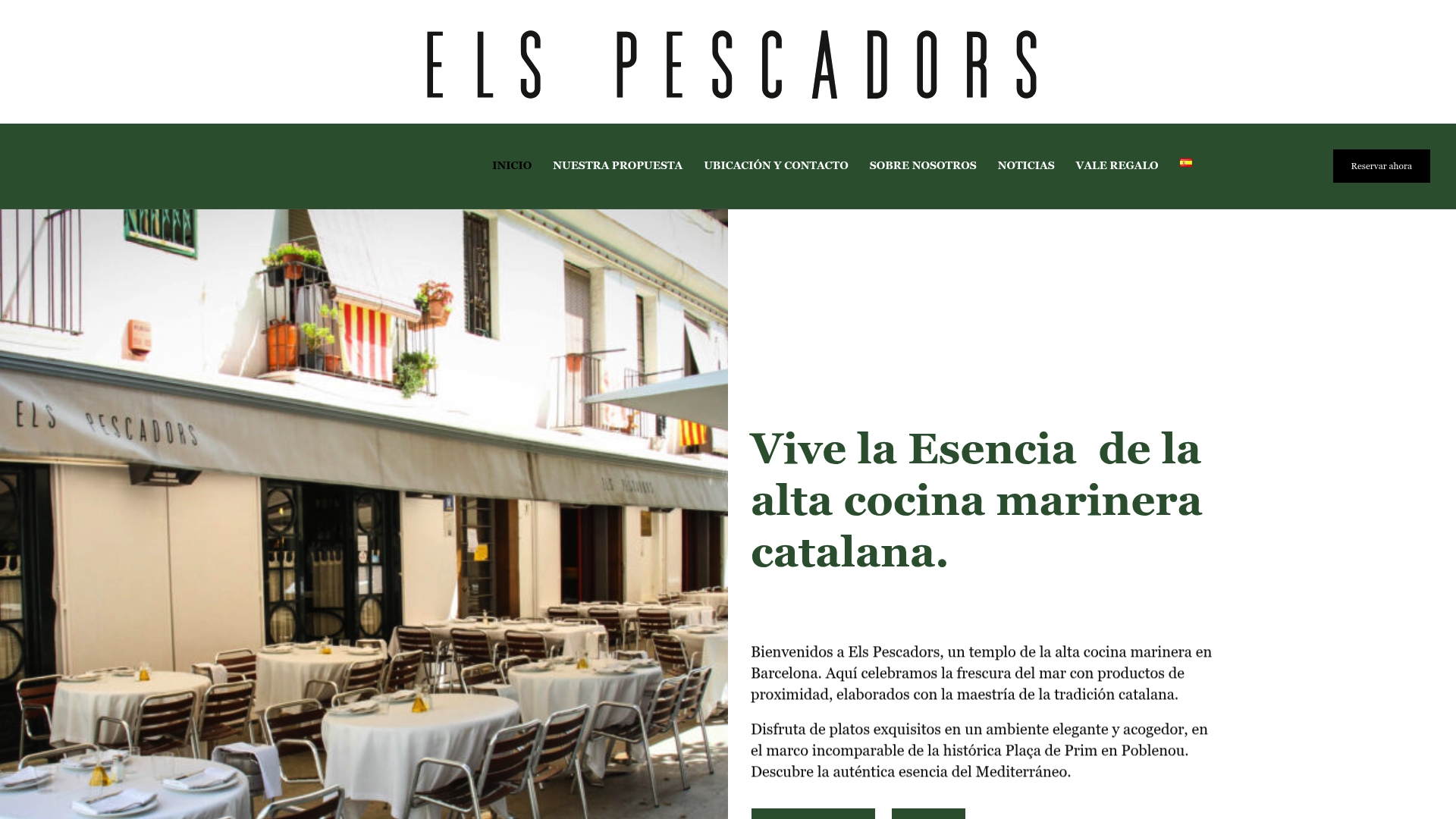
At Els Pescadors, every element of the experience described in this guide comes together in Poblenou’s Plaça de Prim, a neighborhood with deep fishing roots and a calm authenticity that the tourist center of Barcelona rarely offers. Explore our Els Pescadors seafood experience and tasting menus to see what seasonal Catalan cooking looks like at its most considered. If you want to go deeper before you visit, browse our guide to traditional Catalan seafood dishes or review our tips for fine dining to arrive prepared and fully ready to savor every course.
Frequently asked questions
What is the best time of year to eat seafood in Barcelona?
Spring and early summer offer the freshest, most varied local seafood thanks to peak seasonal catches from Mediterranean waters, making April through June an ideal window for visiting serious seafood restaurants.
Which Barcelona markets are best for buying fresh seafood?
La Boqueria and Barceloneta Market are known for their daily fresh selections and wide variety of Catalan seafood specialties, with Barceloneta Market being the quieter, more local-focused option.
How do I spot a tourist trap versus an authentic seafood restaurant?
Look for menus featuring seasonal local seafood written in Catalan, specific regional dishes like suquet or arròs a banda, and a dining room where locals make up a visible portion of the clientele.
Is seafood in Barcelona safe for people with allergies?
Most quality restaurants clearly label allergens and will accommodate requests with advance notice, but always inform your server at the time of booking rather than when seated to ensure the kitchen can prepare safely.
What is a typical Catalan seafood dish to try for first timers?
Try suquet de peix, a rich fisherman’s stew featuring fresh local catch, potatoes, and a savory saffron-based broth, which captures the essential character of Catalan maritime cooking in a single bowl.