Sepia con guisantes, known in Catalan as sípia amb pèsols, is a traditional spring seafood stew that pairs tender cuttlefish with fresh peas in a rich sofrito base. Home versions typically take 45 to 60 minutes start to finish, with the peas themselves needing only 3 to 8 minutes at the end. If you would rather taste a refined version than cook one, some restaurants in Barcelona serve seasonal seafood dishes worth seeking out.
TL;DR:
- Cook the cuttlefish’s soft innards with onion and tomato early for a richer sauce, then add garlic, parsley, and toasted nut paste near serving.
- Add fresh peas only during the final 3 to 8 minutes; frozen peas also work, but they cook faster and need less time.
- For the Plat de Mataró version, add diced potatoes early so they soften alongside the cuttlefish, creating a heartier stew.
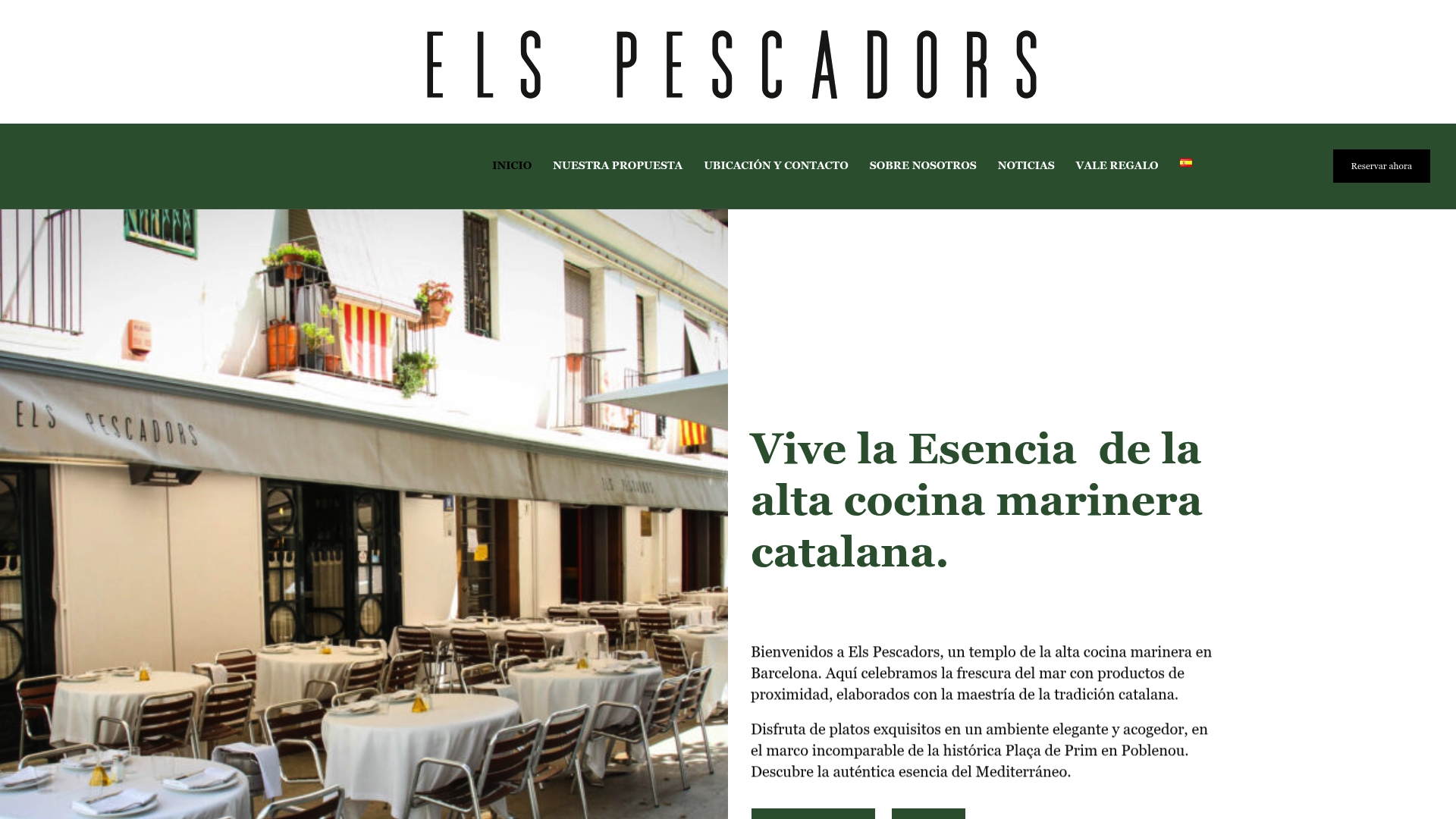
- In Barcelona, check seasonal menus for fresh peas and mentions of the nut and herb paste or cuttlefish innards; Els Pescadors in Poblenou focuses on daily catch.
Table of Contents
- Why This Dish Matters in Catalan Cooking
- Ingredients, Melsa, and the Role of Picada
- How to Cook Sepia Con Guisantes at Home
- Getting the Texture and Timing Right
- Where to Find a Great Version in Barcelona
- A Dish That Still Tastes Like Its Origins
- Taste Our Seasonal Catalan Cooking at Els Pescadors
- FAQ
- Sources
Why This Dish Matters in Catalan Cooking
Sepia con guisantes grew out of fishermen’s kitchens, where cooks combined whatever came off the boat with whatever grew nearby. That habit of pairing sea and land produce still defines a lot of Catalan cooking, and this dish is one of its clearest examples. It depends on timing: peas have a short season, and the dish is really only worth making when they are fresh.
In the Maresme region near Barcelona, a local variant called the Plat de Mataró adds potatoes to the sepia and peas, turning the stew into a heartier one-pot meal. It became a recognized local symbol starting in the late 1990s and still shows up at regional food events.
- Fishermen’s-guiso origins tie the dish to Catalonia’s coastal food tradition.
- Maresme peas, often called Llavaneres or garrofal varieties, are prized for their sweetness.
- The Plat de Mataró variant folds in potatoes for a more substantial version.
- Spring is the season that matters most, since pea quality drops quickly once the season passes.
Ingredients, Melsa, and the Role of Picada
A traditional recipe calls for cuttlefish, fresh peas, onion, ripe tomato, garlic, parsley, a splash of vino ranci or white wine, and a handful of toasted nuts for the finishing picada. Potatoes are optional, used mainly for the Mataró-style version.
Two techniques separate a good version from an ordinary one. The melsa, or cuttlefish’s soft innards, gets seared and worked into the sofrito early, giving the sauce a dense, meloso texture that standardized recipes often skip. The picada, a paste of garlic, parsley, toasted hazelnuts or almonds, and sometimes a bit of stale bread, gets stirred in near the end to thicken the sauce and round out the flavor.
- Core ingredients: cuttlefish, peas, onion, tomato, garlic, parsley, wine, nuts.
- Melsa deepens the sofrito; picada finishes and binds the sauce.
- Potatoes are the one addition that turns this into the Plat de Mataró.
A standard home batch runs 45 to 60 minutes total, most of it spent gently simmering the cuttlefish until tender before the peas go in for their short finish.
How to Cook Sepia Con Guisantes at Home
Start by cleaning the cuttlefish and setting the melsa aside in a small bowl rather than discarding it. Shell the peas, and if you want extra depth, simmer the pods briefly to make a light fumet, a trick some professional recipes use to stretch flavor without adding more seafood.
- Mark the sepia. Sear cut pieces in a hot pan with olive oil for a couple of minutes per side. This step builds color and flavor in the pan before the stew comes together, and it is not a step to skip even if you are short on time.
- Build the sofrito. In the same pan, cook onion and grated tomato slowly, then stir in the reserved melsa and let it confit into the base for several minutes until it darkens and thickens the mixture.
- Deglaze and add liquid. Pour in vino ranci or a dry white wine, let it reduce, then return the seared sepia to the pan along with fumet or water to cover.
- Simmer until tender. Let the sepia cook gently, checking for tenderness, since larger pieces take longer than small ones.
- Add the peas. Stir in fresh peas only in the final 3 to 8 minutes of cooking so they stay bright and sweet instead of turning dull and mushy.
- Finish with picada. Crush garlic, parsley, and toasted nuts into a paste, stir it into the pot, and let the stew rest off the heat for a few minutes before serving.
Frozen peas work fine as a pantry swap, though they cook faster and need less time than fresh ones. White wine substitutes cleanly for vino ranci, and walnuts or pine nuts can stand in for hazelnuts or almonds in the picada if that is what you have on hand.
Pro Tip: Taste the sauce before adding the picada, since the paste thickens and sweetens the stew, and adding it too early can mute the pea flavor you worked to preserve.

Getting the Texture and Timing Right
The two details that separate a flat version of this dish from a memorable one are the melsa and the picada. Searing the melsa into the sofrito rather than tossing it in raw gives the sauce body that plain tomato and onion cannot deliver on their own.
Pea timing matters just as much. Mercats de Barcelona recipe guidance for similar sepia dishes recommends adding peas close to the end, around five minutes before finishing, to keep their color and avoid toughening the cuttlefish. If you overcook them by accident, a quick swap with a handful of fresh raw peas stirred in right before serving can save the dish.
- Sear the melsa into the sofrito early for a richer, meloso base.
- Add peas in the last few minutes only, never earlier.
- Use hazelnuts or almonds in the picada, added just before serving.
- For the Plat de Mataró variant, add diced potatoes early so they soften alongside the sepia.
Pro Tip: Pair the finished stew with a simple crusty bread and a chilled glass of the same white wine you used in the sofrito.
Where to Find a Great Version in Barcelona
A kitchen that takes this dish seriously usually signals it on the menu itself: look for mentions of picada, melsa, or fresh seasonal peas rather than a generic “cuttlefish and peas” listing, and check whether it appears on a changing carta del día or menú de temporada rather than a fixed year-round menu.
Els Pescadors, located in Barcelona’s Poblenou district, builds its offering around daily fresh catch and Catalan maritime cuisine, which lines up with how this dish is meant to be served. A seasonal approach to dishes built on peak-season produce, like spring peas, means they tend to show up when they are genuinely at their best.
- Look for picada or melsa mentioned explicitly on the menu.
- Favor restaurants with a changing seasonal or daily menu over a fixed one.
- Check the seasonal menu or reach out directly when peas are in season to see what is currently being served.
A Dish That Still Tastes Like Its Origins
There is something grounding about a recipe that has not strayed far from its roots: a fisherman’s pot, local peas, a handful of nuts crushed by hand. Markets in Catalonia still run on that same seasonal logic, and a dish like this only works when you respect it.
What strikes me most is how little this stew asks for and how much it gives back. It is proximity cooking in its simplest form, sea and land in one pot, and it rewards patience more than skill. Try making it yourself this spring, or book a seasonal menu and let someone else do the searing.
— YellowRock
Taste Our Seasonal Catalan Cooking at Els Pescadors
Spring in Barcelona means fresh peas, daily catch, and dishes built around what the market offers that week. Our Menú de Temporada reflects that same seasonal logic, built around fresh seafood and local produce prepared in the Catalan maritime tradition.
If you would rather see what is on the daily table, our La Carta offers a fuller picture of what we’re serving, and reservations can be made directly through our site.
FAQ
What is sepia con guisantes in Catalan cuisine?
Sepia con guisantes, or sípia amb pèsols, is a traditional Catalan stew that pairs cuttlefish with fresh spring peas in a sofrito base finished with a picada of nuts and herbs. It is considered a classic example of Catalan proximity cooking, linking seafood with seasonal garden produce.
How long does sepia con guisantes take to cook?
A home version typically takes 45 to 60 minutes from start to finish. The peas themselves only need 3 to 8 minutes added near the end so they stay tender and bright.
What is the Plat de Mataró variant?
The Plat de Mataró is a regional version from the Maresme area near Barcelona that adds potatoes to the classic sepia and peas combination. It became a recognized local dish starting in the late 1990s and remains tied to regional food culture.
What does the picada add to the dish?
The picada is a paste of garlic, parsley, and toasted nuts like hazelnuts or almonds, sometimes with a bit of stale bread, stirred in near the end of cooking. It thickens the sauce and rounds out the flavor without overpowering the seafood.
Where can I try an authentic version in Barcelona?
Els Pescadors in Barcelona’s Poblenou district serves Catalan maritime cuisine built around daily fresh catch and seasonal produce. Checking the seasonal menu or contacting the restaurant directly is the best way to see what is currently being served.
Sources
- Sepia con guisantes | Kilometre0
- Sepia con guisantes | Espaide l Peix
- Sepia encebollada | Mercats de Barcelona
- ¿Sabes cómo hacer una de las recetas catalanas más humildes y deliciosas? Seguro que la conoces