A service charge and a tip are not the same thing in Spain, and restaurants cannot legally force you to pay one as a hidden extra. Tipping, known as propina, is always voluntary. Check your bill for a line marked “servicio” or “cubierto,” and if you see one you didn’t agree to, ask staff to explain it before paying.
TL;DR:
- Menus must show final prices, including VAT, before ordering; diners can request removal of any undisclosed cover or service fee.
- A cover charge for bread or table setting is allowed only when the menu discloses it before the diner orders.
- Common tips run from 5% to 10%, but no tip is expected for ordinary restaurant service; excellent service may merit about 5%.
- Cash remains easiest because many smaller restaurants and bars do not accept card tips; rounding up or leaving spare change fits local practice.
- Before group bookings or tasting menus, confirm whether a service fee is included in the quoted price; any extra tip remains optional.
Table of Contents
- 1. Meanings: service charge, cubierto, and propina
- 2. Legal rules and consumer protection: can restaurants add a service charge in Spain?
- 3. When and how much to tip: venue-by-venue norms
- 4. How to handle the bill: spotting service lines and asking for clarification
- 5. Traveler practical tips: cash vs card and avoiding misunderstandings
- 6. A Barcelona restaurateur’s view on pricing and tips
- 7. Author perspective: quick bottom-line guidance for travelers
- Els Pescadors: clear pricing for group dining in Barcelona
- FAQ
- Sources
1. Meanings: service charge, cubierto, and propina
Three words show up on Spanish bills and menus, and mixing them up is where most confusion starts.
- Servicio: a service line sometimes added to the total; if it’s mandatory and undisclosed, it’s not legal.
- Cubierto: a cover charge for bread, table setting or similar extras, which must be listed on the menu if a restaurant uses it at all.
- Propina: the tip you choose to leave for good service, always optional and never built into the printed price.
A menu that quietly adds a “servicio” line at the bottom of the receipt without ever mentioning it on the printed menu is the clearest red flag. A cubierto, by contrast, is legitimate as long as it was disclosed before you ordered. Propina never appears on the printed bill at all. It’s cash or card you add afterward, based entirely on how the meal went.
2. Legal rules and consumer protection: can restaurants add a service charge in Spain?
Spanish consumer law is direct about this. Consumo Responde warns that charging a separate, undisclosed amount for “cubierto” or “servicio” is illegal, and that final prices must include VAT with no surprise additions at the register.
- Menus and price lists must show the full price, taxes included, before you order.
- Any cover or service charge has to be disclosed upfront, not introduced on the final receipt.
- You’re entitled to an itemized bill and can ask staff to remove an undisclosed charge.
Consumer protection frameworks across Spain give diners enforcement backing: regional and national rules require transparent pricing and allow administrative sanctions against businesses that use unfair commercial practices. If a restaurant won’t adjust an illegal charge, you can file a complaint through your regional consumer office.
3. When and how much to tip: venue-by-venue norms
Spain doesn’t run on American-style tipping math. Official tourism guidance confirms tips aren’t obligatory, since prices generally already include service and VAT, and when people do tip, it tends to be modest, commonly in the 5% to 10% range.
- Sit-down restaurants: round up the bill or leave around 5% for excellent service; nothing is expected for average service.
- Tapas bars and cafés: leave spare change on the counter or table, often just a euro or two.
- Taxis: round up to the nearest euro; no set percentage is expected.
- Hotels: a couple of euros for a bellhop or housekeeping is generous, not required.
- Guided tours: a few euros per person is common for a half-day tour if the guide was good.
If you’re paying by card, ask whether the terminal supports adding a tip, a feature explained in detail in UK tipping culture and payment systems. Many smaller restaurants and bars still don’t offer that option, so carrying some cash for a propina is the simplest workaround.
4. How to handle the bill: spotting service lines and asking for clarification
Before you pay, scan the receipt for anything labeled “servicio,” “cubierto” or a separate line you didn’t anticipate.
- If something looks off, ask for the itemized version: “¿Puede desglosar la cuenta?” works in Spanish, or simply “Can I see an itemized bill?” in English.
- If a mandatory service charge appears without having been mentioned on the menu, you can politely decline to pay that line.
- If you want to tip but the card machine doesn’t prompt for it, leave coins on the table or tell the server to keep the change.
Pro Tip: Keep a small stash of €1 and €2 coins specifically for tipping. It avoids the awkward moment of asking for change back just to leave a tip.
5. Traveler practical tips: cash vs card and avoiding misunderstandings
A little preparation goes a long way toward a smooth meal.
- Carry small euro coins and a few low-denomination notes, since cash is still the easiest way to leave a tip in most places.
- When in doubt, round up the bill or leave loose change rather than calculating a strict percentage.
- Avoid making a scene over a small unwanted charge. Point it out calmly to staff and ask for a correction.
- Treat tipping as a personal choice tied to the quality of service you received, not a fixed obligation.
Travelers coming from countries with higher tipping norms sometimes over-tip out of habit. A modest amount, or simply rounding up, fits local expectations better and avoids confusion for everyone at the table.
6. A Barcelona restaurateur’s view on pricing and tips
In Barcelona’s dining scene, restaurants that take pricing seriously list final prices on the menu, VAT included, and treat any tip as entirely the guest’s call. That transparency matters most with group bookings and tasting menus, where the total needs to be clear before anyone sits down.
When a group books a set menu, the price agreed in advance should already reflect everything, food, drink package if included, and any service component. Tipping on top of that stays optional. Staff generally prefer cash for a tip, since it reaches them directly rather than through a card settlement.
For private events or larger group menus, it’s worth confirming with the restaurant beforehand whether any service fee is baked into the quoted price. Our local breakdown of tipping norms in Barcelona covers typical amounts guests leave for group dinners. For groups weighing options, our group menu pricing guide walks through what’s typically included at different price points.
7. Author perspective: quick bottom-line guidance for travelers
The simplest way to avoid stress at the table is to treat tipping as entirely optional and the bill as something worth a quick glance before you pay. Check for unexpected charges, ask if something’s unclear, and carry some cash for when you do want to leave something extra. Spain’s dining culture doesn’t run on guilt or percentages. A relaxed meal, paid fairly, is the whole point.
— YellowRock
Els Pescadors: clear pricing for group dining in Barcelona
We list our menus and final prices upfront, whether you’re choosing the Menú de Temporada, exploring La Carta for fresh fish and seafood, or planning a private event through our Menú para Grupos.
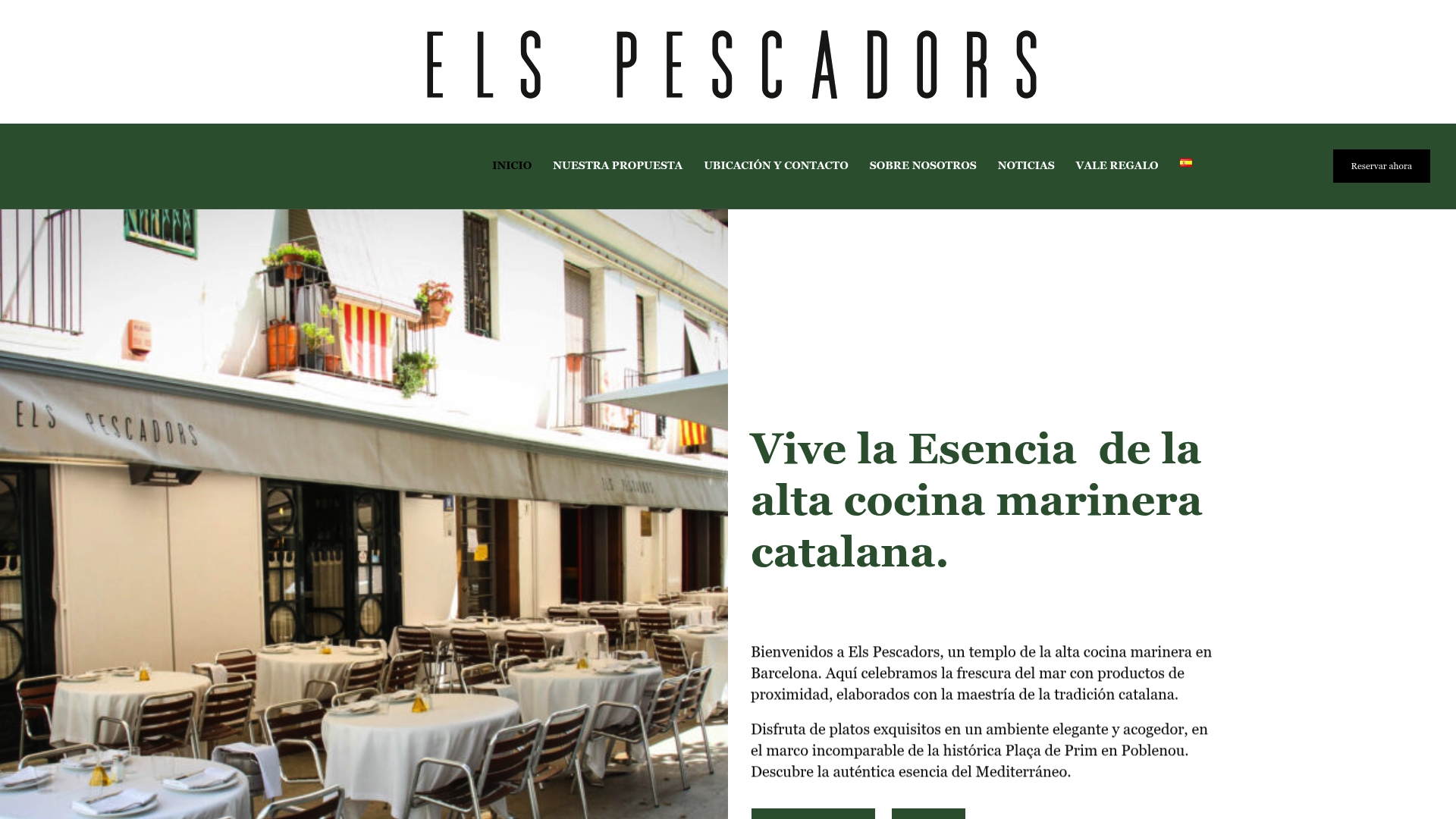
For visitors who want authentic Catalan maritime cuisine without any confusion over what’s included, our seasonal and tasting menus are priced to be clear from the start. Browse our daily menu or get in touch to reserve a table in Poblenou.
FAQ
Do taxi drivers in Spain expect a tip?
No, tipping taxi drivers isn’t expected in Spain. Rounding up the fare to the nearest euro is a common and appreciated gesture, but it’s never required.
Is a 10% tip insulting in Spain?
Official guidance notes that when people tip, amounts commonly fall between 5% and 10%, so 10% reflects strong satisfaction with the service.
Is a service charge the same as a tip in Spain?
No, a service charge is a fee some venues add to the bill, while a tip, or propina, is money you choose to leave voluntarily. Consumer protection rules state that an undisclosed mandatory service charge is illegal, while a tip is always optional regardless of amount.
What should I check before paying a restaurant bill in Spain?
Look for any line labeled “servicio” or “cubierto” that wasn’t mentioned on the menu, since that could be an improper charge. Ask staff for an itemized breakdown if anything looks unclear, and remember that any tip beyond the listed total is entirely up to you.
Sources
- Spain
- Consumo advierte que es ilegal que los bares y restaurantes cobren una cantidad extra en concepto de cubierto o servicio | Consumo Responde
- E-justice