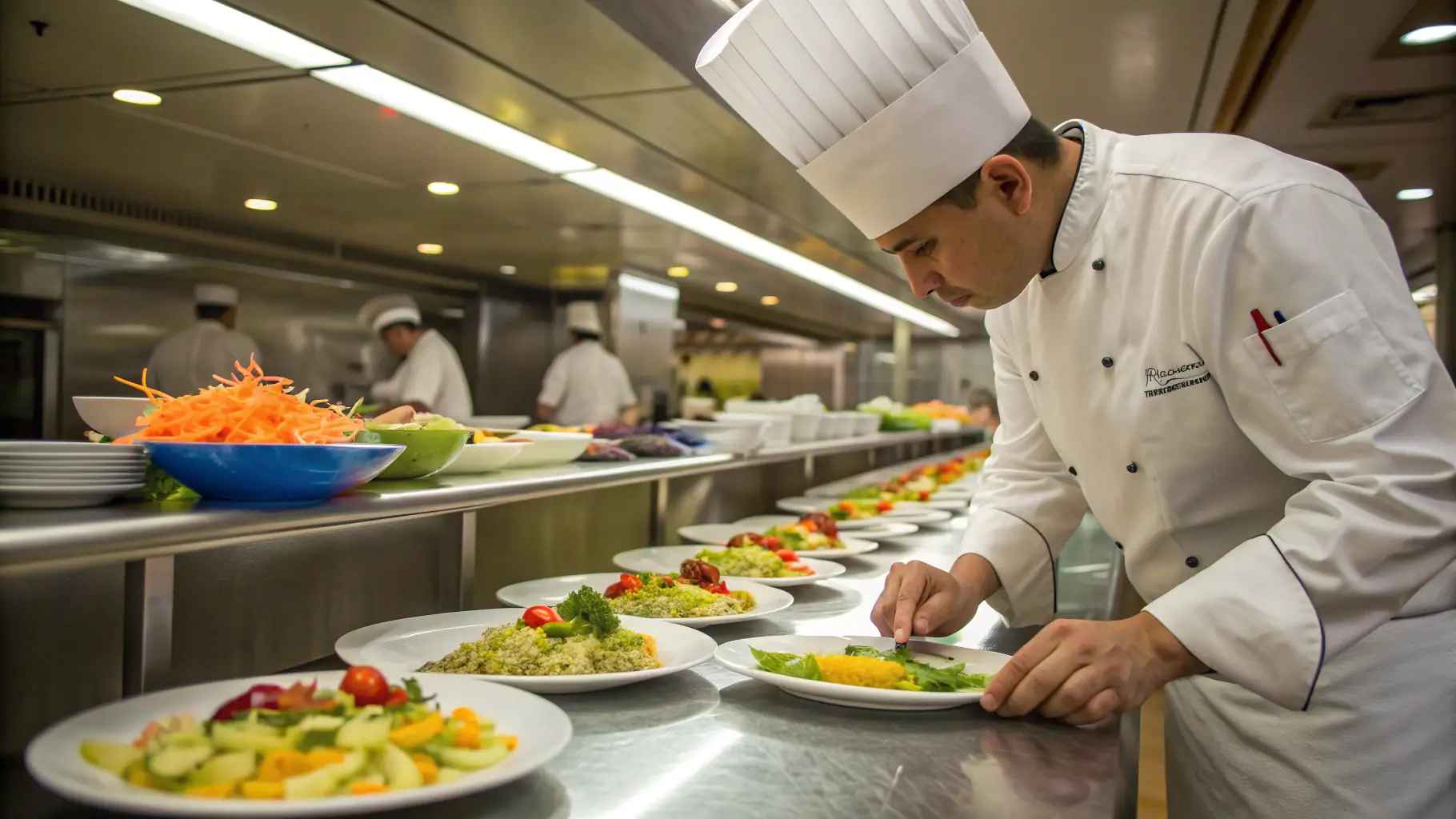
The top seafood dining trends 2026 are defined by three forces: convenience, sustainability embedded in supply chains, and hybrid culinary formats that blend street food with premium ingredients. EU seafood expenditure grew to €62.8 billion in 2023–24, even as per-capita consumption fell to 22.9kg. That paradox tells food professionals exactly where the market is heading. Diners spend more but eat less volume, demanding higher quality, greater convenience, and formats that photograph well. Health, social media appeal, and ease of preparation now drive menu decisions as much as flavor does.
1. What convenience-driven seafood formats are trending in 2026?
Convenience is the single biggest driver reshaping seafood menus and retail formats right now. The decline of traditional wet fish counters across Europe has pushed consumers toward packaged, ready-to-cook products that require no deboning, no peeling, and minimal prep time. Restaurants and food manufacturers that ignore this shift lose ground fast.
The formats gaining the most traction include:
- Ready-to-cook portions: Skinless, boneless fillets in vacuum-sealed trays dominate retail and influence restaurant plating expectations.
- One-pan and bowl meals: Fish rice bowls, Mediterranean grain bowls with shrimp, and sheet-pan salmon dinners appeal to time-conscious diners at home and in casual restaurants.
- Sushi and poke bowls: These formats require no cutlery skills and deliver a complete, nutritious meal in a single vessel. They represent the fastest-growing casual seafood dining category in urban Europe.
- Grab-and-go seafood snacks: Smoked salmon bites, fish tacos, and marinated mussel cups fill the gap between fast food and fine dining.
Pro Tip: Design your menu around the “zero-effort” principle. If a diner has to work to eat the dish, the format needs rethinking for casual settings.
The luxury seafood dining guide for 2026 shows how even premium restaurants now offer convenience-forward tasting formats without sacrificing quality. Convenience and quality are no longer opposites.
2. How are hybrid seafood concepts blending street food and premium dining?
Hybrid seafood concepts are the most talked-about seafood dining innovation of 2026. They take familiar street food structures, think kebabs, wraps, and burgers, and fill them with premium seafood proteins. The result lowers the psychological barrier to trying unfamiliar species while keeping price points accessible.
The most visible examples include:
- Octopus döner: Thinly sliced, fire-cooked octopus served in flatbread with Mediterranean sauces. Originating in Vienna, this format spread rapidly through social media.
- Sushi burritos and seafood wraps: Oversized rolls combining sushi-grade fish with global flavor profiles. These photograph well and travel easily.
- Shareable seafood platters: Large-format presentations designed for group tables, combining multiple species and preparations in one visually striking dish.
- Seafood sliders and fish sandwiches: Premium fish in casual bun formats, bridging fast-casual and fine dining expectations.
“Hybrid seafood concepts are effective at lowering consumption barriers among younger demographics through format familiarity and media shareability. The initial viral moment matters, but long-term viability depends on consistent quality and a price-to-value ratio that holds up after the social media buzz fades.”
Hybrid concepts face real operational challenges around sourcing consistency and margin control. A viral octopus kebab concept that cannot maintain quality at scale will not survive its second year. Social media drives the first wave of customers. Operational discipline keeps them coming back.
Pro Tip: Before launching a hybrid seafood concept, stress-test your supply chain for the hero ingredient. Octopus, for example, has volatile pricing and limited domestic sourcing in most European markets.
3. What sustainable seafood trends influence dining and supply chains in 2026?
Sustainability in 2026 is a supply chain feature, not a marketing claim. Menu-level sustainability nudges have limited influence on consumer choices compared to price and convenience. Operators who embed sustainability invisibly into procurement and sourcing see better outcomes than those who rely on table cards and eco-labels alone.
The four most impactful sustainable seafood practices shaping 2026:
- Direct sourcing from vertically integrated aquaculture: Operators move toward direct procurement to secure predictable pricing and consistent portion quality. Cutting out intermediaries also reduces the carbon footprint of the supply chain.
- Seafood sidestream utilization: Filleting byproducts, including belly cuts, collars, and trim, now appear in hotdogs, tartars, and wraps. 74% of European consumers hold a positive or neutral attitude toward sidestream products when properly labeled. That acceptance rate makes sidestreams a genuine commercial opportunity, not a niche experiment.
- ASC and MSC certification integration: Certifications like the Aquaculture Stewardship Council (ASC) standard improve retail adoption and signal credibility to trade buyers. They matter more in B2B procurement than at the consumer-facing menu level.
- Waste reduction through format design: Portioning seafood into ready-to-cook formats reduces kitchen waste and standardizes yield. This benefits both sustainability metrics and food cost control.
Pro Tip: Frame sidestream products around flavor and convenience, not sustainability alone. Consumers respond to “rich, savory fish spread” far better than “made from filleting byproducts.”
Sustainable sourcing in Barcelona demonstrates how embedding responsible procurement into daily operations creates a stronger dining proposition than any single eco-label can.
4. Which seafood proteins and species dominate casual dining in 2026?
Salmon is the dominant protein in European casual seafood dining, and its lead is widening. Salmon accounts for over 78% of total protein consumption in major Italian sushi and poke chains, a 43% increase since 2021. That concentration creates both a market reality and an opportunity for operators willing to diversify.
| Species | Format Strength | Consumer Driver | Innovation Potential |
|---|---|---|---|
| Salmon | Sushi, poke, ready-to-cook | Familiarity, mild flavor, health | High in premium and hybrid formats |
| Tuna | Sashimi, tartars, canned | Protein density, global recognition | Moderate, sustainability pressure |
| Octopus | Grilled, hybrid street food | Texture, visual appeal | High in hybrid and fire-cooked formats |
| Mussels and clams | Sharing platters, broths | Price, local sourcing | High in casual and group dining |
| Under-loved species | Whole fish, chef-driven menus | Novelty, sustainability story | High but requires consumer education |
Wild catch volumes continue to decline while aquaculture production remains stable. That supply dynamic favors farmed salmon and mussels in the near term. Under-loved species like gurnard, pollock, and mackerel carry strong sustainability credentials but face a consumer education barrier. Format innovation, placing them in familiar structures like tacos or rice bowls, is the most effective way to drive trial. Checking the local seafood market guide gives buyers a practical framework for sourcing these species at competitive prices.
The rise of salmon in sushi chains across Scandinavia and Southern Europe confirms that format familiarity accelerates protein adoption. Operators introducing new species should pair them with formats consumers already trust.
5. How do customer preferences shape seafood dining experiences in 2026?
Consumer expectations in 2026 center on flavor, visual impact, and social dining. Diners want meals that taste bold, look striking, and work well at a shared table. The following preferences are reshaping menus across casual and fine dining seafood venues:
- Global flavor profiles: Fermented, fire-cooked, and umami-forward preparations attract diners who have moved beyond lemon-and-butter seafood. Korean gochujang glazed fish, Japanese-style cured salmon, and Catalan wood-fired preparations all reflect this demand.
- Sharing platters and group formats: Visually appealing, social dining experiences drive table spend and social media exposure simultaneously. A well-composed seafood tower earns its place on Instagram before it reaches the table.
- Health as a baseline expectation: Diners assume seafood is healthy. They do not need to be told. What they want is flavor and convenience layered on top of that assumption.
- Consistent quality and ready-to-cook ease: Whether dining out or cooking at home, consumers expect the same standard. Restaurants that deliver inconsistent portions or overly complex preparations lose repeat visits.
The role of fresh ingredients in seafood flavor remains the foundation of every successful seafood menu, regardless of how contemporary the format becomes. Trend-driven formats fail when the underlying product quality is weak.
Key Takeaways
The top seafood dining trends of 2026 require operators to embed convenience, sustainability, and hybrid formats directly into their menus and supply chains, not treat them as optional add-ons.
| Point | Details |
|---|---|
| Convenience drives format decisions | Ready-to-cook, deboned, and single-vessel formats now define consumer expectations across retail and dining. |
| Hybrid concepts need operational discipline | Social media launches hybrid seafood formats, but consistent quality and margin control determine long-term survival. |
| Sustainability belongs in the supply chain | Embedding responsible sourcing in procurement outperforms menu-level eco-claims in driving real consumer behavior. |
| Salmon dominates but diversification pays | Salmon holds 78% of casual dining protein share; under-loved species offer differentiation when paired with familiar formats. |
| Social and visual dining is a growth lever | Sharing platters and Instagrammable presentations increase table spend and organic marketing reach simultaneously. |
The trends that actually matter in 2026
The data on 2026 seafood dining trends is clear, but the interpretation requires some pushback against conventional wisdom. Most industry commentary treats convenience and quality as a trade-off. They are not. The operators I see succeeding in 2026 treat convenience as a design constraint, not a compromise. They ask: “How do we make this exceptional dish effortless to eat?” That question produces better menus than “How do we simplify this dish?”
Hybrid concepts are genuinely exciting, and I understand why they dominate trend reports. But the failure rate among viral seafood street food concepts is high. The octopus döner wave produced dozens of concepts across European cities. Most will not survive their third year. The ones that will are built on supply chain relationships, not social media strategy. If you are advising a client on launching a hybrid seafood concept, start with the sourcing plan, not the brand identity.
On sustainability, the Datassential finding about menu nudges having limited impact should end a decade of misguided eco-labeling strategy. Diners do not change their order because of a leaf icon next to a dish. They change their behavior when the sustainable option is also the most convenient and best-value option on the menu. Build that, and the sustainability story tells itself.
The salmon concentration story is the one I find most strategically interesting. A 78% protein share in casual dining is not a trend. It is a dependency. Any operator or supplier building a business around that concentration faces real risk from supply disruption, price volatility, or a single food safety event. The chefs and buyers who start working with mackerel, mussels, and underutilized Mediterranean species now will have a meaningful competitive advantage within three years.
— YellowRock
Elspescadors and the seafood dining trends shaping 2026
Elspescadors, located in Barcelona’s historic Poblenou district, puts the trends outlined here into daily practice. The kitchen sources seasonal, locally caught seafood and builds menus around the same principles driving 2026’s most significant shifts: fresh ingredients, social dining formats, and supply chain integrity over marketing claims.
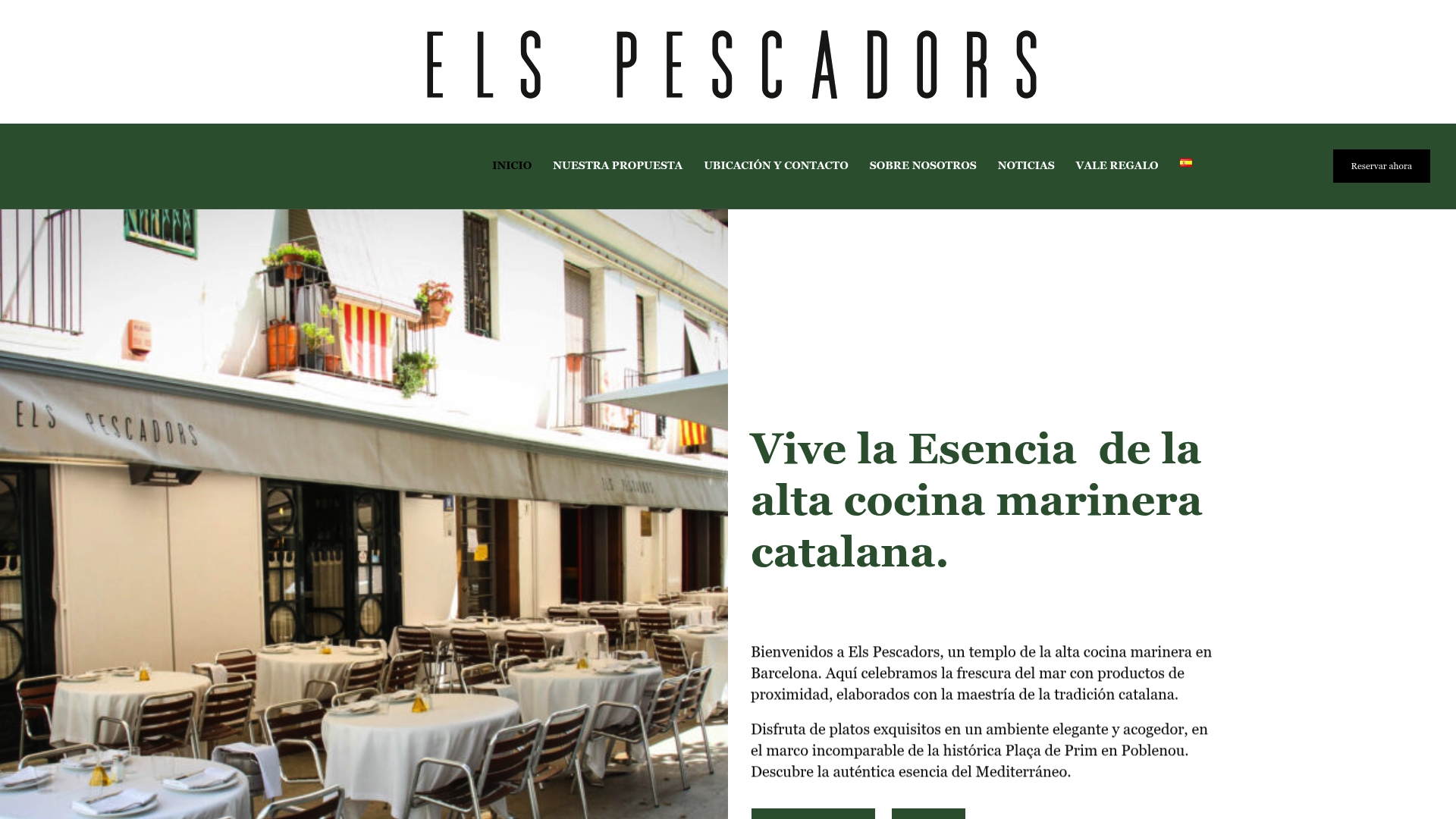
For food professionals planning group events or client experiences that reflect current seafood dining innovations, the group seafood dining concepts at Elspescadors offer a practical, high-quality reference point. The sharing platters, fresh catch menus, and Catalan tasting formats align directly with what trend data identifies as the most durable consumer preferences for 2026. Explore upscale group dining menus in Barcelona to see how these trends translate into a real dining experience.
FAQ
What are the top seafood dining trends in 2026?
The top seafood dining trends in 2026 center on convenience-first formats, hybrid street food concepts using premium seafood, and sustainability embedded in supply chains rather than communicated through menu labels.
Why is salmon so dominant in casual seafood dining?
Salmon accounts for over 78% of protein consumption in major European sushi and poke chains, driven by its mild flavor, familiarity, and consistent aquaculture supply. That dominance reflects consumer preference for predictable, easy-to-eat proteins in casual formats.
Do sustainability claims on menus actually influence diners?
Sustainability menu nudges have limited influence on consumer choices compared to price and convenience. Embedding sustainable sourcing directly into procurement and product design produces better outcomes than eco-labels alone.
What are seafood sidestream products and why do they matter?
Seafood sidestreams are byproducts of filleting, including belly cuts, collars, and trim, repurposed into ready-to-eat formats like tartars, wraps, and spreads. European consumer acceptance is high when these products are properly labeled and positioned around flavor and convenience.
Which seafood species offer the best innovation potential beyond salmon?
Octopus, mussels, mackerel, and under-loved white fish species like gurnard and pollock carry strong sustainability credentials and respond well to format innovation. Pairing them with familiar structures like bowls, tacos, or sharing platters is the most effective way to drive consumer trial.