Barcelona’s unique fish preparations are defined by three distinct culinary traditions: ancestral preservation techniques, slow-cooked Catalan stews, and chef-led omakase sequences built around the daily catch. No other Mediterranean city layers these approaches so deliberately within a few square miles. Michelin-starred venues like Fishology sit alongside century-old bacallà recipes and Japanese-inspired counters like Jara Sushi Omakase, giving food enthusiasts and travelers an unusually wide range of serious seafood experiences. What follows is a guide to the preparations that actually distinguish Barcelona from every other port city on the Mediterranean.
1. Ancestral preservation: Barcelona’s unique fish preparations at their most radical
Preservation-based seafood cooking is the most underrepresented category in Barcelona’s dining scene, and Fishology is the restaurant that changed that. The concept is straightforward but rare: apply ancestral techniques including salting, maturing, smoking, curing, and pickling to fish, then serve the results as a structured tasting menu. The kitchen describes its output as a “charcuterie of the sea,” and that framing is accurate. The flavor profiles are concentrated, aromatic, and textural in ways that fresh fillet cooking simply cannot produce.
Fishology holds a Michelin star and Slow Food designation, two quality signals that rarely appear together. The restaurant runs two tasting menus:
- Benthos (€115, 8 courses): explores ocean depths down to 200 meters, focusing on lesser-known species and preservation-forward preparations
- Abyssal (€140, 10 courses): adds seasonal items and offal cuts, pushing the zero-waste philosophy further into unfamiliar territory
The zero-waste approach matters beyond ethics. When a kitchen commits to using every part of a fish, including skin, collar, roe, and liver, it forces creativity that produces dishes you will not find anywhere else. A cured tuna collar tastes nothing like a grilled tuna steak. A smoked fish liver spread on house bread carries a depth that rivals the best charcuterie in France. These are not novelty dishes. They are the result of preservation methods that concentrate flavor and modify texture in ways that take years to master.
Pro Tip: Fishology seats a small number of guests per service. Book at least two to three weeks in advance, especially for weekend sittings. The Abyssal menu sells out faster than Benthos.
2. Bacallà a la llauna: the 19th-century dish that still defines Barcelona
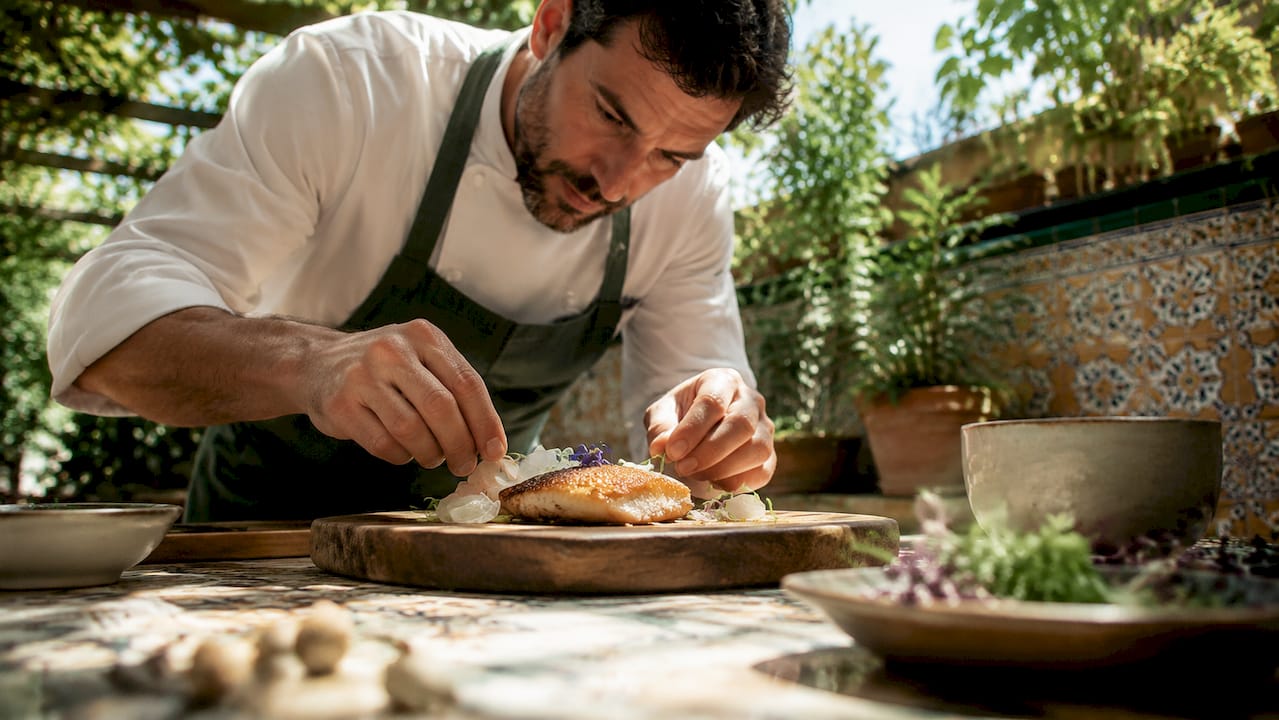
Salt cod, known in Catalan as bacallà, is the backbone of Barcelona’s fish identity. Bacallà a la llauna is its most iconic preparation. The dish dates to the 19th century and involves desalting dried salt cod over 24 to 48 hours, dredging it in flour, frying it briefly, then baking it in a low-sided metal pan with garlic-infused paprika oil. The result is served immediately with fresh parsley and a garlicky sauce that cuts through the richness of the cod.
What makes this preparation genuinely unique is the texture contrast. The exterior develops a light crust during frying, while the interior stays flaky and moist from the baking stage. The paprika oil stains the fish a deep red-orange and adds a smoky sweetness that no fresh fish preparation replicates. This is a dish built entirely around transformation: raw salt, time, heat, and fat working together to produce something greater than the sum of its parts.
You can find bacallà a la llauna at traditional Catalan restaurants throughout the city, particularly in the Barceloneta neighborhood and near Mercado del Ninot in the Eixample district. Order it as a main course, not a tapa. The portion size and preparation deserve a full plate.
3. Suquet de Peix: the Catalan fish stew built on precise timing
Suquet de Peix is a classic Catalan fish stew that looks simple on the plate but requires disciplined technique to execute correctly. The preparation follows a strict sequence: a slow sofrito of onion and garlic cooked for 15 to 20 minutes, potatoes simmered in fish stock for another 15 to 20 minutes, fish added and covered for 8 to 10 minutes, and finally picada stirred in during the last 3 to 4 minutes to thicken and unify the broth.
That final step, the picada of almonds, garlic, and saffron, is what separates authentic suquet from generic fish soup. The paste dissolves into the broth and creates a texture that is neither thin nor heavy. It also carries a nuttiness and floral quality from the saffron that makes the dish taste layered rather than flat. Adding the fish too early breaks it apart. Adding the picada too early kills its aromatic impact. The timing is everything.
Pro Tip: Ask your server which fish the kitchen is using that day. Suquet made with monkfish or grouper holds together better than versions made with more delicate white fish. A mixed version with both shellfish and firm-fleshed fish produces the richest broth.
For a deeper look at how Catalan stews are constructed and what makes them distinct from other Mediterranean fish soups, the preparation philosophy is worth understanding before you order.
4. Zarzuela de mariscos vs. suquet: understanding the difference
These two Catalan seafood stews appear on menus across Barcelona, and travelers frequently confuse them. They are built on different flavor logic and suit different occasions.
Suquet is rustic and restrained. It uses a small number of ingredients, relies on the fish’s natural flavor, and produces a broth that is clear and aromatic. Zarzuela de mariscos is festive and bold, built on a tomato and spirits base with diverse seafood including mussels, clams, and prawns, plus cured pork and smoked paprika for depth. The result is a darker, richer stew with more aggressive seasoning.
| Dish | Base | Seafood | Occasion | Flavor profile |
|---|---|---|---|---|
| Suquet de Peix | Fish stock, sofrito | Firm white fish, shellfish | Everyday, family | Light, aromatic, nutty |
| Zarzuela de mariscos | Tomato, spirits | Mixed shellfish, cured pork | Festive, celebratory | Bold, smoky, rich |
Order suquet when you want to taste the fish itself. Order zarzuela when you want the full theatrical experience of Catalan seafood cooking at its most generous.
5. Rossejat de fideos: the pasta dish that thinks it’s a fish preparation
Rossejat de fideos is one of Barcelona’s most misunderstood dishes. It looks like a pasta dish, but it is fundamentally a fish preparation. Thin fideos noodles are toasted dry in olive oil until golden brown, then cooked in a concentrated fish stock until they absorb every drop of liquid. The noodles are served with alioli and often topped with prawns or cuttlefish.
The toasting step is what makes this unique. Dry-toasting pasta in oil before adding liquid creates a nutty, slightly bitter base note that no boiled noodle can replicate. The fish stock then penetrates every strand, so the noodles carry the flavor of the sea rather than just sitting in it. Rossejat is a staple of the Barceloneta waterfront and represents one of the clearest examples of how Catalan cooks use technique to extract maximum flavor from simple ingredients.
6. Chef-led omakase: the Japanese approach to Barcelona’s daily catch
Omakase, the Japanese practice of leaving the meal entirely to the chef’s judgment, arrived in Barcelona with Jara Sushi Omakase in August 2024. The format is built around trust: you sit at a ten-seat counter and receive a sequence of dishes determined by what the chef sourced that morning. There is no fixed menu. The experience changes every day.
The omakase counter at Jara costs €95 per guest, drinks excluded. À la carte options include sashimi (€9 to €34), nigiri (€6.50 to €15.90), and uramaki (€16 to €32). The counter format promotes direct conversation with the chef, which means you learn exactly what you are eating and why each fish was selected that day.
Key features of the Jara Sushi Omakase experience:
- Daily fish selection drives the entire menu, so no two visits are identical
- The intimate counter setup means the chef explains each course directly to guests
- Specialty items like Wagyu A5 rolls and artisan mochi desserts appear when available
- The variability and exclusivity of the format make it a genuinely different experience from any Catalan seafood restaurant
Pro Tip: Reserve the omakase counter at least one week ahead. Arrive without strong dietary restrictions if possible. The chef’s selections depend on what arrived fresh that morning, and the best sequences often include species you have never tried before.
For travelers who want to compare this format with other seafood tasting menus in Barcelona, the omakase approach sits at one end of a spectrum that includes Catalan tasting menus and preservation-focused dinners.
7. Where to find the best unique fish preparations in Barcelona
Barcelona’s seafood dining is geographically spread, and knowing which neighborhood to target saves time.
- Fishology is located in la Nova Esquerra de l’Eixample. It is a small venue with limited seating, so the neighborhood feels incidental to the experience. The restaurant is accessible via the Urgell metro stop on Line 1.
- Jara Sushi Omakase operates in Sarrià-Sant Gervasi, a quieter residential district that attracts a local clientele rather than tourists. This gives the dining experience a more relaxed, unhurried quality.
- Barceloneta remains the best neighborhood for traditional preparations like suquet, rossejat, and bacallà a la llauna. The waterfront restaurants here have been serving these dishes for generations, and the quality gap between good and mediocre venues is significant. Ask locals rather than relying on tourist-facing review platforms.
- Mercado del Ninot in the Eixample district is a covered market where several stalls and attached restaurants serve traditional Catalan fish preparations at lunch. It is one of the best places to eat suquet without paying fine dining prices.
Pro Tip: Visit Barceloneta on a Tuesday or Wednesday lunch service rather than weekends. The tourist volume drops significantly, the kitchens are less rushed, and you are more likely to get the daily catch rather than a pre-prepared version.
Understanding what separates a fine seafood restaurant from a tourist-facing one in Barcelona comes down to sourcing transparency, daily menus, and whether the kitchen changes its offerings based on what arrived at the market that morning.
Key takeaways
Barcelona’s most distinctive fish preparations share one quality: they use technique, not just ingredients, to transform seafood into something that cannot be replicated elsewhere.
| Point | Details |
|---|---|
| Preservation beats fresh for depth | Fishology’s salting, curing, and smoking produce flavor profiles that fresh fillet cooking cannot match. |
| Suquet timing is non-negotiable | The four-stage cooking sequence, including late picada addition, defines authentic Catalan fish stew. |
| Omakase adds daily variability | Jara Sushi Omakase’s €95 counter experience changes every day based on the morning’s catch. |
| Neighborhood matters | Barceloneta for tradition, Eixample for preservation cuisine, Sarrià for omakase. |
| Bacallà a la llauna is a technique dish | The fry-then-bake method and paprika oil are what make this 19th-century preparation irreplaceable. |
What Barcelona’s fish scene taught me about patience
Most food travelers arrive in Barcelona expecting the freshest possible fish cooked as simply as possible. That instinct is not wrong, but it misses the deeper story. The preparations that stayed with me longest were the ones that required the most time before they reached the plate.
Fishology’s cured and smoked dishes carry a complexity that took days or weeks to develop. Suquet’s broth tastes like it absorbed the entire history of Catalan coastal cooking. Even bacallà a la llauna, which looks simple, is the result of 48 hours of desalting before the pan ever gets hot. Barcelona’s fish cuisine rewards patience from the cook and curiosity from the diner.
The omakase experience at Jara Sushi Omakase surprised me for a different reason. Sitting at a ten-seat counter and surrendering menu control to a chef who sourced fish that morning is a fundamentally different relationship with food. You stop evaluating and start experiencing. That shift in posture is worth seeking out at least once during any serious food trip to Barcelona.
My honest advice: do not try to cover all three styles in a single visit. Pick one category per day. Eat preservation cuisine at Fishology one evening. Eat suquet at a Barceloneta institution the next afternoon. Let each preparation settle before moving to the next. Barcelona’s fish scene is not a checklist. It is a curriculum.
— YellowRock
Experience authentic Catalan seafood at Els Pescadors
Els Pescadors brings the same commitment to technique and sourcing that defines Barcelona’s best fish preparations to a single table in the historic Poblenou district. The kitchen at Plaça de Prim works with seasonal, locally sourced ingredients to produce traditional Catalan maritime cuisine, including fresh daily catch, seafood specialties, and structured tasting menus that reflect the city’s culinary depth.
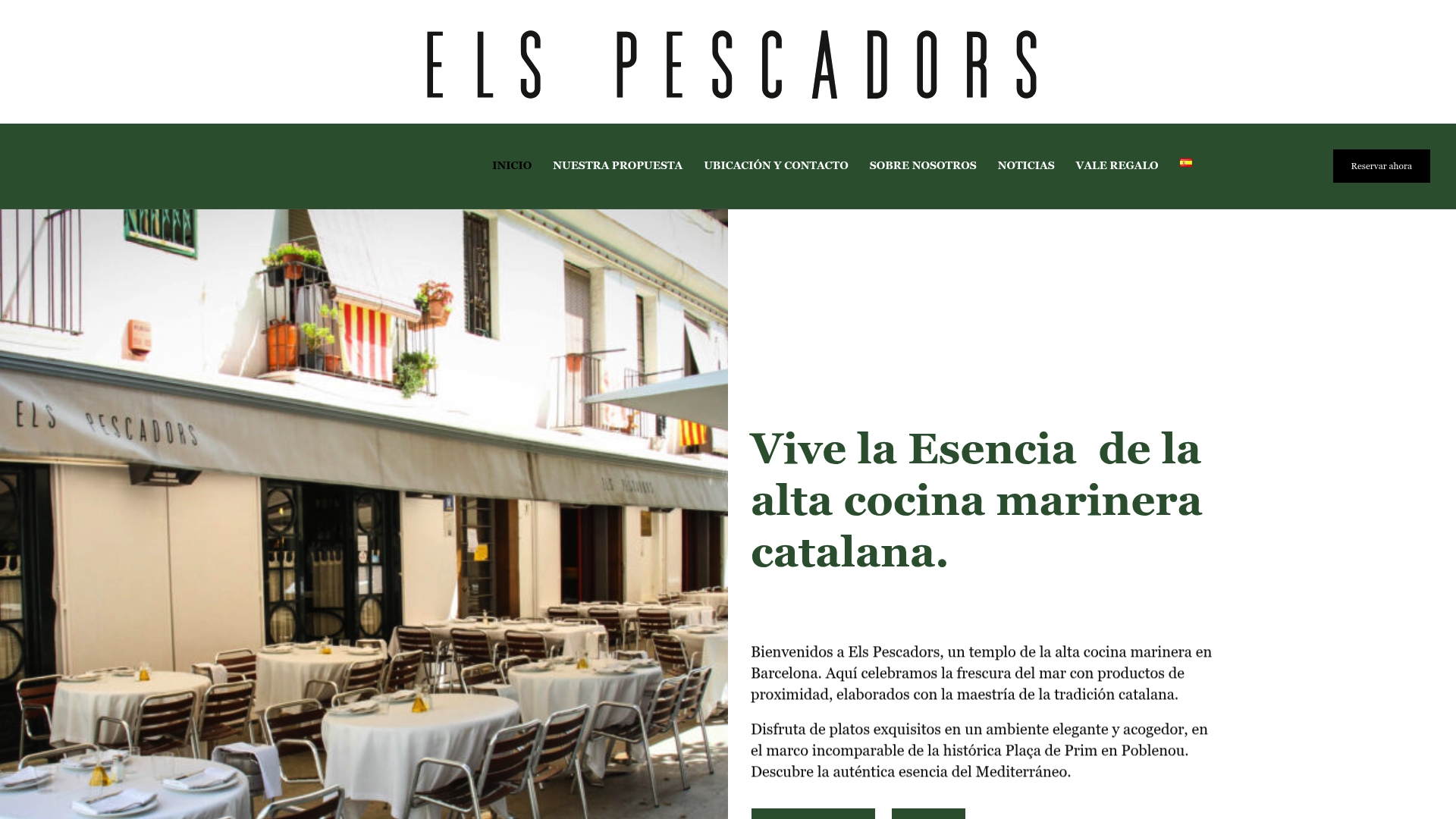
If you want to experience authentic Catalan seafood prepared with the same respect for tradition and quality that this article describes, Els Pescadors is the right starting point. The restaurant’s proposal covers everything from individual dishes to full tasting menus, and the reservation process is straightforward. Use the reservation guide to secure your table before your visit to Barcelona.
FAQ
What makes Barcelona’s fish preparations unique?
Barcelona’s seafood cooking combines three distinct traditions: ancestral preservation techniques like salting and curing, slow-cooked Catalan stews built on precise timing, and chef-led omakase sequences based on daily catch. No other Mediterranean city applies all three approaches at this level of quality.
What is the difference between suquet and zarzuela?
Suquet de Peix is a lighter, aromatic fish stew thickened with picada and suited to everyday dining, while zarzuela de mariscos is a festive, tomato-based stew with mixed shellfish, cured pork, and smoked paprika that produces a bolder, richer flavor.
How much does omakase cost in Barcelona?
The omakase counter at Jara Sushi Omakase is priced at €95 per guest, drinks excluded. À la carte options at the same venue range from €6.50 for nigiri to €34 for premium sashimi selections.
Where is the best place to eat traditional bacallà a la llauna?
The Barceloneta neighborhood and restaurants near Mercado del Ninot in the Eixample district are the most reliable areas for authentic bacallà a la llauna. Look for restaurants that desalt their own cod rather than using pre-soaked fillets.
Is Fishology worth the price?
Fishology’s Benthos menu at €115 and Abyssal menu at €140 represent the highest price point in Barcelona’s fish dining scene, but the zero-waste preservation approach and Michelin star recognition place it in a category with no direct local competition. For serious food travelers, it is the most distinctive meal Barcelona offers.