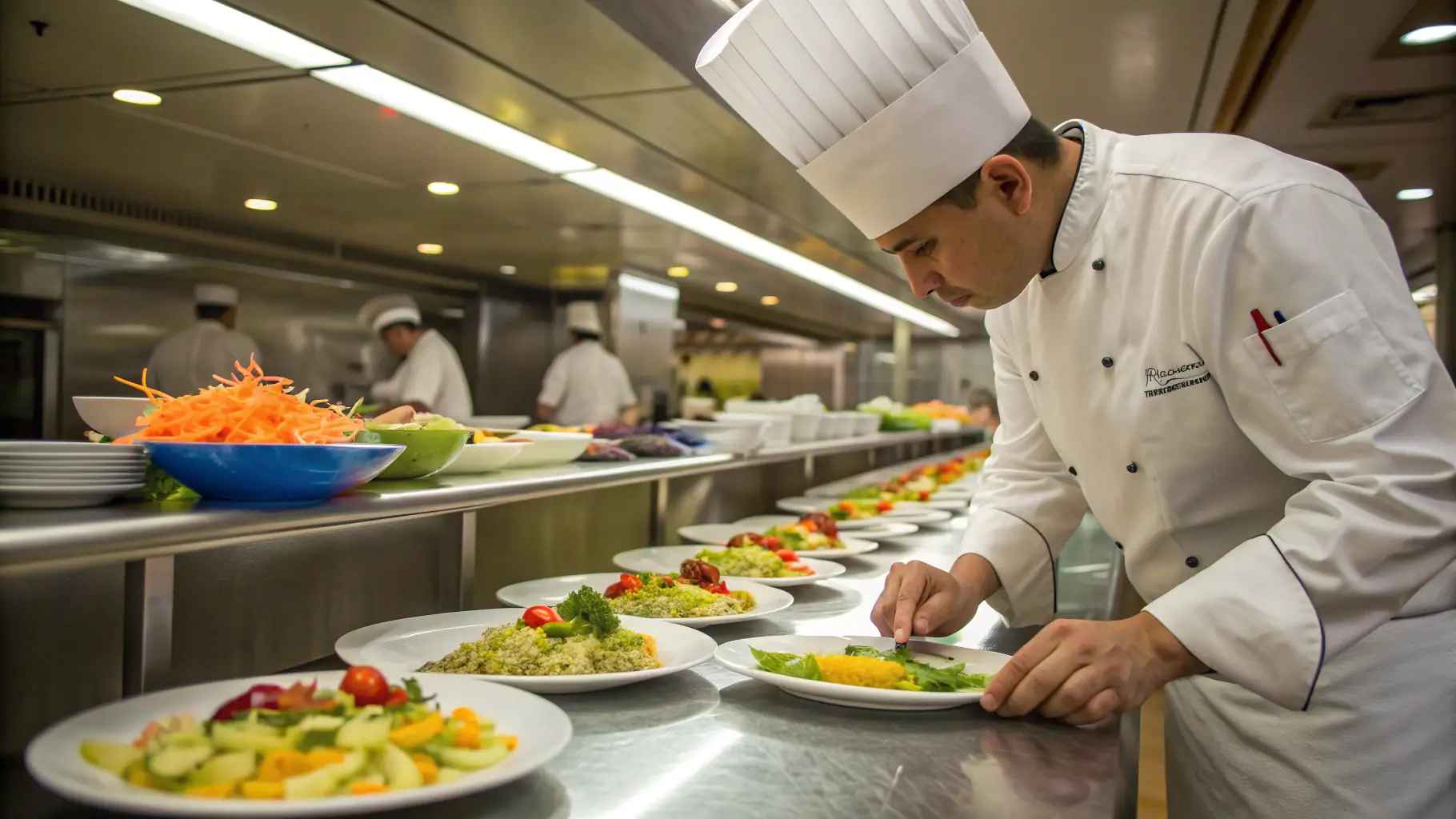
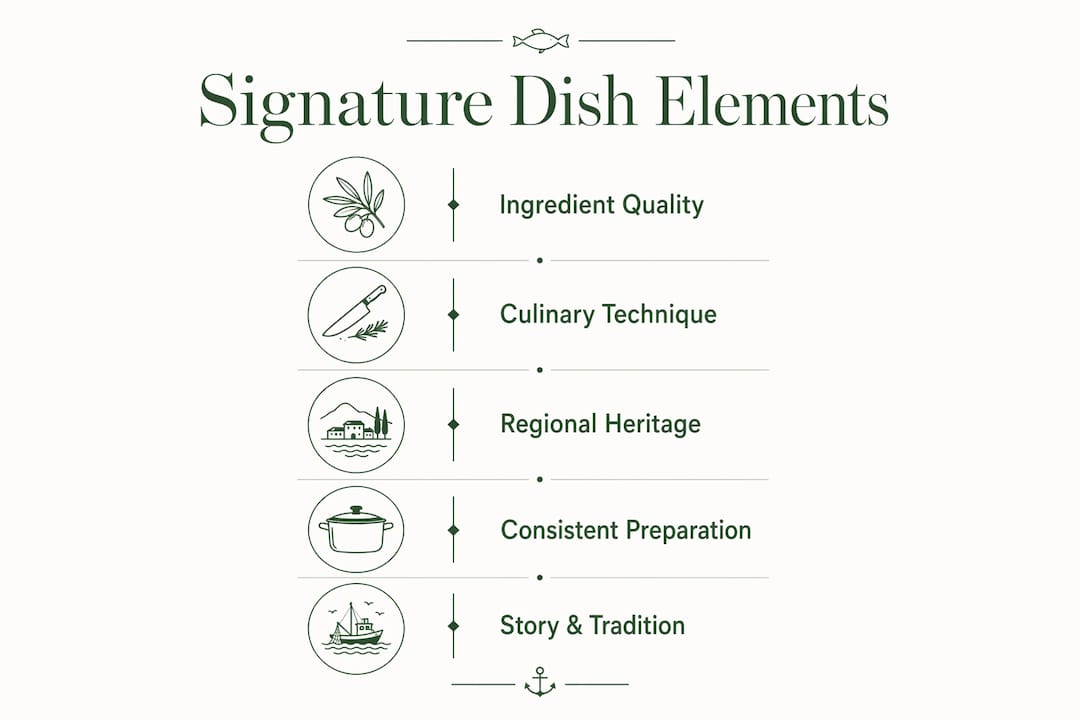
A signature dish at a seafood restaurant is defined as the hallmark culinary creation that represents the restaurant’s identity, history, and culinary philosophy in a single plate. Understanding what is signature dish seafood restaurant means recognizing that these dishes go far beyond popularity. They carry the weight of tradition, technique, and sourcing decisions made over years, sometimes decades. Scoma’s in San Francisco, for example, has served its Lazy Man’s Cioppino for over 60 years. That kind of longevity is not an accident. It reflects a deliberate commitment to a dish that captures everything the restaurant stands for.
What types of seafood dishes commonly become signature dishes?
Certain categories of seafood preparations rise to signature status more reliably than others. Seafood stews, shellfish specialties, and whole fish dishes form the backbone of most signature menus. Each category offers a distinct way to showcase a kitchen’s skill and a region’s ingredients.
The most recognized examples include:
- Seafood stews: Cioppino (San Francisco’s tomato-based fisherman’s stew) and bouillabaisse (the Provençal saffron broth) both built their reputations on using the freshest local catch available that day.
- Shellfish preparations: Lobster thermidor and oysters Rockefeller became signatures because they demand precise technique. A kitchen that executes them consistently signals mastery.
- Whole fish dishes: Salt-baked branzino and roasted sea bass require confidence. There is nowhere to hide when you serve a whole fish.
- Rice and broth dishes: In Catalan cuisine, rice dishes cooked with shellfish and fish stock represent a category unto themselves, combining patience, timing, and quality ingredients.
What separates a signature dish from a popular item is the story behind it. Signature dishes reflect kitchen mastery and a restaurant’s history, not just what sells well on a given night. Providence’s salt-roasted spot prawns, refined over 20 years of seasonal adjustments, illustrate how a dish earns its place through continuous improvement rather than a single inspired moment.
Pro Tip: When you see a dish that has been on the menu for more than five years, ask your server about its history. The answer tells you more about the restaurant’s values than any marketing copy.
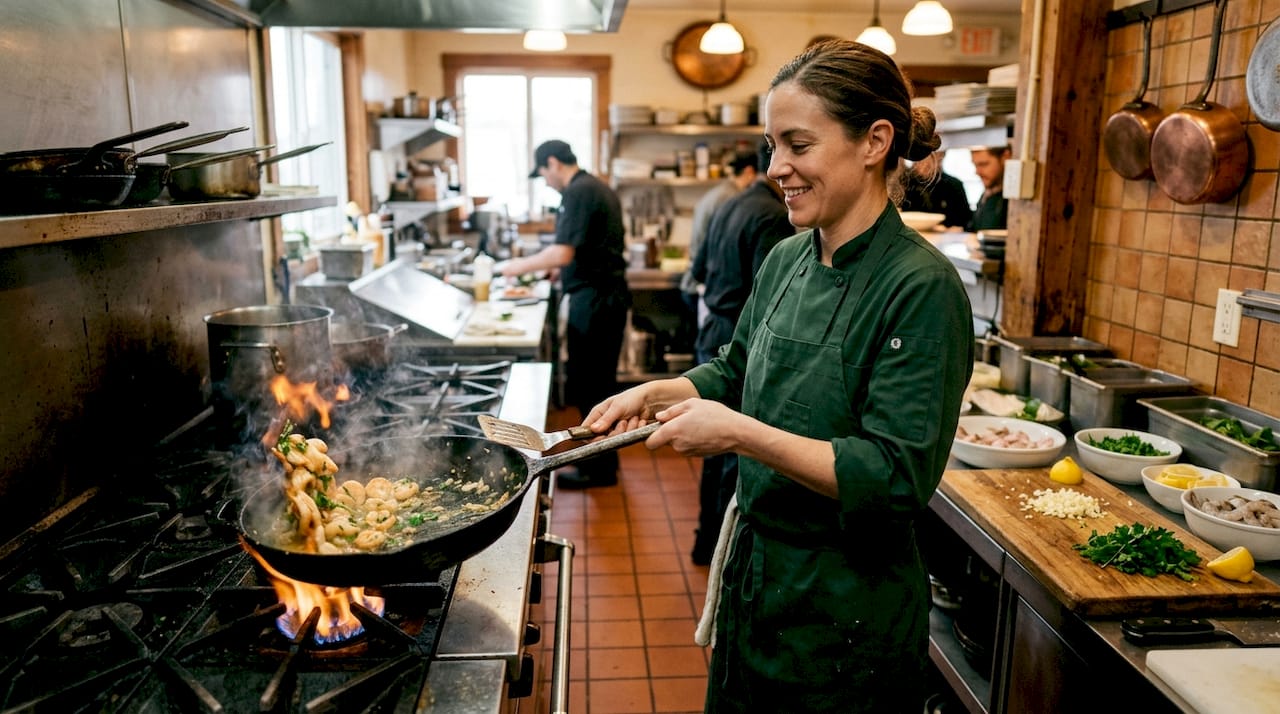
Preparation style also matters. Shrimp scampi became a classic because it highlights the natural sweetness of shrimp with minimal interference. Butter, garlic, white wine, and lemon. The restraint is the point. Dishes that trust the ingredient tend to outlast dishes that bury it.
You can find a broader look at global seafood classics to understand how different cultures have developed their own versions of these enduring preparations.
How do freshness and sourcing shape signature seafood dishes?
Freshness is not a marketing term in serious seafood restaurants. It is the foundation that makes a signature dish repeatable and trustworthy. Premium seafood restaurants source fresh catch within 24–48 hours of landing, using boat-to-table supply chains that eliminate the delays common in conventional distribution. That speed directly affects flavor, texture, and presentation.
Here is why sourcing decisions define signature status:
- Flavor integrity: Fish that arrives within 24 hours of being caught has a clean, oceanic sweetness that older product cannot replicate. A signature dish built on that freshness fails the moment the sourcing slips.
- Seasonal adaptation: The best kitchens change their signature preparations slightly based on what the season offers. A dish built around wild-caught red mullet in spring looks different in october, when the catch shifts. Seasonality drives menu evolution at every serious seafood restaurant.
- Local identity: Wild-caught, regionally sourced seafood ties a dish to a specific place. That connection is what makes a signature dish feel irreplaceable. You cannot get the same thing anywhere else.
- Consistency under pressure: Restaurants that commit to local sourcing must build flexibility into their recipes. The chef who can adapt a signature dish to what arrived that morning, while keeping the dish recognizable, demonstrates real skill.
Signature dishes honor ingredient purity and regional heritage, elevating a meal from simple dining to a cultural experience. Rick Stein’s approach to his seafood restaurant’s signature menu reflects this directly. The dishes are designed to connect diners to the coast, not just to a plate of food.
The role of fresh ingredients in seafood flavor cannot be separated from what makes a dish worth returning for. Freshness is the variable that keeps a 20-year-old recipe feeling alive.
What culinary techniques define signature seafood dishes?
The techniques behind signature seafood dishes share one common principle: respect for the ingredient. Enduring dishes connect diners to the region and the chef’s philosophy through simplicity, not complexity. The goal is to amplify what the seafood already offers, not to transform it into something unrecognizable.
| Approach | What it signals |
|---|---|
| Simple preparations (grilled, steamed, salt-baked) | Confidence in ingredient quality; nothing to hide |
| Traditional regional methods (rice dishes, stews) | Connection to culinary heritage and local sourcing |
| Modern plating in multi-course tasting menus | Technical refinement and attention to the full dining arc |
| Live display and market-style selection | Transparency and hospitality as part of the experience |
Multi-course tasting menus deserve special mention. Signature dishes frequently anchor tasting menus because they give the kitchen control over the narrative. A well-designed tasting menu builds toward its signature preparation the way a good story builds toward its central scene.
The artisanal approach to seafood preparation techniques prioritizes seasonal adaptation and natural purity over elaborate saucing or heavy manipulation. Salt, heat, and timing are the real tools. A kitchen that masters those three elements can make a simple grilled fish more memorable than a dish with twelve components.
Pro Tip: If a restaurant offers a tasting menu, order it at least once before ordering à la carte. The tasting menu reveals the kitchen’s priorities and shows you which dishes the chef considers worth showcasing.
Pricing is also part of the technique conversation. Some signature items, particularly whole crabs and lobsters, are priced by weight at market rates. Always ask your server for the current price before ordering. This is standard practice at serious seafood restaurants, not an awkward request.
How can diners best experience signature seafood dishes?
Getting the most from a signature seafood dining experience requires a few deliberate choices before and during the meal. Expert staff guidance through live displays and personalized advice is one of the clearest signs of a restaurant that takes hospitality seriously. Use that resource.
Practical steps for diners:
- Ask about the day’s catch. Menus at quality seafood restaurants change based on what arrived that morning. The server knows what is freshest.
- Read sourcing descriptions carefully. Phrases like “wild-caught,” “day-boat,” and “local waters” are meaningful signals, not decoration.
- Ask the price on weight-based items. Pricing transparency for weight-based seafood protects you from bill surprises and is a completely normal question to ask.
- Order the chef’s seasonal special. This is often where the kitchen is most excited and most focused. It may not be on the printed menu.
- Pay attention to the environment. Multi-sensory dining environments combining fresh seafood with thoughtful ambiance and presentation create the full signature experience. The setting is part of the dish.
Authentic hospitality and staff knowledge enrich a diner’s appreciation of freshness and preparation in ways that no menu description can fully replace. A knowledgeable server who explains why a particular fish is on the menu that week adds context that changes how you taste it.
Understanding the premium dining experience at a seafood restaurant means recognizing that the dish on the plate is the result of sourcing decisions, kitchen technique, and hospitality working together.
Key Takeaways
A signature dish at a seafood restaurant is defined by the combination of ingredient quality, culinary technique, and historical continuity that no single trend or season can replace.
| Point | Details |
|---|---|
| Definition of signature dish | A hallmark creation representing the restaurant’s identity, often maintained and refined over decades. |
| Common dish categories | Seafood stews, shellfish preparations, whole fish, and regional rice dishes most often achieve signature status. |
| Freshness as foundation | Boat-to-table sourcing within 24–48 hours directly determines the flavor and repeatability of any signature preparation. |
| Technique and simplicity | The best signature dishes use restraint, trusting the ingredient rather than masking it with complex saucing. |
| Diner strategy | Ask about daily catch, request prices on weight-based items, and use staff guidance to find the kitchen’s best work. |
Why signature dishes matter more than menus
Menus change. Signature dishes survive. After years of eating at seafood restaurants across the Mediterranean and beyond, the clearest pattern I have noticed is this: the restaurants worth returning to are always defined by one or two dishes that feel non-negotiable. Not because they are the most elaborate preparations, but because they are the most honest ones.
A signature dish is a restaurant’s argument for its own existence. It says: this is what we do better than anyone else, and we have been doing it long enough to prove it. That kind of confidence is rare. When you find it in a bowl of rice cooked with shellfish stock, or in a whole fish that arrives at the table with nothing but olive oil and sea salt, you understand why some dishes outlast the chefs who created them.
The mistake most diners make is treating a signature dish as just another menu option. It is not. It is the reason the kitchen exists. Order it first, judge the restaurant by it, and let everything else be a bonus.
— YellowRock
Signature seafood dining at Elspescadors in Barcelona
Elspescadors brings this culinary philosophy to life in the historic Poblenou district of Barcelona, where Catalan maritime tradition shapes every dish on the menu. The kitchen works with seasonal, locally sourced seafood to build a menu that reflects what the Mediterranean offers at its best.
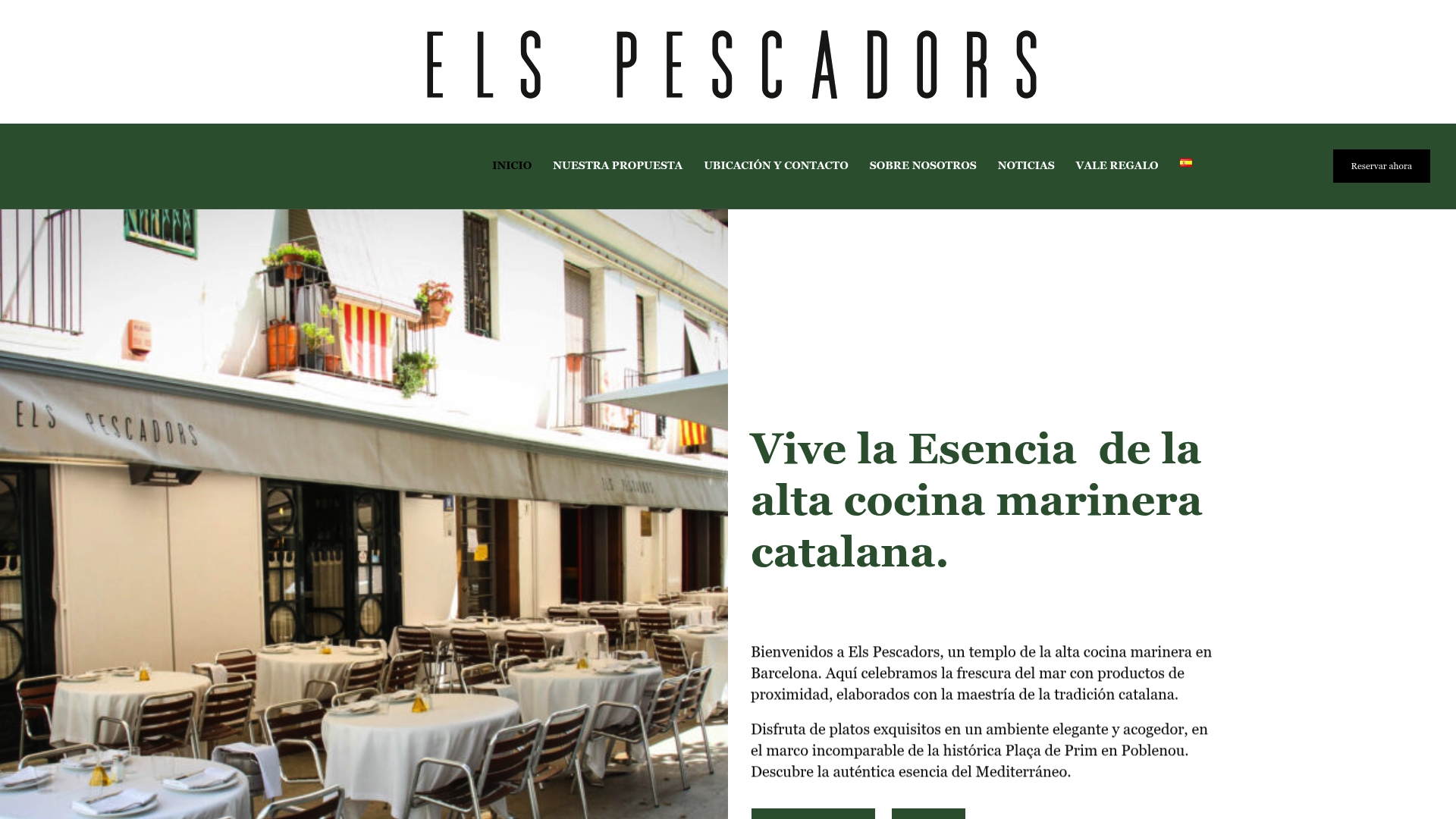
For groups looking to share a memorable seafood feast, Elspescadors offers curated group seafood dining experiences built around signature preparations and seasonal tasting menus. Whether you are planning a private celebration or a corporate dinner in Barcelona, the restaurant’s approach to Catalan seafood cuisine delivers the kind of meal that defines the occasion. Reserve your table and let the kitchen show you what a true signature dish looks like.
FAQ
What makes a dish a signature dish at a seafood restaurant?
A signature dish is a hallmark creation that defines a restaurant’s culinary identity, often maintained and refined over many years. It reflects the kitchen’s sourcing philosophy, regional heritage, and technical mastery in a single preparation.
What are the most common types of signature seafood dishes?
Seafood stews like cioppino and bouillabaisse, shellfish preparations like lobster thermidor and oysters Rockefeller, and whole fish dishes like salt-baked branzino are the most recognized signature seafood categories.
How does freshness affect a signature seafood dish?
Freshness is the foundation of any repeatable signature dish. Restaurants that source seafood within 24–48 hours of landing deliver the clean flavor and firm texture that make a dish worth ordering again.
Should I ask about prices before ordering seafood by weight?
Yes. Dishes priced by weight, such as whole crabs or lobsters, are sold at market rates that change daily. Asking your server for the current price before ordering is standard practice and avoids unexpected costs.
How do I find the best signature dish at a seafood restaurant?
Ask your server what has been on the menu the longest and what arrived freshest that day. The intersection of those two answers is almost always the dish the kitchen does best.