What is KM0 cuisine in Barcelona?
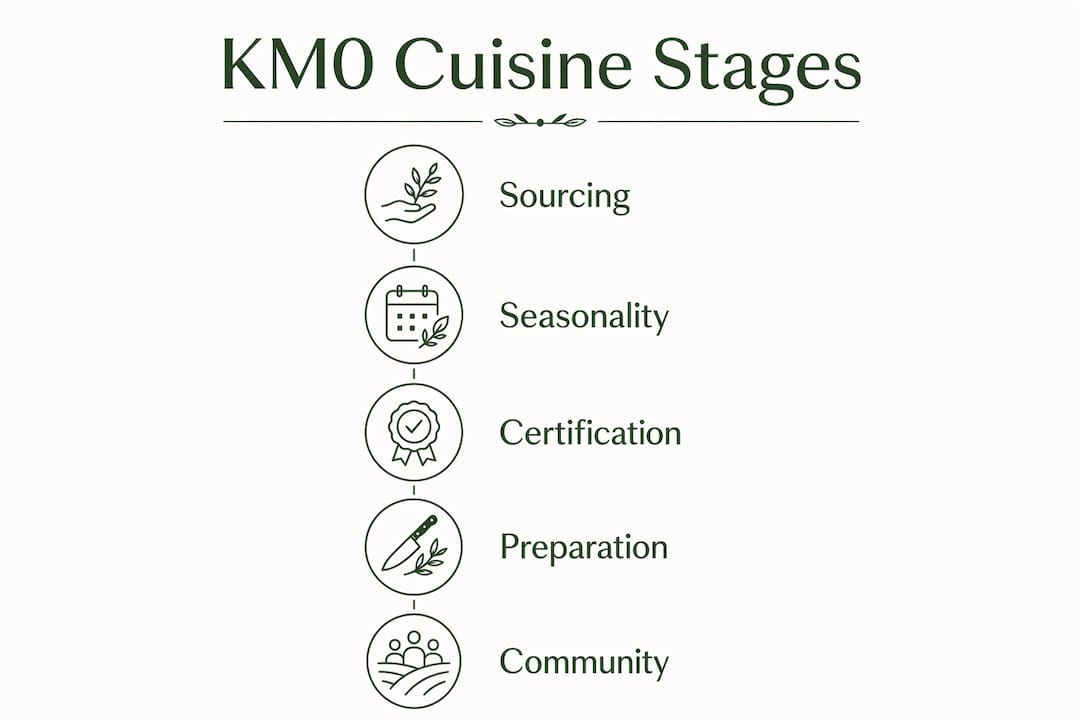
KM0 cuisine is a certified sourcing standard, not a cooking style. A restaurant earns the designation by sourcing at least 40% of menu ingredients from nearby producers within a 100-kilometer radius, rotating the menu seasonally, and naming its producers on the card. The concept grew out of the Italian Slow Food movement in the early 2000s as a direct response to industrial agriculture and long-distance supply chains. In Catalonia, Slow Food Catalunya administers the certification and holds restaurants to a strict set of rules that go well beyond mere geography.
The core requirements for a certified KM0 restaurant in Catalonia include:
- Local sourcing threshold: At least 40% of menu ingredients must come from within 100 km.
- GMO exclusion: No genetically modified organisms, and no animals raised on GMO feed.
- Sustainable seafood only: No endangered fish species, no fish caught with prohibited methods, and no product from conventional fish farms.
- Traceability: Chefs must maintain documentation proving the origin of every qualifying ingredient.
- Seasonal menus: The menu must change to reflect what is actually available locally at any given time.
- Slow Food protected products: Dishes that incorporate ingredients from Slow Food’s Ark of Taste or Presidia programs earn the highest prestige tier.
Key figure: As of 2022, the Slow Food KM0 network in Catalonia counted 46 certified restaurants and 20 school canteens.
Dishes that meet all criteria are marked on the menu with the “km 0” symbol. Those that also include Slow Food protected products carry the “Cargol” snail symbol, the movement’s highest mark of distinction.
The philosophy behind KM0 and Slow Food in Barcelona
KM0 is the practical arm of a larger idea. The Slow Food Manifesto for Quality frames the entire movement around three interconnected principles: food must be good, clean, and fair.
That framing matters because it redefines who is responsible for the food system. The chef is not just a cook; the producer is not just a supplier. Both are participants in a shared act with environmental and social consequences.
The three pillars break down this way. “Good” means flavor and aroma that reflect the skill of the producer and the quality of raw materials, with no industrial alteration. “Clean” means every stage of the supply chain, from farming through consumption, protects ecosystems and biodiversity. “Fair” means labor conditions that respect workers, balanced economies, and respect for cultural traditions.
In Barcelona, this philosophy has taken root in a city already proud of its culinary identity. The Slow Food philosophy also connects to the global Terra Madre network, which links chefs, producers, and food communities across more than 150 countries. Catalonia’s KM0 community participates in that network, giving local chefs access to shared knowledge and international standards while staying grounded in regional ingredients.
How local sourcing and seasonality actually work in KM0 kitchens
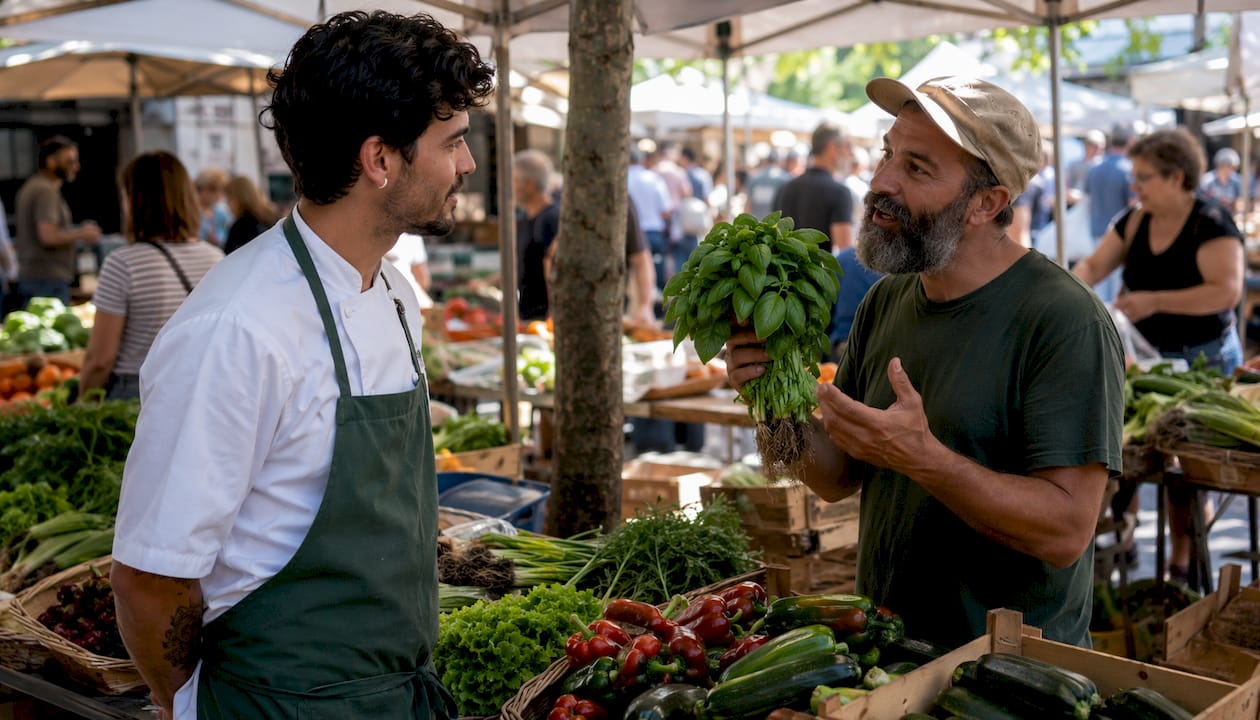
The 100-kilometer rule sounds simple. In practice, it requires a chef to build relationships with a specific set of farmers, fishers, and artisan producers, then rebuild the menu around what those producers can actually deliver each season.
KM0 kitchens in Barcelona typically source across these categories:
| Ingredient category | Sourcing standard |
|---|---|
| Dairy and cheese | Non-GMO animals, pasture-raised, raw milk preferred |
| Bread and grains | Organic flour, heritage grain varieties, natural leavening |
| Seafood | Sustainable catch methods, local waters, no endangered species |
| Meat and charcuterie | Certified organic, own-herd farming, no additives |
| Fruit and vegetables | Direct purchase from local farms, seasonal rotation |
| Oils, salts, sweeteners | Unrefined salt, organic sugar, fair-trade coffee and chocolate |
Seasonal availability drives the menu, not the other way around. A chef cannot simply decide to serve a dish year-round if the key ingredient is only available for eight weeks. That constraint is the point. It forces genuine creativity and keeps the menu honest about what the land and sea are actually producing.
Best practices for local sourcing in a KM0 kitchen include:
- Buying directly from producers rather than through distributors, to maintain traceability and support fair pricing.
- Keeping detailed records on every qualifying ingredient, including farm name, location, and production method.
- Excluding any fish caught with non-sustainable methods, even if the species itself is not endangered.
- Updating the menu at least seasonally, with genuine changes tied to ingredient availability.
Pro Tip: When evaluating whether a restaurant is genuinely KM0 or just using the term as marketing, ask to see the producer list. Certified restaurants are required to name their suppliers on the menu. If the menu lists only dish names with no origin information, the KM0 claim is likely decorative.
The benefits of seasonal produce extend beyond ethics. Ingredients that travel shorter distances arrive at peak ripeness, which means better texture, deeper flavor, and less need for preservation or artificial enhancement.
KM0 initiatives shaping Barcelona and Catalonia today
The KM0 movement in Catalonia has grown into a structured community with annual certification events, shared standards, and active outreach. The Red Km0 Project and the Terra Madre network connect chefs directly with local producers, creating a supply chain that is both personal and accountable.
Key initiatives currently active in the region:
- Red Km0 Project: Coordinates prominent chefs with local producers for sustainable gastronomy across Catalonia, with Slow Food outreach built into the network structure.
- Terra Madre network: Connects Catalan KM0 participants to the global Slow Food community, enabling knowledge exchange and shared standards.
- School canteen program: Numerous school canteens in Catalonia hold KM0 certification, bringing local, seasonal food into children’s daily meals.
- Ark of Taste and Presidia programs: KM0 restaurants that source heritage breeds or endangered agricultural products earn the Cargol symbol, the movement’s highest recognition for biodiversity commitment.
- Cargol + Net certification: An advanced tier that adds energy efficiency, waste reduction, and water management to the standard KM0 sourcing criteria, reflecting a shift toward comprehensive eco-friendly standards across the whole operation.
The economic impact runs alongside the environmental one. When a restaurant buys directly from a local farmer or fisher, the money stays in the regional economy rather than flowing to a distant distributor. The local sourcing model also gives small producers a stable, relationship-based market that industrial supply chains rarely offer them.
How Elspescadors embodies KM0 principles in Catalan maritime cuisine
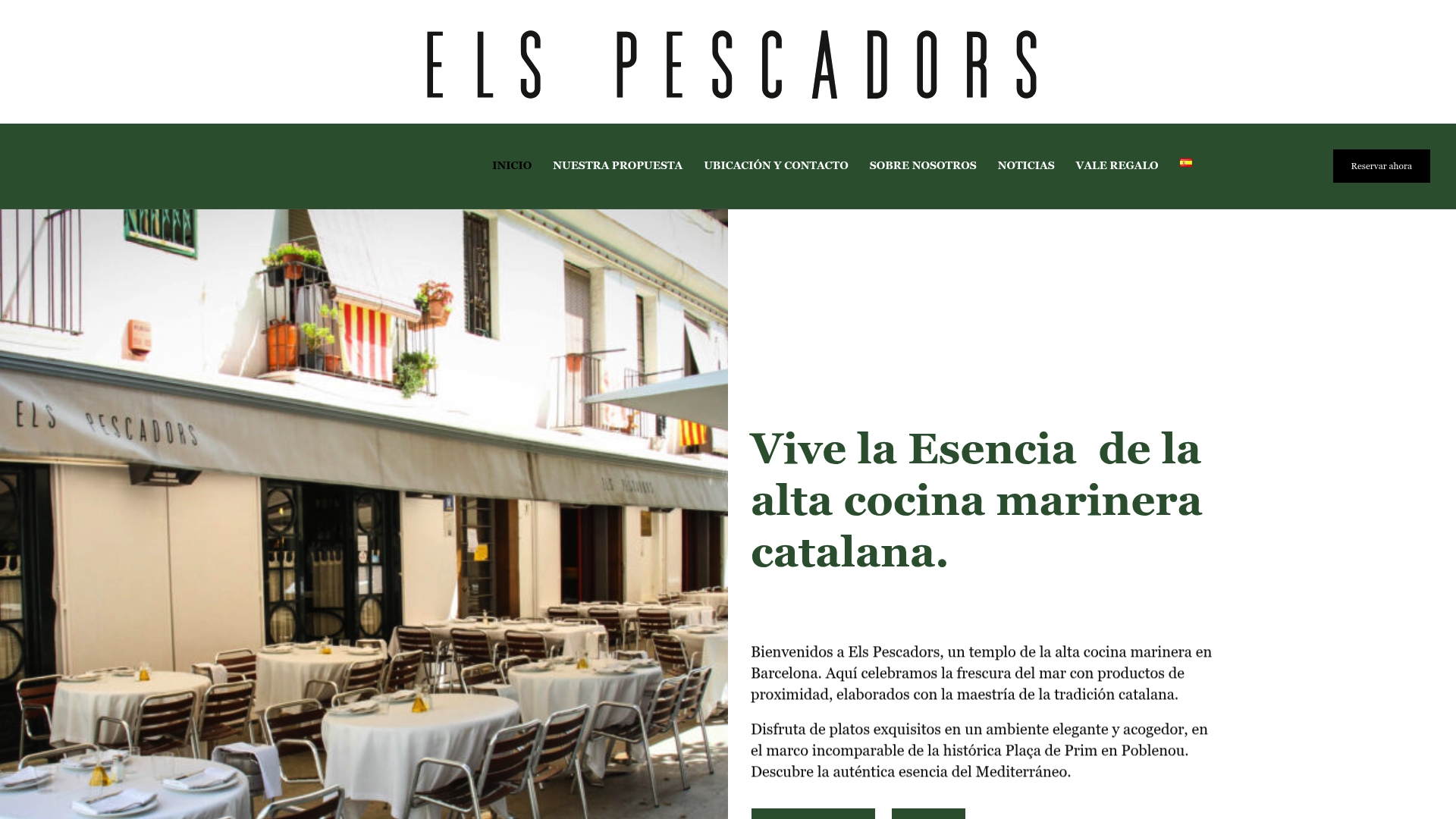
Elspescadors sits in Plaça de Prim in Barcelona’s Poblenou district, a neighborhood with deep roots in the city’s working maritime history. The restaurant’s menu is built around fresh, seasonal seafood and traditional Catalan maritime recipes, with sourcing decisions that align directly with KM0 values.
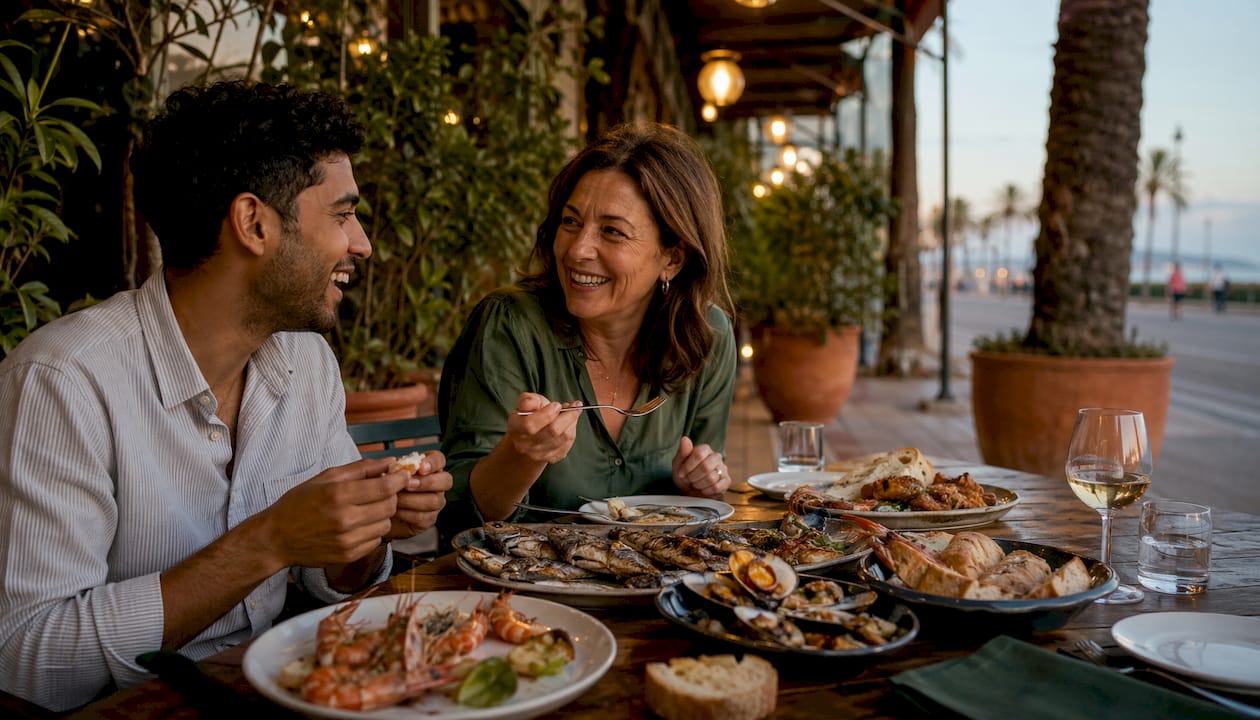
The restaurant’s commitment to sustainable seafood means sourcing fish caught with responsible methods, avoiding species under pressure, and working with suppliers who can document their practices. That traceability requirement mirrors the KM0 certification standard exactly. Seasonal rice dishes, a cornerstone of Catalan coastal cooking, change with what the Mediterranean is producing, not with what a central purchasing system has in stock.
Elspescadors also reflects the KM0 philosophy in how it treats local ingredients as the foundation of flavor rather than a marketing point. The kitchen does not import ingredients that can be sourced nearby. That discipline shows up on the plate in ways that are immediately noticeable: the texture of fish that arrived hours rather than days after being caught, the depth of a rice dish built on a stock made from the day’s trim.
On sustainable dining in Barcelona: Restaurants that genuinely practice local sourcing tend to have shorter, more focused menus. A menu with 40 dishes rarely reflects seasonal discipline. A menu with 12 does.
For visitors and locals looking to experience authentic Catalan gastronomy through the KM0 lens, Elspescadors offers a table where the sourcing philosophy and the cooking tradition reinforce each other rather than compete. Reservations can be made directly through the restaurant’s website, and the current menu reflects what the season is actually offering.
If you’re planning a group meal or a special occasion, Elspescadors’ group seafood dining experience brings the full KM0 and Catalan maritime tradition to a shared table.
Key Takeaways
KM0 cuisine in Barcelona requires at least 40% of menu ingredients to come from within 100 kilometers, with strict GMO exclusion, sustainable seafood rules, and mandatory seasonal menu rotation under Slow Food Catalunya certification.
| Point | Details |
|---|---|
| Core sourcing rule | At least 40% of menu ingredients must come from within a 100 km radius. |
| GMO and seafood standards | Certified restaurants exclude all GMOs and source only sustainable, traceable seafood. |
| Slow Food philosophy | KM0 is grounded in the Slow Food tripartite standard: food must be good, clean, and fair. |
| Network scale in Catalonia | The network includes a notable number of certified restaurants and school canteens. |
| Advanced certification | The Cargol + Net tier adds energy, waste, and water efficiency to the standard KM0 criteria. |
FAQ
What does KM0 mean in a Barcelona restaurant?
KM0 stands for “kilometer zero,” meaning ingredients travel the shortest possible distance from producer to kitchen. In Barcelona, certified KM0 restaurants source at least 40% of menu ingredients from within a 100-kilometer radius and name their producers on the menu.
What is Barcelona’s most celebrated local food tradition?
Catalan maritime cuisine is the city’s most distinctive culinary tradition, built around fresh seafood, rice dishes like arròs a la cassola, and ingredients sourced from the Mediterranean coast and surrounding farmland.
What is the signature dish of Barcelona?
Arròs negre (black rice cooked with cuttlefish ink) and fideuà (a noodle-based seafood dish similar to paella) are among the most recognized dishes of Barcelona’s coastal culinary tradition.
How does Slow Food certify KM0 restaurants in Catalonia?
Slow Food Catalunya issues annual certifications after auditing each restaurant’s sourcing records, GMO exclusion practices, and seasonal menu changes. Restaurants that also source Slow Food Ark of Taste or Presidia products earn the higher-prestige Cargol designation.
Is KM0 the same as farm to table?
They share the same core idea: shorter supply chains, fresher ingredients, and direct producer relationships. KM0 is the certified, Slow Food-governed version of that concept, with specific percentage thresholds, documentation requirements, and a formal annual audit process.