Poblenou is defined as Barcelona’s most forward-thinking culinary district, where industrial history and conscious gastronomy meet on the same plate. The question of why Poblenou became a Barcelona food hub has a clear answer: affordable post-industrial spaces, the creative fallout from elBulli’s closure, and a neighborhood-wide commitment to the KM0 movement all converged at the same moment. No other district in the city combined those three forces at once. The result is a food scene that feels genuinely earned rather than manufactured for tourists, and that distinction is exactly what draws serious food travelers here today.
Why Poblenou became Barcelona’s food hub: the full story
Poblenou’s transformation is one of urban renewal done right. The district was historically known as the “Manchester of Barcelona” because of its dense concentration of 19th-century textile factories. That industrial identity left behind a physical legacy of wide streets, high ceilings, and massive warehouse footprints. Those spaces would become the raw material for a culinary revolution decades later.
Urban regeneration accelerated sharply in the late 1990s and early 2000s. The 2004 Forum Universal de les Cultures acted as a direct catalyst, drawing investment and attention to the eastern waterfront and making Poblenou viable for creative businesses. Rents stayed low enough that young chefs could afford to experiment. That financial breathing room is something the Gothic Quarter or Eixample never offered.
The physical transformation followed a clear pattern. Factories became restaurants. Warehouses became wine bars. The neighborhood preserved its industrial shells while filling them with ateliers, galleries, and kitchens. The result is a streetscape where exposed brick and steel beams frame tasting menus. That contrast is not accidental. It is the visual identity of Poblenou’s food culture.
- Affordable real estate attracted chefs who could not afford premium districts
- Large industrial footprints allowed open kitchens, counter seating, and communal dining formats
- Proximity to the sea gave restaurants direct access to fresh Mediterranean catch
- A working-class neighborhood spirit kept the food scene grounded and community-focused
- City investment post-2004 brought infrastructure without erasing the district’s character
Pro Tip: If you want to understand Poblenou’s food scene, walk Rambla del Poblenou on a weekday morning. The mix of delivery bikes, market vendors, and chefs sourcing ingredients tells you more about the district’s food culture than any restaurant review.
How did elBulli’s legacy shape Poblenou’s dining identity?
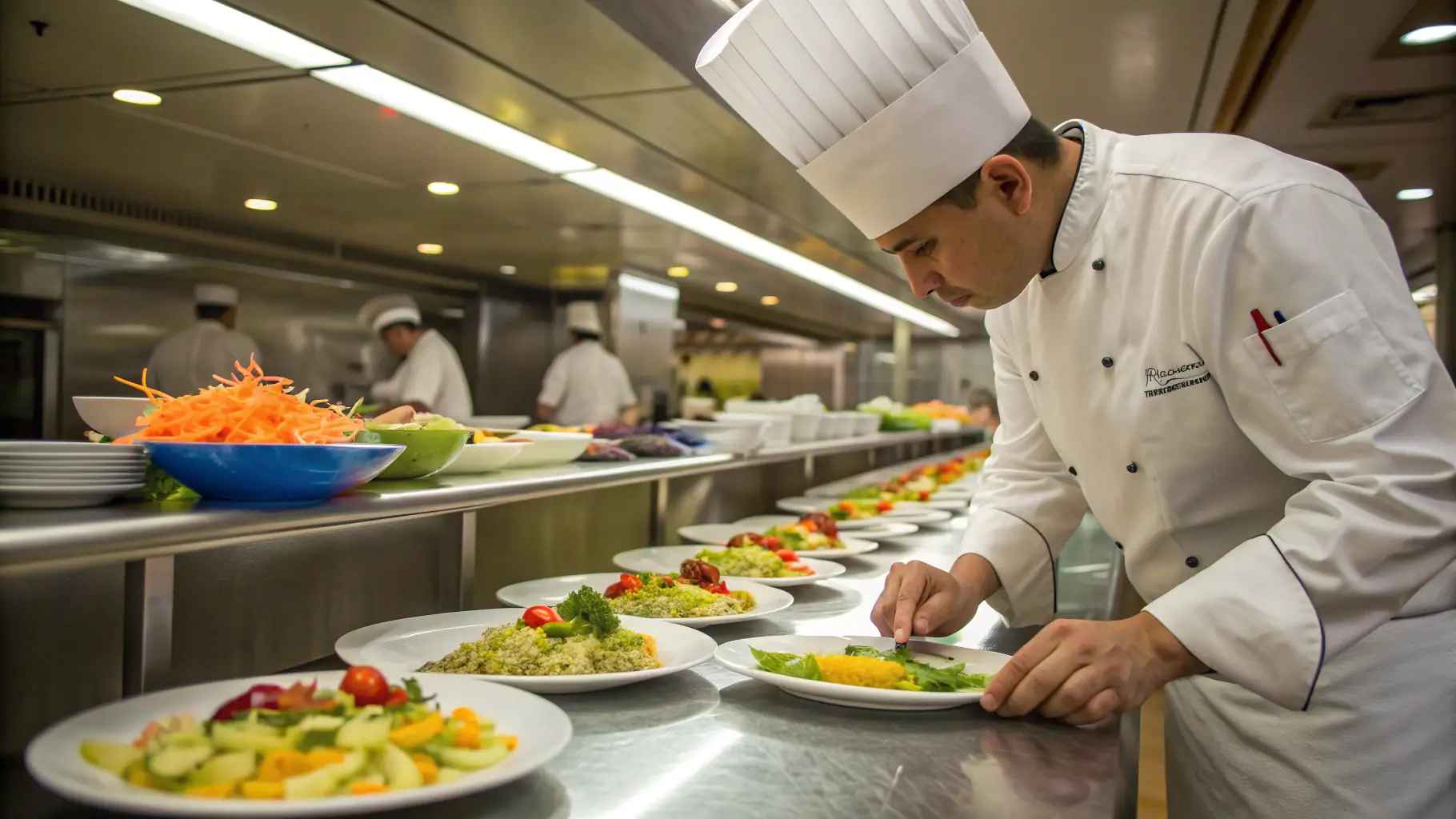
The closure of elBulli in 2011 sent a generation of technically brilliant chefs back into Barcelona with no obvious home. They brought Michelin-level precision but rejected the stiff formality that usually comes with it. The result was a new dining philosophy that prioritizes counter-based, informal settings without sacrificing kitchen discipline.
Poblenou absorbed this philosophy faster than any other district. The neighborhood’s warehouse spaces were already built for open layouts. Counter seating felt natural in rooms designed for factory floors. Chefs trained under Ferran Adrià and his collaborators found that Poblenou’s atmosphere matched their vision of what dining should feel like: precise, relaxed, and never intimidating.
The core principles of this elBulli diaspora approach are easy to identify:
- Refusal of stiffness. Formal tablecloths and rigid service protocols are replaced by direct interaction between chef and diner at the counter.
- Technical depth in casual formats. A dish might involve three days of preparation but arrive in a setting where you are eating shoulder to shoulder with strangers.
- Seasonal Catalan ingredients as the foundation. The creativity is applied to local produce, not imported luxury goods.
- Menus that evolve constantly. Dishes change with the market, not with the calendar quarter.
- Accessibility as a value. The goal is that anyone who loves food should feel welcome, not just those who can decode a formal French menu.
“Poblenou’s culinary strength lies in a ‘refusal of stiffness,’ a hallmark of the elBulli diaspora’s relaxed but precise kitchen culture. This ethos brings Michelin-level quality to casual settings, making the food scene accessible and inviting.” — The elBulli Diaspora: Barcelona’s New-Wave Kitchens
Restaurants like Disfrutar and Mont Bar embody this approach across Barcelona, and their influence is visible in Poblenou’s dining rooms. The legacy of elBulli reshaped Barcelona dining by favoring approachable, counter-based meals that balance technical skill with casual atmosphere. Poblenou is where that philosophy found its most natural home.
What is conscious gastronomy and how does it define Poblenou’s food scene?
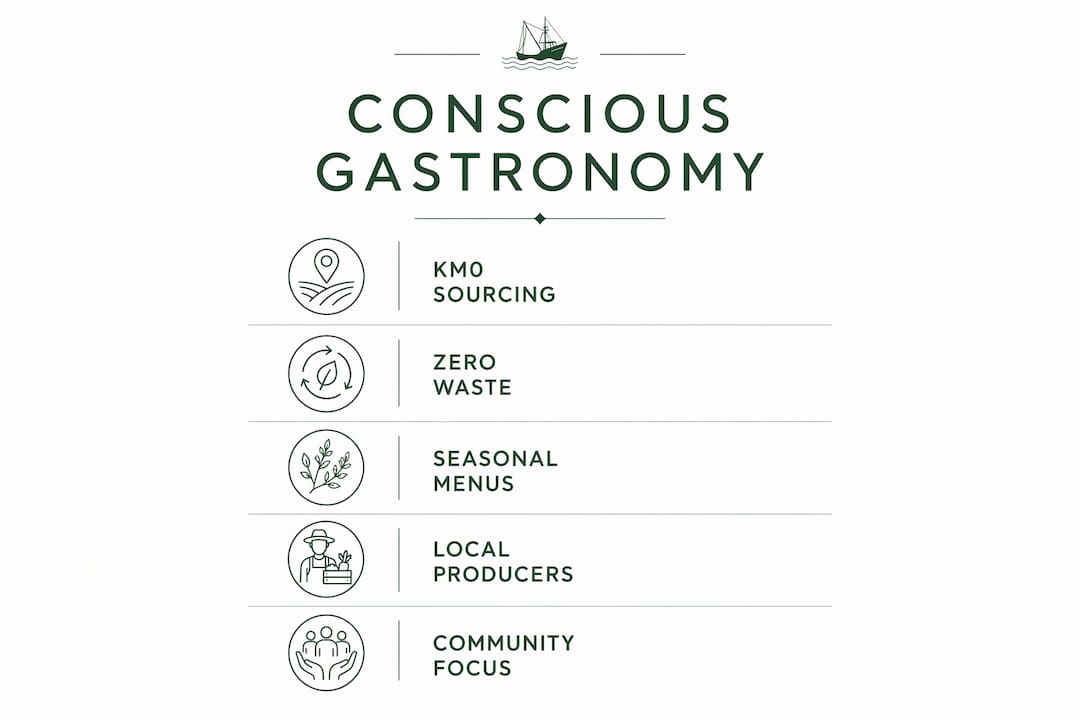
Conscious gastronomy is the practice of building a restaurant’s entire operation around sustainability, locality, and zero waste. It is not a marketing label. It is a set of operational decisions that affect sourcing, menu design, kitchen workflow, and supplier relationships. Poblenou’s food scene is currently driven by this approach, and the KM0 movement sits at its center.
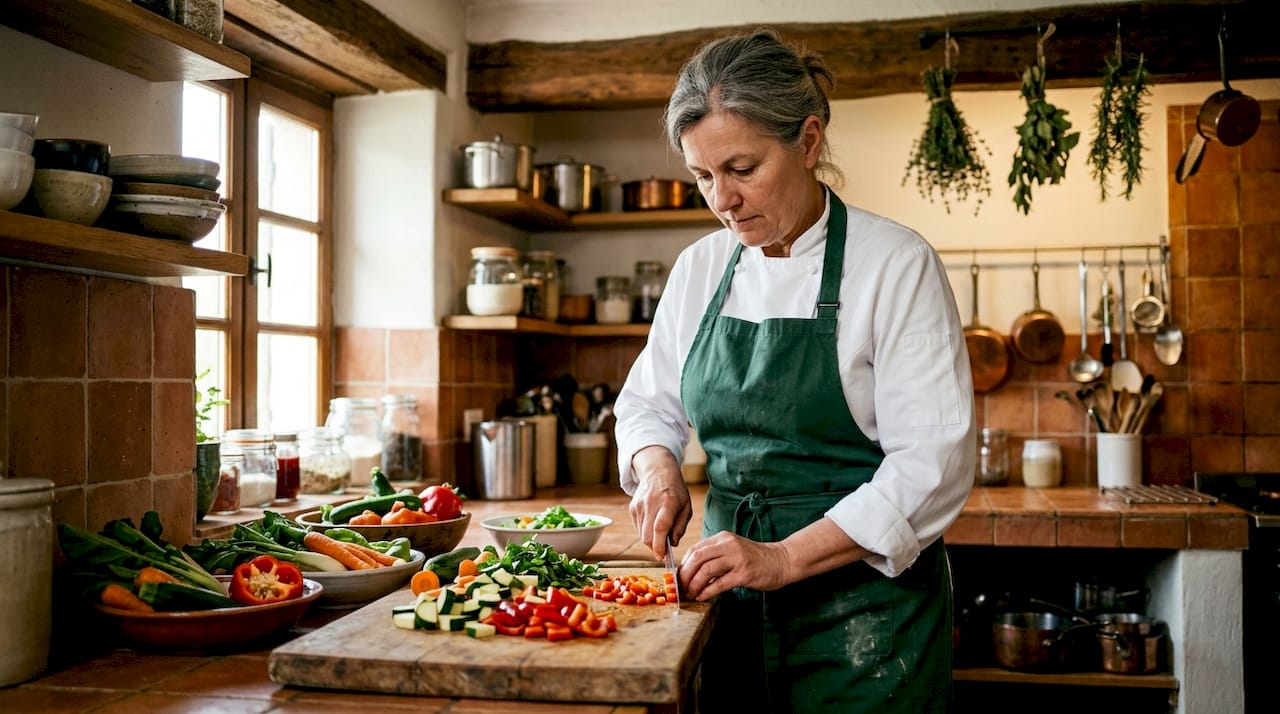
KM0 stands for “kilometer zero.” The principle is simple: source ingredients from within 100 kilometers of the restaurant. That radius covers the farms of the Maresme coast, the fishing ports of the Costa Daurada, and the market gardens of the Llobregat delta. Chefs who commit to KM0 sourcing build direct relationships with producers, which means they know exactly when the first spring peas arrive and when the last autumn mushrooms are picked.
Zero-waste kitchens take this further. Fish bones become stock. Vegetable trimmings become ferments. Bread that did not sell at lunch becomes crumbs for tomorrow’s dish. This is not frugality. It is a culinary discipline that forces creativity and reduces the environmental cost of running a restaurant.
| Principle | What it means in practice |
|---|---|
| KM0 sourcing | Ingredients come from within 100km, supporting local producers directly |
| Zero-waste kitchen | Every part of every ingredient is used across multiple dishes or preparations |
| Hyper-seasonal menus | Dishes change when ingredients peak, not on a fixed schedule |
| Biodynamic and organic wine | Natural wine bars prioritize producers who farm without synthetic inputs |
| Producer relationships | Chefs visit farms and fishing boats, not just wholesale markets |
Pro Tip: Ask your server where the fish on your plate was caught. In a genuinely conscious kitchen, they will know the port, the boat, and sometimes the fisherman’s name. That answer tells you everything about how seriously the restaurant takes its sourcing.
Conscious gastronomy is more than a trend. It is a shift aligning food culture with sustainability, locality, and community values, making Poblenou a model district for the rest of Barcelona and beyond. The neighborhood’s culinary heritage runs deep, and conscious gastronomy gives that heritage a modern framework that resonates with travelers who care about where their food comes from.
What makes Poblenou dining experiences unique for food travelers?
Poblenou offers a range of dining formats that you will not find concentrated in any other Barcelona district. The variety is not random. It reflects the neighborhood’s layered identity as a former industrial zone, a creative hub, and a working residential community. Food travelers who dine in Poblenou consistently describe the experience as more personal and less performative than dining in the city center.
The physical settings alone set Poblenou apart. Warehouse-turned-restaurants use their original architecture as a design feature. High ceilings, original tile floors, and exposed structural elements create rooms that feel lived-in rather than designed. Counter seating is common, which means you often watch your food being prepared. That transparency builds trust and makes the meal feel collaborative.
The diversity of Poblenou’s dining options ranges from craft breweries to rooftop dining and fusion restaurants blending Catalan with international flavors. That range attracts food travelers who want more than one type of experience in a single neighborhood.
- Counter dining at chef-driven spots where you eat directly in front of the open kitchen
- Rooftop terraces with views over the district’s mix of industrial and residential architecture
- Craft brewery taprooms serving food designed to pair with small-batch local beers
- Seafood-focused restaurants built around the daily catch from nearby Mediterranean ports
- Local food tours that move through the Rambla del Poblenou market and into neighborhood kitchens
- Wine bars specializing in natural and biodynamic bottles from Catalan and Spanish producers
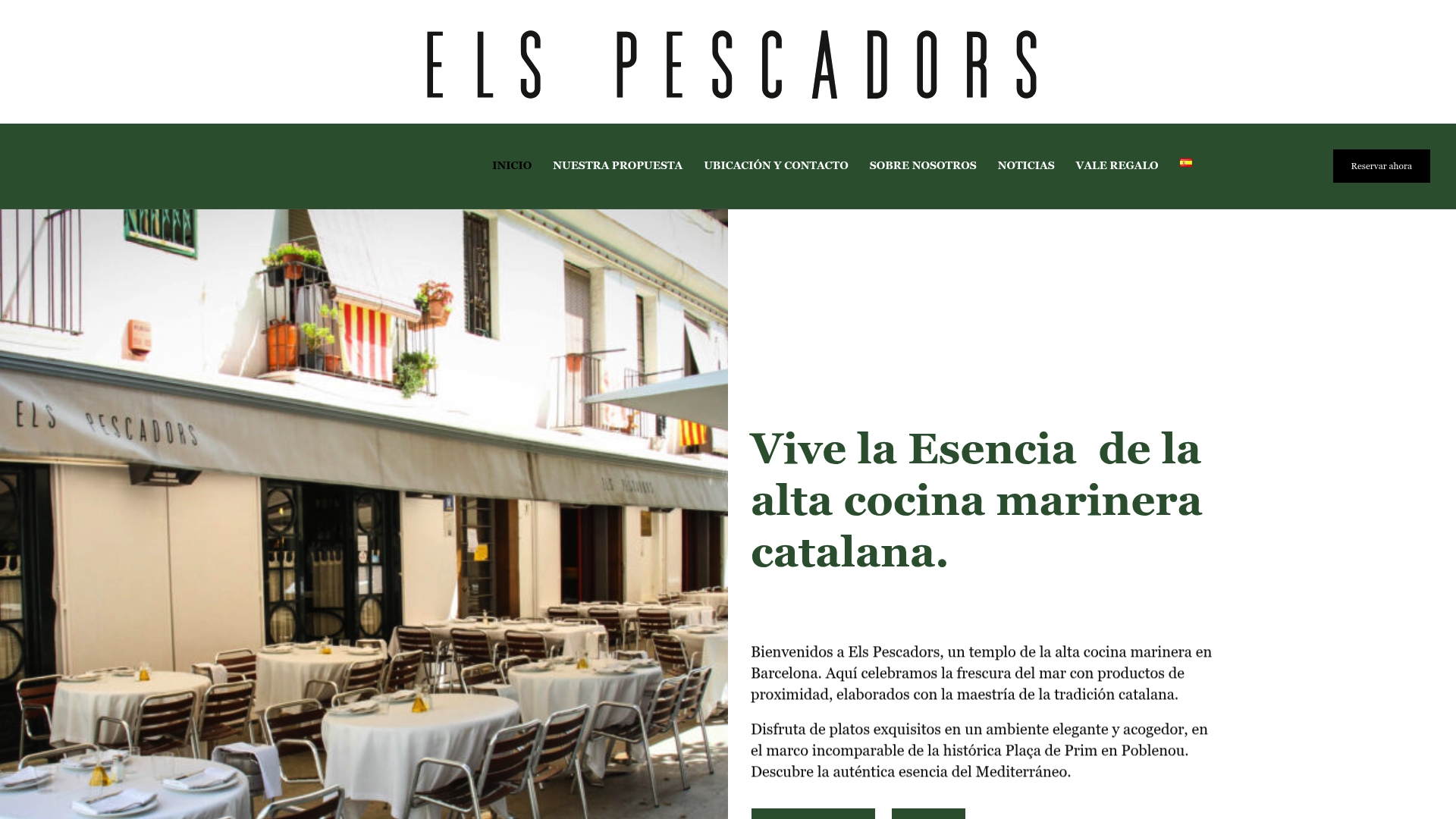
Elspescadors sits at the heart of this scene. Located in Plaça de Prim, it specializes in authentic Catalan maritime cuisine with a focus on seasonal seafood and traditional rice dishes. The restaurant represents exactly what makes Poblenou’s food culture worth traveling for: deep local roots, quality ingredients, and a setting that honors the neighborhood’s history.
Key Takeaways
Poblenou became Barcelona’s food hub because industrial heritage, elBulli-trained chefs, and the KM0 movement aligned in one neighborhood at the right moment.
| Point | Details |
|---|---|
| Industrial roots enabled the scene | Affordable warehouse spaces gave young chefs room to experiment without financial pressure. |
| elBulli’s diaspora defined the style | Counter-based, technically precise but relaxed dining became Poblenou’s signature format. |
| KM0 sourcing drives the menus | Ingredients from within 100km connect restaurants directly to local farms and fishing ports. |
| Conscious gastronomy is operational | Zero-waste kitchens and producer relationships are daily practice, not marketing language. |
| Diversity keeps travelers returning | From rooftop dining to seafood counters, Poblenou offers formats no other district matches. |
What I keep coming back to about Poblenou
Most food neighborhoods in Europe get interesting and then get expensive. The interesting chefs leave. The rents rise. The tourists arrive and the locals follow the chefs somewhere cheaper. Poblenou has resisted that cycle longer than I expected, and I think the reason is structural rather than lucky.
The neighborhood’s identity is too specific to be easily replicated. You cannot fake a 19th-century factory floor. You cannot manufacture the community feeling that comes from a district where the same families have lived for three generations alongside the new creative arrivals. That mix creates a social texture that shows up in the food. The menus feel like they belong to the place, not to a trend cycle.
What strikes me most is how the conscious gastronomy movement here is not aspirational. It is practical. Chefs source locally because the Mediterranean coast produces extraordinary ingredients. They run zero-waste kitchens because waste costs money. The sustainability is real because it makes economic and culinary sense, not because it looks good on an Instagram caption.
Elspescadors is a good example of this. The restaurant has been in Plaça de Prim long enough to be part of the neighborhood’s fabric. Its focus on fresh catch and traditional rice dishes is not a concept. It is a continuation of what Poblenou’s fishing community has always done. That continuity is rare, and it is worth seeking out.
The future of Poblenou’s food scene depends on whether the city can keep rents manageable enough for independent operators. If it can, the district will keep producing the kind of cooking that makes Barcelona worth visiting for food alone.
— YellowRock
Elspescadors: authentic Catalan seafood in the heart of Poblenou
Elspescadors has been serving fresh Mediterranean seafood from Plaça de Prim since before Poblenou became a destination. The restaurant’s menu is built around the daily catch, traditional Catalan rice dishes, and ingredients sourced from local producers who share the same commitment to quality and seasonality.
The dining proposal at Elspescadors includes tasting menus designed to move through the flavors of the Catalan coast course by course. For groups, the kitchen offers formats that make a shared meal feel like a genuine event rather than a booking. If you are planning a visit to Poblenou and want to eat somewhere that has shaped the neighborhood’s food identity rather than simply benefited from it, Elspescadors is the right table. You can also explore group seafood dining options for larger parties looking for a memorable Barcelona experience.
FAQ
Why did Poblenou become a food hub in Barcelona?
Poblenou became a food hub because urban renewal in the early 2000s made its large industrial spaces affordable for young chefs. The 2004 Forum Universal de les Cultures accelerated investment in the district, and the arrival of elBulli-trained chefs brought a new dining philosophy centered on casual precision and local sourcing.
What is the KM0 movement in Poblenou’s restaurants?
The KM0 movement requires restaurants to source ingredients from within 100 kilometers of the kitchen. In Poblenou, this means direct relationships with farms along the Maresme coast, fishing ports on the Costa Daurada, and market gardens in the Llobregat delta.
What type of food is Poblenou known for?
Poblenou is known for conscious gastronomy, counter-based dining influenced by elBulli alumni, fresh Mediterranean seafood, and Catalan rice dishes. The district also has a strong natural wine culture and a growing craft brewery scene.
How is dining in Poblenou different from other Barcelona districts?
Poblenou dining takes place in converted warehouses and factory spaces, which creates an atmosphere that other districts cannot replicate. The food scene prioritizes local sourcing, zero-waste kitchens, and direct chef-to-diner interaction at counters rather than formal table service.
Is Elspescadors a good restaurant to visit in Poblenou?
Elspescadors is one of Poblenou’s established seafood restaurants, located in Plaça de Prim. It specializes in authentic Catalan maritime cuisine, fresh daily catch, and traditional rice dishes, making it a strong choice for food travelers who want to experience the neighborhood’s culinary identity at its most genuine.