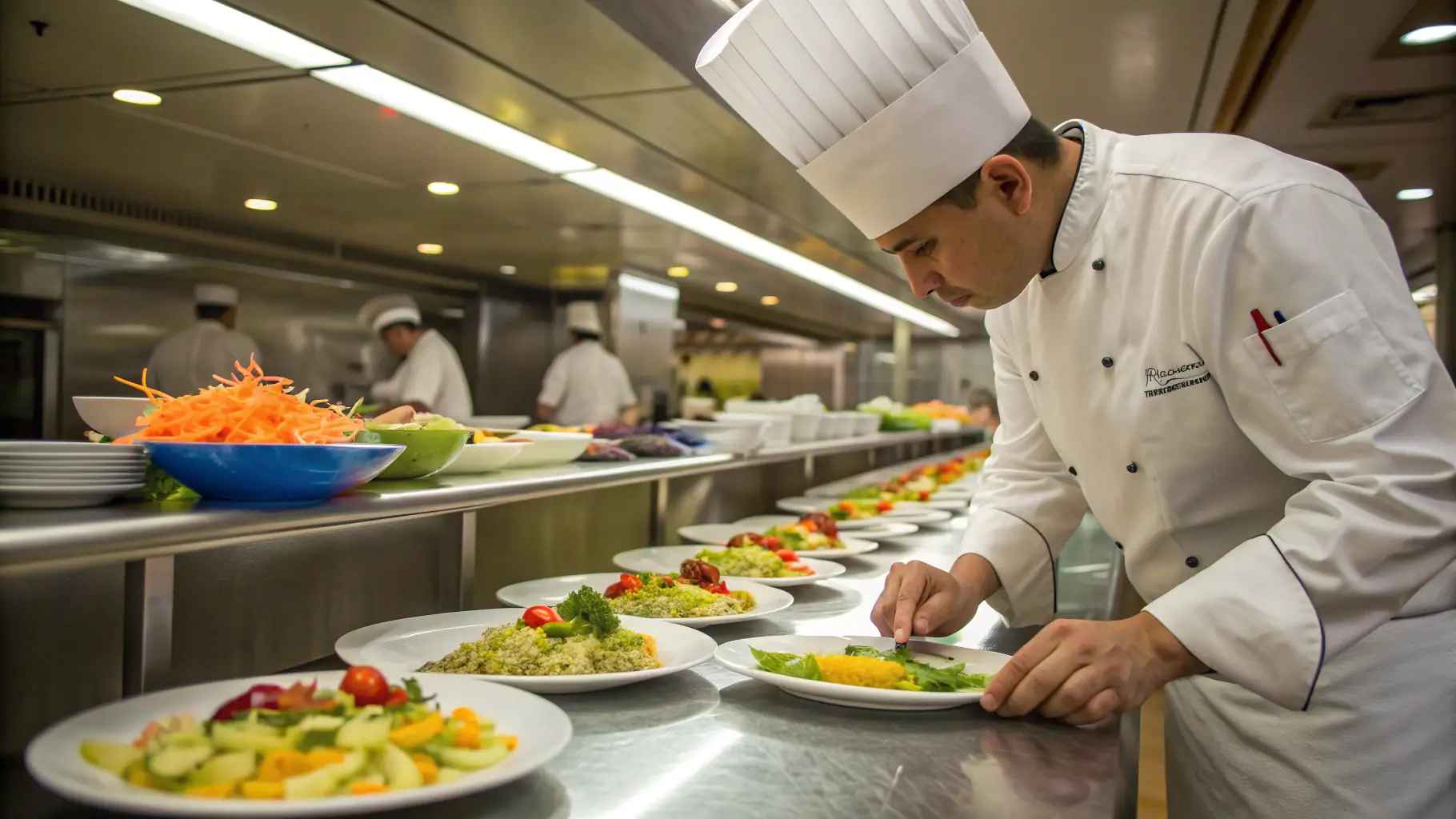
Mediterranean fine dining is one of the most misunderstood categories in the culinary world. Many travelers assume it means a casual plate of hummus by the sea or a generous bowl of pasta. What they find at the best tables in Barcelona, Athens, or Marseille is something far more sophisticated. What is Mediterranean fine dining, really? It is an ingredient-driven, technique-refined, culturally rooted experience that draws from centuries of maritime tradition, regional identity, and a deep respect for seasonal produce. This guide breaks down exactly what defines it, what makes Catalan cuisine its most compelling expression, and how to experience it at its best.
Table of Contents
- What defines Mediterranean fine dining
- Exploring Catalan influences in Mediterranean fine dining
- Innovative seafood techniques and tasting menus in Mediterranean fine dining
- Practical tips for enjoying Mediterranean fine dining experiences
- Mediterranean fine dining: beyond the plate, a cultural and sensory journey
- Experience authentic Mediterranean fine dining at Els Pescadors
- Frequently asked questions
Key Takeaways
| Point | Details |
|---|---|
| Ingredient focus | Mediterranean fine dining centers on seasonal seafood, olive oil, and regional vegetables. |
| Catalan influence | Catalan cuisine provides strong local DNA through small-scale producers and delicate tasting menus. |
| Innovative techniques | Seafood preparations like salting and smoking create unique flavor profiles in tasting menus. |
| Dining experience | Booking special seating and allowing ample time enhances Mediterranean fine dining immersion. |
| Health benefits | The Mediterranean diet foundation contributes to cardiovascular health and fresh food enjoyment. |
What defines Mediterranean fine dining
At its core, Mediterranean fine dining is built on a philosophy rather than a fixed set of dishes. The ingredient is the hero, not the sauce or the technique layered on top of it. Olive oil is not a cooking fat here; it is a flavor system. Seafood is not a protein category; it is a living connection to the coast and the fisherman who pulled it from the water that morning.
The characteristics of Mediterranean food at this level share several consistent traits:
- Seasonal, peak-maturity produce sourced from small regional farms and local markets
- Olive oil as a central flavor element, not just a cooking medium
- Seafood diversity spanning grilled whole fish, cured roe, slow-braised octopus, and live shellfish
- Vegetable-forward plates that treat vegetables with the same precision applied to proteins
- Char-grilling and wood-fire techniques that amplify natural flavors without masking them
- Minimal but precise seasoning that lets the ingredient speak
“Mediterranean fine dining is experiencing a renaissance in 2026, defined by peak-maturity produce and char-grilled proteins that put the ingredient at the absolute center of the plate.”
What separates this from casual Mediterranean restaurants is the level of intention. Every element on the plate has been considered. A grilled sea bass is not just grilled. The fire temperature, resting time, the quality of the salt, the drizzle of single-origin olive oil from a specific grove in Catalonia or Crete: each decision is deliberate.
The health dimension is real too. Mediterranean diet principles are linked to measurable cardiovascular benefits, and fine dining restaurants in this tradition carry that philosophy forward. Eating well and eating beautifully are not separate goals here.
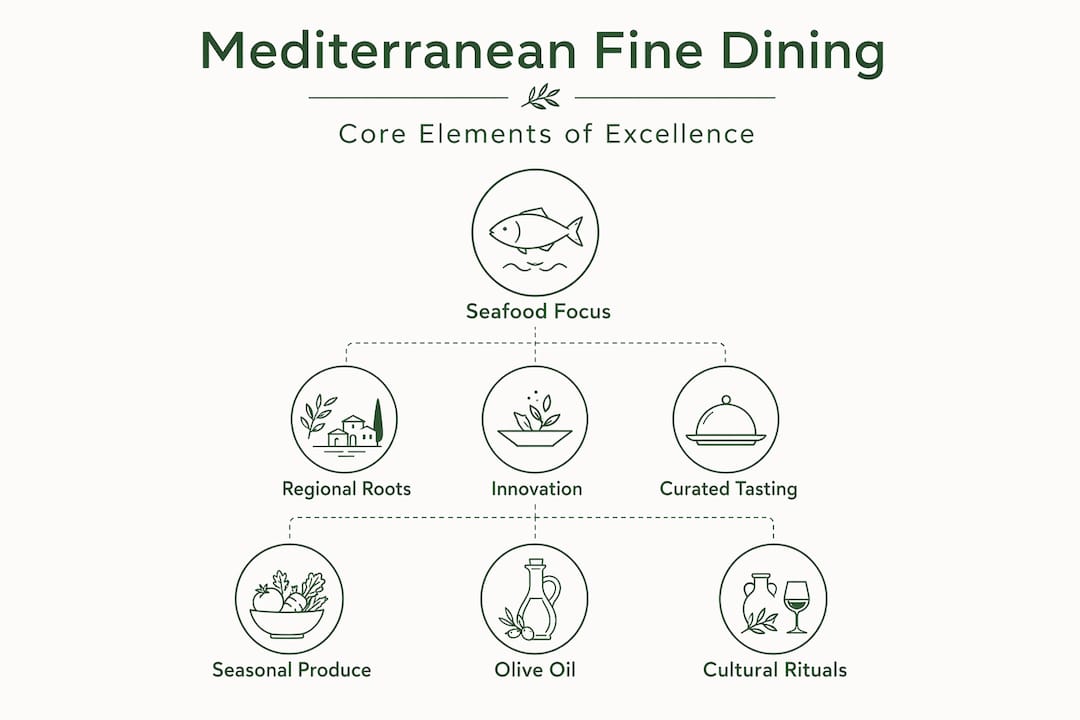
The regional identity stretches from the Iberian Peninsula through southern France, Italy, Greece, and into the Levant. Each zone brings its own accent. Catalonia brings salt cod, wild mushrooms from the Pyrenees, and rice. The Levant brings preserved lemons and spiced lamb. Southern Italy brings burrata and aged anchovies. What unites them is a shared reverence for local, seasonal, and honest ingredients, shaped by culinary technique into something genuinely elevated. If you want to understand the Catalan tasting menu process, it reflects this philosophy at every course.
Exploring Catalan influences in Mediterranean fine dining
Catalonia is arguably the most exciting region within the Mediterranean fine dining landscape right now. The reason is not just the talent concentrated in Barcelona. It is the infrastructure behind it: a network of small-scale producers, fishermen, and farmers who supply restaurants with ingredients that carry what chefs describe as strong regional DNA.
Chef Jordi Artal of Cinc Sentits, a two-star Michelin restaurant in Barcelona, has been explicit about this: his tasting menus revolve around ingredients like Maresme peas and Sagàs pork, sourced from trusted growers he has worked with for years. The dining space itself evokes family roots and locality. The meal is as much a story as it is a sequence of courses.
This approach shapes the broader Catalan fine dining experience in a few consistent ways:
- Traceable sourcing: Menus frequently identify the specific farm, cooperative, or fisherman behind key ingredients. This is not marketing. It reflects genuine relationships between chef and producer.
- Tasting menus as narrative: Rather than a list of dishes, Catalan fine dining tasting menus are structured progressions. Each course builds on the last, creating a cumulative emotional and sensory experience.
- Space as storytelling: Many of the best Catalan restaurants are housed in buildings that carry history, whether a converted fishing warehouse in Poblenou or a townhouse in the Eixample. The room reinforces what is on the plate.
- Seasonality as the menu: The calendar dictates everything. Spring means Maresme peas and tender asparagus. Autumn means wild mushrooms from the Pyrenees and game. A chef who ignores the season is a chef out of step with the tradition.
Pro Tip: When booking a Catalan tasting menu, ask whether the restaurant can accommodate ingredient preferences related to the current season. Most will tell you exactly what is at peak right now, which is your best guide to what to order.
Understanding Catalan traditional flavors before your visit will sharpen your appreciation at the table. Knowing what romesco is, or why pa amb tomàquet (bread rubbed with tomato and olive oil) is considered the foundation of Catalan cuisine, adds layers to every bite. For broader preparation, the tips for fine dining in Barcelona cover practical etiquette and booking strategies specific to this city.
Innovative seafood techniques and tasting menus in Mediterranean fine dining
Seafood is where Mediterranean fine dining gets particularly creative. The coast has always defined Mediterranean cuisine, but modern chefs are treating fish and shellfish with the same curing, aging, and smoking techniques that European kitchens traditionally reserved for meat.
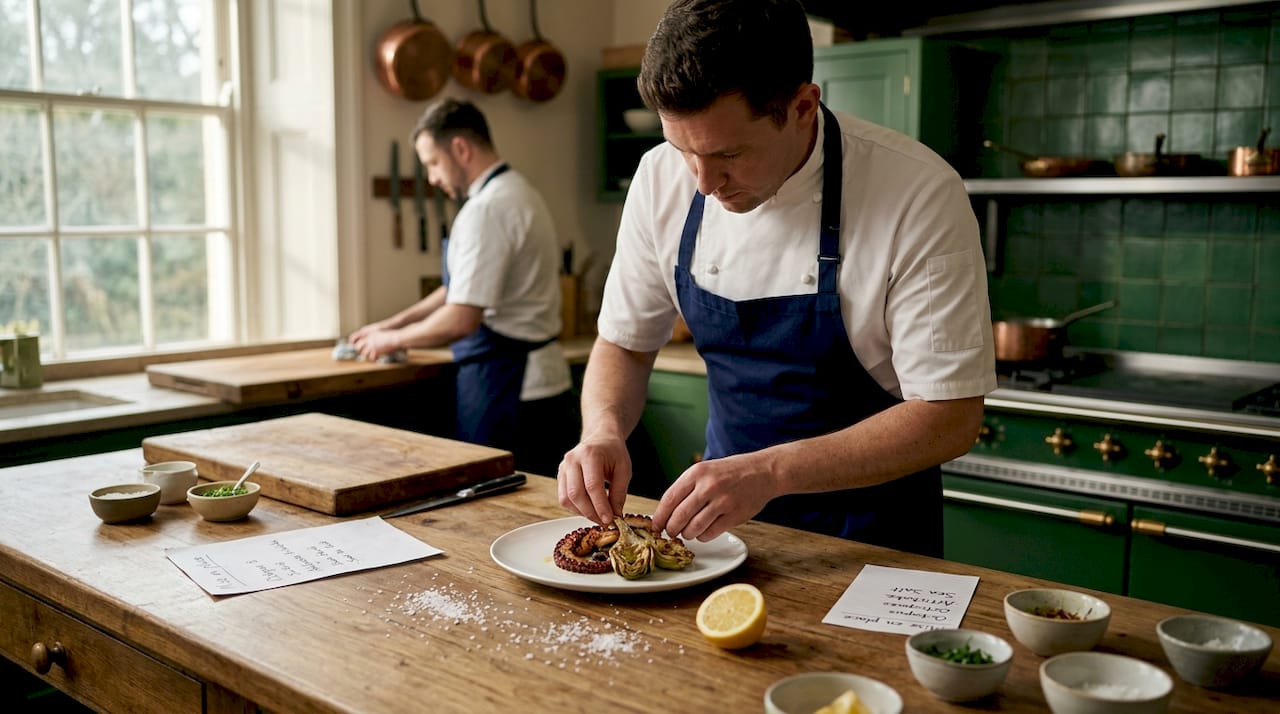
Barcelona’s Michelin-recognized Fishølogy is a sharp example. Their tasting menus, named Bentos and Abisal, use salting, maturing, and smoking techniques the kitchen calls “charcuterie of the sea.” The Abisal menu takes its name from the deep ocean, guiding diners through flavor profiles that move from bright and briny near the surface to dense and complex in deeper waters. It is a genuinely theatrical concept grounded in real technique.
Here is how innovative seafood tasting menus compare to traditional formats:
| Format | Approach | Duration | Price range | Key technique |
|---|---|---|---|---|
| Traditional Mediterranean | Whole fish, grilled or baked | 60-90 mins | €40-80 | Wood-fire, olive oil |
| Modern seafood tasting | Thematic, multi-course progression | 2-3 hours | €150-250 (excl. wine) | Curing, aging, smoking |
| Catalan rice-focused | Seasonal rice as centerpiece | 90 mins | €60-100 | Slow-fire stock reduction |
| Avant-garde Mediterranean | Deconstructed, technique-led | 2.5-3 hours | €180-280 | Spherification, emulsification |
The international influences woven into these menus are intentional and interesting. Italian salt-curing traditions, Japanese aging techniques applied to tuna and sea bass, and North African spice profiles applied to shellfish all appear in Barcelona’s top seafood restaurants. The result is Mediterranean in spirit but genuinely global in craft.
Pro Tip: For seafood tasting menus in Barcelona, always ask whether the menu changes with the day’s catch. At restaurants operating at this level, the answer should be yes, and that flexibility is a sign of a kitchen working with real integrity. Understanding what makes a fine seafood restaurant will help you evaluate your options before you book.
Practical tips for enjoying Mediterranean fine dining experiences
Knowing what Mediterranean fine dining is intellectually and knowing how to experience it fully at the table are two different things. These are the details most guides skip.
- Book the chef’s table if it exists. At restaurants like Cinc Sentits, the chef’s table offers direct interaction with the kitchen team and often access to dishes or variations not on the standard menu. It is the most immersive seat in the house.
- Tell them your preferences before you arrive. If you want to emphasize the Asian or Italian-influenced preparations at a venue like Fishølogy, say so at booking. Kitchens at this level accommodate thoughtfully when given advance notice.
- Budget 2-3 hours. A serious Mediterranean seafood tasting menu is not dinner. It is an event. Arriving rushed or with an early commitment waiting ruins the pacing. Leave the evening open.
- Research the wine pairing separately. Wine can add €60-120 to a tasting menu. Some pairings are exceptional and worth every cent. Others are formulaic. Ask whether the sommelier offers half-pairings (one wine per two courses) if you want variety without the full commitment.
- Read the menu before you go. Most fine dining restaurants publish their menus online. Arriving with context about what you are about to eat, the regions, the producers, the techniques, makes you a more engaged and satisfied diner.
Pro Tip: The fine dining tips for Barcelona include specific advice on timing reservations around Barcelona’s dining culture, which runs significantly later than most American or Northern European visitors expect. Dinner at 9:00 PM is normal. Arriving at 7:00 PM, you may find yourself the only table in the room. The Catalan tasting menu guide also prepares you for the structural logic of how these menus unfold.
Mediterranean fine dining: beyond the plate, a cultural and sensory journey
Here is the perspective most food articles miss entirely: the best Mediterranean fine dining is not about the food.
That sounds wrong until you sit through a meal where the chef explains that the olive oil on your bread came from a grove his grandfather planted. Or where the name of the fisherman appears on the menu next to the fish he caught that morning. Or where the room you are sitting in was the storage warehouse for the boats that once worked this exact stretch of coastline.
Chef Jordi Artal has articulated this plainly: modern Catalan dining spaces are designed to evoke family roots and locality, so the meal becomes a storytelling experience as much as a culinary one. The flavors are inseparable from their context. When you understand that Maresme peas have a three-week window each spring before they are gone for another year, eating them at peak ripeness means something different.
The mistake most first-time fine diners make is treating the meal as a performance to watch rather than a conversation to join. Ask questions. Tell the server what moves you and what does not. These kitchens want feedback, not applause.
There is also a counter-intuitive truth here: the best Mediterranean fine dining experiences often feel less formal than the price point suggests. The warmth, the storytelling, the wine poured generously and explained without condescension. That informality is not a contrast to luxury. It is the Mediterranean definition of luxury. Food and hospitality as genuine generosity, not theatrical service. Exploring Catalan cuisine’s roots before your trip will give you the cultural fluency to fully enter that conversation.
Experience authentic Mediterranean fine dining at Els Pescadors
If you are ready to experience everything described in this guide at one table, Els Pescadors in Barcelona’s historic Poblenou district is the place to start. Situated in the charming Plaça de Prim, the restaurant specializes in Catalan maritime cuisine built around daily fresh catch, seasonal rice dishes, and locally sourced seafood prepared with real technique and genuine care.
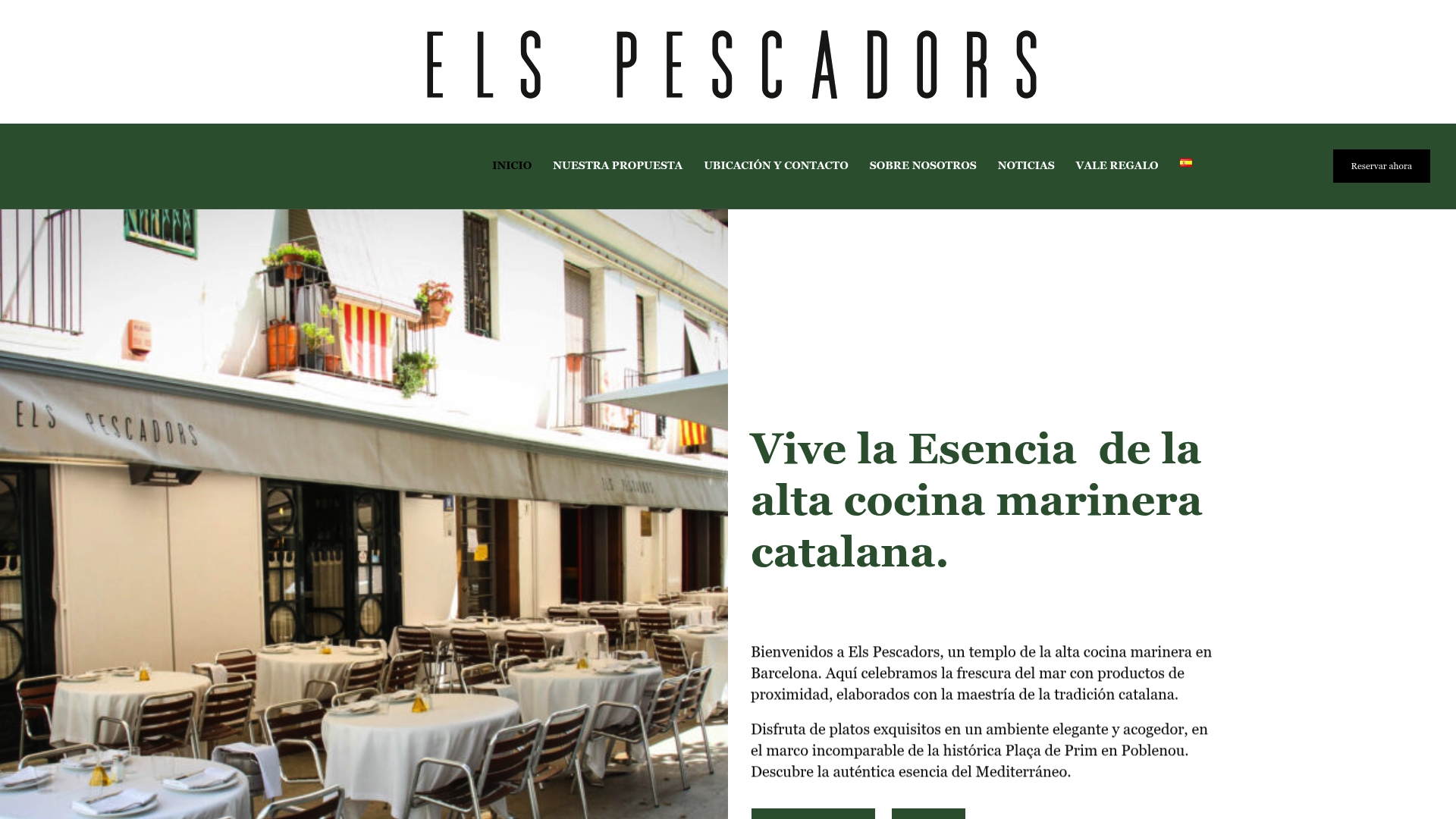
Their dining proposal reflects the philosophy at the heart of Mediterranean fine dining: ingredients chosen for their provenance, menus that shift with the season, and a setting that carries the history of a working fishing neighborhood. It is not a replica of the Mediterranean experience. It is one of its authentic expressions. Read more about what makes a fine seafood restaurant in Barcelona, and discover how Catalan cuisine in Barcelona creates a dining experience that is genuinely worth traveling for. Book your table and give yourself the full evening.
Frequently asked questions
What distinguishes Mediterranean fine dining from casual Mediterranean restaurants?
Mediterranean fine dining emphasizes seasonal, high-quality ingredients, innovative culinary techniques, and curated tasting menus, whereas casual restaurants focus on everyday dishes and informal settings. Over 700 Mediterranean restaurants worldwide are classified in this category, with fine dining venues distinguished by elevated sourcing standards and price points reflecting that commitment.
What role does Catalan cuisine play in Mediterranean fine dining?
Catalan cuisine contributes local small-scale produced ingredients and delicate tasting menus, deeply influencing Mediterranean fine dining with strong regional identity and seasonal flavors. Modern Catalan fine dining revolves around trusted producers and ingredients with strong regional DNA, as demonstrated by tasting menus built around Maresme peas and Sagàs pork.
How can I best enjoy a Mediterranean seafood tasting menu?
Plan to spend 2-3 hours savoring diverse seafood dishes, consider booking chef’s table seating if available, and ask about unique preparation techniques before you sit down. Fishølogy’s tasting menus last 2-3 hours and use salting, maturing, and smoking to build flavors that reward an unhurried pace.
Are Mediterranean fine dining experiences healthy?
Yes, Mediterranean fine dining is built on the principles of the Mediterranean diet, which studies link to cardiovascular health improvements, with a focus on olive oil, fresh seafood, vegetables, and peak-maturity produce as the foundation of every menu.