Most people assume a seafood tasting menu is simply a long meal with a lot of fish. That’s a bit like saying a symphony is just a lot of notes. A seafood tasting menu is an orchestrated dining experience, a prix-fixe, multi-course journey of 5 to 20 small dishes, each one curated by the chef to reveal something new about the sea. In Barcelona, these menus carry an extra layer of meaning because they are rooted in Catalan maritime tradition, shaped by centuries of coastal cooking, local fishing culture, and Mediterranean flavor. This article will walk you through everything you need to know before you sit down.
Table of Contents
- What is a seafood tasting menu?
- A step-by-step journey: Course structure and pacing
- Why focus on fresh, seasonal seafood?
- Is a seafood tasting menu right for you?
- Our take: The true value (and challenge) of a seafood tasting menu
- Embark on your own seafood tasting menu adventure in Barcelona
- Frequently asked questions
Key Takeaways
| Point | Details |
|---|---|
| Chef-curated journey | Seafood tasting menus offer a structured sequence of small, artful dishes highlighting fresh catches. |
| Seasonal and local focus | Menus reflect what the Mediterranean provides that day for peak flavor and authenticity. |
| Ideal for the adventurous | Best suited for food lovers eager to discover Catalan maritime cuisine in depth. |
| Requires time and openness | Expect 2-3 hours and a willingness to let the chef surprise you with each course. |
What is a seafood tasting menu?
A seafood tasting menu is not a buffet, nor is it a standard three-course dinner with an extra fish course tacked on. Think of it as a chef writing a short story, where each course is a chapter, each flavor a sentence, and the whole experience adds up to something greater than its parts. According to the fine dining world’s most reliable definitions, a tasting menu is a prix-fixe, chef-curated meal built around seasonal, fresh catches, progressing through a structured sequence of flavors, textures, and techniques.
What sets this format apart from ordering à la carte is the intentional surrender of choice. You are not deciding between the grilled sole and the clam rice. The chef decides for you, and that decision is made with the full arc of the meal in mind. Each dish serves a purpose within the whole, not just on its own plate.
In Barcelona, this takes on a distinctly Catalan character. Barcelona’s top seafood tasting menus lean heavily on the Mediterranean’s seasonal rhythms, incorporating local catches like espardenyes (sea cucumbers), razor clams, red mullet, and the prized monkfish from the Catalan coast. Understanding the process for a Catalan tasting menu helps you appreciate not just what you are eating, but why it arrives in that particular order.
Here is what typically separates a seafood tasting menu from other dining formats:
- Chef-driven narrative: Every course is selected to build toward a flavor arc, not simply to fill you up.
- Seasonal focus: The menu changes with the sea, meaning spring brings one story and winter brings another.
- Smaller portion sizes: Each dish is a taste, designed to excite rather than satisfy fully until the final course.
- Pacing and timing: The kitchen controls when you eat, creating a rhythm that enhances the overall experience.
- Local identity: In Catalonia, the menu reflects the region’s fishing ports, cooking techniques, and culinary history.
| Feature | Tasting menu | À la carte |
|---|---|---|
| Number of courses | 5 to 20 | 1 to 3 typically |
| Who decides the dishes | Chef | Diner |
| Pacing | Kitchen-controlled | Diner-controlled |
| Seasonal emphasis | Very high | Variable |
| Best for | Food-focused occasions | Casual or flexible dining |
Pro Tip: If it’s your first tasting menu experience in Barcelona, let the sommelier pair wines by the glass with each course. The interaction between a local vi de la terra (Catalan table wine) and a dish of grilled cuttlefish is something no single bottle selection can replicate.
A step-by-step journey: Course structure and pacing
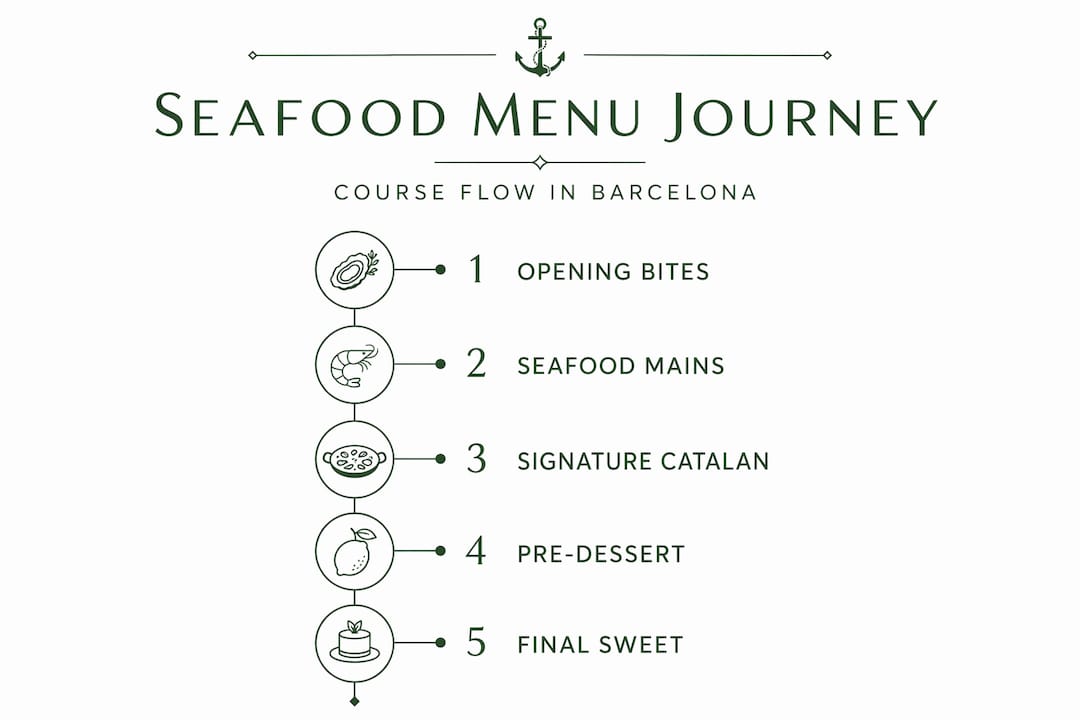
With an understanding of what’s on offer, let’s walk through the menu course by course to see how each unfolds. The structure of a seafood tasting menu follows a logic that mirrors the tides. It starts light and bright, builds in richness and intensity, and then gently recedes into sweetness and comfort.
A typical progression looks like this:
- Welcome bites: One or two tiny mouthfuls, often raw or barely dressed, to wake up your palate. Think oysters with a citrus mignonette, or a single spoonful of sea urchin on toasted bread.
- Cold starters: Crudos (raw, marinated fish), ceviche-style preparations, or delicate shellfish presentations. The acid and freshness here cleanse and prepare.
- Warm starters: Lightly cooked seafood, perhaps steamed clams in a fumet broth or grilled prawns with romesco sauce. Flavor begins to deepen.
- Fish courses: One or two centerpiece fish preparations, often featuring the day’s best catch, cooked with more intensity. Techniques might include wood-fired grilling or slow poaching.
- Rice or stew course: In Catalonia, this is often the emotional heart of the meal. A suquet de peix (traditional Catalan fish stew) or a seafood rice cooked in rich sofregit base. This is comfort and tradition on a plate.
- Pre-dessert: A light sorbet or citrus preparation to transition the palate away from savory.
- Dessert: Usually one to two sweet courses, often incorporating sea-friendly flavors like salt, citrus, or even seaweed.
- Petits fours or mignardises: Small bites to finish, often paired with coffee or digestif.
As noted in detailed studies of tasting menu mechanics, courses progress from light and acidic openers to richer proteins, rice dishes, and pre-dessert, all controlled by the kitchen to create a coherent narrative flow.
| Course stage | Flavor profile | Example dish |
|---|---|---|
| Opening bites | Light, bright, raw | Oyster, sea urchin toast |
| Cold starters | Acid, fresh | Crudo, citrus-dressed shellfish |
| Warm starters | Umami, gentle heat | Steamed clams, grilled prawns |
| Fish courses | Rich, complex | Wood-grilled monkfish |
| Rice or stew | Deep, comforting | Suquet de peix, seafood rice |
| Dessert | Sweet, refreshing | Salt caramel, citrus tart |
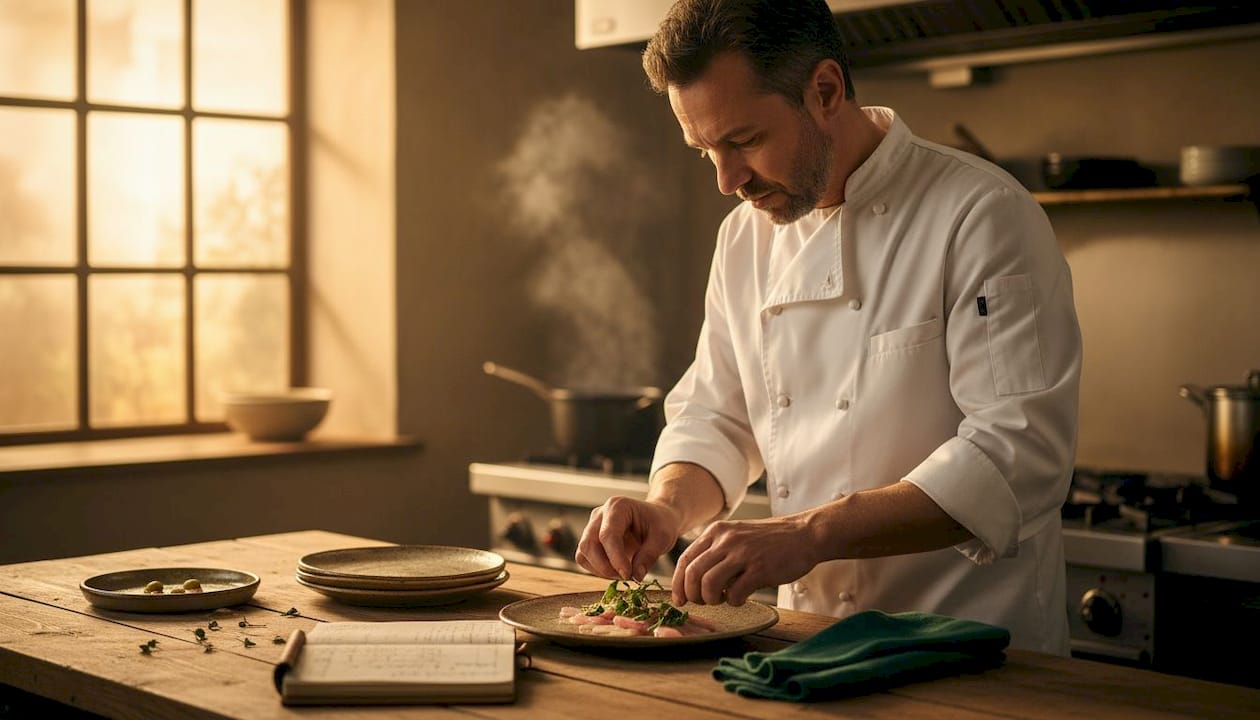
A standard seafood tasting menu in Barcelona will occupy between two and three hours at the table. This is not a meal you rush. Structuring your tasting menu experience around an unhurried evening makes all the difference. At Els Pescadors, the Els Pescadors tasting journey is designed to honor this pace, letting each course breathe.
Why focus on fresh, seasonal seafood?
Understanding the flow of a seafood tasting menu, it’s important to see how ingredient sourcing shapes the dining experience. Seasonality is not a marketing phrase in Catalan cooking. It is a practical and cultural reality.
“The sea does not offer the same gifts in January as it does in June. A kitchen that respects the season is a kitchen that respects the diner.”
This philosophy, deeply embedded in Barcelona’s best seafood restaurants, means that the menu you eat in February will differ from the one served in August. Winter brings richer, fattier fish like bacallà (salt cod) and deep-water prawns. Spring opens the door to tender baby squid and the first sea bream of the warmer season. Summer floods the market with percebes (gooseneck barnacles), spider crabs, and langoustines.
The seasonal approach also supports local fishing communities. When a restaurant sources directly from Catalan fishing ports like Palamós or Tarragona, it keeps traditional fishing practices alive and ensures the freshest possible product reaches your plate. That freshness is something you can taste. A langoustine caught that morning and served at lunch carries a sweetness no frozen product can replicate.
Key reasons why seasonal sourcing matters in a seafood tasting menu:
- Peak flavor: Fish and shellfish caught in season are at their nutritional and flavor peak.
- Sustainability: Eating what the sea offers naturally avoids pressure on overfished species.
- Variety across visits: Returning to the same restaurant in a different season delivers a genuinely different experience.
- Connection to place: Seasonal menus tell you something true about where you are and when you are there.
You can explore how seasonal seafood in Barcelona shapes restaurant menus throughout the year, and if you want to go deeper, there’s a thorough look at why choose seasonal seafood and its broader value. The role of seasonal fishing in Catalan cuisine goes well beyond the restaurant and into the cultural fabric of coastal communities.
Pro Tip: Ask your server which ingredients arrived that morning. Any kitchen proud of its sourcing will be happy to tell you, and that conversation often deepens your appreciation of each course.
Is a seafood tasting menu right for you?
Now that we’ve considered how Barcelona’s menus spotlight the sea’s bounty, let’s see if a seafood tasting menu matches your dining style. This format is genuinely one of the most rewarding ways to eat in Barcelona, but it is not the right fit for every occasion or every appetite.
When a seafood tasting menu makes perfect sense:
- You are celebrating a birthday, anniversary, or a trip milestone and want the meal itself to be the event.
- You trust the chef more than your own ability to navigate an unfamiliar menu.
- You are genuinely curious about Catalan seafood ingredients you may have never tried before.
- You have time. Two to three hours at the table is a commitment you are happy to make.
- Everyone in your group is on the same page about the experience.
When you might want to reconsider:
- Someone in your group has severe seafood allergies or strong aversions to specific ingredients.
- You are dining with children who may not enjoy long, structured meals.
- Budget is a real concern, since tasting menus carry a higher cost than à la carte ordering.
- You prefer to be in control of portion sizes and prefer larger, more filling plates.
On dietary restrictions: Most quality kitchens can adapt to allergies with advance notice. However, as the evidence from fine dining research confirms, dietary adaptations are possible but they do limit the chef’s creative agency, and some substitutions may simplify the experience significantly. Always communicate your restrictions when making a reservation, not at the table.
A useful comparison between the two dining styles is laid out clearly in a la carte vs tasting menu discussions. The short answer is that tasting menus suit those who want immersion; à la carte suits those who want flexibility.
Pro Tip: If your group is mixed between tasting menu fans and those who prefer to order freely, call ahead and ask whether the restaurant can accommodate both at the same table. Some kitchens handle this with grace.
Our take: The true value (and challenge) of a seafood tasting menu
We’ve assessed the practical considerations. Now let’s offer a behind-the-scenes perspective on what makes this experience genuinely memorable, or not.
There is something that typical guides don’t tell you: the best seafood tasting menus in Barcelona work because they are telling a very specific story. Not a generic “seafood is great” story, but the story of the Catalan Mediterranean right now, this season, this week, today’s catch. When a kitchen commits to that specificity, every course feels inevitable in retrospect. You don’t wonder why the suquet came after the crudo. You feel it.
The risk, however, is real. A poorly sequenced tasting menu can produce what experienced diners call palate fatigue. If you serve four rich, creamy preparations back to back without acid or contrast, the eighth course starts to taste like the fifth. Research on tasting menu formats confirms that repetition and poor sequencing are the most common complaints, especially in seafood-only menus where the protein category is naturally narrower.
The answer is creativity within tradition. Catalan cuisine gives a kitchen extraordinary raw material to work with. The challenge is using variety of technique, temperature, and texture to keep the narrative alive from the first oyster to the final sorbet.
Our honest view: the true reward of a seafood tasting menu is not the individual dishes. It is the moment, usually around the rice course, when you realize you have been on a genuine journey through Catalan maritime gastronomy. You stop analyzing and start experiencing. That is what no à la carte meal, however excellent, can reliably produce.
Embark on your own seafood tasting menu adventure in Barcelona
Ready to taste the sea? Here’s where to begin your Barcelona seafood journey.
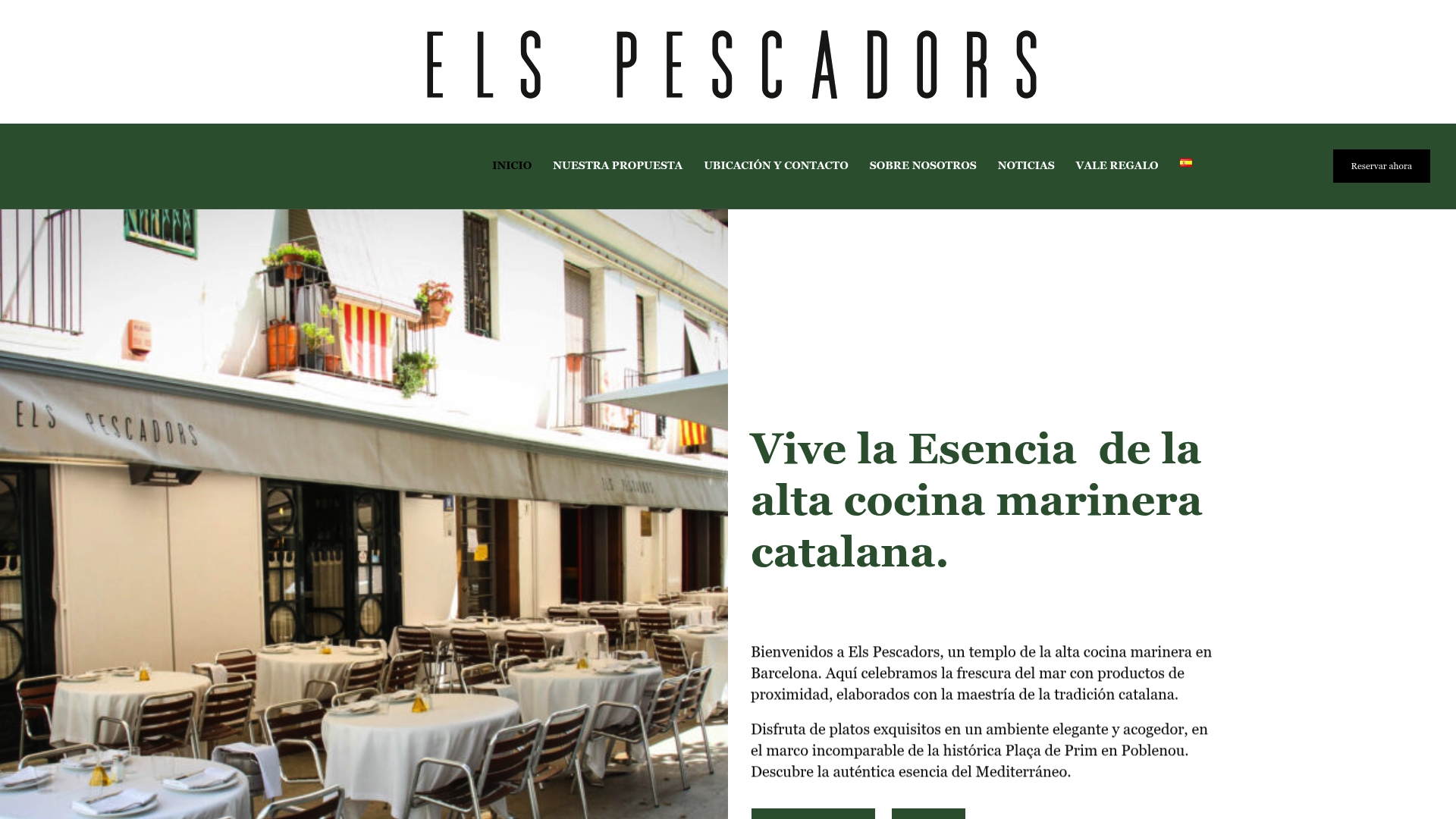
If this article has you thinking seriously about booking a tasting menu experience, the next step is simple: find a kitchen you trust with a menu built around fresh Catalan seafood. Els Pescadors, located in the historic Plaça de Prim in Poblenou, offers exactly this. Our curated seafood tasting menu at Els Pescadors brings together the best seasonal catches from the Mediterranean, prepared with the full depth of Catalan culinary tradition.
Before you arrive, you might want to explore the flavors waiting for you. A look at traditional Catalan seafood dishes gives you context for what will appear on your plate, and a deeper guide to the essential Catalan seafood varieties you may encounter helps you walk into the meal with confidence. Reservations are available directly through our website. Come hungry, come curious, and give yourself the full evening.
Frequently asked questions
How many courses are typically included in a seafood tasting menu?
Most seafood tasting menus include 5 to 20 courses, with the exact number depending on the chef’s vision and the restaurant’s style and price point.
Can seafood tasting menus accommodate allergies or dietary restrictions?
Dietary adaptations are possible in many kitchens, but they can limit the chef’s creative range, so it’s best to communicate any restrictions clearly when you make your reservation.
How long does a seafood tasting menu usually take?
Plan for at least 2 to 3 hours at the table, since each course is served in a carefully timed sequence designed to build the meal’s narrative.
Is a seafood tasting menu more expensive than ordering à la carte?
Yes, seafood tasting menus carry a higher price point than à la carte, which reflects the multi-course complexity, premium seasonal ingredients, and level of kitchen preparation involved.
What makes a Catalan seafood tasting menu unique?
Catalan tasting menus highlight local Mediterranean catches and traditional recipes, using seasonal, fresh ingredients to deliver a structured flavor experience rooted in the culinary identity of the Catalan coast.