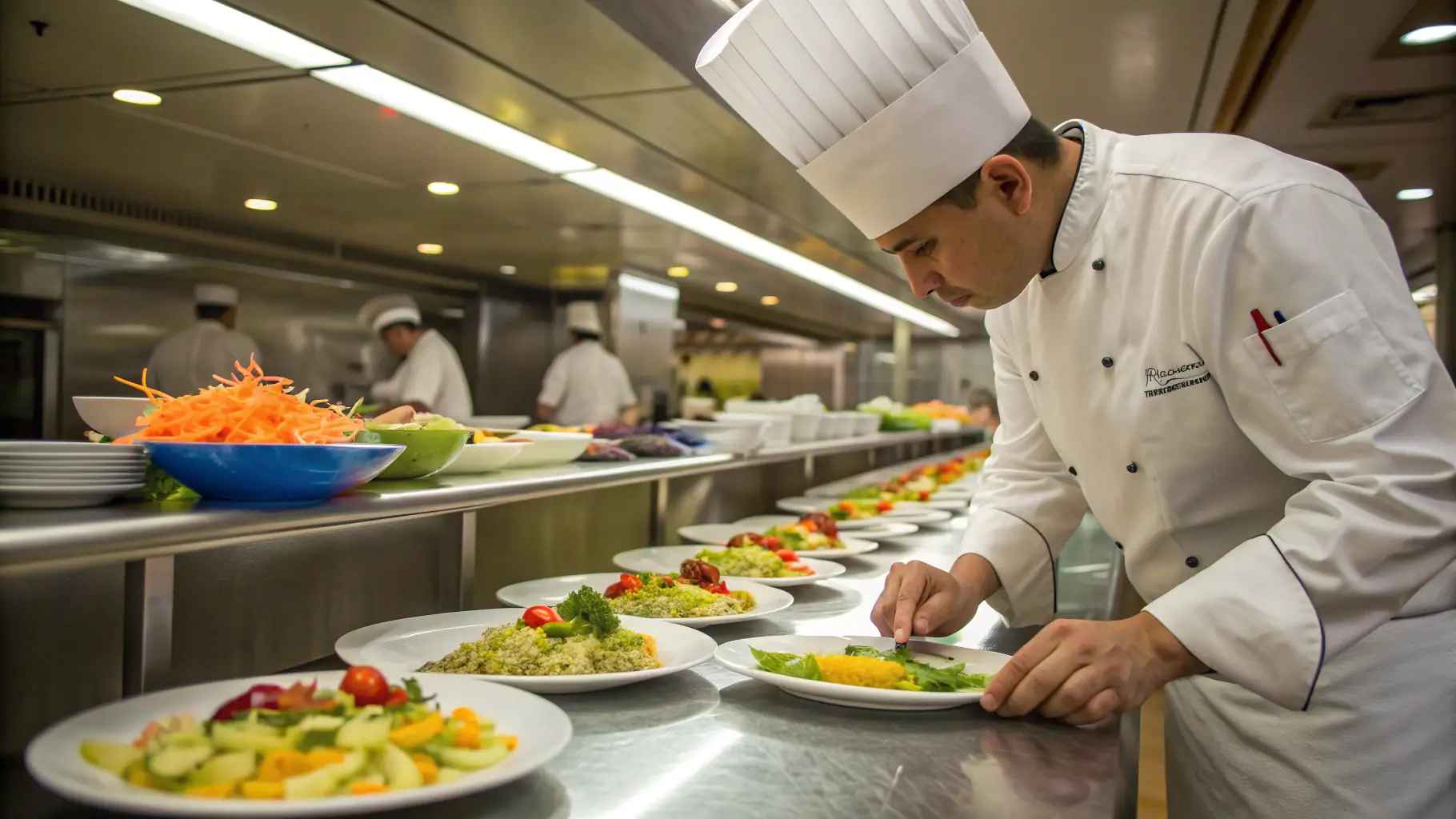
A fine dining experience workflow that actually holds up under pressure comes down to one thing: a tightly choreographed pre-shift brief paired with synchronized service built around a single dominant value language. Get that right, and everything else, from pacing to recovery, becomes manageable.
The five elements every service workflow must include:
- Pre-shift briefing: Covers reservations, dietary notes, timing targets, and the night’s buffer plan
- Mise en place: Every station set and verified before the first guest arrives
- Synchronized service: Courses delivered simultaneously to all covers at the table
- Buffer and recovery protocol: Pre-agreed responses to timing or quality failures
- KPI checkpoints: Minutes per course, average check, and guest satisfaction tracked every shift
When these five elements work together, pacing tightens, perceived value rises, and measurable gains in average check and guest satisfaction follow.
Table of Contents
- A step-by-step workflow map for tasting and à la carte service
- Who does what: staff roles and service choreography
- How to build buffer mechanisms and recover from service failures
- Which back-office systems free your staff for guest-facing moments
- Which KPIs tell you if the workflow is actually working
- How Elspescadors applies this workflow in Barcelona
- Key Takeaways
- Why choreography beats technology in fine dining
- Elspescadors: fine dining in Barcelona’s Poblenou
- Useful sources
- FAQ
A step-by-step workflow map for tasting and à la carte service
Pre-service checklist
- Confirm all reservations; flag dietary restrictions and VIP notes in the POS system
- Complete mise en place by station; floor manager signs off 45 minutes before service
- Run a 10-minute pre-shift brief: cover the menu, pacing targets, table assignments, and the night’s buffer plan
- Set water, bread, and welcome amuse-bouche stations; verify glassware and linen
Arrival and seating
- Greet guests within 60 seconds of entry; address by name when the reservation is known
- Coats taken before seating; menus presented within 90 seconds
- Water poured and aperitif offered within 3 minutes of seating
- Pre-arrival communication (confirmation email with timing expectations and dietary reminder) reduces uncertainty and speeds the first course
Course pacing for a 6–8-course tasting menu
Industry benchmarks target 15–25 minutes per course, with synchronized delivery (la dépose synchronisée) at every table. A practical time budget:
| Phase | Target duration |
|---|---|
| Welcome and aperitif | a short, comfortable period |
| Amuse-bouche | brief and enjoyable |
| Courses 1–3 | a moderately paced time |
| Courses 4–6 | a moderately paced time |
| Pre-dessert and dessert | a pleasantly timed segment |
| Mignardises and bill | a relaxed closing period |
| Total | a few hours in total |
Post-service exit
- Bill presented discreetly when the guest signals readiness (flatware at 4 and 10 o’clock is the standard nonverbal cue)
- Farewell at the door; parting mignardises or a small gift if the occasion warrants it
- Brief post-service debrief: note timing deviations and any recovery events for the shift log
Who does what: staff roles and service choreography
Clear role definition prevents the two most common fine dining failures: gaps in attention and collisions at the table.
| Role | Pre-service | During service | Recovery | Close |
|---|---|---|---|---|
| Maître d’ | Confirms reservations, briefs team | Manages floor rhythm, reads guest pace | Leads recovery decisions | Reviews shift log |
| Chef de rang | Sets station, checks mise en place | Serves courses, presents dishes | Executes recovery script | Resets station |
| Commis | Assists mise en place | Clears, replenishes water and bread | Supports chef de rang | Assists reset |
| Sommelier | Prepares wine list, checks cellar | Pours and pairs, personalizes recommendations | Offers alternative if a wine is unavailable | Logs guest preferences |
| Floor manager | Signs off mise en place | Monitors timing, communicates with kitchen | Authorizes compensation | Leads debrief |
Training competency milestones for fine dining certification:
- Synchronized serving drill passed at 100% accuracy across a full table
- Demonstrated ability to read nonverbal guest cues (pace, posture, conversation rhythm)
- Recovery script delivered without managerial prompt in a simulated fault scenario
- Wine pairing knowledge tested against the current menu
- Pacing log maintained accurately for three consecutive shifts
How to build buffer mechanisms and recover from service failures
A buffer mechanism is the invisible slack built into the service timeline before the first guest sits down. It is set during the pre-shift brief and never communicated to guests.
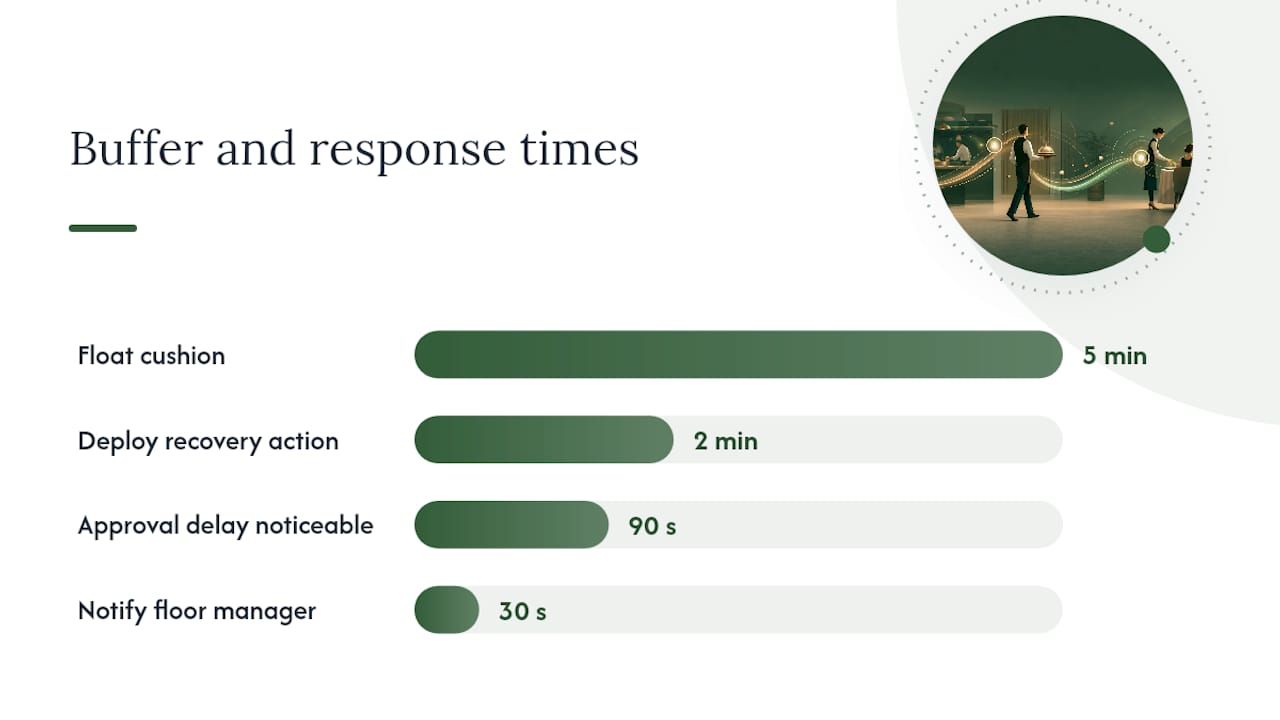
- Define the float: Identify which courses have the longest kitchen lead time and add a 5-minute cushion to the target window for those courses
- Assign a float position: One staff member per section holds no active task at any given moment, ready to absorb a gap
- Set compensation thresholds: Agree in advance what the team can offer without escalating (a complimentary amuse-bouche, a glass of wine, a sincere apology with a specific explanation)
Contingency checklist when a breakdown is detected:
- Floor manager notified within 30 seconds
- Guest-facing staff maintains normal demeanor; no visible urgency
- Affected table receives an interim touch (water refill, bread, a brief narrative about the next course)
- Recovery action deployed within 2 minutes
A short recovery script that works: “I want to be honest with you — there’s a brief delay on your next course. We’re taking an extra moment to get it exactly right. In the meantime, please enjoy this with our compliments.” Specific, calm, and it reframes the delay as care.
Pro Tip: Empower your chef de rang to deploy a single compensation item (one glass of wine or one amuse-bouche) without asking the floor manager. The 90-second delay to seek approval is what guests actually notice, not the fault itself.
Which back-office systems free your staff for guest-facing moments
Reducing back-office burden is the clearest lever for increasing perceived guest value. The operational rule is simple: every minute a staff member spends on administrative tasks during service is a minute not spent reading the room.
- Supplier windows: Schedule all deliveries before 10:00 AM; luxury dining quality depends on supplier controls that happen well before service begins
- Inventory coordination: Daily par-level checks tied to the reservation count; fresh ingredient reliability is non-negotiable when the menu changes with the catch
Which KPIs tell you if the workflow is actually working
| KPI | Measurement method | Target cadence |
|---|---|---|
| Minutes per course | Shift timing log (start of course to clear) | Every shift |
| Covers per service | POS report | Every shift |
| Average check | POS report | Weekly |
| Recovery resolution time | Incident log (fault detected to guest touch) | Every shift |
| Guest satisfaction score | Post-visit survey or review platform | Weekly |
The improvement loop is short: form a hypothesis (“synchronized serving will reduce per-course variance”), run it for one week, measure the shift logs, and roll out or discard. Useful tests to run first:
- Pacing drill: time every course across three consecutive services and identify the outlier course
- Synchronized serving drill: practice with full team before a busy Friday service
- Recovery script test: role-play two fault scenarios in the pre-shift brief
How Elspescadors applies this workflow in Barcelona
Elspescadors operates in Plaça de Prim in Barcelona’s Poblenou district, a setting that places it firmly in the “place” value language. The historic square, the maritime heritage of the neighborhood, and the daily fresh catch from local suppliers are the story the service reinforces at every step.
The pre-shift brief at Elspescadors covers the day’s catch, any sourcing changes that affect the menu, dietary flags from reservations, and the pacing target for the evening. Staffing ratios are calibrated to the cover count, with a float position maintained during peak service. For the Catalan tasting menu, pacing follows the 15–25-minute-per-course benchmark, with synchronized delivery at every table.
Supplier coordination happens before 10:00 AM daily. The kitchen receives the catch, confirms the menu, and communicates any substitutions to the floor team before the pre-shift brief. This means staff can speak to the sourcing story with genuine knowledge, not a script.
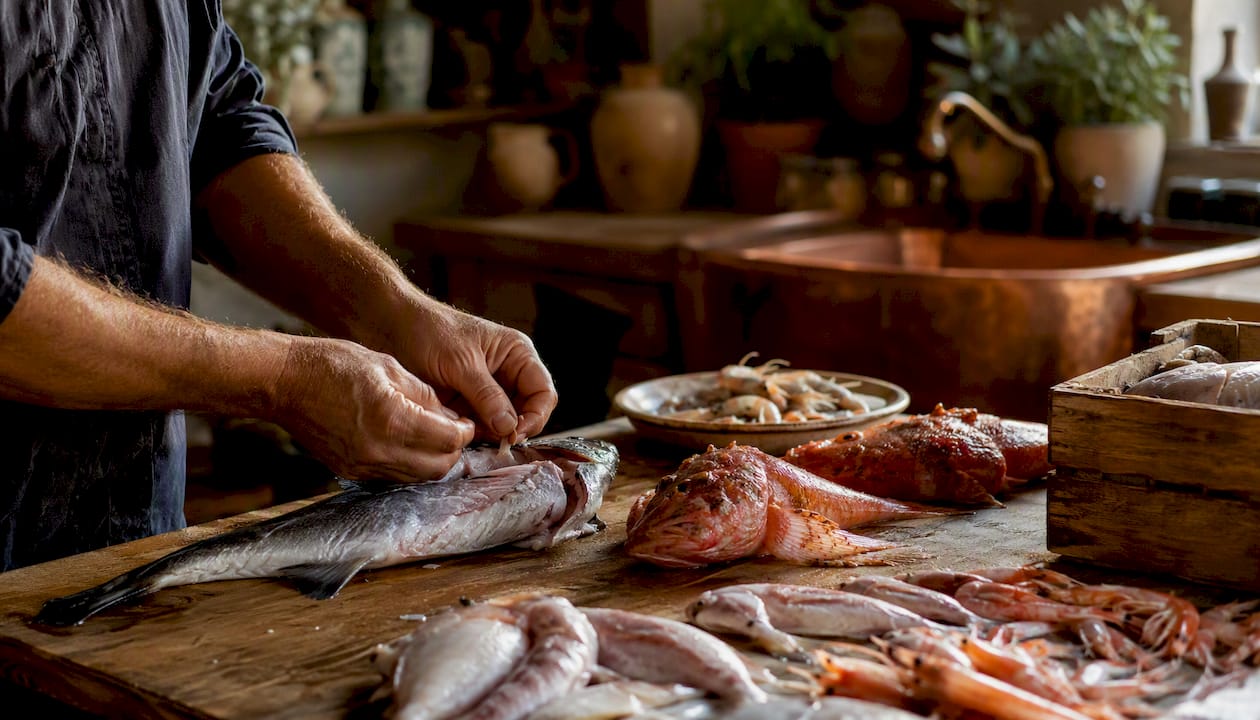
Suggested visuals for editorial use: front-of-house pre-shift brief in the dining room; synchronized serving of a rice dish to a full table; mise en place of the day’s fresh catch before service opens.
Key Takeaways
A fine dining experience workflow succeeds when a pre-shift brief, synchronized service, and a clear recovery protocol are built around one dominant value language, measured every shift.
| Point | Details |
|---|---|
| Four value languages | Choose theatre, precision, place, or price as your dominant signal and design every service decision around it. |
| Pacing benchmark | Target 15–25 minutes per course for tasting menus; log every shift to identify and fix outlier courses. |
| Buffer mechanism | Define float positions and compensation thresholds in the pre-shift brief, before service begins. |
| Back-office reduction | Centralizing reservations, KDS, and supplier windows frees staff for guest-facing moments during service. |
| Elspescadors model | Elspescadors anchors its workflow in the “place” value language, with daily sourcing briefings and synchronized tasting-menu service in Barcelona’s Poblenou. |
Why choreography beats technology in fine dining
The hospitality industry has spent the last decade adding technology to service workflows, and most of it helps at the margins. A KDS reduces miscommunication. A reservation system centralizes dietary notes. These are real gains.
But the decisive variable in fine dining is not the tool. It is the moment when a chef de rang reads a table that has gone quiet, decides without being asked that the next course should wait five minutes, and fills that space with something warm and unhurried. No software makes that call. A well-rehearsed, empowered team does.
The buffer mechanism and recovery protocol matter precisely because they are human decisions made in advance. The pre-shift brief is where a team rehearses judgment, not just tasks. Elspescadors’ approach, grounding the workflow in the “place” value language and briefing staff on the day’s sourcing story, is a good model for any restaurant whose identity is tied to a specific place and ingredient tradition. The case study and SOP framework in this guide are the starting point. The real work is the rehearsal.
Elspescadors: fine dining in Barcelona’s Poblenou
The best fine dining workflows are built around a clear identity, and Elspescadors has one of the sharpest in Barcelona. Rooted in Catalan maritime cuisine, daily fresh catch, and the historic setting of Plaça de Prim, every element of the service, from the pre-shift brief to the final mignardise, is designed to make the place and the ingredient the story.
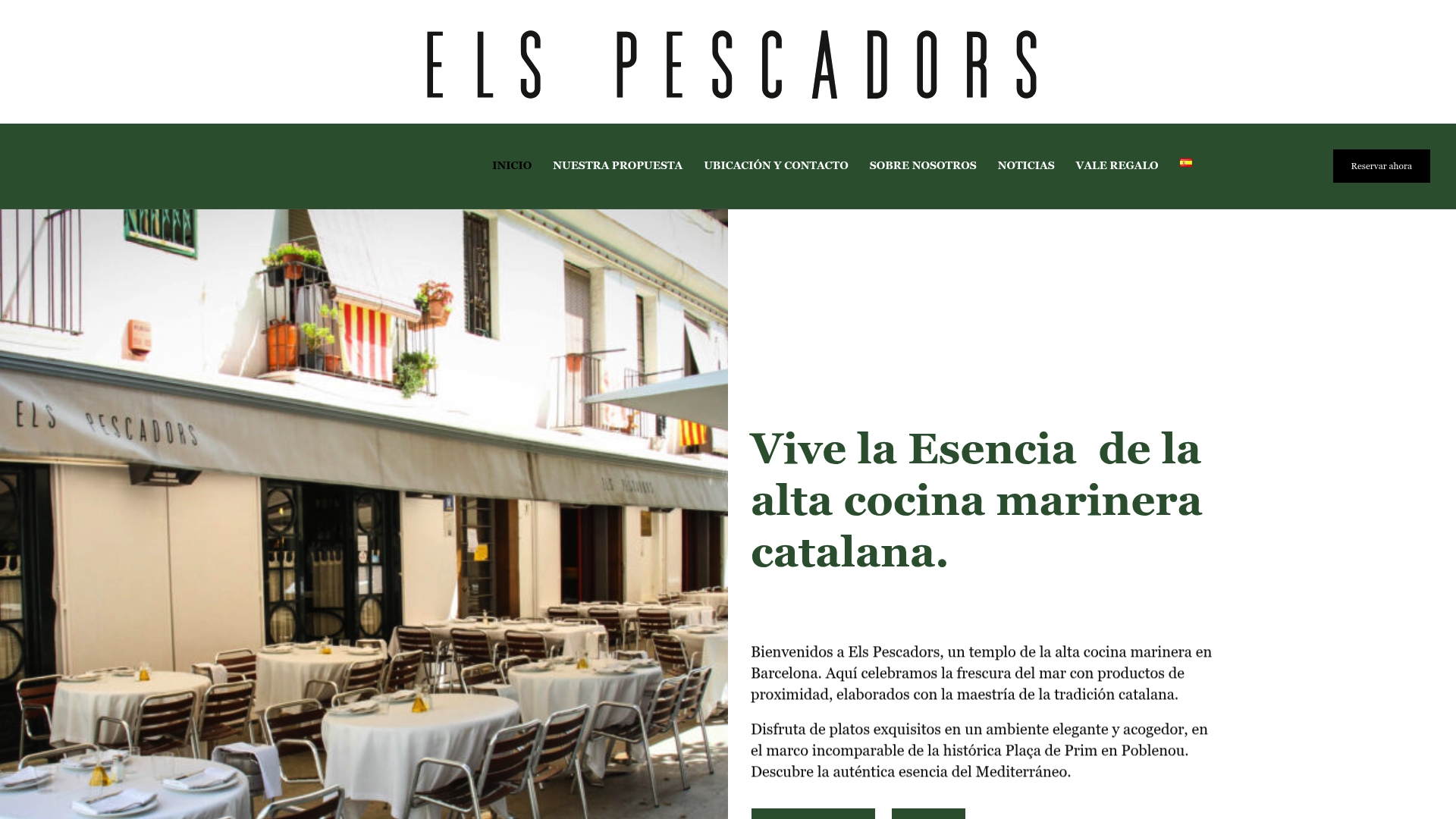
Whether you are booking a table for two, planning a group seafood feast, or looking for a tasting menu that demonstrates exactly what a well-executed fine dining workflow feels like from the guest side, Elspescadors is the place to experience it. Reserve your table at Els Pescadors and see the workflow in action.
Useful sources
- Decoding High-End Dining: Theatre, Precision, Place, Price
- The Standards That Make Luxury Dining Truly Exceptional
- Organising Haute-Cuisine Service Processes: A Case Study
- Fine Dining 101: The Principles Behind Exceptional Dining Experiences | Via Allegro Ristorante
- Fine Dining Service Excellence in 9 Steps (2026) | HappyChef
- Els Pescadors
FAQ
What is a fine dining experience workflow?
A fine dining experience workflow is the structured sequence of service steps, from pre-shift briefing through post-service exit, that a restaurant team follows to deliver consistent, high-quality guest experiences. It covers timing, staff roles, recovery protocols, and measurable KPIs.
How long should each course take in a tasting menu?
Industry benchmarks target 15–25 minutes per course for tasting menus, with synchronized delivery to all covers at the table. The total duration for a 6–8-course menu typically runs a few hours in total.
What is a buffer mechanism in fine dining service?
A buffer mechanism is pre-agreed slack built into the service timeline during the pre-shift brief. It includes float staff positions, timing cushions on the longest kitchen lead times, and defined compensation thresholds staff can deploy without managerial approval.
How does Elspescadors structure its fine dining workflow?
Elspescadors anchors its workflow in the “place” value language, with daily sourcing briefings, synchronized tasting-menu service, and supplier coordination completed before 10:00 AM. The pre-shift brief covers the day’s catch, dietary flags, and pacing targets for the evening.
Which KPIs matter most for measuring fine dining service quality?
The five most useful KPIs are minutes per course (logged every shift), covers per service, average check (tracked weekly), recovery resolution time, and guest satisfaction scores from post-visit surveys or review platforms.