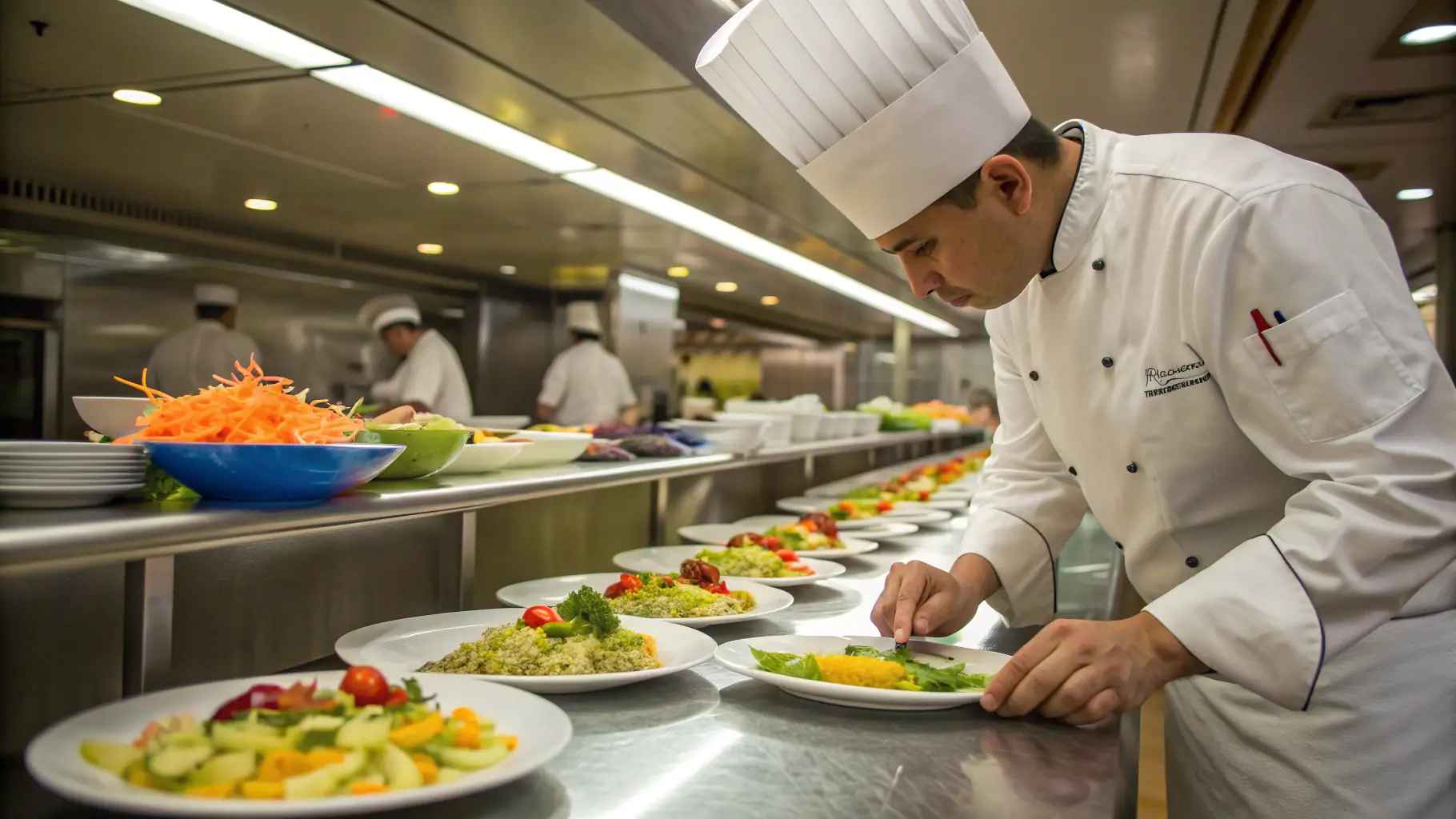
A menú de temporada mar in Barcelona is a short-run menu built around that day’s or season’s best catch rather than a fixed printed list. Expect formats like tasting menus, a seasonal “propuesta de temporada,” or a la carte specials that rotate with availability. Two signals confirm genuine seasonality: a direct mention of the daily catch and a clear note about where the fish or shellfish came from.
TL;DR:
- Seasonal menus in Barcelona can change weekly or daily based on actual boat landings, weather, and fishing restrictions, not just general monthly calendars.
- Authenticity is confirmed by detailed provenance information, including catch date, landing port, and whether the species is wild or farmed.
- A genuine seasonal menu will have staff quickly and confidently share details about the catch and source, indicating freshness and recent landings.
- Regulatory fishing limits and market closures often cause menus to rotate dishes more frequently, reflecting real supply fluctuations.
- Expect a seasonal seafood menu to be slightly more expensive and flexible, with clear communication needed about substitutions, allergies, and specific sourcing.
Table of Contents
- What “seasonal” means in practice for Barcelona seafood menus
- Species by season: what shows up on Barcelona’s mar menus
- How restaurants source and adapt: traceability and Mercabarna
- Booking, allergies, and what to expect from a tasting menu
- How to read a seasonal menu: 7 questions worth asking staff
- Els Pescadors as an example: a Barcelona seasonal seafood menu in practice
- [Why seasonal menus matter for taste, price, and sustainability](#why-seasonal-menus-matterhttpswildfoodzcom20260630benefits-of-seasonal-produce-your-2026-nutrition-guide-for-taste-price-and-sustainability)
- Book Els Pescadors’ seasonal seafood menu
- FAQ
- Sources
- Primary sources and market links for seasonal fish availability and safety
What “seasonal” means in practice for Barcelona seafood menus
Seasonality in Barcelona kitchens works on two timelines at once. There is the monthly calendar, the kind published by fishing guilds, which groups species into broad windows of several weeks. Then there is the daily catch, which depends on weather, tides, and what boats actually land that morning. A restaurant can follow the monthly calendar closely and still swap a dish because the boats came back with less hake than expected.
Several actors shape what ends up on a seasonal menu:
- Fishermen and local guilds, whose landings set the baseline supply for a given week.
- The Confraria de Pescadors de Barcelona, which publishes month-by-month lists of what is typically “in season.”
- Mercabarna’s wholesale market, which distributes catch from Barcelona and other Spanish ports to restaurants citywide.
- The chef, who decides how to translate raw availability into dishes, portions, and pricing.
- Regulation, including fishing-day limits that restrict when certain species can be landed at all.
Seasonality shows up most clearly in three menu formats: the menú degustación, where courses are built entirely around what’s fresh that week; the propuesta de temporada, a set seasonal menu updated periodically rather than daily; and a la carte specials, often handwritten or verbal, that signal a catch too good or too limited to print. A seasonal fish menu built this way tends to change more often than a standard printed carta, and that’s the point, not a flaw.
Species by season: what shows up on Barcelona’s mar menus
The Confraria de Pescadors de Barcelona calendar maps fairly cleanly onto four seasonal groups, though the exact mix shifts year to year with water temperature and stock conditions.
Summer months lean into calamar, gamba roja, and merluza, with June alone showing 13 species in the Confraria’s calendar. Autumn (October to November) features boquerón, caballa, jurel, lubina, salmonete, sardina, and sepia, seven species in the guild’s October and November lists. Winter, particularly December, expands to 12 species including besugo, breca, dorada, faneca, and lenguado.

The Confraria calendar lists notably more species for December compared to the autumn months, indicating a broader range of seafood available in winter in Barcelona.
Dishes built around these windows tend to repeat across Catalan kitchens with small variations:
- Arroz de bogavante, built around lobster landed in warmer months.
- Arroz negro, which leans on squid ink and calamar from summer catches.
- Erizo (sea urchin) preparations, typically a cold-season specialty.
- Gamba roja de Palamós plates, served simply grilled or raw.
- Grilled turbot (rodaballo), when available fresh rather than farmed.
- Sepia a la plancha, common in autumn landings.
- Suquet de peix, a stew that absorbs whatever whitefish is strongest that week.
Not everything on a Barcelona menu comes from local waters. Some species, especially tuna or certain whitefish, are sourced from other Spanish coasts or imported when local stock is thin. A transparent kitchen will say so, either on the menu or when asked, rather than implying everything came off a Barcelona boat that morning. Our guide to species by season goes deeper on which fish to expect month by month.
How restaurants source and adapt: traceability and Mercabarna
Most seafood that reaches Barcelona’s kitchens passes through Mercabarna, the city’s central wholesale market, which publishes its own calendar of open and closed days for 2026. When the market is closed, often on certain holidays or Sundays, restaurants either rely on existing stock, source directly from a named supplier, or adjust the menu to what remains available.
A few provenance questions separate a genuinely seasonal kitchen from one that just prints the word “seasonal” on the menu:
- Ask for the capture date and landing port, not just the species name.
- Ask whether the item is wild-caught or farmed, since the two carry different seasonality logic entirely.
- Ask for the supplier or market source: a named Mercabarna stall or a specific boat signals real traceability.
Pro Tip: If staff can answer the provenance question in one sentence without checking with the kitchen, that’s usually a good sign the menu genuinely changes with supply.
A menu that shifts week to week is typically a feature, not a weakness. Regulatory limits on fishing days and seasonal closures, along with EU and Spanish fishing-effort rules for the Mediterranean restrict how much of certain species can legally be landed in a given period. A kitchen following those limits honestly will rotate dishes more than one that quietly substitutes frozen stock to keep a fixed menu looking consistent. Our piece on sustainable fish sourcing covers how this plays out from the kitchen’s side.
Booking, allergies, and what to expect from a tasting menu
Reserving a table around a seasonal seafood menu takes a little more planning than a standard dinner booking, particularly for tasting menus or groups.
- Confirm the menu’s expected duration and ask about the substitution policy if a course doesn’t suit you.
- Tell the restaurant about allergies, pregnancy, or other dietary restrictions when booking, not after you sit down.
- Ask specifically about raw or lightly cooked preparations, since shellfish and raw fish carry higher risk for some diners.
- Clarify group-size logistics early if you’re booking for more than four or five people.
- Set price expectations: a seasonal tasting menu typically runs at a different price point and portion structure than ordering a la carte.
Catalan food-safety guidance specifically flags vulnerable groups, including pregnant diners and those with weakened immune systems, when it comes to raw or undercooked seafood, and recommends restaurants and diners communicate dietary needs clearly before service, per the Agència Catalana de Seguretat Alimentària’s food-safety plan. Mentioning this at booking, not at the table, gives the kitchen time to adjust.
How to read a seasonal menu: 7 questions worth asking staff
A short checklist at booking or at the table tells you quickly whether a “menú de temporada” is genuinely built around fresh supply.
- What’s fresh today that isn’t printed on the regular menu?
- Where was this caught, and when?
- Is this wild or farmed?
- Who’s the supplier, Mercabarna or a named boat?
- How often does this menu change?
- What happens if a listed species runs out mid-service?
- Can the tasting menu accommodate allergies or substitutions?
Pro Tip: Specific, fast answers to questions 2 through 4 are the strongest sign of a kitchen sourcing on the day rather than leaning on frozen backstock.
If staff answer confidently and the menu text matches what they describe, a tasting menu is usually the better choice for seeing seasonality in action. If answers are vague or the “seasonal” items look identical month to month, ordering a la carte gives you more control.
Els Pescadors as an example: a Barcelona seasonal seafood menu in practice
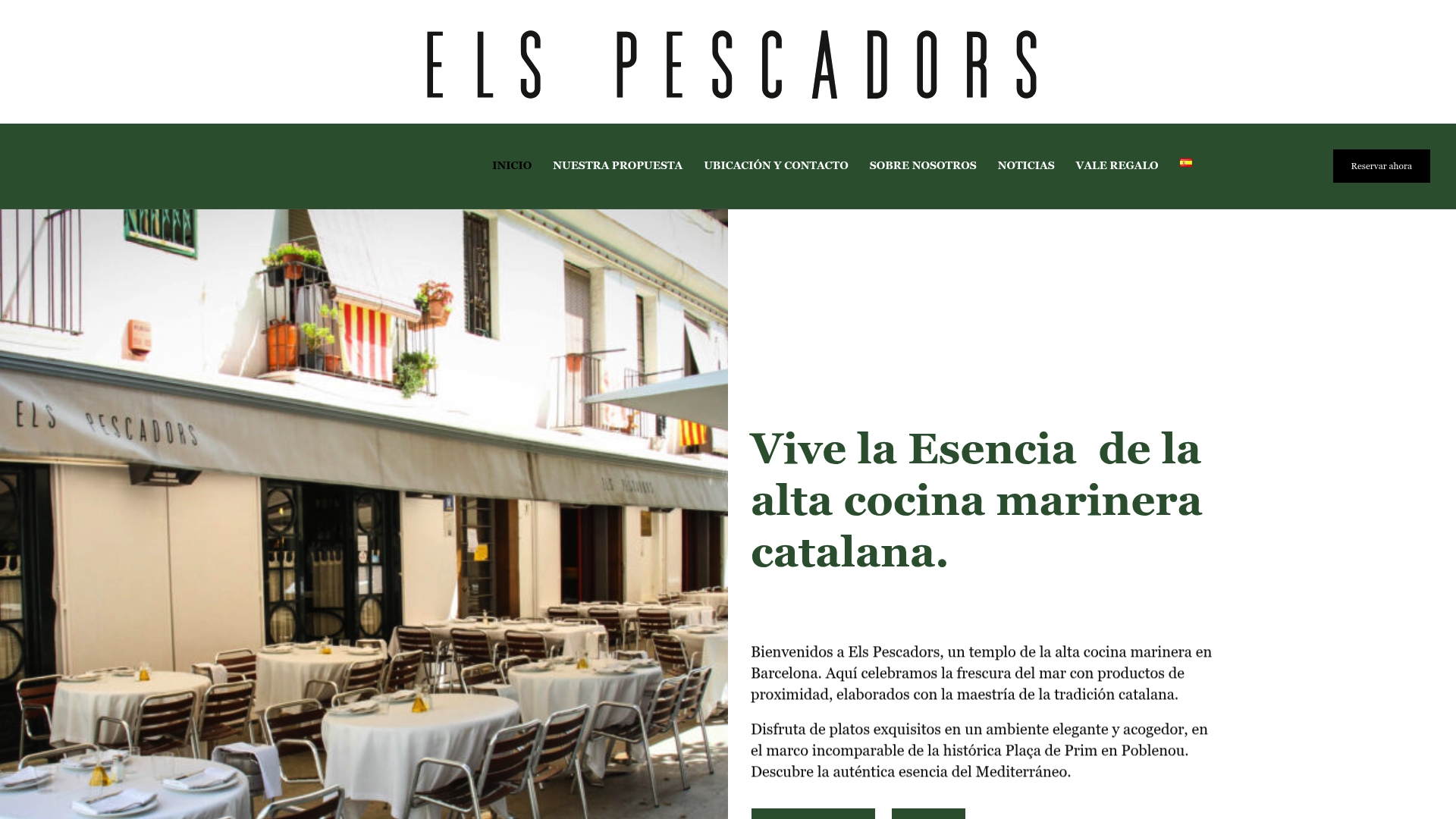
We built our Menú de Temporada and Menú Degustación around the same logic described above: daily fresh catch, seasonal rice dishes, and formats that flex for both individual diners and private groups through our Menú para Grupos. The team explains sourcing and the day’s catch directly at the table rather than leaving it to a printed note, and questions about provenance are welcomed before and during service. When booking, guests are advised to flag allergies, timing needs, and group size in advance so the kitchen can plan the seasonal courses accordingly.

Why seasonal menus matter for taste, price, and sustainability
Seasonal seafood tends to taste better simply because it traveled less time between boat and plate, and it’s often priced more reasonably than forcing a species onto a menu out of its natural window. A menu that keeps changing isn’t disorganized, it’s responding to real supply. The most useful habit for any diner in Barcelona is asking where something came from: a kitchen that answers plainly is telling you something worth knowing.
— YellowRock
Book Els Pescadors’ seasonal seafood menu
We serve our Menú de Temporada at a set price per person, built around daily fresh catch and signature Catalan rice dishes, alongside a Menú Degustación for guests who want a longer tasting format. For larger parties, a Menú para Grupos covers private and event dining with seasonal sourcing.
- Reserve the seasonal menu or tasting format directly through our menu pages.
- Let the restaurant know dietary needs, allergies, or group size when booking so the kitchen can plan ahead.
- Ask the staff about the day’s catch and sourcing when you arrive; they can walk you through it.
We focus on local, sustainable sourcing wherever the season allows, and we’d rather explain where a dish came from than just put a label on the menu. Reserve a table through Elspescadors to see it firsthand.
FAQ
What does “menú de temporada” mean at a Barcelona restaurant?
It means a menu built around seafood currently available by season or by the day’s catch, rather than a fixed year-round list. Formats vary from tasting menus to rotating a la carte specials, and the best indicator of authenticity is whether the kitchen can describe where and when the catch arrived.
How often do seasonal seafood menus change in Barcelona?
They can change weekly or even daily, depending on supply from Mercabarna and local landings, and on fishing-day restrictions tied to EU Mediterranean fishing rules. Monthly guild calendars give a general window, while the actual dish depends on what boats land that week.
Is raw or undercooked seafood safe to order on a seasonal menu?
Catalan food-safety guidance recommends that diners with allergies, pregnancy, or weakened immune systems flag those conditions before ordering raw or lightly cooked seafood, per the Catalan food-safety agency’s guidance. Telling the restaurant at booking, rather than at the table, gives the kitchen time to suggest safer alternatives.
What’s the difference between a tasting menu and a seasonal a la carte menu?
A tasting menu, or menú degustación, is a fixed sequence of courses chosen by the kitchen to showcase that period’s best catch. A seasonal a la carte menu lets you pick individual seasonal dishes yourself, usually at a different price structure and with more control over portions.
How much does a seasonal seafood menu cost in Barcelona?
Our Menú de Temporada at Els Pescadors is priced at €39 per person. Pricing for tasting menus and a la carte options varies by restaurant and course count, so it’s worth checking directly before booking.
Sources
- Confraria de Pescadors de Barcelona — “Es temporada de” / monthly calendar
- Mercats de Barcelona — ‘Del mar, a los mercados y a la mesa: ¿qué pescados tenemos de temporada?’
- Mercabarna — Market schedules and practical information (Mercat Central del Peix 2026)
- Agència Catalana de Seguretat Alimentària — food-safety plan for 2022–2026 (seafood guidance)
- Ministry of Agriculture / EU regulations — Mediterranean fishing effort and 2025 management measures
Primary sources and market links for seasonal fish availability and safety
- Confraria de Pescadors de Barcelona: monthly seasonal species calendars.
- Mercats de Barcelona: market-level seasonal fish guidance.
- Mercabarna market schedules: wholesale fish market open/closed calendar.
- Catalan food-safety plan: institutional seafood safety recommendations.